
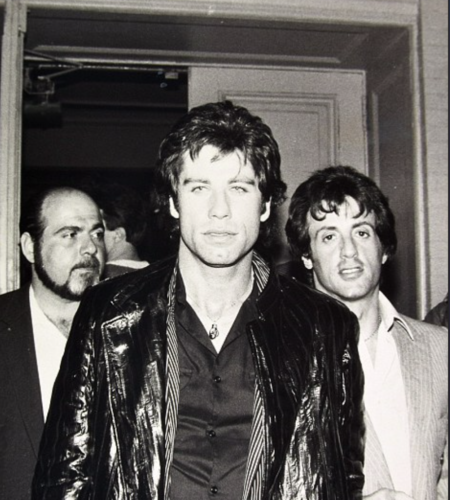
Studio 54 wasn’t just a nightclub—it was a cultural phenomenon, a decadent playground where the rich, famous, and fearless indulged in excess like never before. At the height of the disco era, this legendary New York hotspot became the epicenter of hedonism, attracting celebrities, artists, and partygoers looking to escape into a world of glitter, music, and unrestrained debauchery. But behind the velvet rope, beyond the flashing lights and pulsating beats, Studio 54 was a place of shocking moments, wild antics, and stories so outrageous they seem almost too surreal to be true. From secret backrooms and outlandish celebrity encounters to the legal troubles that brought it all crashing down, the club’s heyday was filled with jaw-dropping tales that still captivate us today. Step inside the most shocking stories from the golden age of Studio 54—where anything and everything happened.
Partying Through the Blackout
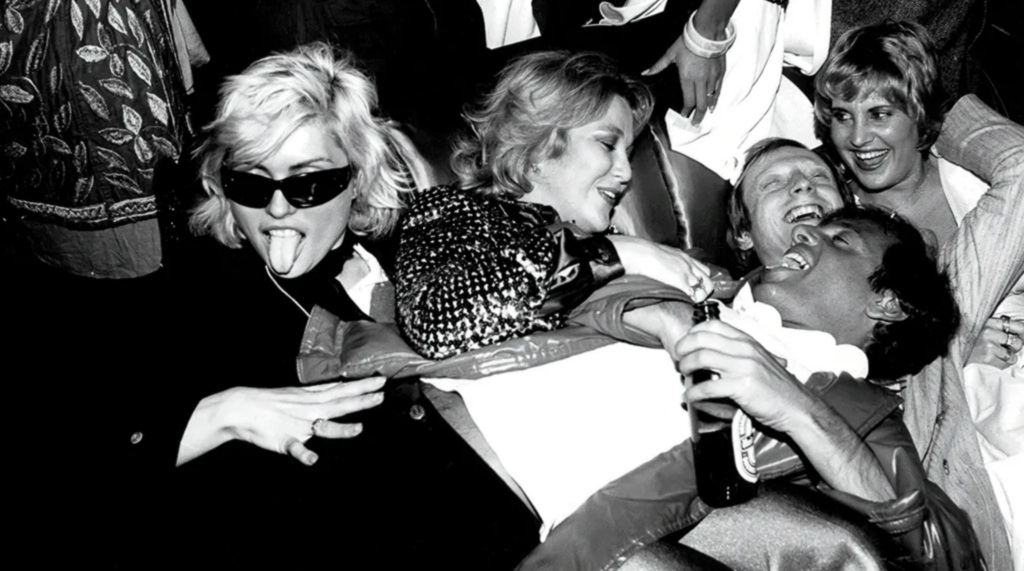
In 1977, New York City experienced a massive blackout that left the city in darkness for 25 hours. While much of the city was plunged into chaos, Studio 54 kept the party going. The club’s generators powered the lights and music, making it one of the few places in the city where the party didn’t stop. That night, Studio 54 became a refuge for partygoers looking to escape the eerie darkness of the city, and the blackout only added to the club’s legendary status.
The Silver Anniversary
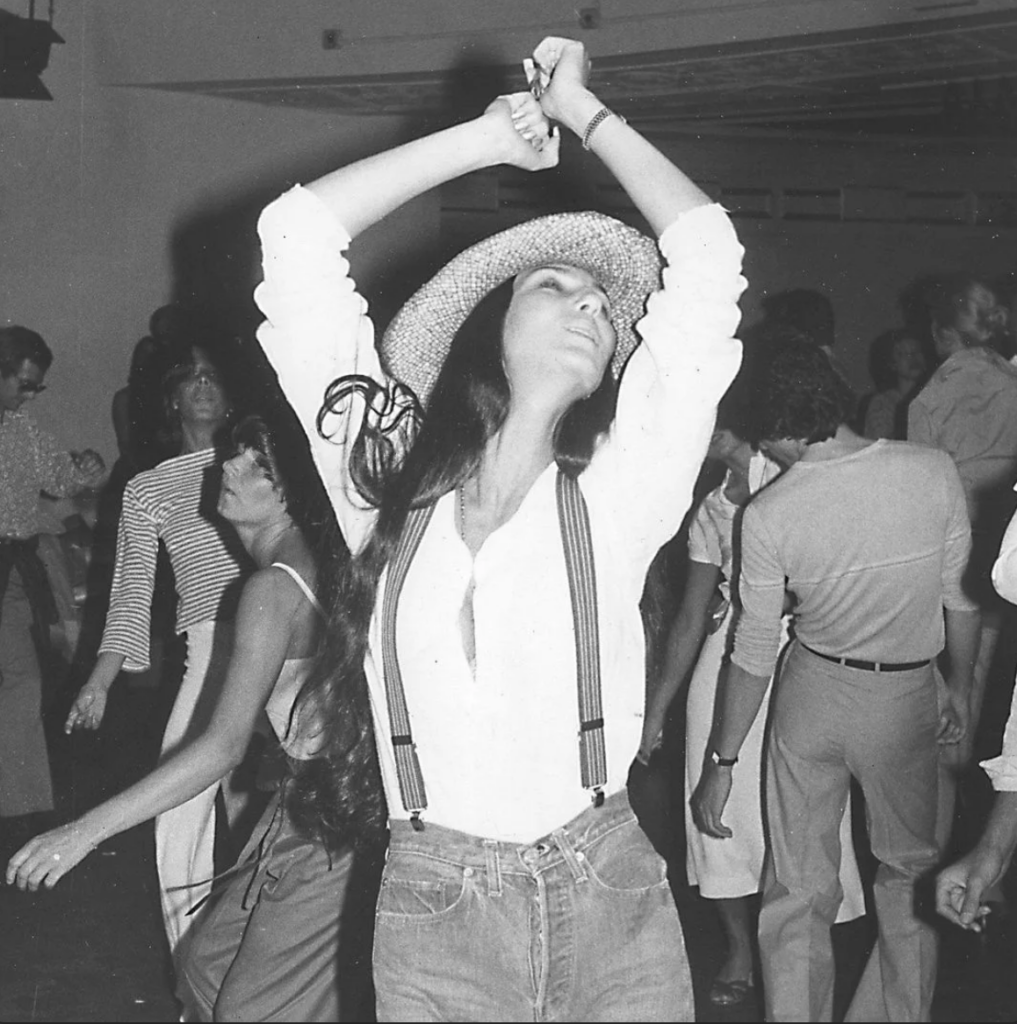
One of the most extravagant parties ever thrown at Studio 54 was the club’s “Silver Anniversary” party in 1978. The event celebrated the club’s first year in operation, and it was nothing short of spectacular. The entire club was draped in silver, from the decorations to the outfits worn by the guests. The night featured performances, elaborate decorations, and a guest list packed with some of the biggest names in entertainment. The Silver Anniversary party is remembered as one of the peak moments in Studio 54’s history, capturing the glitz and glamour of the disco days
The Secret Tunnel
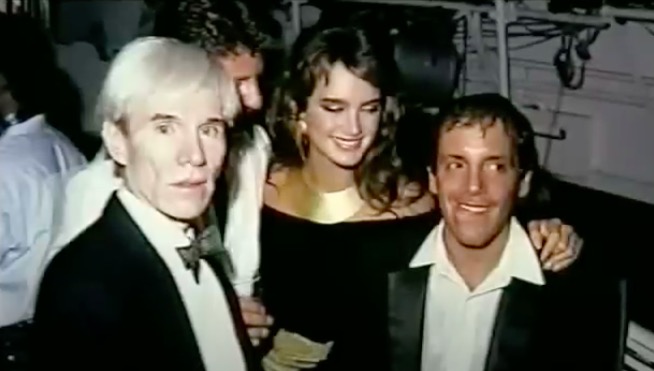
Rumor has it that Studio 54 had a secret tunnel that allowed celebrities to enter and exit the club discreetly. While the existence of this tunnel has never been confirmed, it was said to connect the club to a nearby building, allowing high-profile guests to avoid the paparazzi and crowds outside. Whether or not the tunnel was real, the legend of its existence only adds to the mystique of Studio 54 and the lengths the club went to protect its VIPs.
An Unforgettable Experience
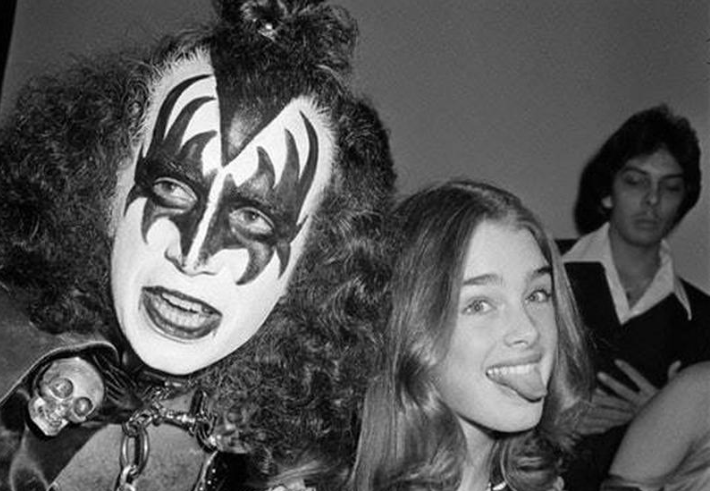
In its prime during the late ’70s, Studio 54 was the epicenter of New York City’s nightlife, a place where celebrities, artists, and the glitterati of the era came together to revel in hedonism and excess. At the helm of this iconic nightclub was co-owner Steve Rubell, whose unabashed love for hanging out with famous people was legendary. Rubell’s charismatic personality and knack for curating an A-list crowd turned Studio 54 into a playground for the rich and famous. It was the place to see and be seen, attracting everyone from Hollywood stars to musicians, socialites, and politicians. Rubell’s ability to blur the lines between owners and patrons created an atmosphere of inclusivity and decadence that defined Studio 54. It was a place where the rules of society and social hierarchy seemed to disappear, and the night’s most unforgettable moments often revolved around the eclectic mix of people who gathered there. Studio 54’s legacy endures as a symbol of the late ’70s cultural zeitgeist, largely thanks to Steve Rubell’s passion for creating a haven where fame, music, and dance merged into one unforgettable experience.
Stars Were Welcomed With Open Arms

Studio 54 was a place where the celebrity elite could rub elbows with everyday partygoers, creating a unique blend that was as intoxicating as the champagne being poured by the gallon. Famous faces from music, film, and fashion flocked to the club, knowing that their presence was part of the appeal. People like Robin Williams, seen here with his signature wide-eyed energy, didn’t just attend Studio 54—they were part of the show. The club’s owners understood that having stars in attendance made the venue even more desirable to the regular crowd, creating a feedback loop of hype and exclusivity.