
The 1960s and 70s were full of quirky trends and fleeting crazes that fell off just as fast as they caught on. Be they toys or fashion statements, these flashes in the pan feel so perfectly aligned with a post-war era where anything and everything was on the table. Which of these short-lived trends did you follow? And which do you think deserve to make a comeback?
Pet Rocks
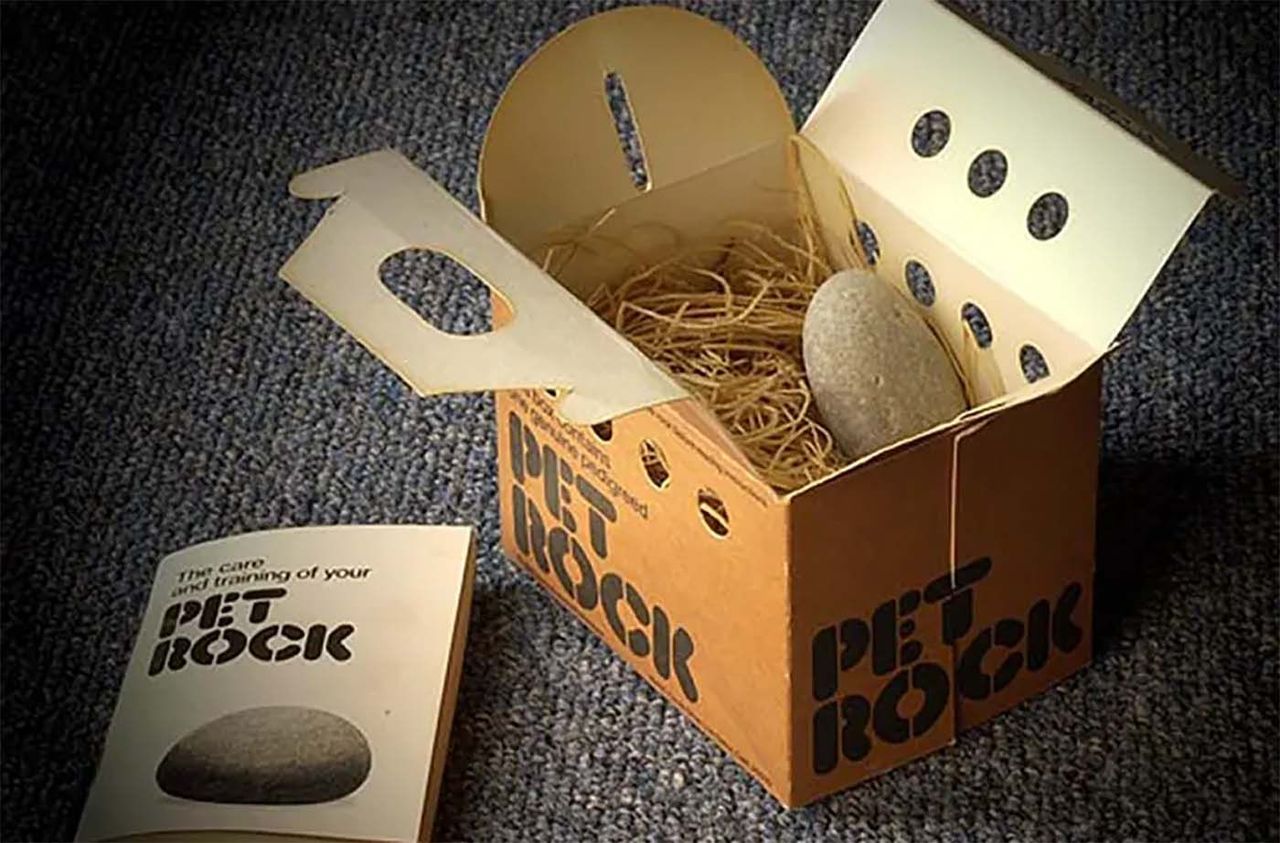
In 1975, Pet Rocks became a novelty sensation. Gary Dahl, the creator of Pet Rocks, marketed them as low-maintenance “pets” that owners unbox rom a cardboard box complete with “breathing holes” and a manual for how to care for your rock. This absurd idea quickly captured the attention of the public, turning Pet Rocks from a silly project into a one of a kind cultural phenomenon. Millions of Pet Rocks sold over a period of a few months before the trend went off a cliff, but we still remember these strange little “pets.”
Getty Images
Mood Rings
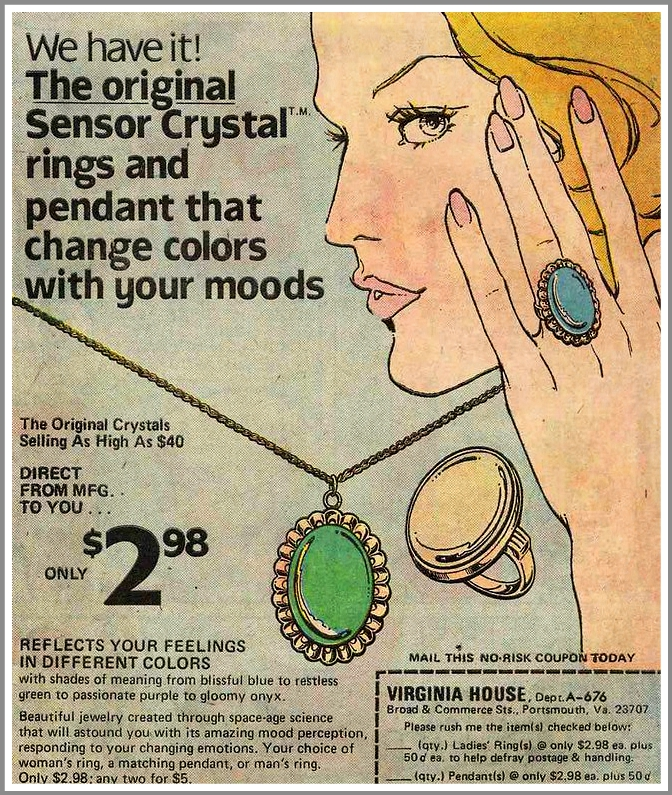
Mood rings were another defining fad of the 1970s. These rings contained liquid crystals that changed color based on temperature, although the manufacturer claimed that this actually reflects the wearer’s emotional state. No one cared that the science behind these trinkets was dubious at best, because they immediately became a must-have fashion item. By fitting in perfectly with the very 70s idea of pseudo-spirituality, Mood Rings tapped into a large part of the cultural consciousness, something that no one could have imagined.
Getty Images
Clackers
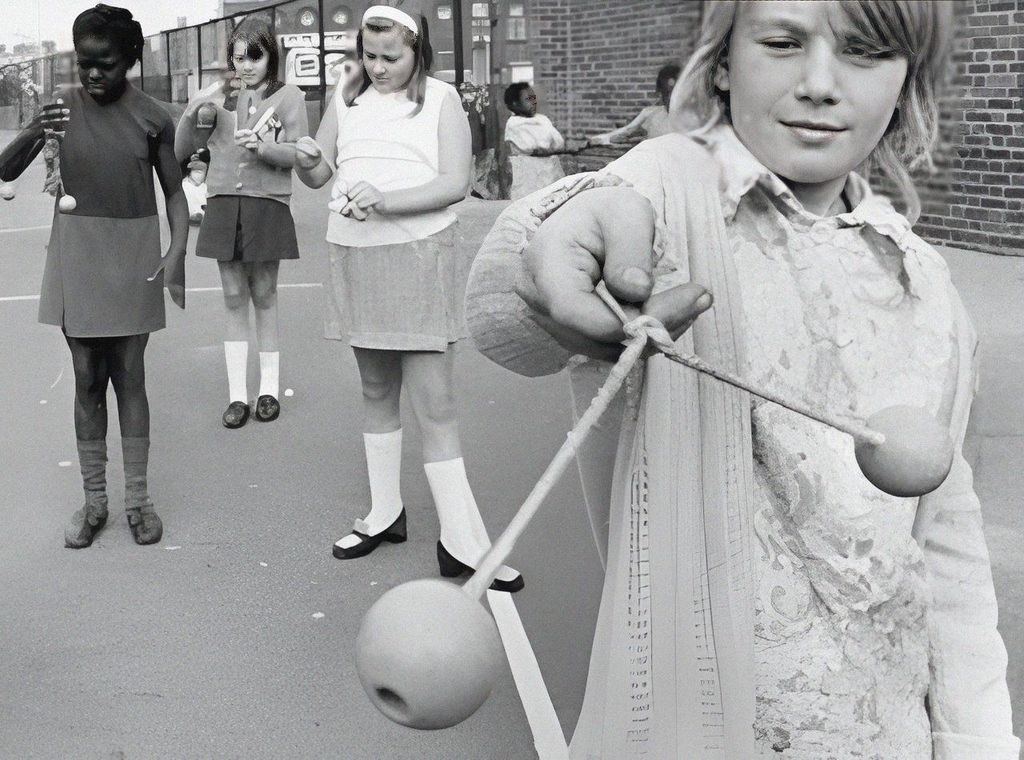
Man, Clackers were everywhere in the mid 20th century. Consisting of nothing but two acrylic balls connected by a string, you could swing these bad boys all day long while making some of the worst wracket imaginable. A huge hit with kids, Clackers fell out of favor by the end of the 70s, but you can still find them anywhere cheap toys are sold.
Getty Images
Streaking
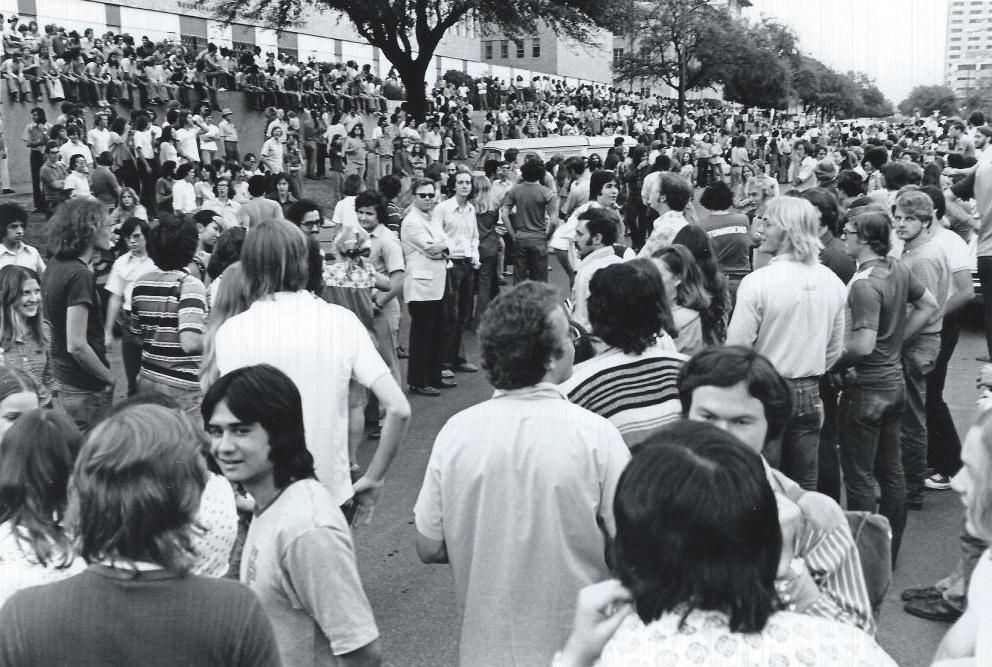
In the early 1970s, streaking—running in public sans clothing—became a nationwide craze. Streakers regularlly crashed college campuses, sporting events, and even live television broadcasts. It was shocking, funny, and truly odd. A playful act of rebellion, this trend really fit into the era’s countercultural rejection of societal norms. The trend reached its peak in 1974 when Robert Opel hit the stage totally devoid of clothing during David Niven’s speech at that year’s Academy Awards and was brutally roasted by the actor.
Getty Images
Sea Monkeys
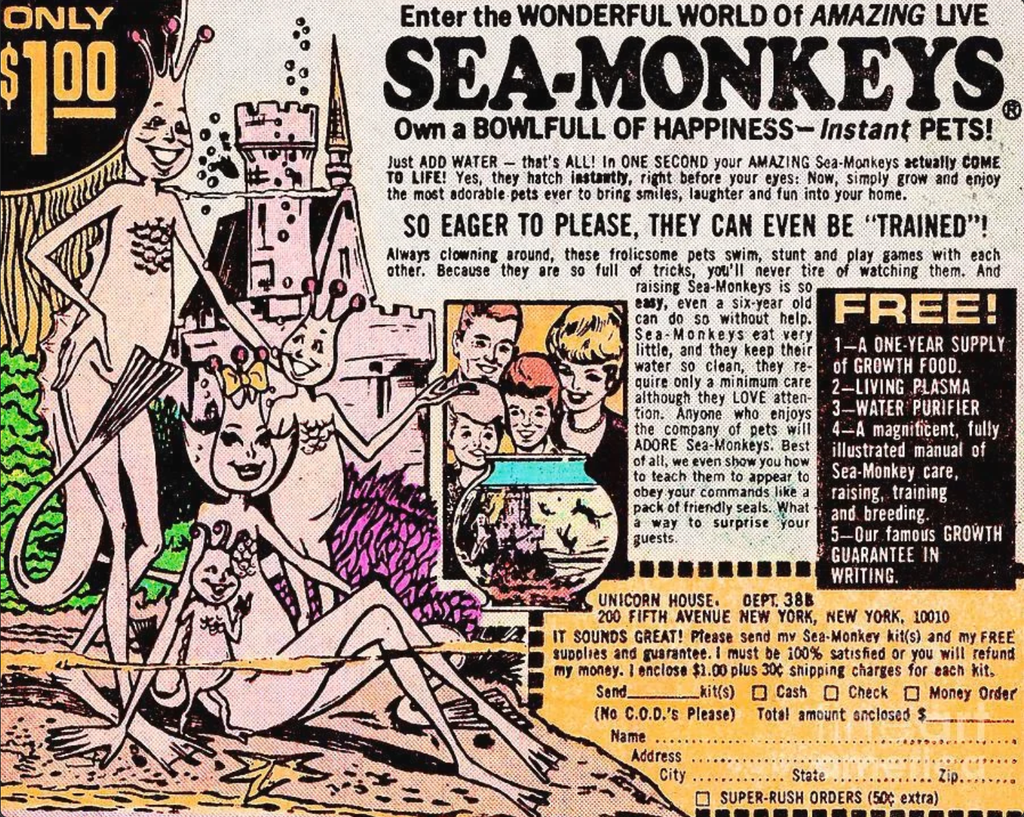
In the 1960s, Sea Monkeys were marketed as an easy, magical way to have a pet. Also known as “instant pets,” Sea Monkeys were actually brine shrimp. Basically, they hatched when added to water and gave kids something to look at other than the TV. Advertised with cartoonish ads showing a family of happy, playful Sea Monkey living beneath the ocean, the reality is far less whimsical. Despite the disparity in their advertising, Sea Monkeys were super popular in the 60s and 70s, with their ads even continued into the 90s.
Getty Images