
If you grew up in the ‘60s and ‘70s (or any time in the late 20th century if we’re being honest), the Laurel Canyon sound that solidified itself in Southern California was the soundtrack of your life. But what was the sound? And how did it go on to inform everything from our style to the musicians who followed in their wake? We’re looking at all of that today through the stories of musicians like David Crosby, Jim Morrison, and Jackson Browne, as well as how the whole thing came crashing down thanks to the extreme success of the very artists that created such an immaculate vibe.
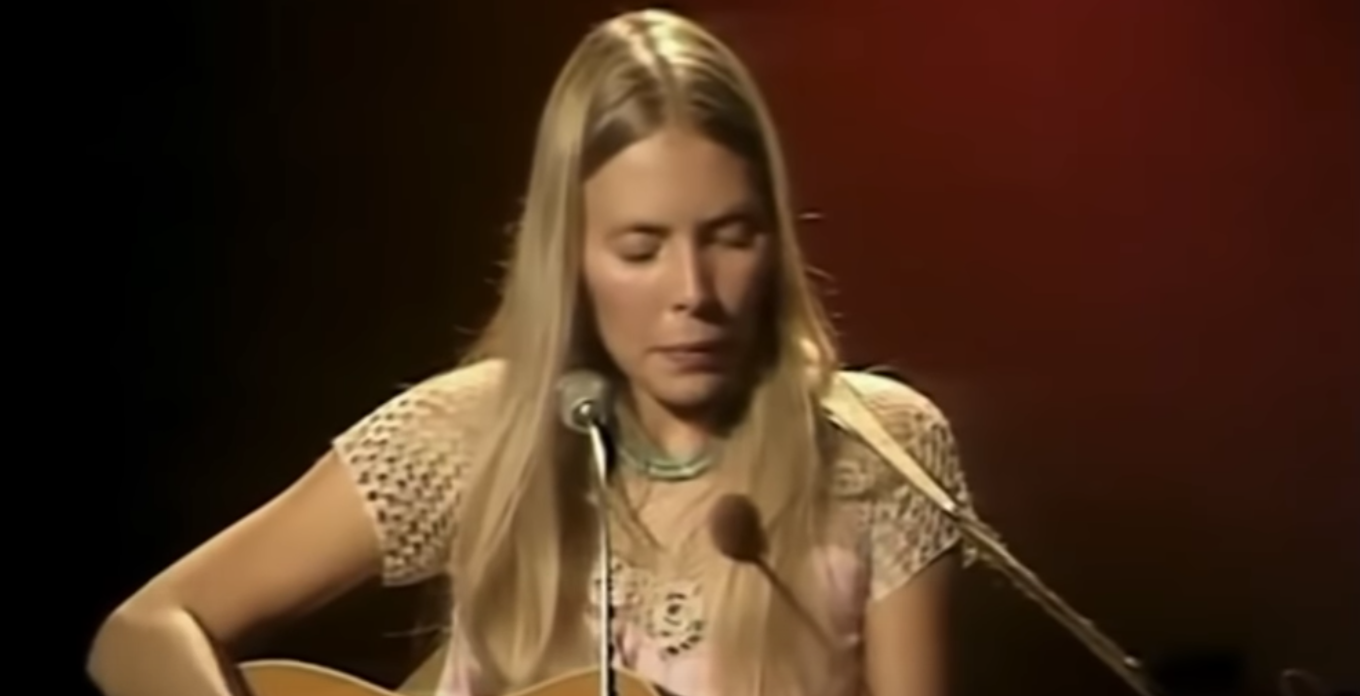
Lookout Mountain Avenue is an amazing spot in Laurel Canyon where you can still soak up the magical vibes of this one vibrant scene. It’s also the place where David Crosby and Joni Mitchell met while they wandered the twists and turns of this entrancing neighborhood. Through this chance meeting these two incredible singer-songwriters built a working relationship and true blue friendship that continued for decades.
Getty Images
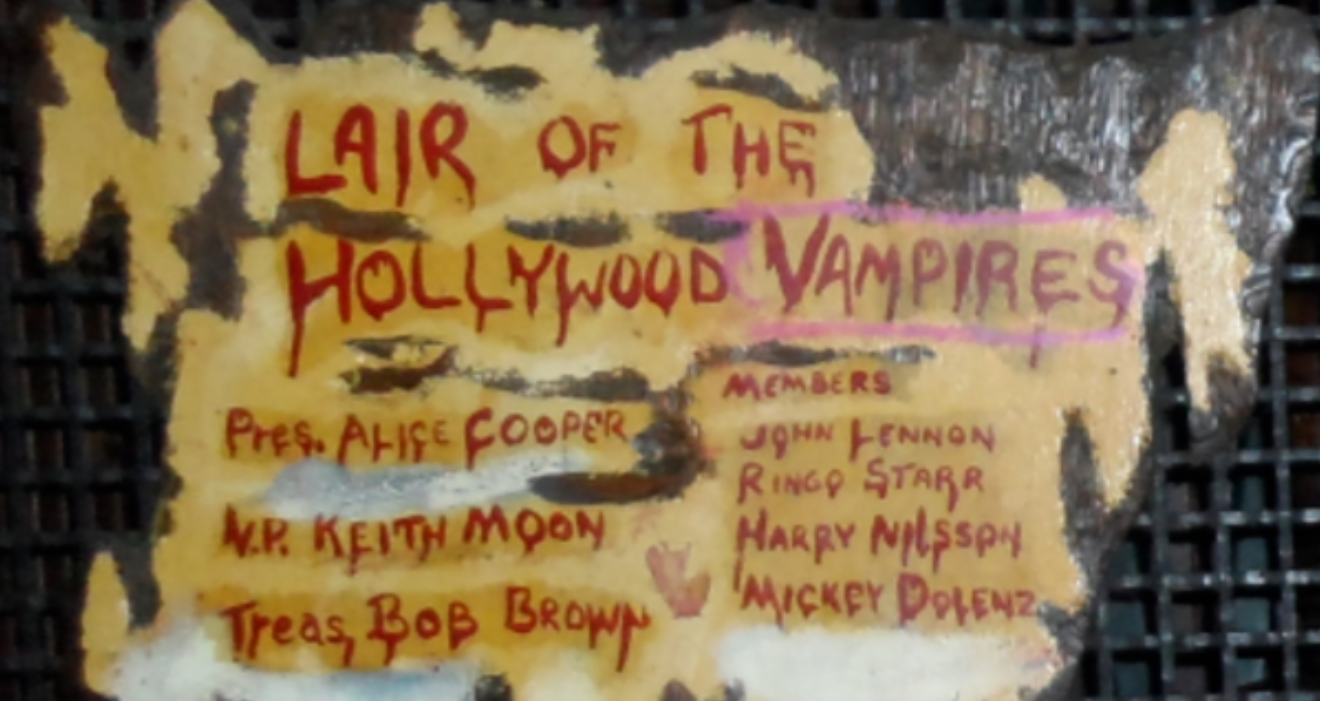
Not everything in the Laurel Canyon scene was mystical and rosy. By the ‘70s there was a darkness in the air around Southern California, making it the perfect breeding ground for the Hollywood Vampires, a drinking club that included the likes of Alice Cooper, Keith Moon, Ringo Starr, Micky Dolenz, Harry Nilsson, John Lennon, Marc Bolan, John Belushi, and a slew of party animals from across the pond. The Hollywood Vampires caroused throughout West Hollywood, but their main watering hole was The Rainbow, a place where rock n roll excess wasn’t the exception, it was the norm. The Hollywood Vampires were the beginning of the end of the Laurel Canyon scene as well as a symptom of a growing cynicism at the end of the 20th century.
Getty Images
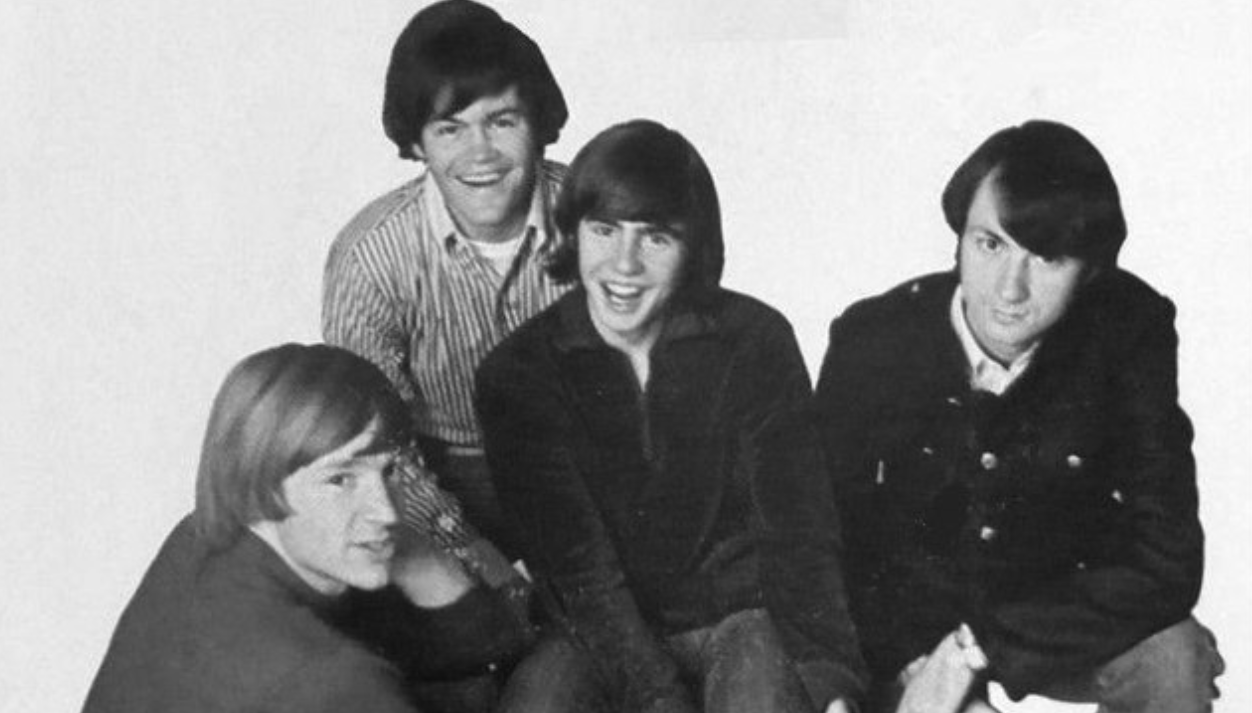
As much as we’ve been talking about the Laurel Canyon scene we haven’t really gotten into the actual sounds that came out of this very specific place and moment in time. Whether you’re more in the jangly rock of the era or the folk music that was produced right alongside of it, all of it more or less came from The Beatles. Basically, musicians like Stephen Stills, The Monkees, and even Joni Mitchell to some degree were taking their favorite pieces of the music created by the Lads from Liverpool and putting their spin on it. Director Andrew Slater said, “I think [it was] the California musicians trying to grab hold of the sound of the Beatles. It’s like light goes through a prism and comes out something else. And I think that was what was happening here with California. I think Roger [McGuinn] sees ‘A Hard Day’s Night.’ He sees George Harrison playing the 12-string guitar. He electrifies folk music. He does a version of ‘Bells of Rhymney.’ George Harrison hears ‘Bells of Rhymney.’ He writes ‘If I Needed Someone.’ That goes on Rubber Soul. Brian Wilson hears Rubber Soul and he writes Pet Sounds and The Beatles hear Pet Sounds and they write Sgt. Pepper and that really is the echo of people’s creativity bouncing between each other and then across to England.”
Getty Images
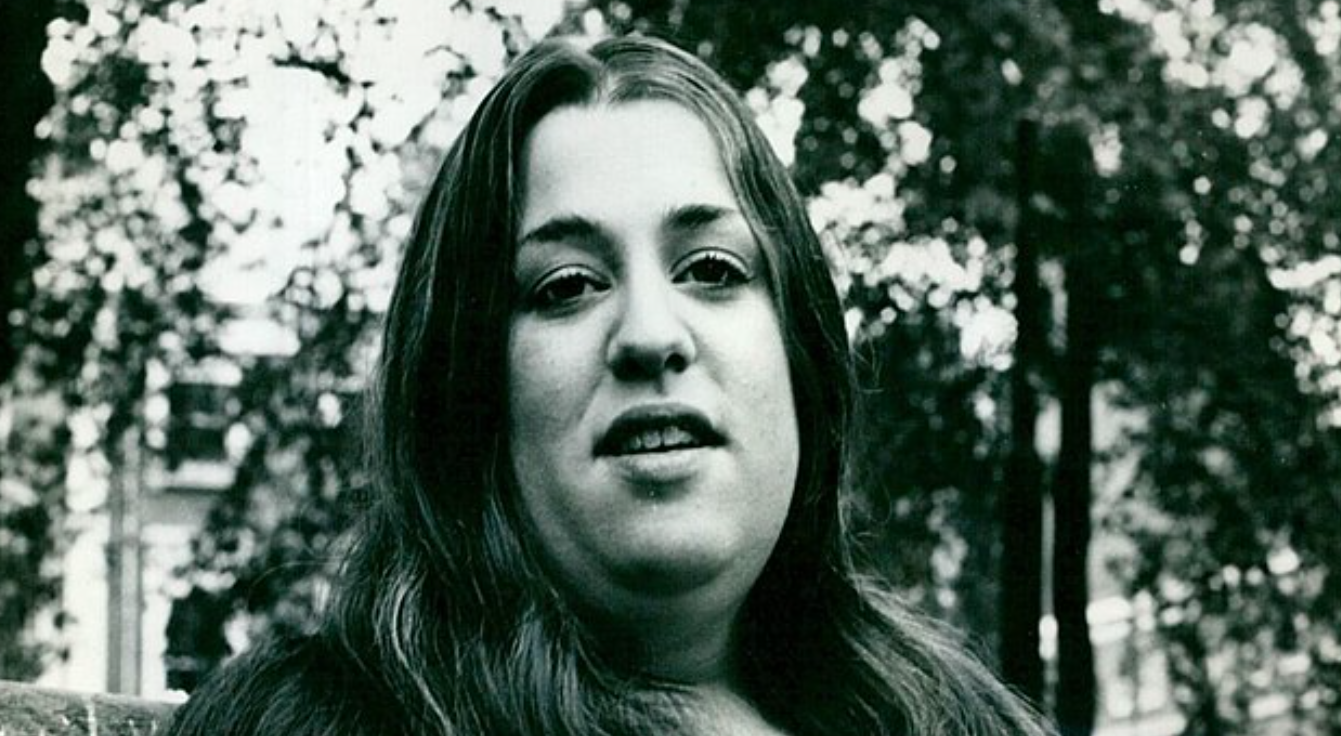
Mama Cass is the great uniter of the Laurel Canyon scene. Often described as the “Gertrude Stein” of her friend group, she often hosted parties of musicians and artists to her home where they could jam, hang out, and get to know one another. This wasn’t some secret industry thing, she openly promoted the concept. She even told Rolling Stone at the time, “My house is a very free house. It’s not a crash pad and people don’t come without calling. But on an afternoon, especially on weekends, I always get a lot of delicatessen food in because I know David [Crosby] is going to come over for a swim and things are going to happen.”
Getty Images
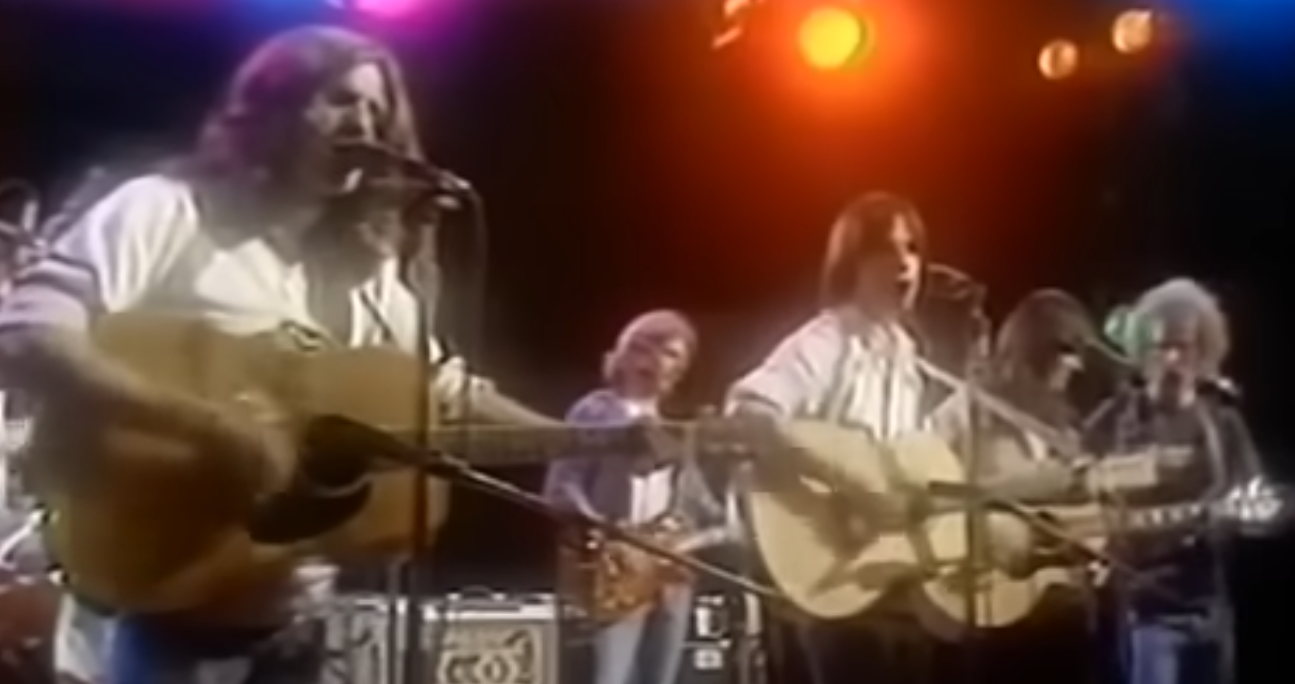
In a truly serendipitous turn of events, up-and-coming singer-songwriters Glenn Frey and Jackson Browne ended up living so close to one another in their apartments that they were able to listen in on the music that the other person was writing. Browne kindly referred to this (we’re guessing very annoying way of living) as an “amazing tribal life.” The coolest thing to come out of this occurred one day while Frey was lying on his bed and listening to Browne write “Take It Easy” in the basement apartment below him. Browne couldn’t figure out the tune and gave up in frustration. Frey liked the song so much that he ran downstairs to give Browne the line “It’s a girl, my Lord, in a flatbed Ford, slowin’ down to take a look at me.” And that is how one of the greatest songs of the 20th century was written.
Getty Images
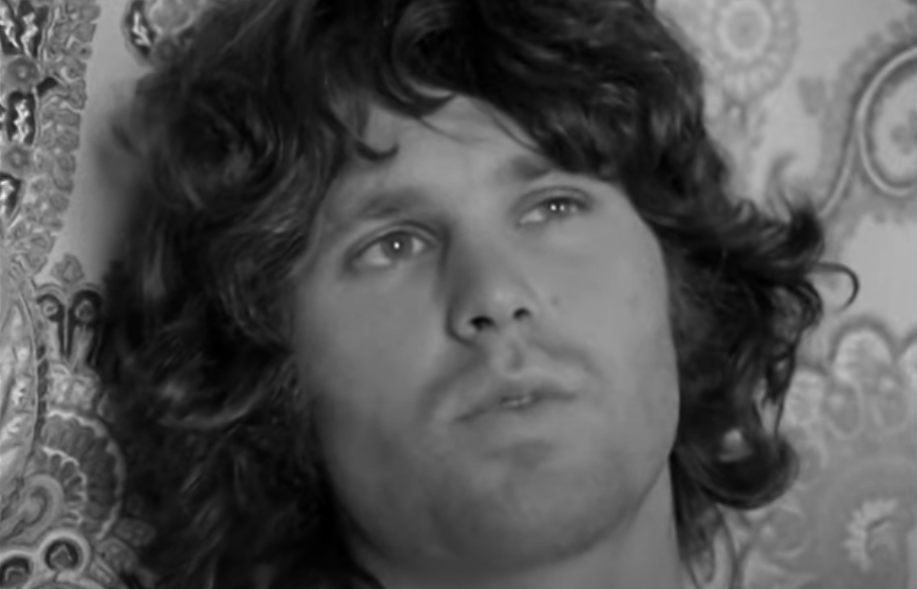
Jim Morrison of the Doors was an omnipresent figure in Laurel Canyon. Not only was he a darker presence than many of his contemporaries, but you were never going to mistake his voice for Davy Jones or Joni Mitchell. Morrison actually lived behind the famed Country Store with his girlfriend, Pamela Courson, in a small, dingy house. He supposedly wrote the song “Love Street” while sitting and watching the various scenesters walk in and out of the Country Store.
Getty Images
Glenn Frey was not a Los Angeles guy. Born and raised in Detroit, he was a hard-working young man built like a quarterback. When he moved to LA with designs on becoming a singer-songwriter it makes sense that he had his mind blown a little by his more adventurous contemporaries. He told Vanity Fair that on his first visit to Rothdell Trail in Laurel Canyon he had a real “we’re not in Kansas anymore” moment. Frey explained, “My very first day in California, I drove up La Cienega to Sunset Boulevard, turned right, drove to Laurel Canyon, and the first person I saw standing on the porch at the Canyon Store was David Crosby. He was dressed exactly the way he was on the second Byrds album—that cape, and the flat wide-brimmed hat. He was standing there like a statue. And the second day I was in California I met J.D. Souther.” After meeting Souther, Frey would enlist the singer-songwriter to help him pen songs like “Best of My Love,” “Heartache Tonight,” and “New Kid in Town” for The Eagles.

Getty Images
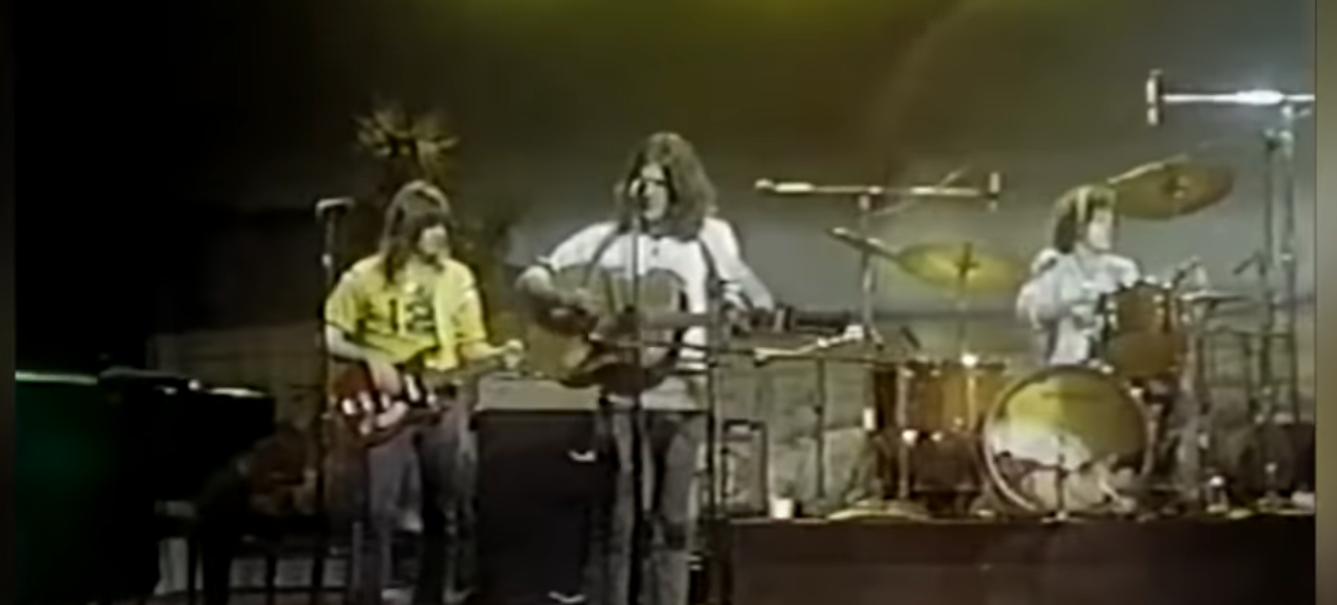
The thing about The Eagles is that they weren’t like a lot of the wispy, pseudo-hippies of the scene, they were dudes looking to have a good time. Once the Eagles had a little notoriety they started flaunting their success and being themselves a little more. Frey even hosted a Monday night poker game so he and the guys could play cards and watch football; apparently, the game was so fun even Joni Mitchell played. Frey said of the game, “In 1974, I moved to a place at the corner of Ridpath and Kirkwood in Laurel Canyon, and we had poker games every Monday night during football season. Notorious card games. Joni Mitchell got wind of those card games, and she always was a good hang, so she started coming every Monday night and playing cards with us. We’d watch football from six to nine and then play cards until the wee hours. They called our house the Kirkwood casino.”
Getty Images
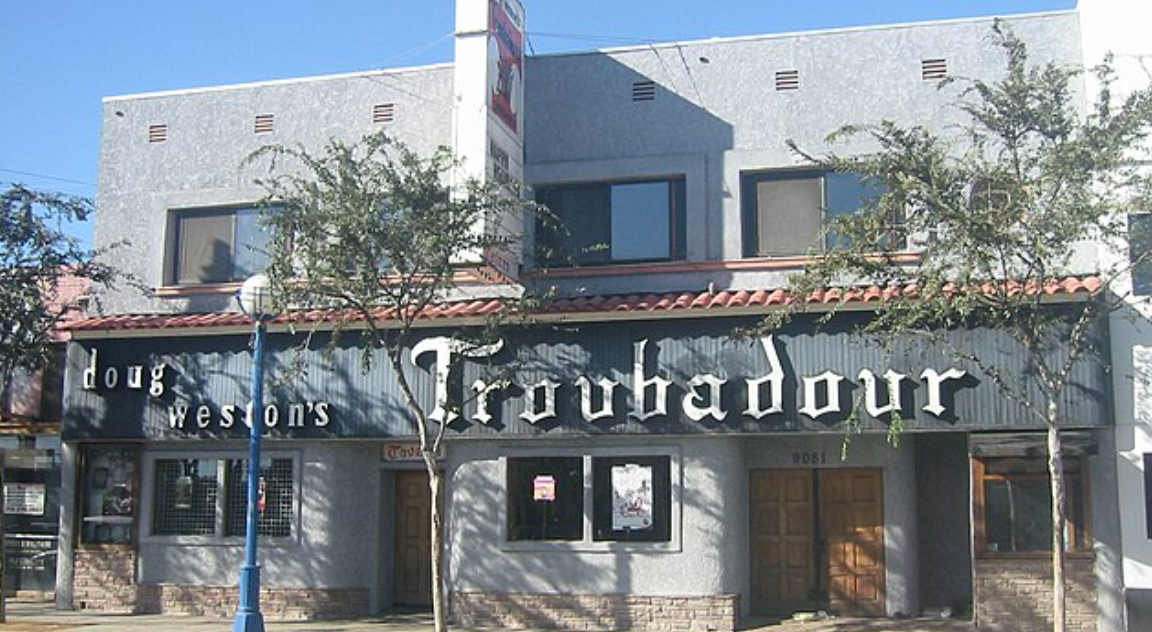
The main club where everyone from the Canyon scene hung out was Doug Weston’s Troubadour on the Sunset Strip. This was the place to try out new songs, hear great live music, and get a killer drink. The best part about it? You can walk there from Laurel Canyon. Photographer Henry Diltz said, “It was like the clubhouse. It was a place you would go and all your friends would be there. You knew all the groups that were playing, you had affairs with the waitresses, and Harry Dean Stanton would be sitting at the bar.”
Getty Images
The Laurel Canyon era came to an end in the early ‘70s, even if some artists tried to extend the party for a few years. By the time the Eagles were an international touring success and the Doors had imploded following the death of Jim Morrison, the love fest that was Laurel Canyon was over. There’s no need to mourn the passing of this moment in time, it’s just what happens with scenes. As Jackson Browne says, “Places become a focal point for breaking out of convention. What was happening in Laurel Canyon was the universe cracking open and revealing its secrets. It was just about a time, a creative awakening.”
Getty Images