
The hippie movement was characterized by a vibrant array of free spirits who challenged societal norms. Prominent figures like Janis Joplin and Grace Slick became synonymous with the counterculture, using their music to express themes of peace and love.
Influential activists such as Abbie Hoffman and Angela Davis advocated for social change, often through provocative protests and demonstrations.

Getty Images
The movement’s visual aesthetic was shaped by artists like Peter Max, whose colorful designs captured the essence of the era.

Getty Images
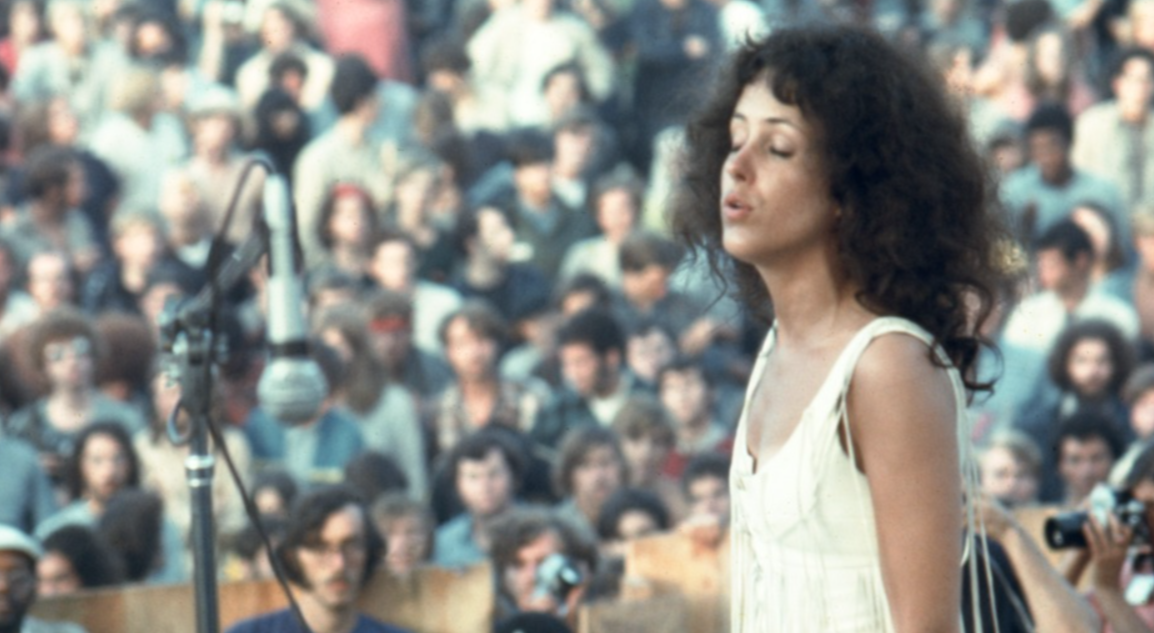
Women like Joan Baez and Linda Ronstadt emerged as powerful voices, using their platforms to promote civil rights and anti-war sentiments.

Getty Images
The Summer of Love in nineteen sixty-seven drew thousands to San Francisco, creating a cultural phenomenon centered around communal living and artistic expression.

Getty Images
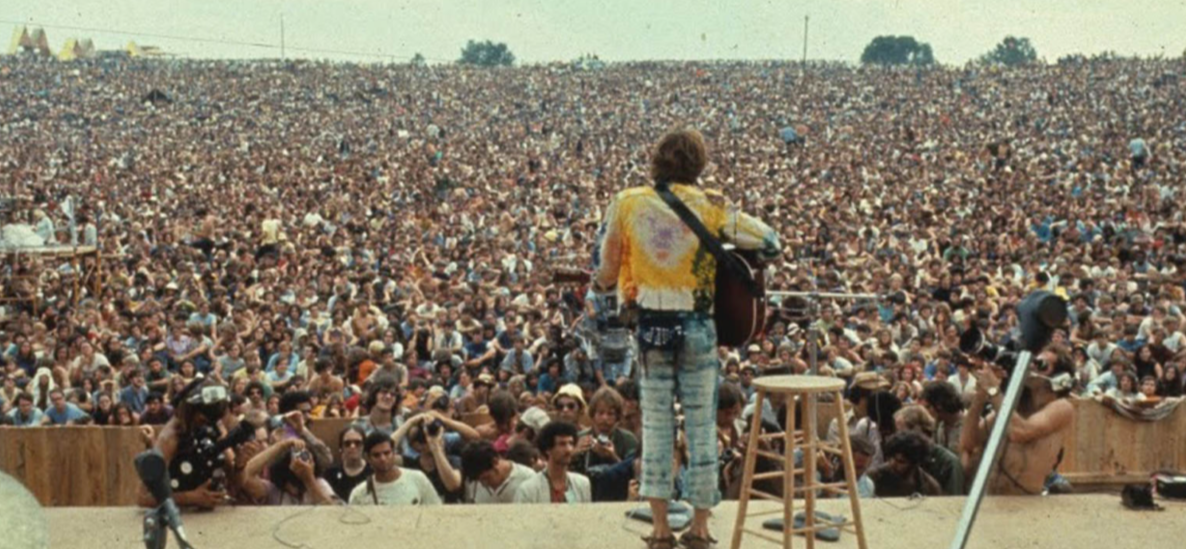
Festivals like Woodstock became iconic gatherings, symbolizing the unity and spirit of the movement.
Getty Images
The hippie ethos of environmentalism was championed by figures such as Rachel Carson, whose work raised awareness about ecological issues.

Getty Images
Fashion during this time embraced vibrant colors and eclectic styles, with bell-bottoms and tie-dye becoming staples.
Getty Images
The legacy of these free-spirited women continues to influence contemporary culture, reminding us of the power of individuality and collective action.

Getty Images