
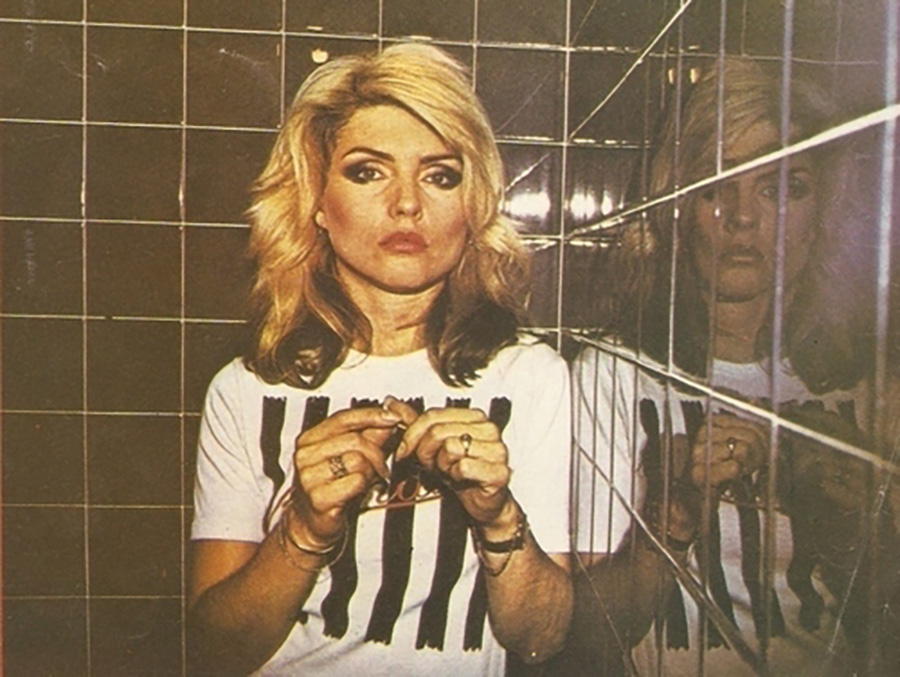
The 1970s were a transformative era for rock music, with women stepping to the forefront to break barriers and redefine the genre. These artists weren’t just talented musicians—they were trailblazers who brought unique perspectives to the male-dominated world of rock. With their bold voices, electrifying performances, and uncompromising artistry, they paved the way for future generations. Let’s revisit the women of ’70s rock who didn’t just play the game—they changed it entirely.
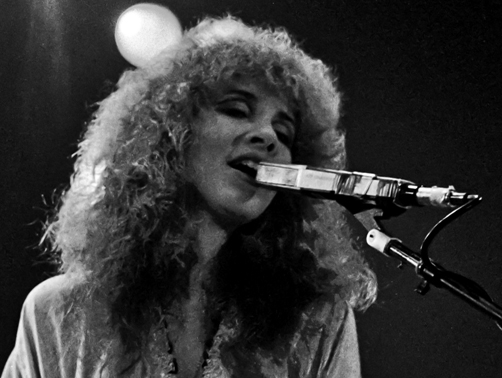
With her mystical persona and haunting voice, Stevie Nicks became the heart and soul of Fleetwood Mac. Songs like “Rhiannon” and “Dreams” showcased her poetic songwriting and ethereal style, blending rock with a touch of the otherworldly. Nicks was more than a frontwoman—she was a cultural icon, influencing fashion and attitudes throughout the decade. Her ability to channel heartbreak and resilience into her music made her a beacon for fans navigating their own emotional journeys. Whether twirling in her signature shawls or delivering unforgettable live performances, Nicks left an indelible mark on ’70s rock.
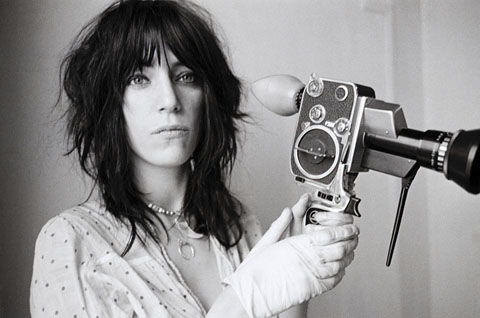
Dubbed the “punk poet laureate,” Patti Smith brought intellectualism and raw energy to the burgeoning punk scene. Her debut album, Horses, blended poetry, rock, and rebellion, with tracks like “Gloria” redefining what a rock song could be. Smith’s androgynous style and unfiltered lyrics shattered traditional norms for female artists, inspiring countless musicians to embrace authenticity. Her influence extended beyond music, as she became a voice for countercultural movements and artistic freedom. Smith wasn’t just a performer—she was a revolution in motion.

As the driving force behind Heart, Ann and Nancy Wilson combined powerhouse vocals with killer guitar riffs to create timeless hits like “Barracuda” and “Magic Man.” The sisters shattered stereotypes about women in rock, proving they could command the stage with the same intensity as their male counterparts. Ann’s soaring voice and Nancy’s blistering guitar solos made them a dynamic duo, influencing a generation of female rockers. Heart’s blend of hard rock and emotional ballads ensured their place in rock history as pioneers who refused to be boxed in.
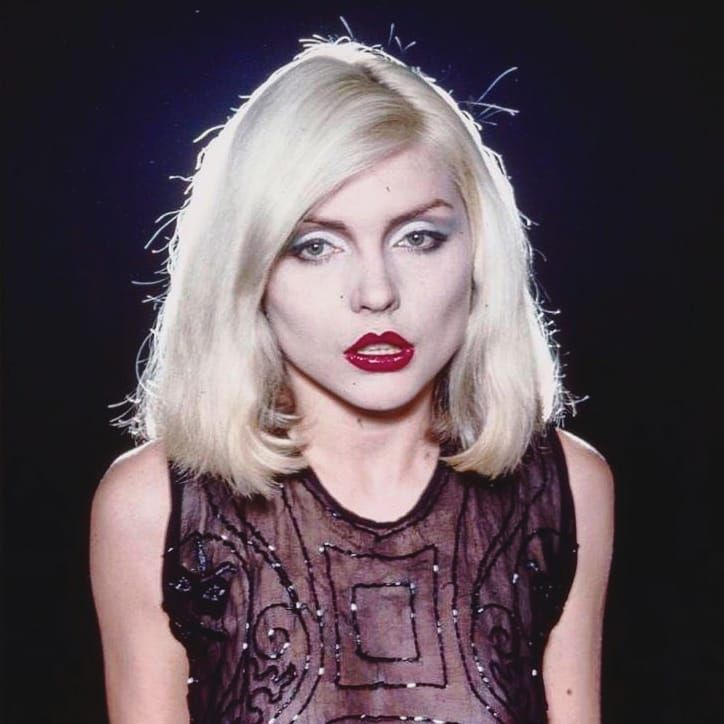
While Blondie’s sound spanned punk, disco, and new wave, Debbie Harry’s influence on rock in the ’70s was undeniable. With her platinum hair and fearless attitude, Harry was both glamorous and gritty, bringing an edge to hits like “One Way or Another” and “Heart of Glass.” Her ability to seamlessly switch between genres broke down barriers, showing that rock could be anything but predictable. Harry’s magnetic stage presence and boundary-pushing artistry made her a style icon and a symbol of empowerment for women in music.
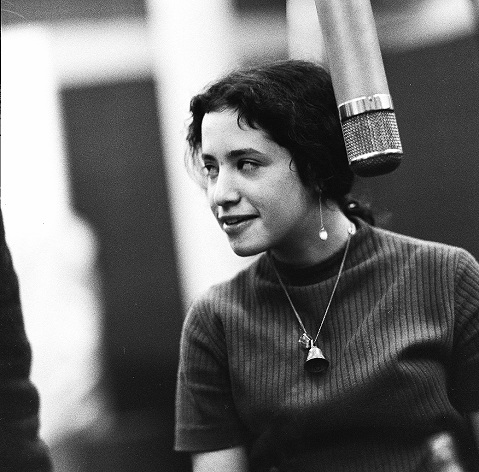
Known for her poignant lyrics and emotive voice, Janis Ian brought a folk-rock sensibility to the ’70s with songs like “At Seventeen.” While not a traditional rocker, Ian’s introspective storytelling and willingness to tackle taboo subjects resonated deeply with audiences. Her work challenged societal expectations and gave a voice to those who felt unseen. Ian’s impact on the music world may have been quieter than some of her contemporaries, but her influence on confessional songwriting is still felt today.
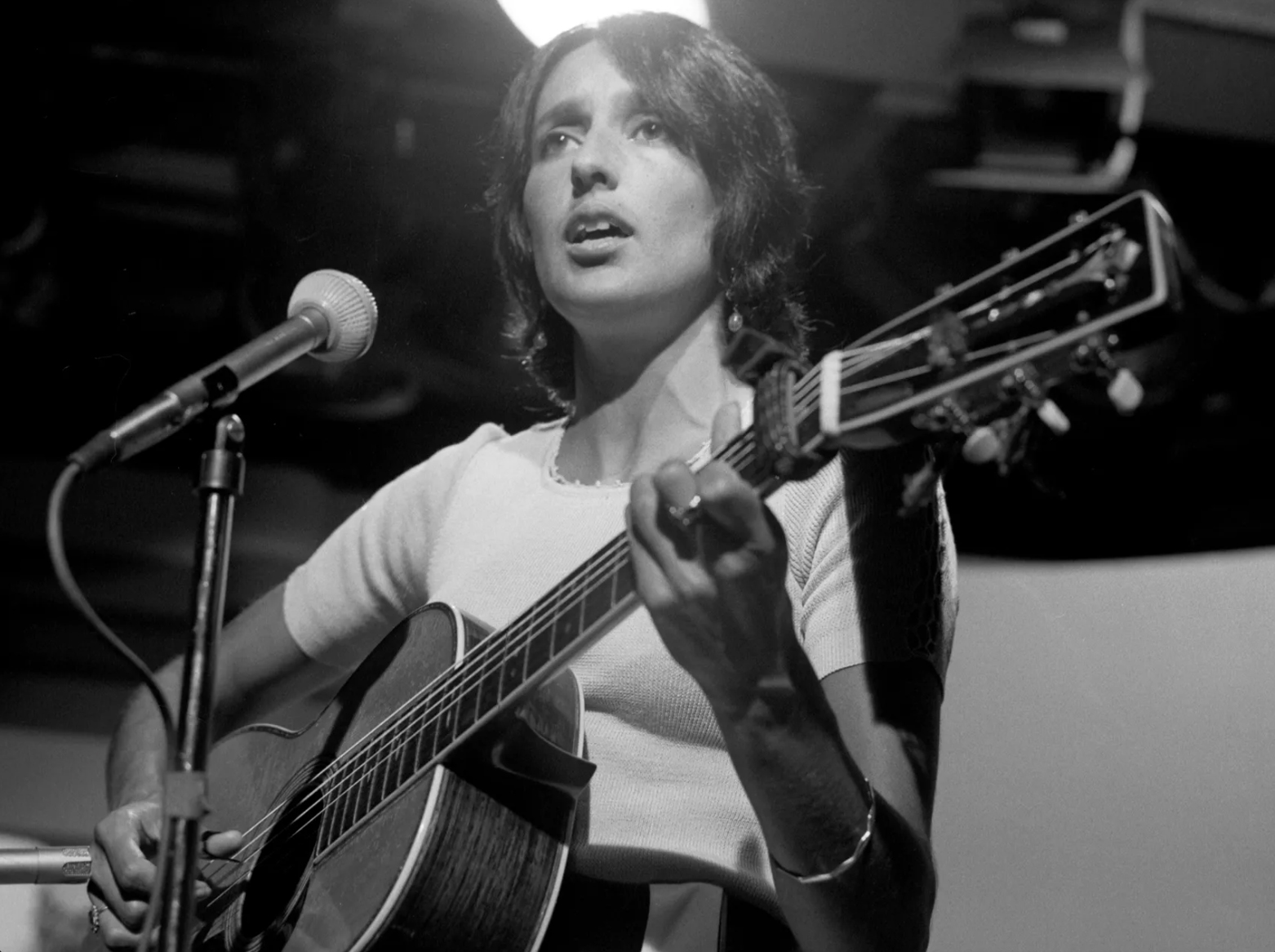
While Joan Baez’s career began in the folk movement, her transition into rock in the ’70s marked a new chapter. Collaborating with Bob Dylan and covering songs like The Band’s “The Night They Drove Old Dixie Down,” Baez brought her crystal-clear voice and political activism into the rock arena. Her performances at events like Woodstock and anti-war rallies solidified her reputation as an artist who used music as a tool for change. Baez’s ability to merge activism with artistry made her a unique force in ’70s rock.
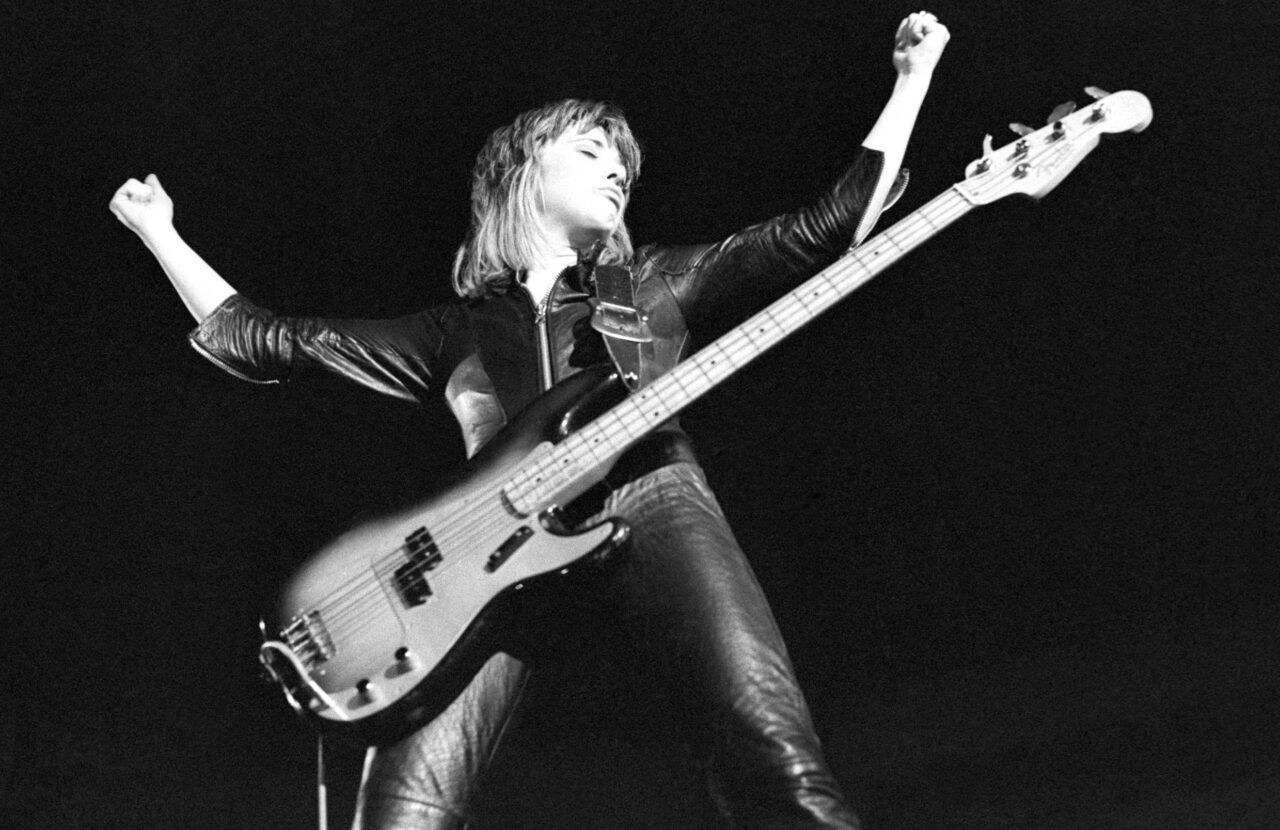
Suzi Quatro was a leather-clad trailblazer who rocked harder than most of her male peers. Known for hits like “Can the Can” and “Devil Gate Drive,” Quatro combined glam rock flair with raw power. Her bass-playing skills and no-nonsense attitude made her a standout in an era when women were still rare in hard rock bands. As one of the first women to break into the male-dominated world of rock ’n’ roll, Quatro paved the way for countless female musicians who came after her.
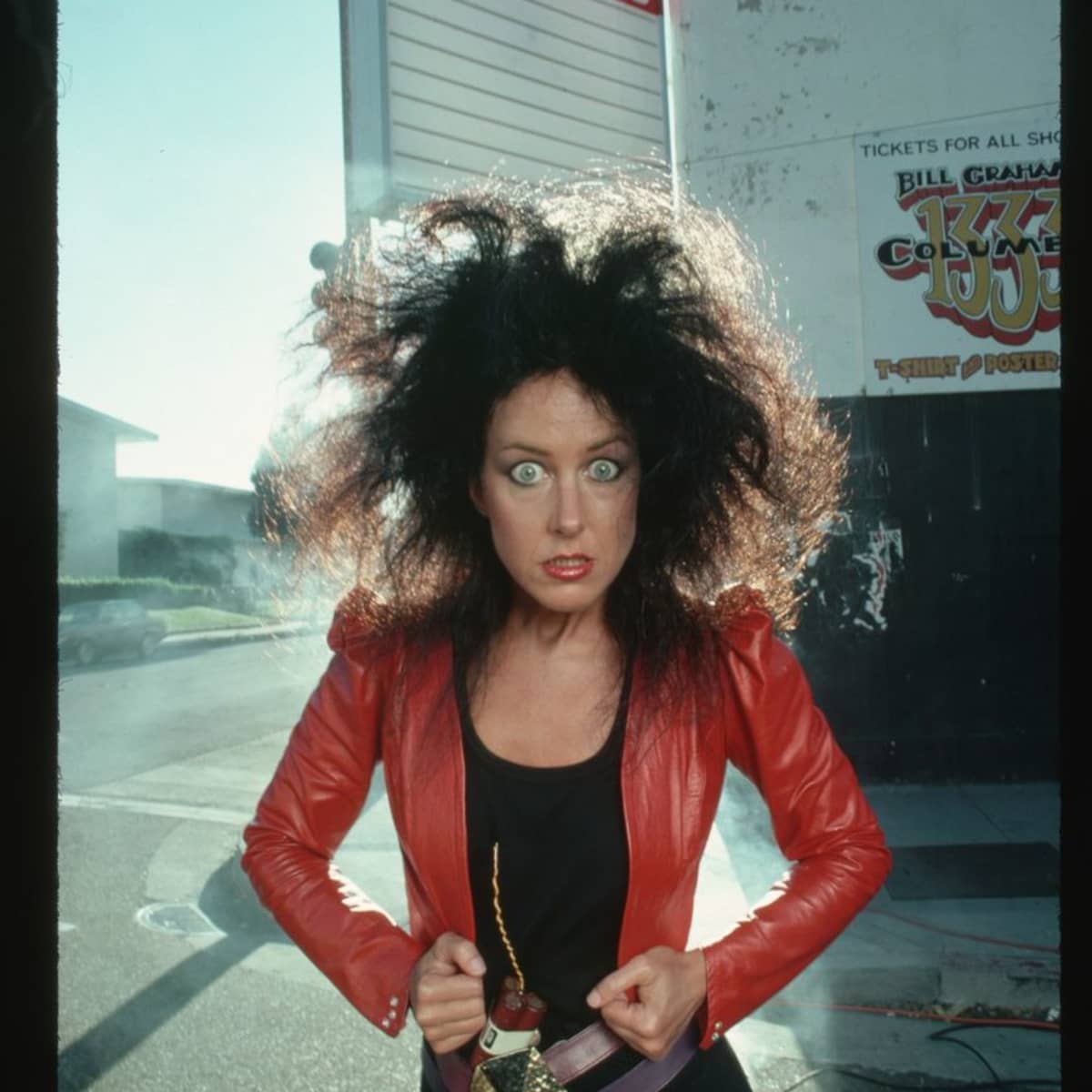
Grace Slick’s haunting voice and commanding stage presence made her one of the most recognizable figures of the ’70s rock scene. Hits like “Somebody to Love” and “White Rabbit” showcased her ability to blend psychedelic rock with biting social commentary. As a member of Jefferson Airplane (later Jefferson Starship), Slick brought an edge to the counterculture movement, proving that women could be just as provocative and powerful as their male counterparts. Her fearless approach to music and life cemented her status as a rock legend.
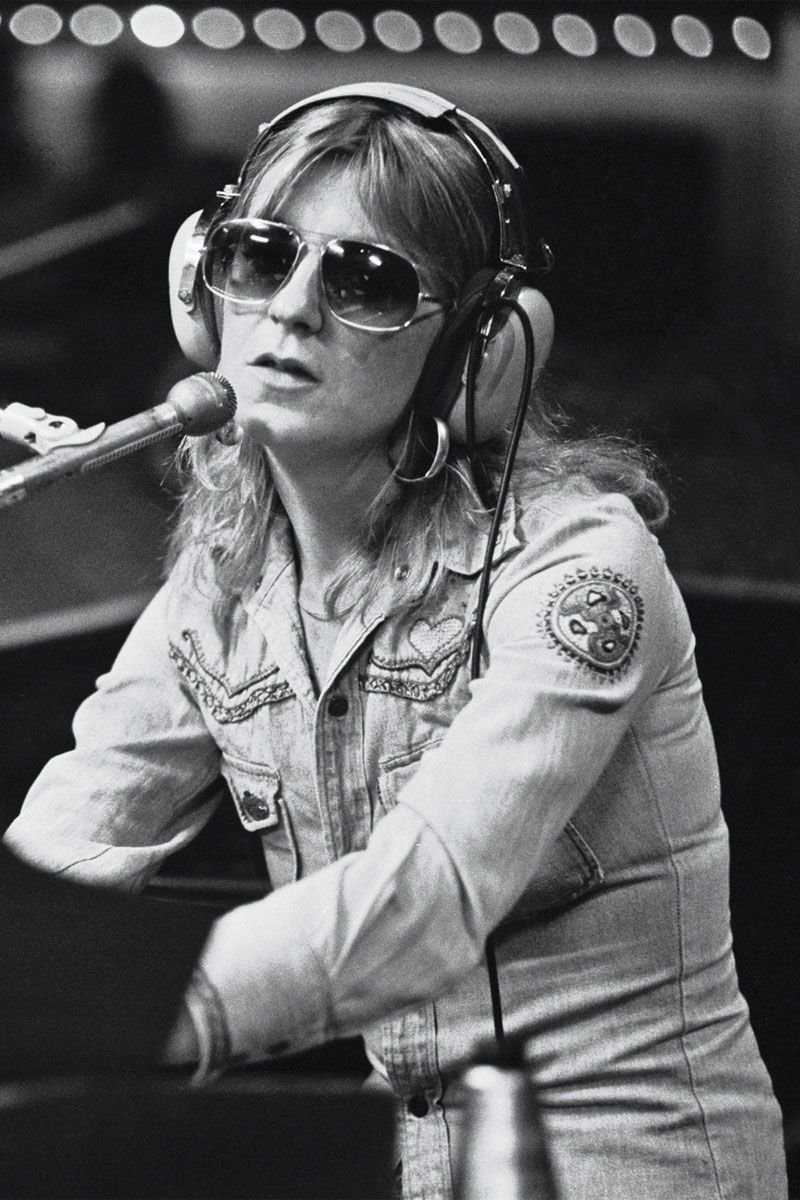
Often overshadowed by Stevie Nicks, Christine McVie was the quiet powerhouse behind Fleetwood Mac’s success. Her smooth, soulful voice and masterful keyboard skills brought a sense of balance to the band. Tracks like “Songbird” and “Don’t Stop” showcased her ability to craft timeless melodies that resonated with fans. McVie’s understated elegance and songwriting talent made her an essential part of Fleetwood Mac’s magic, proving that sometimes the quietest voices speak the loudest.

While Joni Mitchell is often associated with folk, her albums in the ’70s—such as Court and Spark and Hejira—explored rock, jazz, and experimental sounds. Mitchell’s poetic lyrics and innovative compositions set her apart as one of the era’s most influential artists. Songs like “Free Man in Paris” and “Raised on Robbery” blended personal storytelling with broader cultural critiques, showcasing her versatility. Mitchell’s willingness to push boundaries and defy categorization made her a true pioneer, inspiring countless artists across genres.