
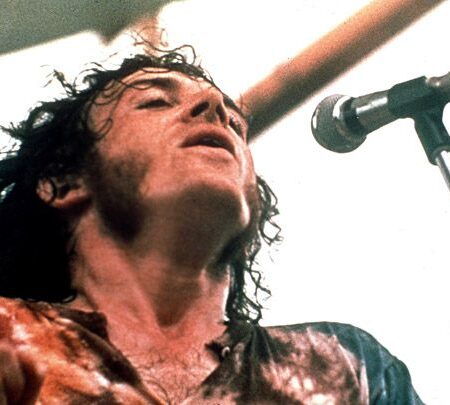

Woodstock wasn’t just a music festival; it was a cultural phenomenon that defined a generation. Held in August 1969 on a dairy farm in Bethel, New York, Woodstock brought together nearly half a million people for three days of peace, love, and legendary performances.
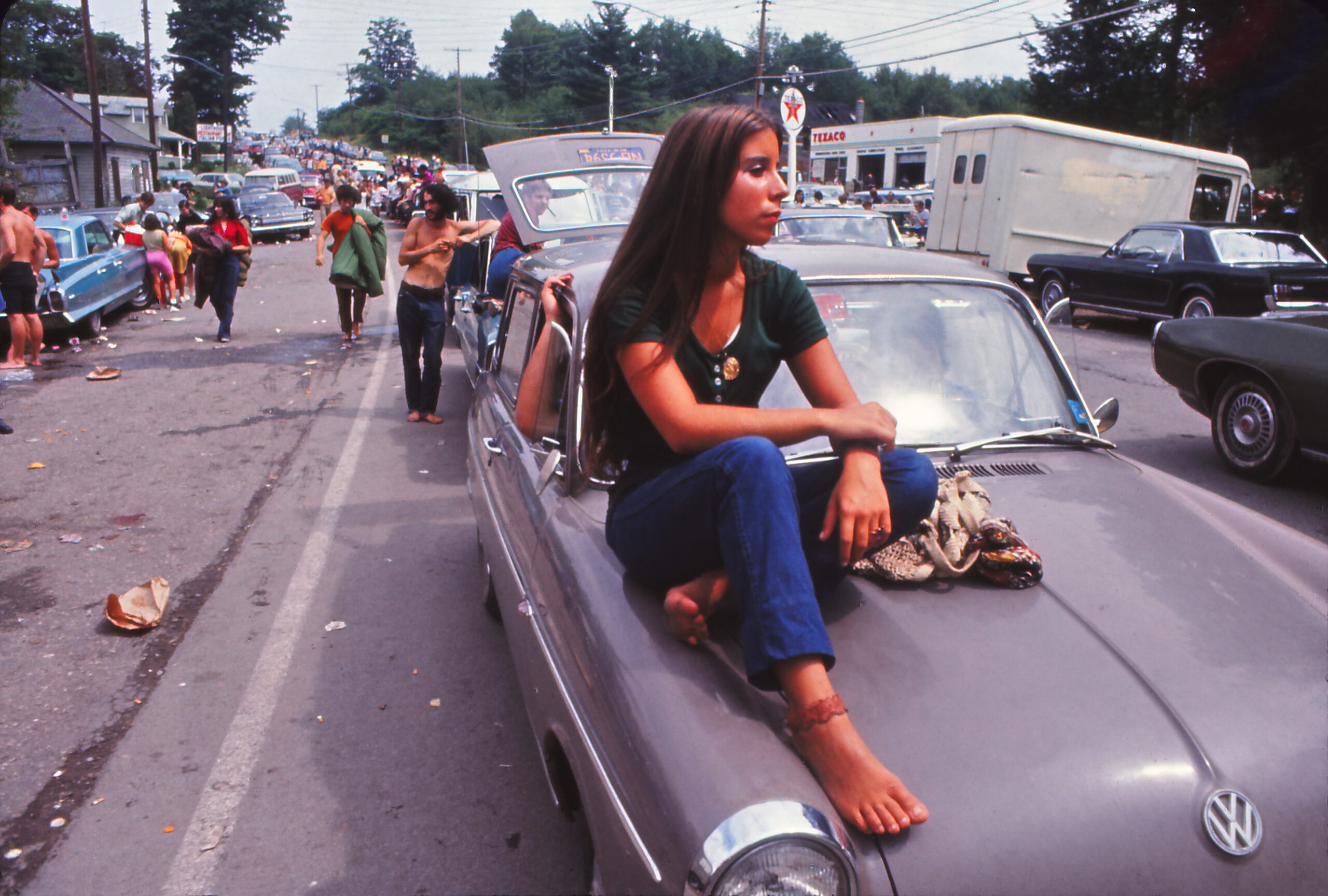
Despite the mud, food shortages, and logistical chaos, Woodstock became a symbol of the counterculture movement, embodying the ideals of freedom and expression. This gallery revisits some of the most unforgettable moments and behind-the-scenes stories that made Woodstock a once-in-a-lifetime experience.
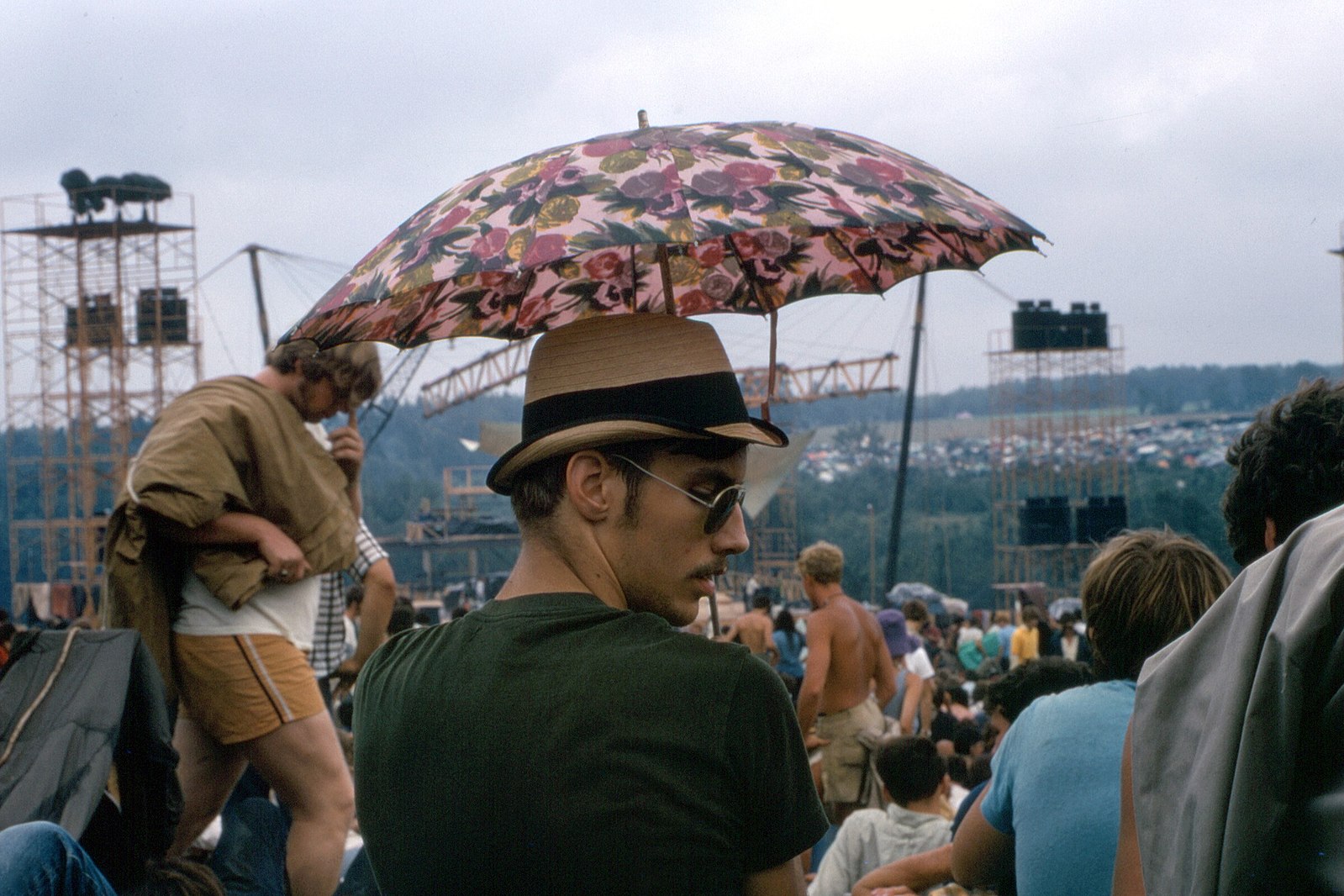
Originally planned as a modest music festival, Woodstock quickly spiraled out of control and into something much bigger. Organizers Michael Lang, Artie Kornfeld, Joel Rosenman, and John Roberts envisioned an event that would draw around 50,000 attendees. That’s not what happened. The group underestimated the power of music to draw people from across the country, and ultimately they drew a crowd far beyond what anyone anticipated. This unexpected turnout not only created logistical challenges but also set the stage for an iconic event that would stand as a touchstone of the era’s cultural revolution.
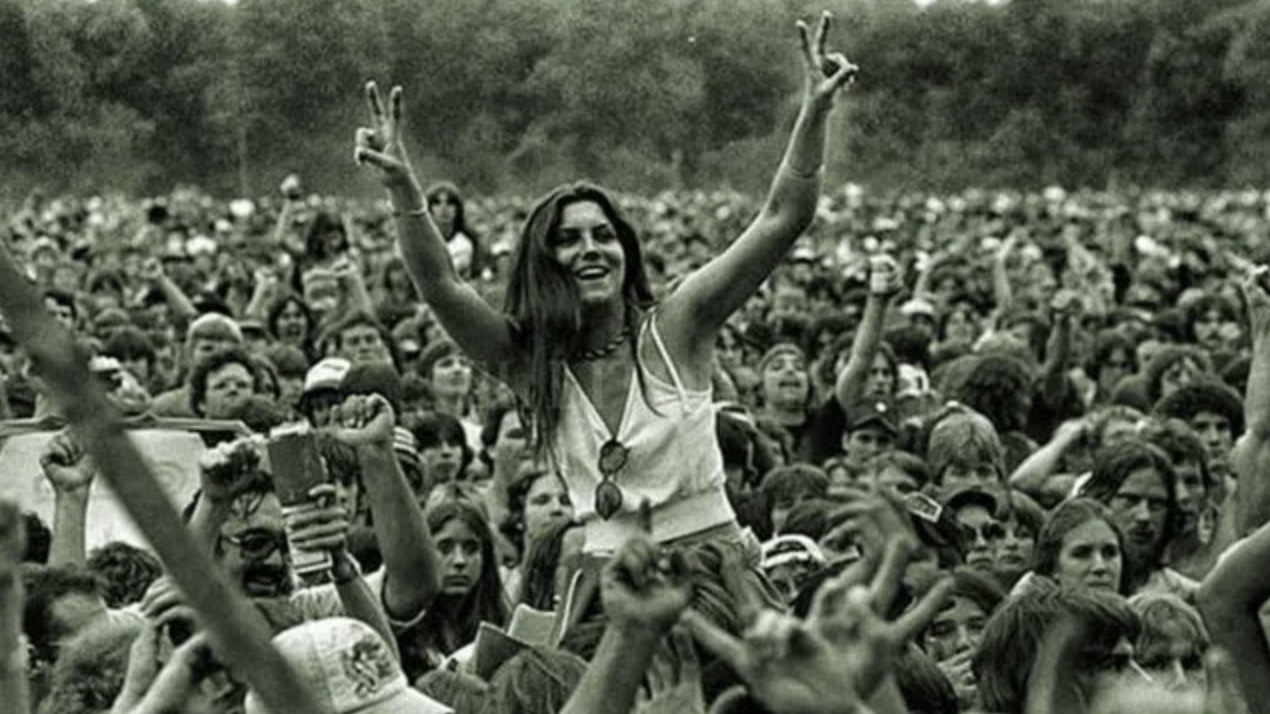
Local opposition kept the Woodstock festival out of Wallkill, New York, forcing the organizers to find a new location at the last minute. Enter Max Yasgur, a dairy farmer who offered up his 600-acre farm in Bethel to the promoters. His farm would become hallowed ground for music lovers and peace activists alike, forever enshrined in the history of the counterculture movement.
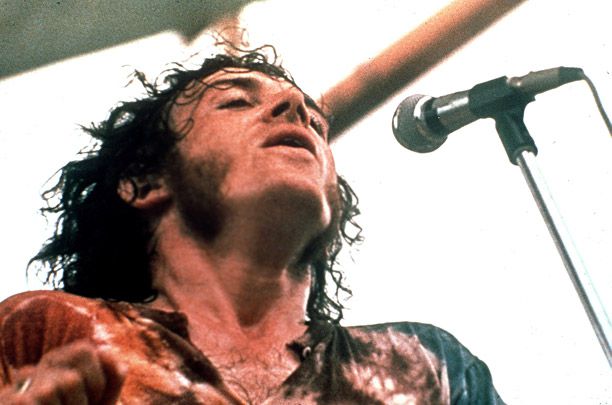
Woodstock saw some of the most unforgettable performances in music history. Jimi Hendrix’s rendition of “The Star-Spangled Banner” became an anthem for a generation disillusioned by the Vietnam War. Janis Joplin, The Who, and Santana all delivered raw, electric performances cementing their places in rock history. Each artist brought something unique, contributing to the diverse, free-spirited atmosphere of this muddy little festival that wasn’t so little by the end of the first day.

As heavy rains turned the festival grounds into a mud pit, Woodstock attendees embraced the chaos, dancing barefoot and giving themselves over to the mud. This display of uninhibited joy and community became one of the festival’s defining images. Rather than dampening spirits, the inclement weather and filthy conditions brought people closer together than they ever could have expected.
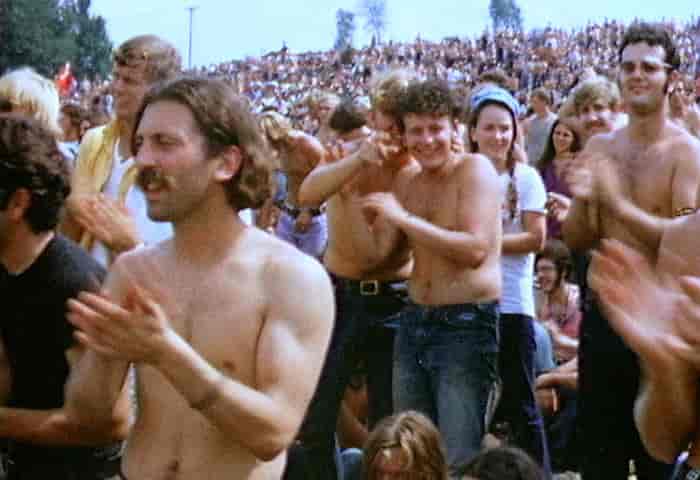
The crowd at Woodstock faced long lines, food shortages, and overcrowded conditions, yet a spirit of generosity and sharing prevailed. Attendees shared food, shelter, and supplies, creating a makeshift community based on the festival’s ethos of peace and love. Volunteers distributed free food, medical care, and even clothing, embodying the sense of unity that the era cherished.

One of the most striking aspects of Woodstock was that the music continued, rain or shine. Performers braved downpours, technical difficulties, and limited sleep to deliver epic performances. The Grateful Dead powered through despite malfunctioning equipment, while Crosby, Stills, Nash & Young made their debut as a band on stage. Each set proved that music is a force for change and healing.

With an overwhelming crowd and little preparation, Woodstock needed all hands on deck. Doctors, nurses, and volunteers (honestly at the first Woodstock festival pretty much everyone but the bands were volunteers) worked around the clock to handle everything from dehydration and minor injuries to more serious medical issues. The Hog Farm commune, led by Wavy Gravy, provided food and a “please force,” assisting with crowd management and offering a laid-back yet effective form of security. Their efforts helped keep Woodstock safe, even amid the unpredictable circumstances.

While some news outlets painted Woodstock as a “disaster,” others celebrated it as a groundbreaking cultural event. Coverage varied widely, with reports of drug use and overcrowding mixing with awe at the festival’s unprecedented scale and the peaceful behavior of its attendees. Woodstock’s legacy would ultimately be shaped by both its supporters and detractors, but its impact on popular culture was undeniable.
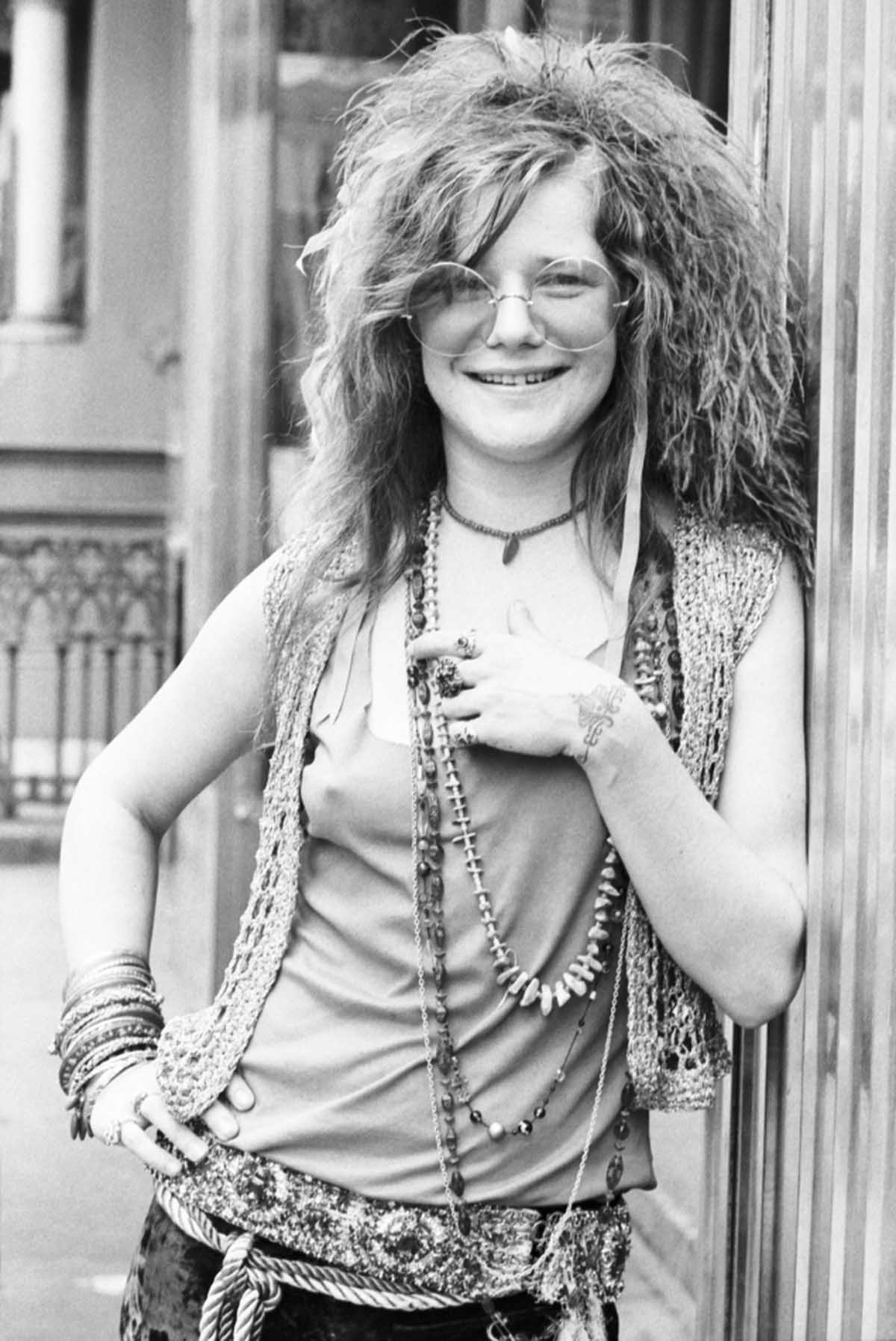
While Woodstock was about music, it also carried political weight. It took place in the shadow of the Vietnam War and rising social tensions, becoming a platform for anti-war sentiments and ideals of peace. The festival’s harmonious vibe was a stark contrast to the violence and upheaval of the era, reinforcing a message of hope that resonated deeply with the young generation.

Woodstock became more than a music festival; it became a cultural milestone. Its spirit of peace, love, and unity is still something that we look to in terms of art, music, and activism. The event inspired later festivals, brands, and live events, but nothing would quite capture the raw energy and idealism of Woodstock. More than fifty years later, it remains a powerful symbol of the 1960s, its ideals, and its vision of a more compassionate world.