

The toys of the 20th century were creative, memorable, and often came with a side of risk. Back before regulations tightened, toy companies often released playthings that would make today’s parents shake their heads. These toys weren’t just slightly dangerous; some were downright hazardous, while others just didn’t age well in terms of what they taught kids. Here’s a look back at ten toys that bring nostalgia, a few laughs, and a reminder that not everything from childhood deserves a comeback.

Lawn darts, or “Jarts” if you prefer (we don’t), were a popular outdoor game involving large, metal-tipped darts thrown across the yard at a plastic hoop target. The concept sounds simple enough, but these darts had heavy, pointed ends that could (and did) cause serious injury. It was supposed to be a family-friendly pastime, but there were numerous reports of accidents, including some severe injuries and even fatalities. After years of popularity and a string of injuries, they were eventually banned in the late 80s.
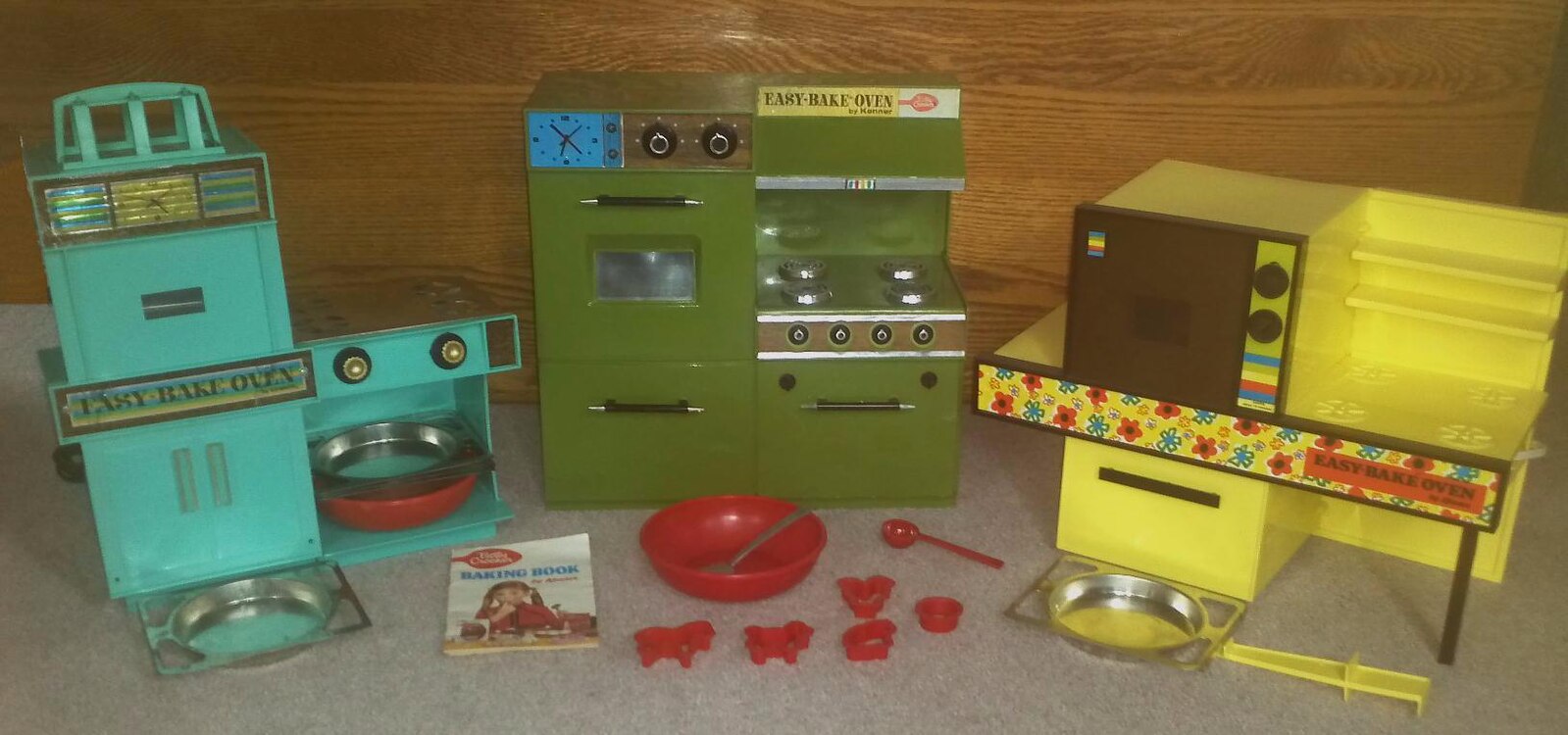
The original Easy-Bake Oven, first released in 1963, was revolutionary for letting kids feel like mini chefs. It featured a real incandescent bulb that could reach up to 350 degrees, turning a tiny tray of mix into a baked treat. But as fun as it was, the hot bulb and metal interior posed a serious burn risk, and many kids learned the hard way to be careful with their fingers. Despite these risks, the Easy-Bake Oven remained a huge hit. Later versions improved on safety, but there’s something tantalizing about the early days with no regulation.

Clackers were a simple but surprisingly dangerous toy that consisted of two hard acrylic balls connected by a string. The goal was to swing them in a way that made the balls clack together rhythmically. When mastered, it looked impressive — but for many kids, the clackers ended up shattering on impact, sending shards of plastic flying. Bruises, cuts, and even eye injuries were common, but that didn’t stop Clackers from being a massive hit in the 60s and 70s.
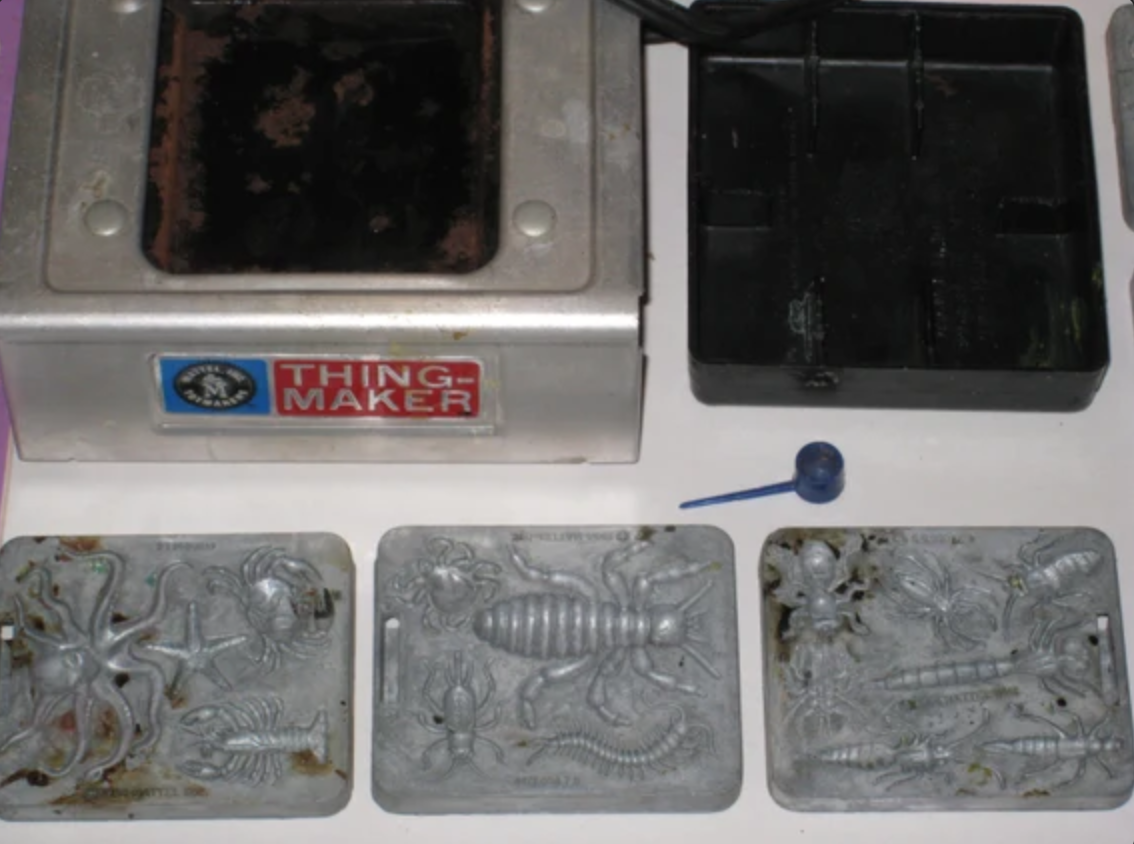
The original Creepy Crawlers set allowed kids to create their own rubbery “insects” by pouring liquid plastic onto metal molds and cooking them on a hotplate. It was a fun way to feel like a mad scientist, but the process was not exactly child-safe. The hotplate could reach over 300 degrees(!), making burns a common issue, and the fumes from heating the liquid plastic weren’t exactly healthy to breathe in.

Miniature crossbows and BB guns were popular in the 20th century, giving kids a “safe” way to play with projectile toys. In reality, they were anything but safe — these mini weapons could cause real harm, with BBs able to break glass or injure eyes. Many parents found themselves patching up walls and windows thanks to these toys, and countless kids learned firsthand that “toy” didn’t necessarily mean harmless. Today, these kinds of toys are much more regulated, and the idea of giving a child a miniature crossbow seems laughable — but for Boomers and Gen X, they were standard playtime.
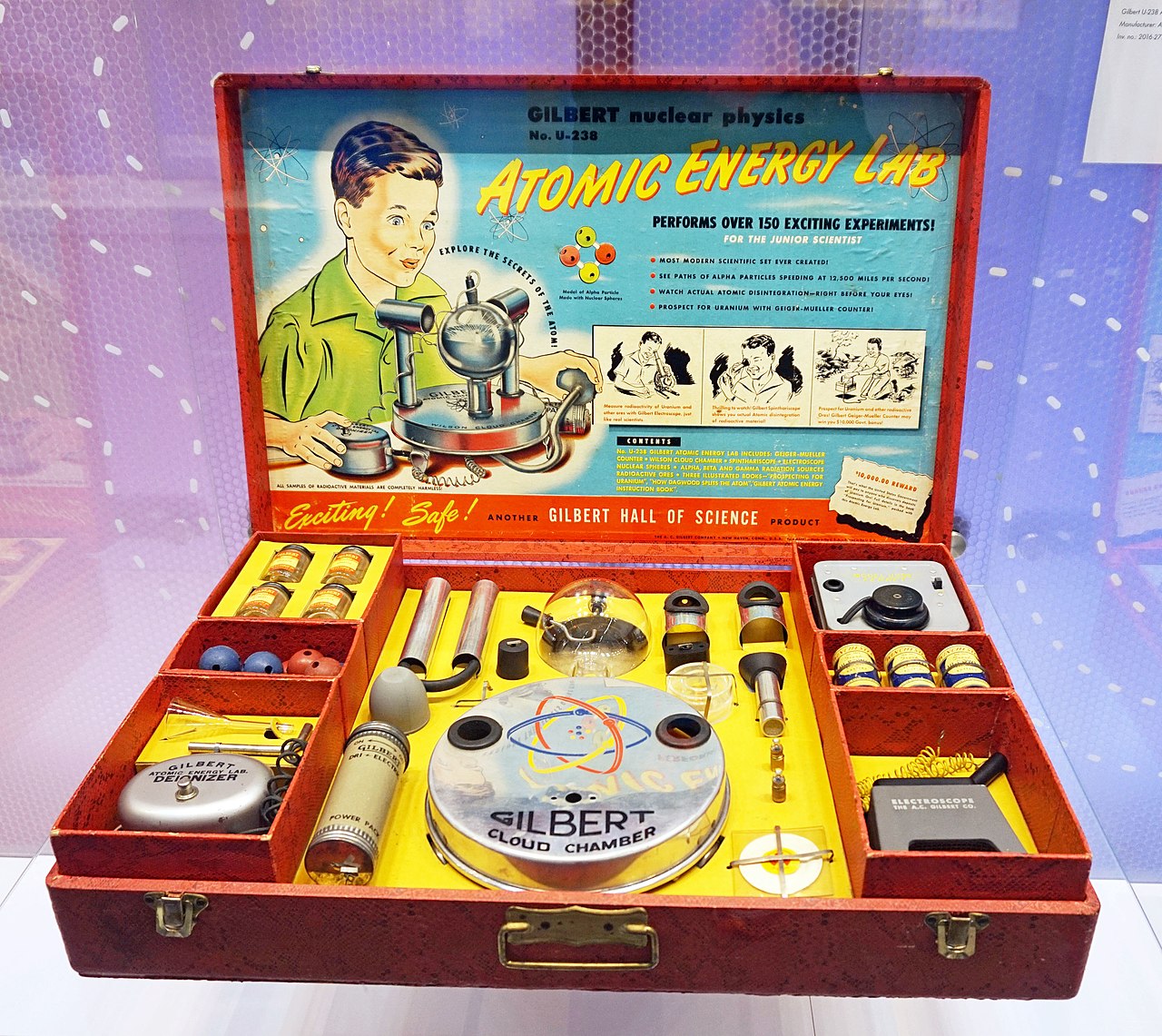
This toy science kit, released in the 1950s, was no ordinary chemistry set — it included actual samples of uranium. Yes, radioactive uranium, complete with a Geiger counter to measure radioactivity. It was intended to educate kids about atomic science, but today the concept feels downright absurd. While the radiation levels were low, the toy was quickly pulled from shelves due to safety concerns. The Atomic Energy Lab has since become a bizarre piece of toy history, remembered as a time when “science fun” took on a very different meaning.
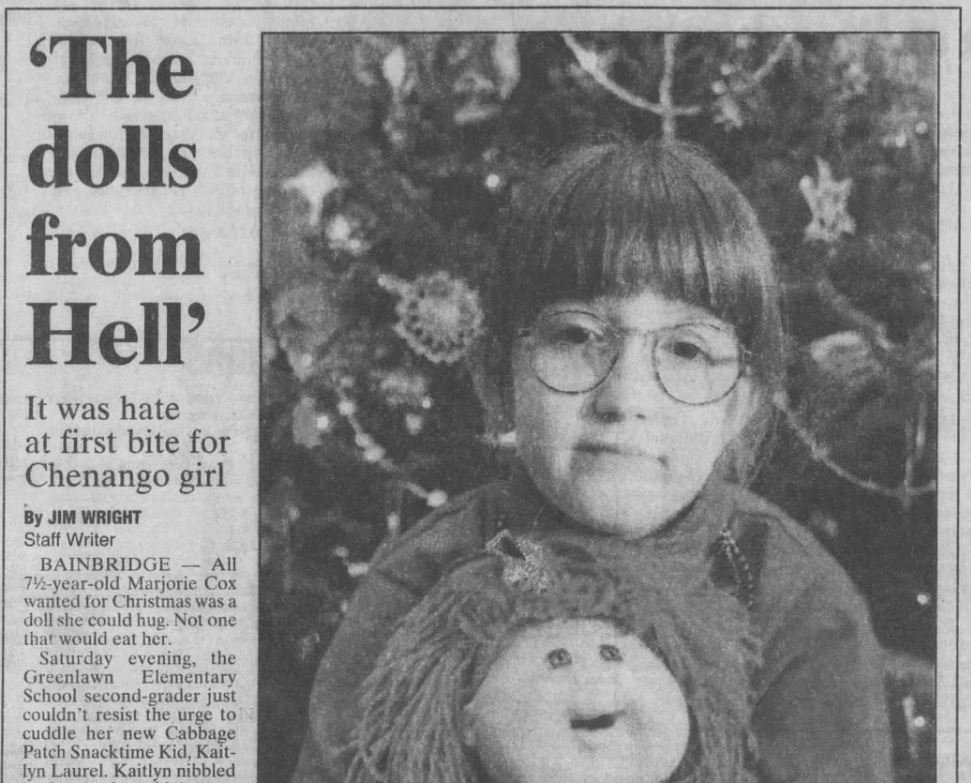
This was no ordinary doll; the Snacktime Kid could “eat” small plastic foods that would disappear into its mouth, seemingly like magic. The problem? Its mechanism didn’t stop once it started “eating,” and some kids ended up with fingers or hair caught in the doll’s mouth. The incidents led to a recall, but not before the doll had frightened a fair share of children and parents alike. It’s a reminder that even toys with the best intentions can end up causing harm in unexpected ways.
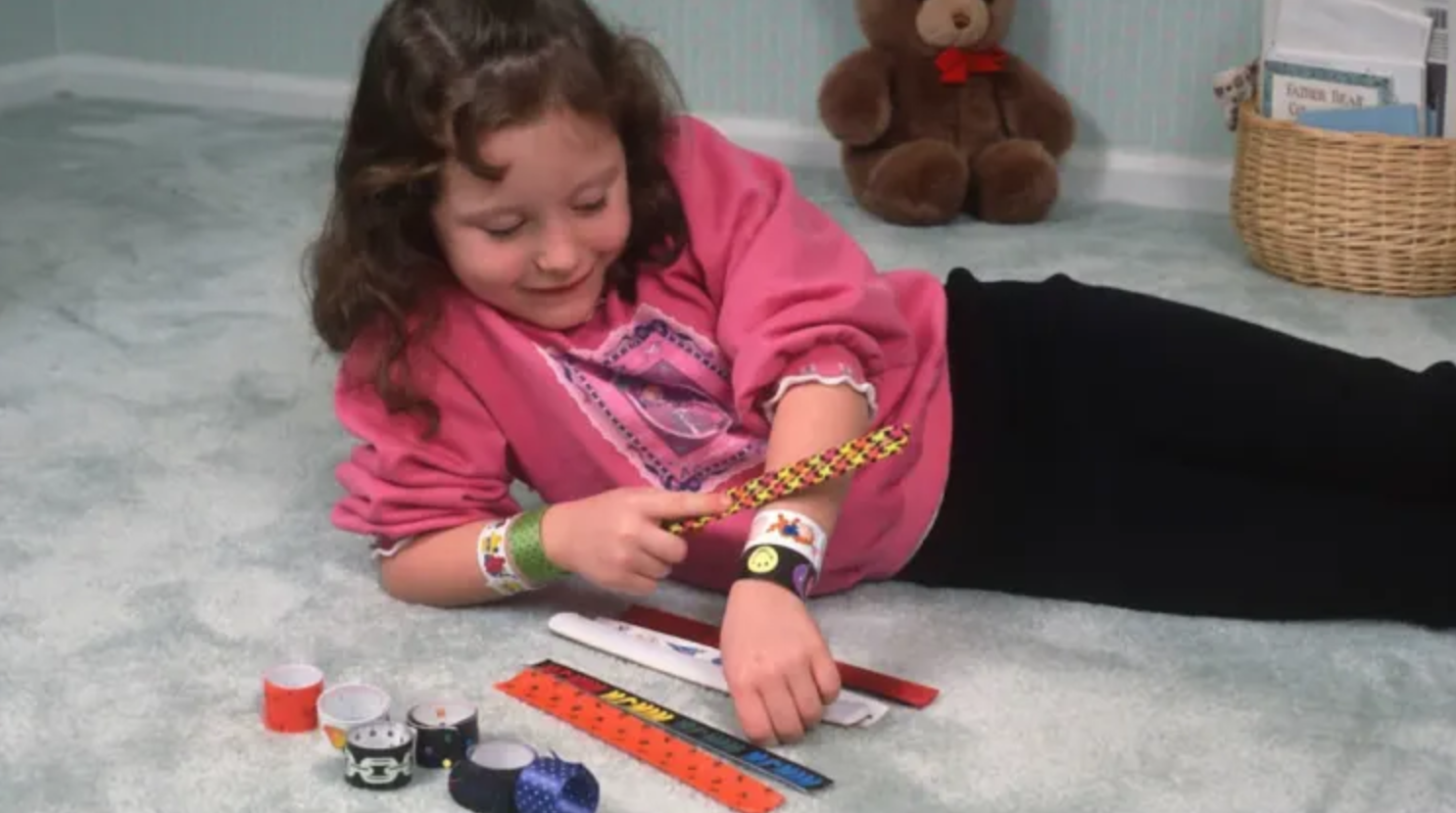
These colorful, simple bracelets were a fashion craze in the late 80s and early 90s. With a quick slap, they’d curl around your wrist, seemingly harmless. However, cheaply made versions had sharp metal edges that could cut through the fabric and cause cuts or scratches. Despite their popularity, the injuries eventually led to some schools banning them. While slap bracelets have since made a comeback in safer designs, the original remains a slightly hazardous symbol of 90s fashion.
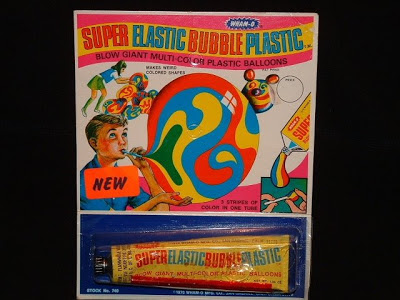
In the 1960s and 70s, kids were enchanted by Super Elastic Bubble Plastic, a colorful goop that came in a tube and could be inflated into translucent, balloon-like bubbles using a small straw. The concept was fun, but the toy itself was incredibly problematic. The mixture was made from polyvinyl acetate dissolved in acetone — essentially liquid plastic — which emitted strong, noxious fumes. Kids would inevitably inhale some of these toxic vapors while blowing bubbles, putting them at risk of headaches, nausea, and even more severe health issues with prolonged exposure.
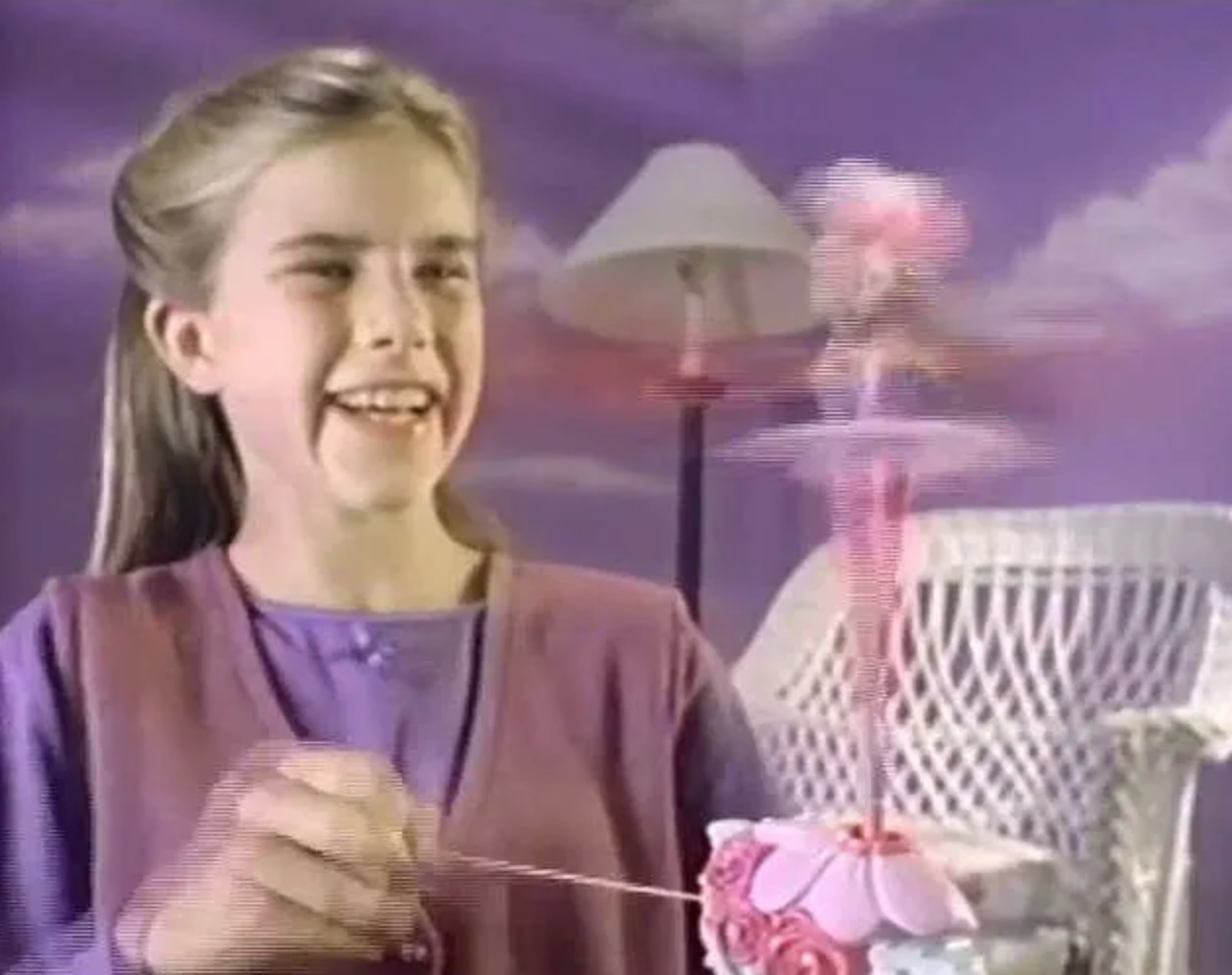
Sky Dancers were magical-looking toys that launched into the air with a pull-string. While they seemed enchanting, their flight patterns were unpredictable, often leading to crashes into walls, furniture, or, in some cases, faces. Sky Dancers caused so many injuries that they were eventually recalled, but they left a lasting impression — quite literally, in some cases — on a generation of kids.