

Boomers — born between 1946 and 1964 — came of age in a vastly different world than the one we know today. Before the era of instant gratification, smartphones, and endless entertainment options, life was filled with challenges that modern kids would find unthinkable. From stricter parenting to the absence of basic conveniences, Boomers had to navigate a more rugged upbringing.
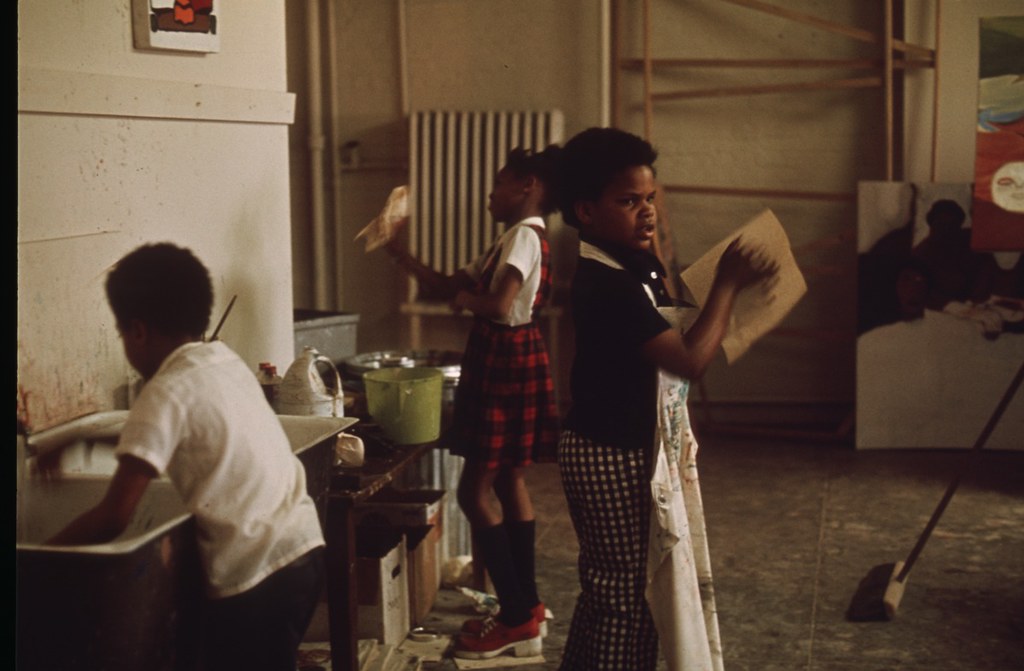
In the sweltering heat of summer, today’s kids can retreat to air-conditioned homes, classrooms, and cars. But for Boomers, air conditioning was a luxury most families couldn’t afford. Many children grew up without any A/C, sweating through their days at home and in school. Instead, they relied on fans, open windows, or simply enduring the heat. The discomfort was a daily fact of life, and the idea of keeping cool by blasting the A/C would have been a dream come true for them.

Before the bottled water industry took off and filtered water became the norm, kids growing up in the 50s, 60s, and 70s didn’t think twice about quenching their thirst straight from the garden hose. Whether they were playing outside for hours or riding their bikes around the neighborhood, a quick sip from the hose was a simple solution. Today, most parents would cringe at the thought of their kids drinking from a garden hose, concerned about bacteria, chemicals, or contaminants. But for Boomers, it was just a part of playing outside.
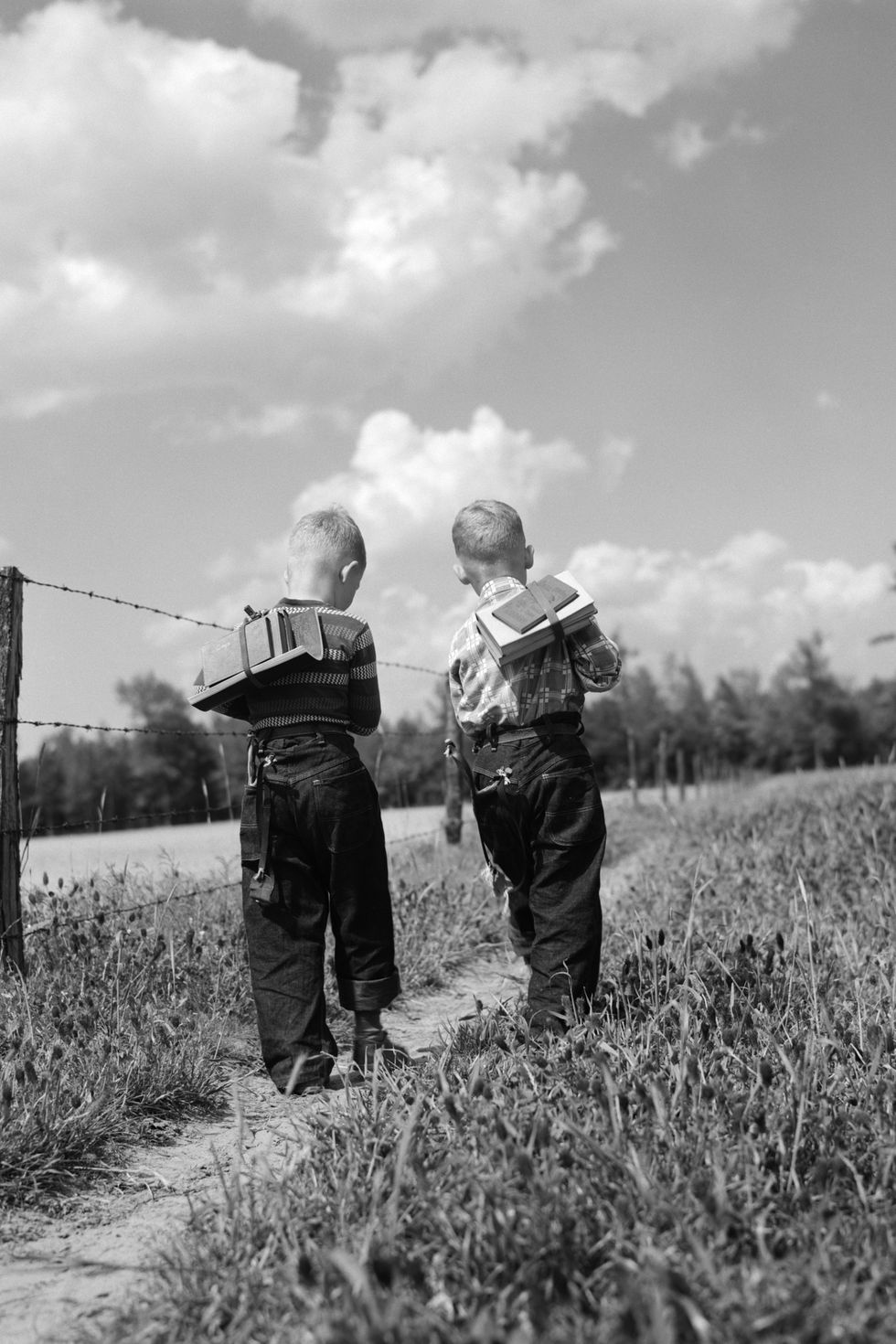
For Boomers, walking to school was a daily ritual — often without the supervision of parents. They made the trek on foot, rain or shine, snow or sleet, sometimes covering miles each way. Today’s kids are usually driven by their parents or take the bus, and walking alone to school has become rare due to concerns about safety. The idea of letting a young child make a long journey unsupervised seems unthinkable in today’s world, but back then, it was simply how things were done.

Safety standards for cars were far more relaxed in the past, and most Boomers remember riding in cars without wearing seat belts — or even standing up in the back seat as their parents drove. Car seats for young children weren’t widely used until the late 1970s, so many kids experienced the open road without the restraints we consider essential today. It was a time when car trips felt like an adventure, but also when the risks were higher. Today’s kids, strapped securely in their car seats, would find this freedom shocking — and a bit terrifying.
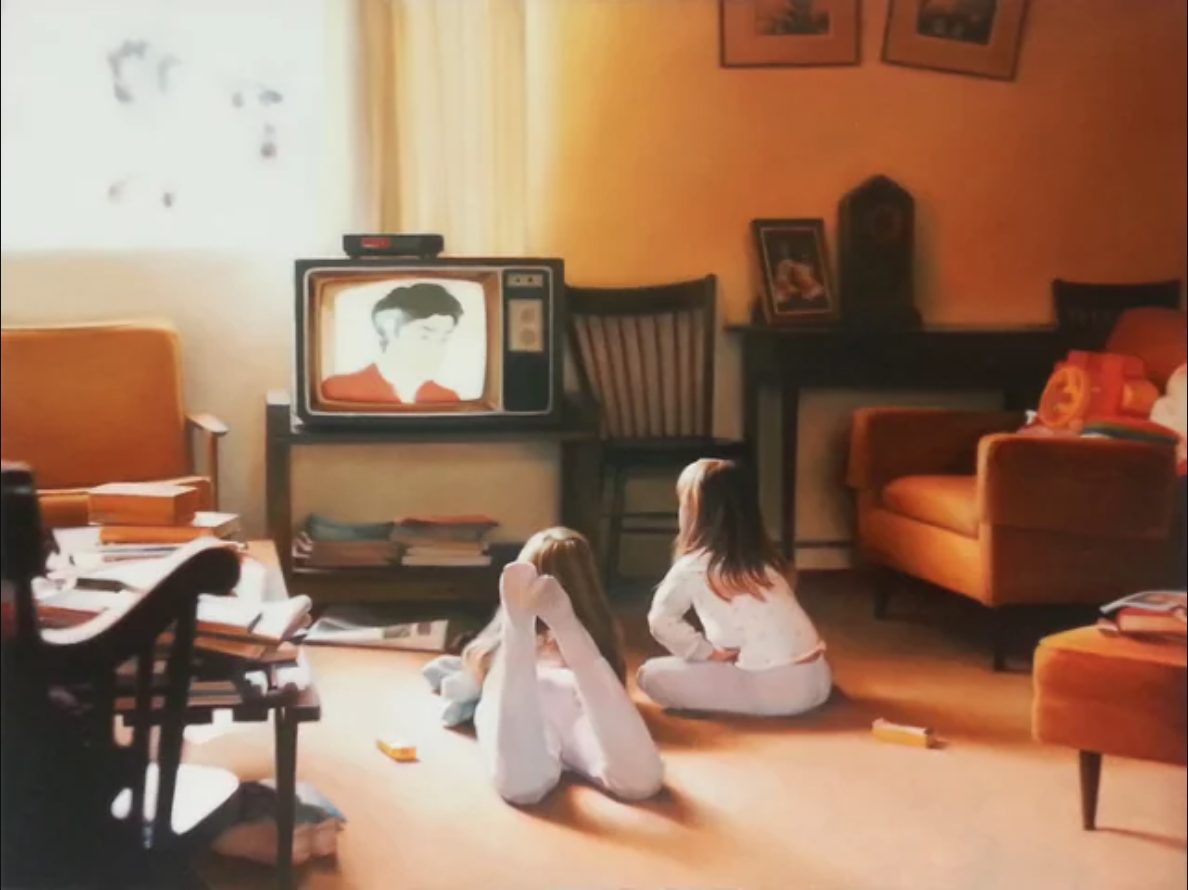
In a world before streaming services, DVRs, and even VCRs, Boomers had no choice but to wait patiently for their favorite TV shows and Saturday morning cartoons. There were no on-demand options or binge-watching marathons. If you missed an episode, you’d have to wait for a rerun — if it ever came at all. Today’s kids are used to watching whatever they want, whenever they want, often with entire seasons at their fingertips.
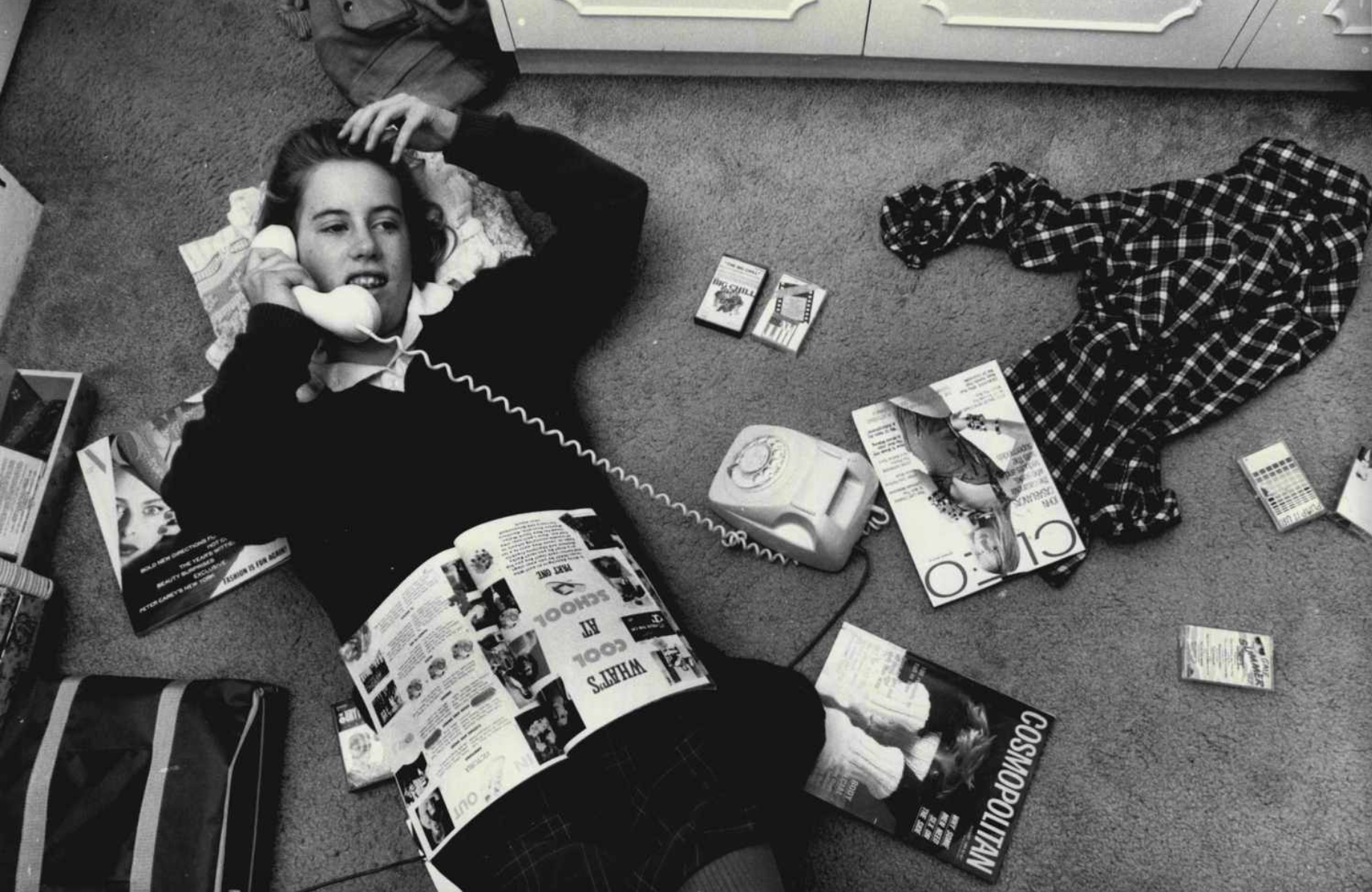
Boomers didn’t have the luxury of smartphones, contact lists, or instant messaging. Instead, they used rotary phones, which required dialing each number manually. Mis-dialing was common, and calling long-distance meant a hefty bill. To make things even tougher, they had to memorize phone numbers — not just of their friends, but of family members, neighbors, and emergency services.
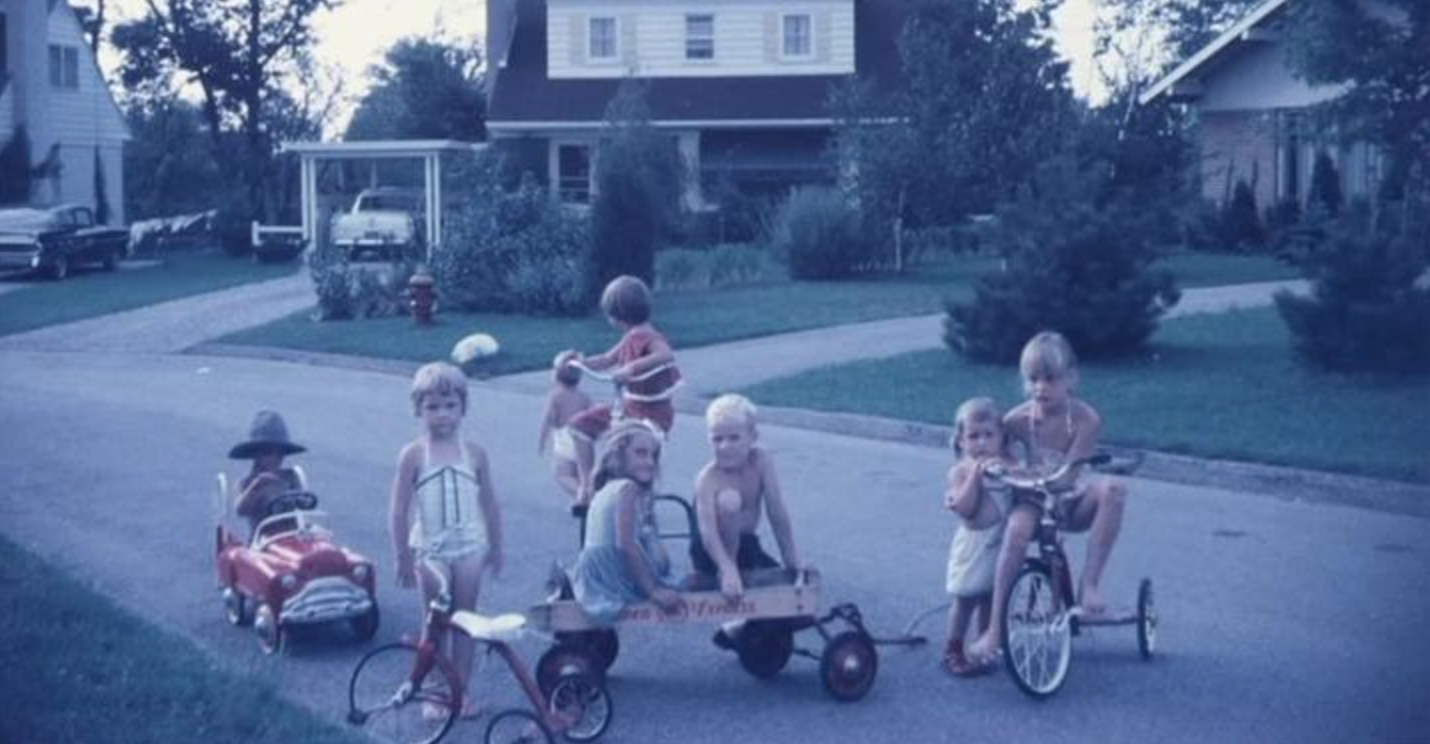
During the 60s and 70s, children were expected to entertain themselves, often spending entire afternoons playing outside unsupervised. They’d ride bikes, climb trees, and explore their neighborhoods, returning home only when the streetlights came on. Parents had a “hands-off” approach, trusting that their kids would be safe. By contrast, today’s kids are rarely left unattended, and parents are far more cautious about letting their children roam freely.
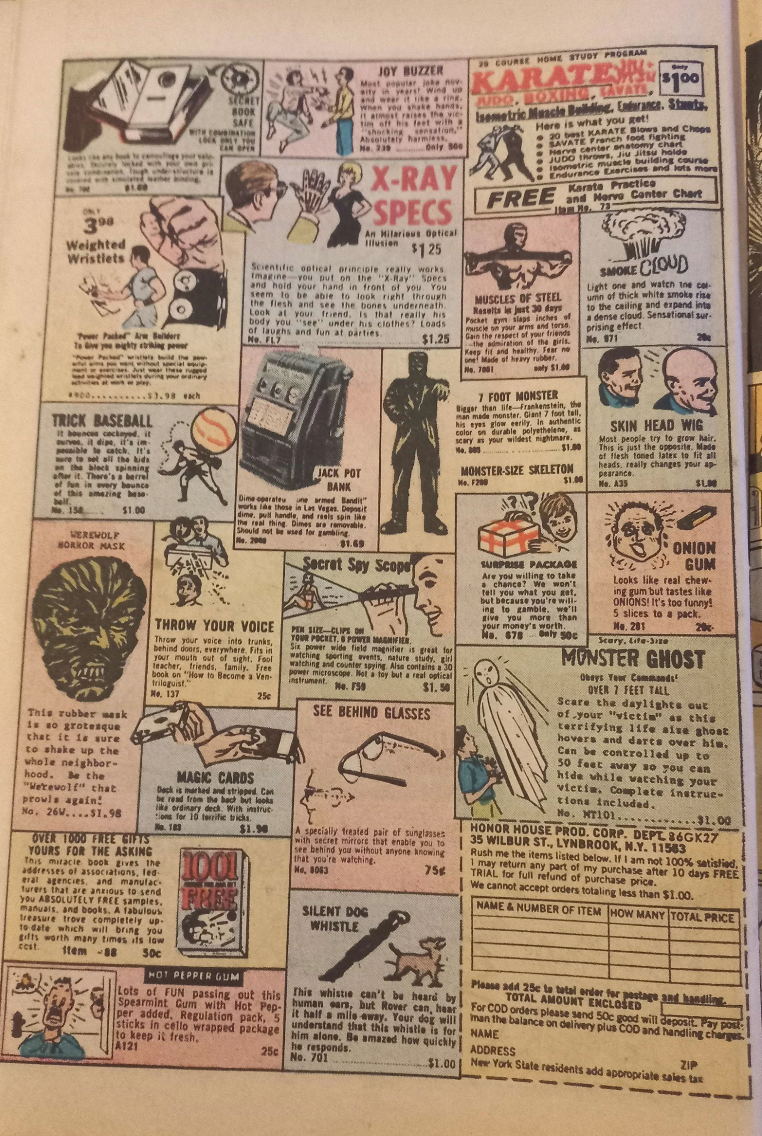
In the age of Amazon Prime and next-day delivery, waiting more than a day or two for a package feels agonizing. But Boomers were used to waiting weeks or even months for mail-order items. Whether it was a new toy from a catalog or a record they’d ordered, the anticipation was half the fun. There was no tracking information, so kids never knew exactly when their prized possession would arrive.
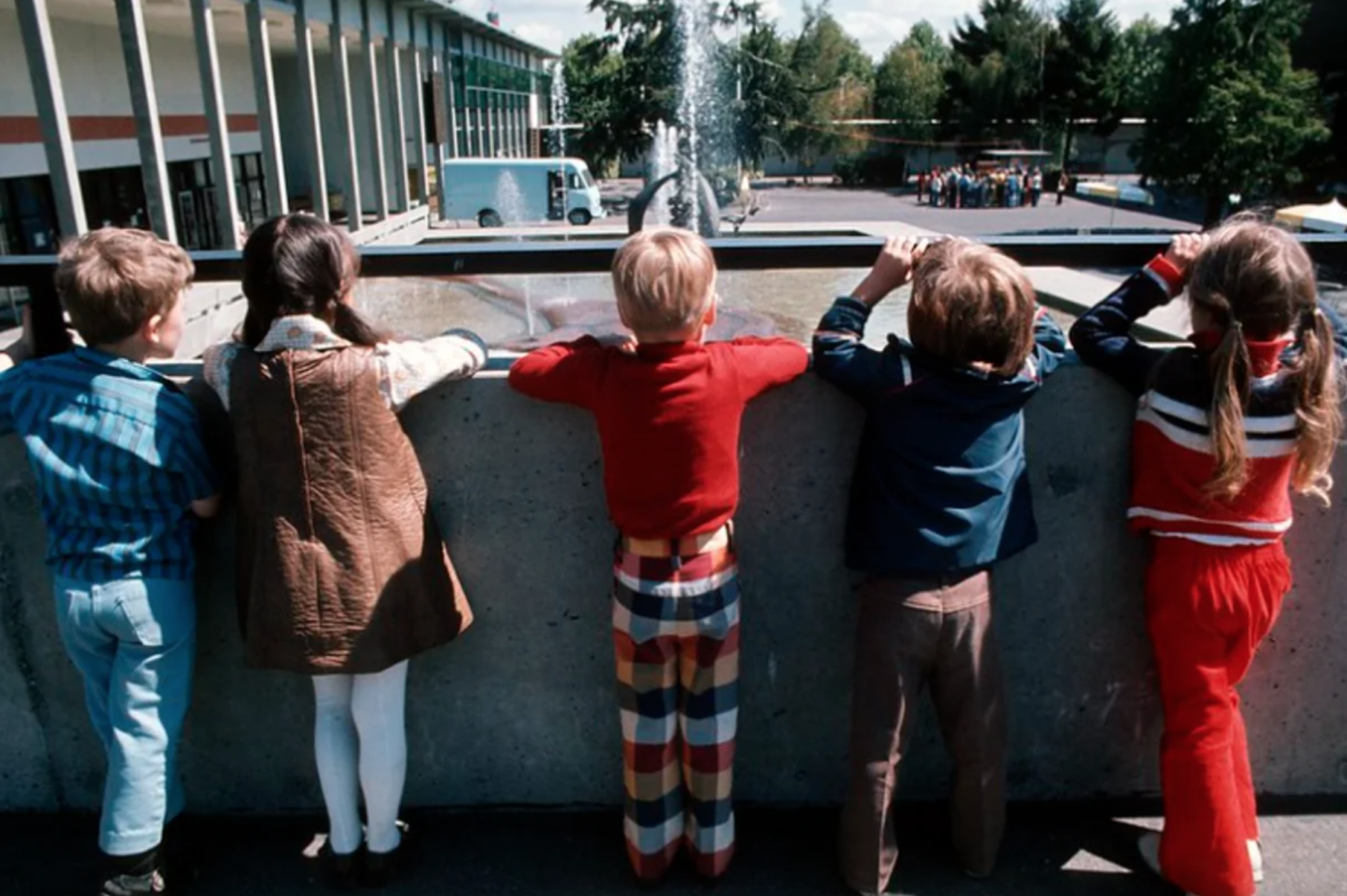
Boomers didn’t grow up with the internet, video games, or hundreds of TV channels. Instead, they had a handful of television stations, a local library, and whatever games they could make up with friends. When it came to movies, they often had to wait for a special screening on TV or head to the local theater. Compared to today’s world of constant digital entertainment, their options were limited.

Before Google, Boomers had to rely on encyclopedias, dictionaries, and trips to the library for any kind of research or information. School projects meant flipping through heavy volumes of the World Book Encyclopedia or spending hours browsing the card catalog to find the right book. There was no Wikipedia to provide instant answers, and finding information required patience and persistence. For modern kids, who can look up anything with a quick search, this kind of painstaking research process must sound unimaginable — but it’s how a generation learned to seek out knowledge and problem-solve on their own.