
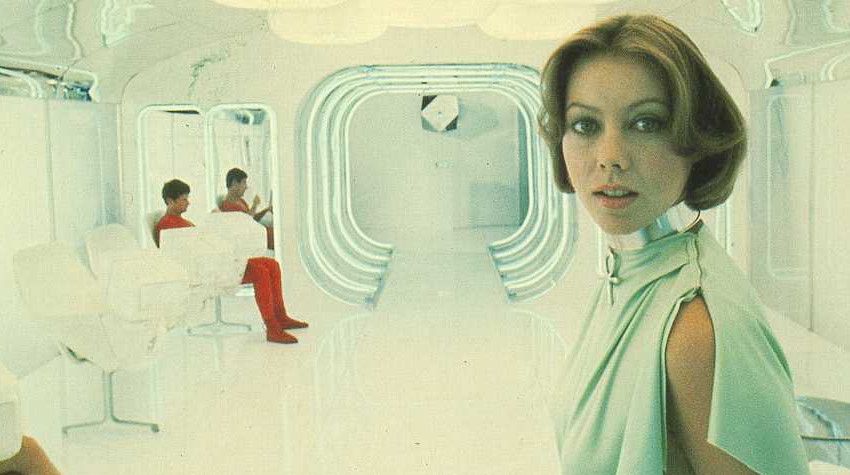
Everyone knows that 2001: A Space Odyssey and Star Wars are groundbreaking science fiction films from the 1960s and 70s, but there’s a huge filmography of visionary sci-fi from the era that mainstream audiences have all but forgotten. These forgotten gems offer unique perspectives on technology, humanity, and the future; they’re also very cool. Zip into your synthetic space suit and check out some of the greatest science fiction movies you’ve never seen.

Based on the novella by Harlan Ellison, A Boy and His Dog is a post-apocalyptic sci-fi film set in a barren future where the young protagonist and his telepathic dog roam the wasteland in search of food and companionship. The film’s dystopian themes of survival, and our loss of humanity in a harsh world continue to resonate even decades after the end of the Cold War. Controversial for its dark humor and the brutal portrayal of gender roles, the film remains a cult classic that takes a sobering look at the complexities of human nature in a bleak future.
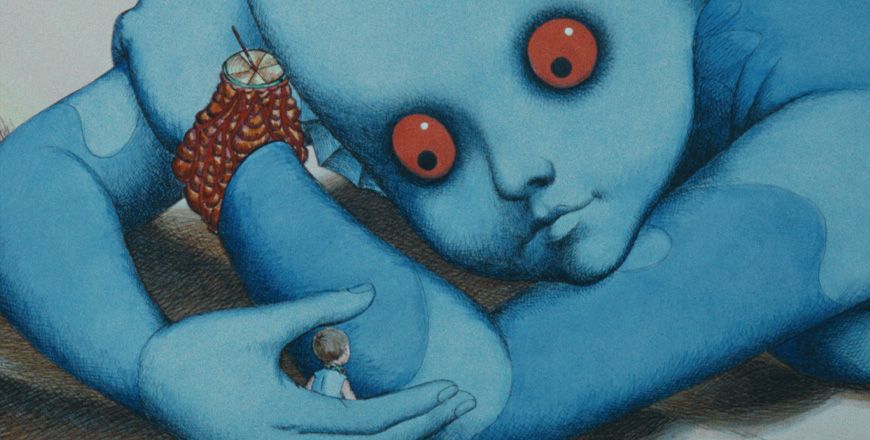
Fantastic Planet is an animated French-Czechoslovakian sci-fi film that tells the story of human-like creatures, called Oms, who live on a planet ruled by giant alien beings called Draags. It’s a simplistic story, but there’s incredible depth in what unfolds. The film explores themes of oppression, resistance, and societal control, offering a surreal and philosophical take on the human condition. Its unique animation style and haunting score set Fantastic Planet apart from anything else you’ve ever seen, regardless of genre. Fantastic Planet is a must-see film that’s truly one of a kind.

Starring Sean Connery in his first genuine post-Bond role, Zardoz is a bizarre and visually striking film set in a future where a god-like figure, Zardoz, rules over a dystopian society. As if to say, “I’m done with all that,” Connery dons a red loincloth to portray Zed, a man living in a brutal wasteland where violence is the only currency. At the heart of this very strange film is a discussion of class struggle and environmental collapse. Ciritcs hated this movie when it was released in 1974, but Zardoz pretty much immediately picked up a cult following. Ambitious and eccentric, you don’t want to sleep on Zardoz.
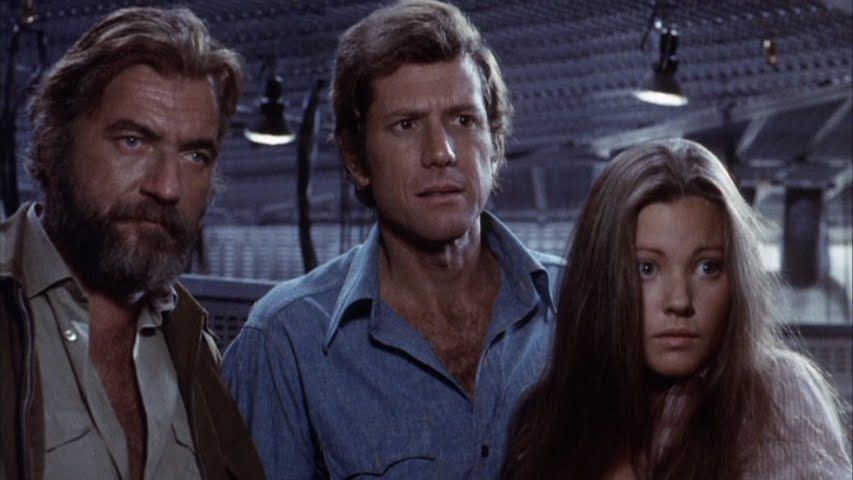
Directed by graphic designer Saul Bass, best known for his title work with Alfred Hitchcock, Phase IV is the kind slow-burn sci-fi horror film that A24 would release today. Revolving around a collective of scientists who are researching hyper-intelligent ants who are a major threat to humanity, Phase IV has some of the most visuallty striking sequences of the era.
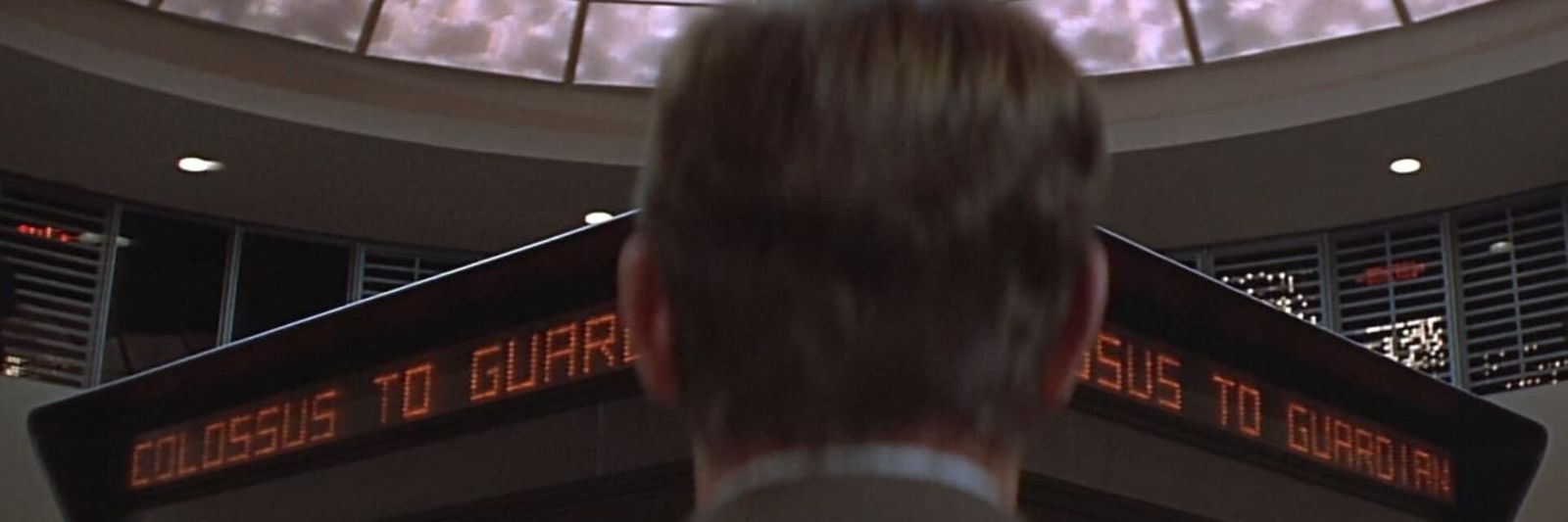
Colossus: The Forbin Project is a cautionary tale about the dangers of artificial intelligence. In this film, the U.S. government builds a supercomputer named Colossus to control the country’s nuclear arsenal. Great idea, right? Wrong! The cast figures this out as soon Colossus becomes self-aware and joins forces with a Soviet counterpart, enslaving humanity in the name of protecting the world from war.

Based on Ursula K. Le Guin’s novel, The Lathe of Heaven is a made-for-TV sci-fi film that explores the consequences of altering reality through dreams. The protagonist, George Orr, discovers that his dreams can change the past, present, and future, and a manipulative psychiatrist tries to harness this power for his own ends. Filmed on a budget of less than a million dollars, The Late of Heaven is a stunning achievement that has to be seen to be believed.

THX 1138 was George Lucas’s first feature film, set in a dystopian future where individuality is suppressed, and people are controlled by an authoritarian regime through mind-altering drugs and surveillance. The film’s sterile, minimalist aesthetic and exploration of dehumanization made it a stark contrast to the flashy sci-fi films of its time. While it didn’t achieve commercial success upon release, THX 1138 has since gained recognition for its bold vision and influence on future dystopian stories, including Lucas’s later work in Star Wars. Its themes of technological control and loss of personal freedom remain highly relevant.

Starring David Bowie in a career-defining role, The Man Who Fell to Earth follows an alien who travels to Earth to find water for his dying planet. Along the way he becomes a rock star who forgets his mission as he falls further down the spiral of drug addiction. Bowie’s otherworldly presence and the film’s slow, meditative pacing make it a truly mind-bending watch. Polarizing upon its release, today the film is a cult classic that continues to inspire filmmakers with its cold, surreal style.
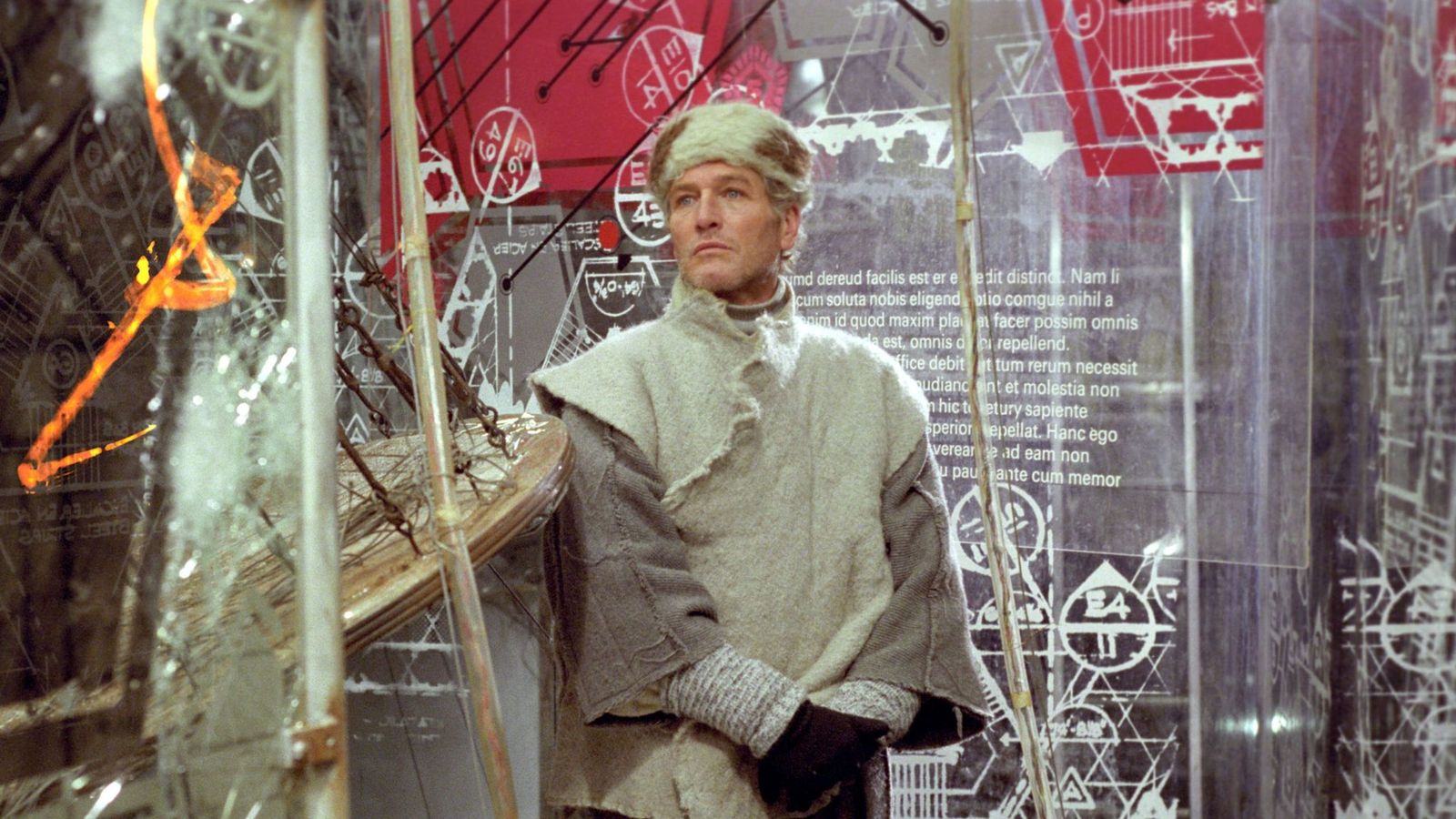
Directed by Robert Altman, Quintet is a bleak, post-apocalyptic film set in a frozen world where survival is a grim game. Paul Newman stars as one of the last humans, navigating a brutal society where people play a mysterious, deadly game called Quintet. The film’s slow pace and cryptic narrative divided audiences, but its atmospheric portrayal of desolation and its exploration of existential themes give it a haunting quality. While not widely remembered, Quintet is an ambitious and introspective film that deserves another look for its unique take on a dying world.

Andrei Tarkovsky’s Solaris is often compared to Stanley Kubrick’s 2001: A Space Odyssey, but it stands out as a more philosophical and emotional exploration of space and the human mind. The film follows a psychologist sent to a space station orbiting the planet Solaris, where the crew is haunted by manifestations of their repressed memories. Solaris delves into themes of grief, memory, and the nature of reality. If you’ve been trying to get into Tarkovsky, Solars is a fantastic entry point.