

Culture was upended in the 1960s and 1970s. The moments of unrest that broke through the old ways like the Civil Rights Movement, feminism, and the broader counter culture revolution are what we remember, but aside from these big, bold moments there are several lesser-known but significant groups that shaped society in one way or another. who ere mbThe following forgotten movements helped bring change to the middle of the century, ander for completely upended the status quo.
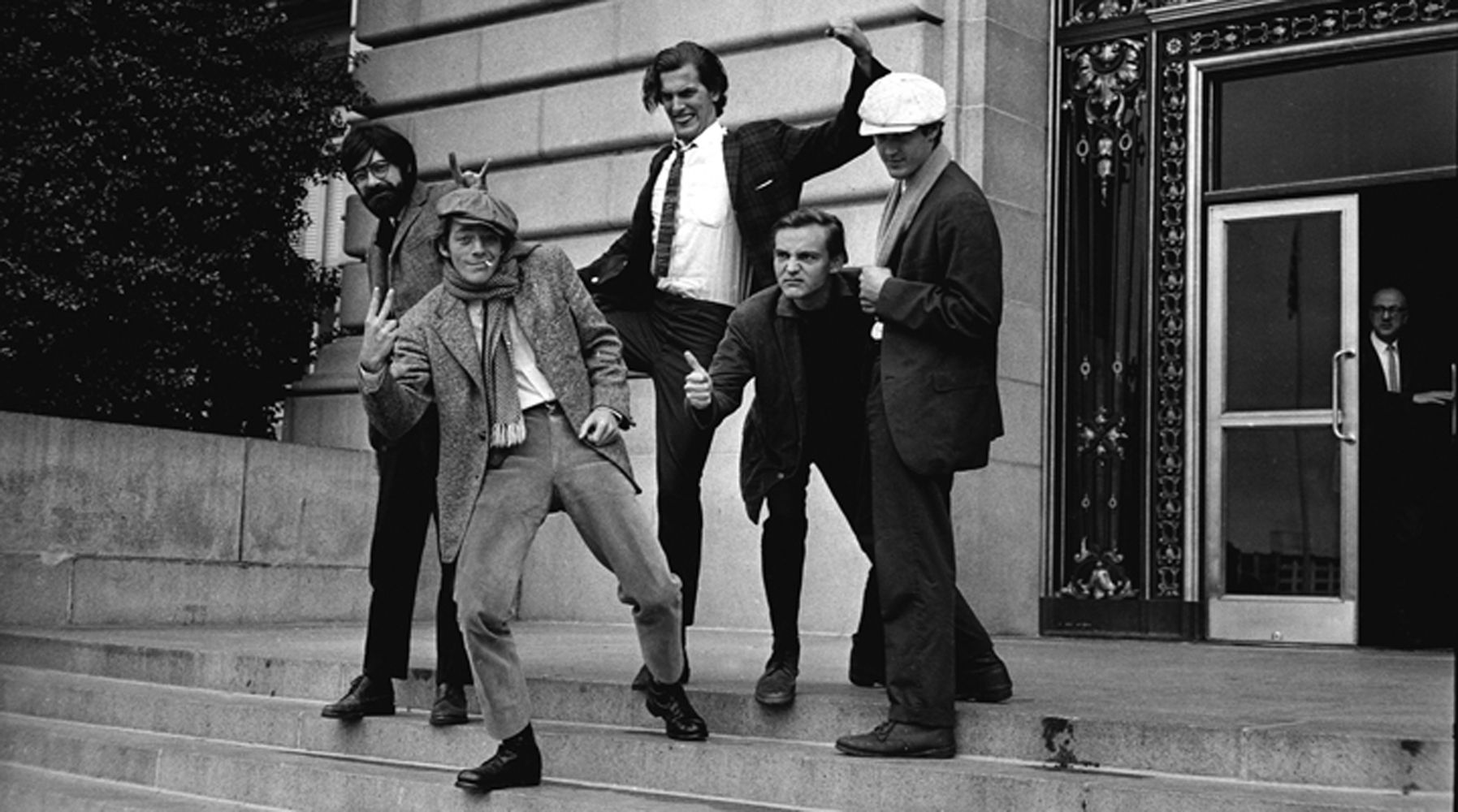
The Diggers were an anarchist collective based in San Francisco’s Haight-Ashbury neighborhood during the mid-1960s. A radical offshoot of the counterculture movement, this group sought to build a free society out of shared resources. The Diggers organized free food giveaways, provided free medical services, and set up housing for unhoused people. They rejected capitalism and embraced communal living as a revolutionary act. The group disbanded and broke into smaller collectives some time in the 1970s.

Led by author Ken Kesey, the Merry Pranksters were a group of artists, free spirits, and ne’er do wells who embarked on a cross-country journey in their psychedelic painted bus, called Further, in 1964. The goal? Spread the message of psychedelic experimentation and liberation. Their escapades were immortalized in Tom Wolfe’s book The Electric Kool-Aid Acid Test, which brought their message to the masses. The Merry Pranksters’ use of LSD and their embrace of “acid tests” as a way to expand consciousness helped shape the psychedelic movement of the 60s and blow minds in the process.

The Weather Underground, also known as the Weathermen, were a radical left-wing organization emerging from the anti-Vietnam War movement of the late 1960s. Made up of members of Students for a Democratic Society, the Weathermen were designated a domestic terror group by the FBI due to their advocation for violent protests and bombings to bring about revolution in the United States. In the 1970s, the group carried out a coordinated bombing campaign aimed at government buildings and banks, often preceded by evacuation warnings. Rather than hide their involvement the WUO made vocal threats that pointed towards the specific issue that the attack was intended to protest. Following the end of the Vietnam War, the group slowly disbanded. By 1977, the Weathermen were no longer in operation.
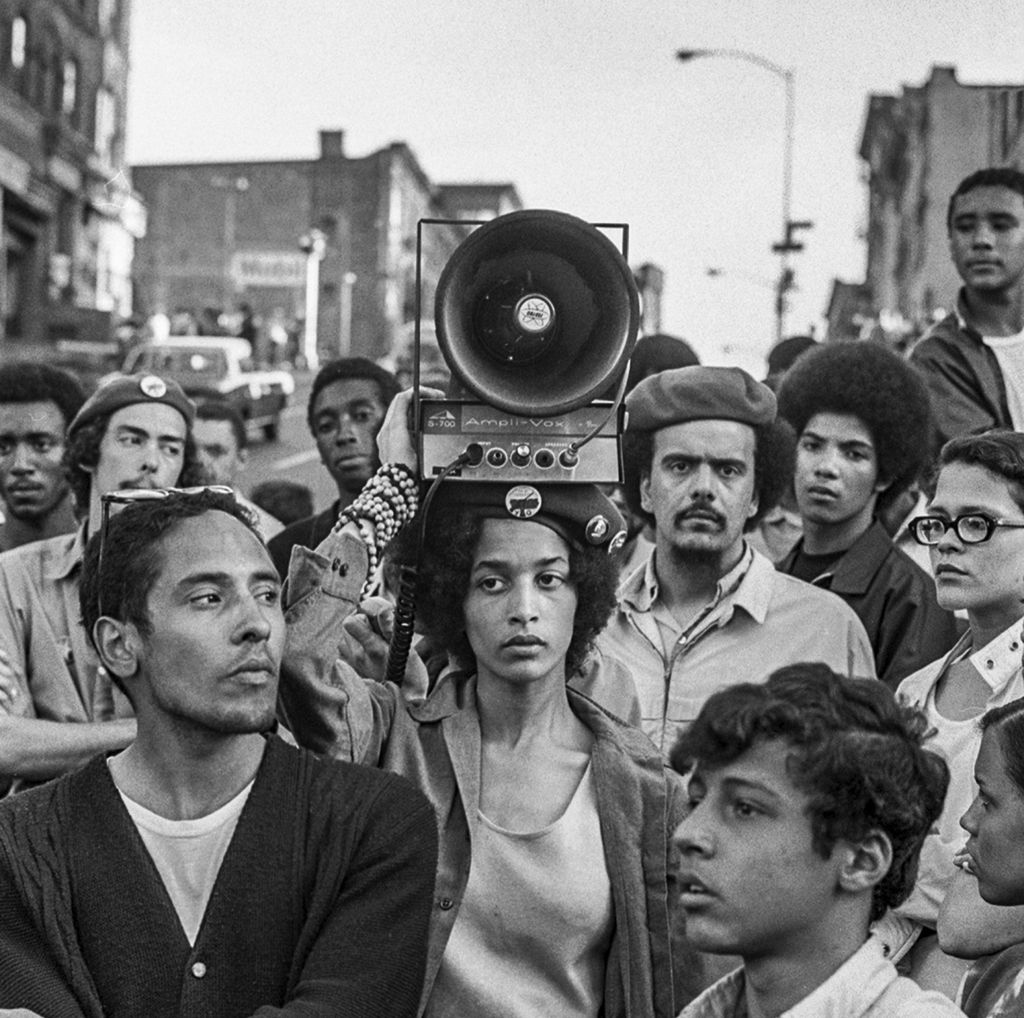
Based in Chicago, The Young Lords were a Puerto Rican nationalist group who initially began as a turf gang in the neighborhood of Lincoln Park. By 1969, the group, now heavily inspired by the Black Panthers, had spread to New York City where they stridently fought for Puerto Rican independence while helping their community find access to healthcare and housing. By the mid-70s the group was in disarray following infiltration by government agencies, but they kept trucking until the 1980s when they quietly disbanded. Today, members of The Young Lords continue to fight the power as they inspire new waves of social protest in the Puerto Rican community.

Founded in 1979, the Radical Faeries were a queer spiritual movement that combined elements of paganism, environmentalism, and the countercultural rejection of mainstream society. Centered around reclaiming queer identity outside of traditional gay rights politics, the group embraced fluid gender roles, and celebrated queer spirituality through communal gatherings. While the group isn’t super visible today, the Radical Faeries had a major and lasting impact on LGBTQ+ communities by showing young queer people that there are alternative ways of expressing identity and connecting with nature and spirituality.
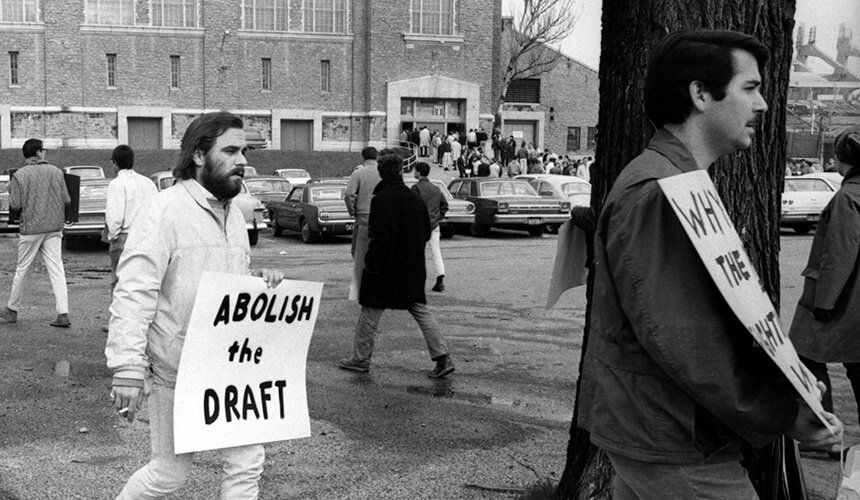
In the 1960s, the Students for a Democratic Society (SDS), were one of the main campus groups advocating for Civil Rights, an end to the Vietnam War, and a participatory democracy. The most well-known action by the group, their “Port Huron Statement,” a political manifesto that makes a general critique of U.S. domestic and foreign policy, particularly the country’s handling of the Cold War abroad, and race relations in the States. The group grew from 300 members to tens of thousands of members by the time they splintered into various factions in 1969.
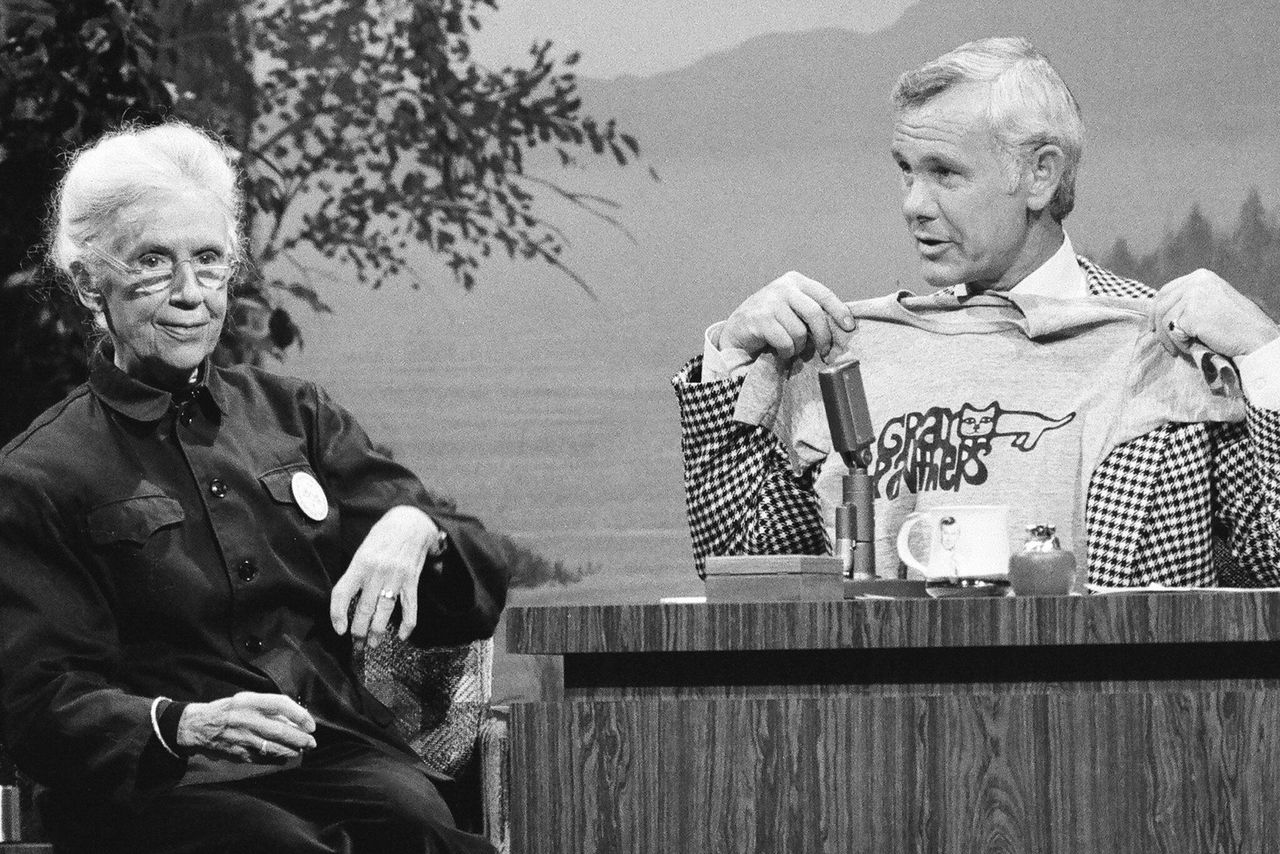
Founded in 1970 by activist Maggie Kuhn in response to her forced retirement from the Presbyterian Church, The Gray Panthers quickly built up a grassroots following to advocate for the rights of older Americans. Inspired by The Black Panthers, the group fought ageism, promoted healthcare reform, and brought together generations by advocating for environmentalism and LGBTQ+ rights. You may not know their name by heart, but The Gray Panthers are still going strong today.

The Farm, established in 1971 near Summertown, Tennessee, is one of the most successful and longest-running communes in the U.S. Founded by Stephen Gaskin and 300 fellow spiritual seekers from the Haight-Ashbury area of San Francisco, The Farm embraces a philosophy of non-violence, environmental sustainability, and communal living. Residents practice organic farming, midwifery, and renewable energy. While many communes from the 60s and 70s dissolved, The Farm is still going strong today as a living example of how the ideals of the 1960s can manifest in a lasting community focused on cooperative living and self-sufficiency.
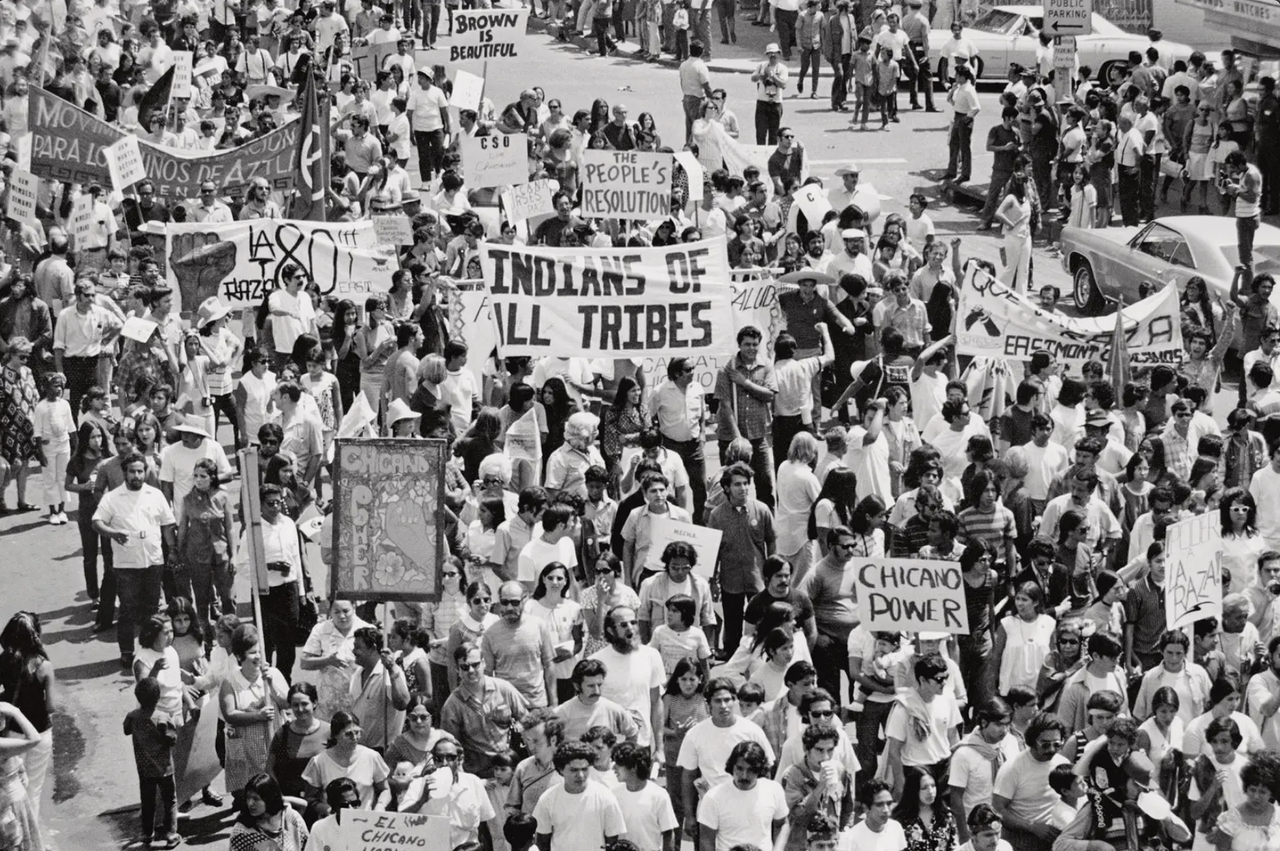
The Chicano Movement, or El Movimiento, gained momentum in the 1960s and 70s as Mexican-Americans in the U.S. sought Civil Rights, social justice, and cultural empowerment, but the group itself dates all the way back to the 1920s. In the middle of the 20th century the group placed their focus on labor rights, land reclamation, and educational reform, inspiring Latinx people of all ages to fight against systemic discrimination. By the 1970s, the Chicano Movement came to an end, but just under this specific umbrella. The legacy of this movement continues today with groups like the United Mexican American Students (UMAS), the Mexican American Youth Association (MAYA).

The Black Power Movement, though part of the broader Civil Rights struggle, is often overshadowed by the nonviolent efforts of leaders like Martin Luther King Jr. However, this movement, exemplified by groups like the Black Panther Party, emphasized racial pride, self-sufficiency, and militant resistance to oppression. The Black Power Movement played a crucial role in the fight for racial justice, advocating for community control, economic empowerment, and an end to police brutality. Often portrayed as radical and divisive, the movement’s influence can still be seen in contemporary activism for Black liberation.