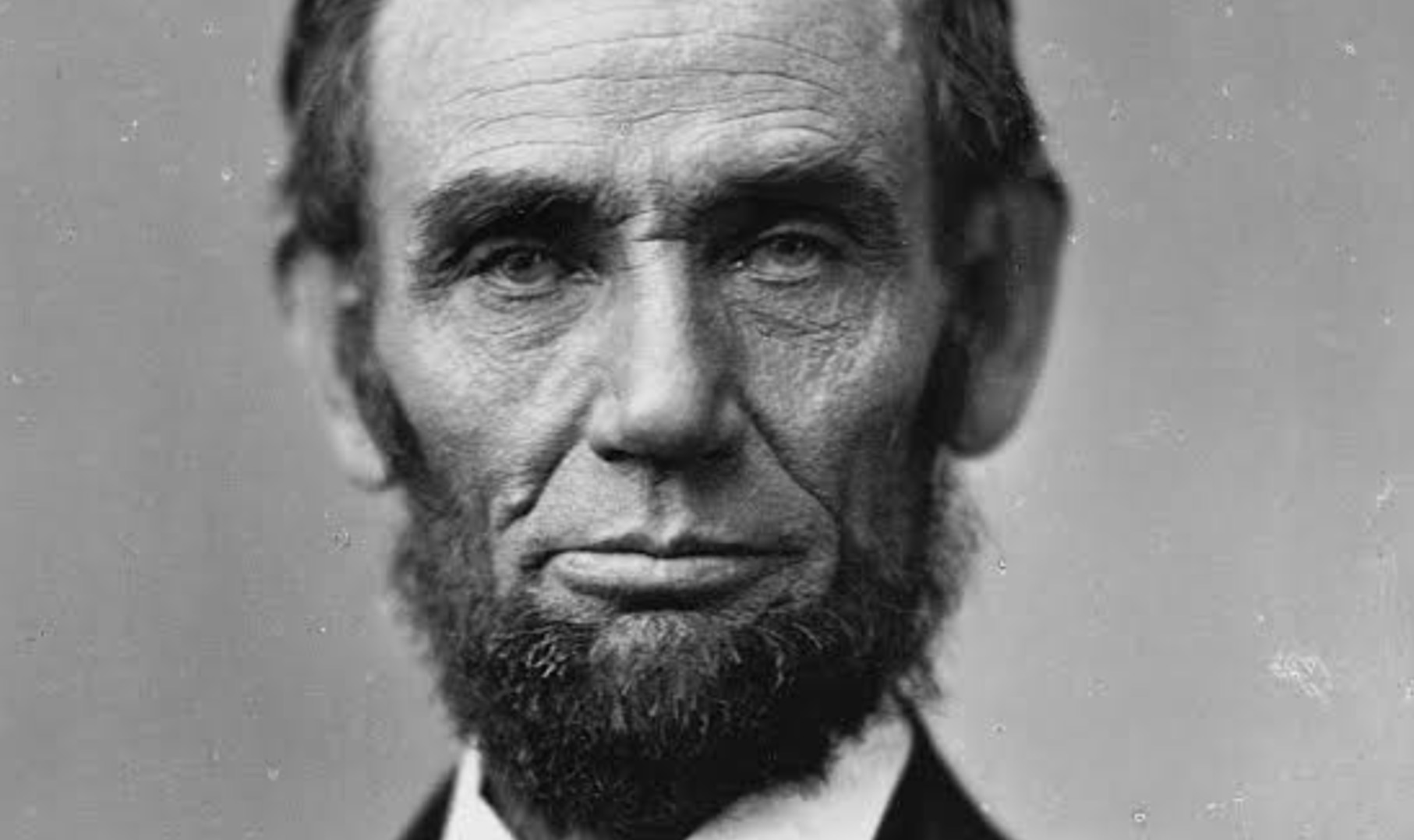
Sarah NormanWho’s The Best and Worst President? Expert Historians Rank ThemAccording to experts and professional historians, a survey published by CSPAN ranked the best and worst US presidents. The ranking quickly sparked outrage for its perceived shortcomings and subjectivity. Undoubtedly, many Americans disagree with the ranking. Americans have been encouraged to share their thoughts and, most importantly, exercise their right to vote in order for their voices to be heard. In this slideshow, we explore the best and worst US presidents, according to the experts.Getty ImagesRanked #1: Abraham Lincoln, the 16th president of the United States, is best known for leading the country during the Civil War and for issuing the Emancipation Proclamation, which declared that all slaves in the Confederate states would be free.Getty ImagesRanked #2 Best: George Washington: First President of the United States; led the Continental Army to victory in the American Revolutionary War and is known as the “Father of His Country.”Getty ImagesRanked #3 Best: Franklin D. Roosevelt: 32nd President of the U.S.; served four terms and led the country through the Great Depression and World War II.Getty ImagesRanked #4 Best: Theodore Roosevelt: 26th President of the U.S.; known for his progressive reforms, conservation efforts, and role in negotiating the end of the Russo-Japanese War.Getty ImagesRanked #5 Best: Dwight D. Eisenhower: 34th President of the U.S.; a five-star general in World War II who oversaw the Allied invasion of Europe and later focused on infrastructure and international diplomacy.Getty ImagesRanked #6 Best: Harry S. Truman: 33rd President of the U.S.; succeeded FDR and made critical decisions during the final stages of World War II, including the use of atomic bombs on Japan.Getty ImagesRanked #7 Best: Thomas Jefferson: 3rd President of the U.S.; principal author of the Declaration of Independence and a key figure in early American history.Getty ImagesRanked #8 Best: John F. Kennedy: 35th President of the U.S.; known for his inspirational speeches, the Cuban Missile Crisis, and the early stages of the Space Race.Getty ImagesRanked #9 Best: Ronald Reagan: 40th President of the U.S.; former actor and governor of California, known for conservative policies, economic reforms, and his role in ending the Cold War.Getty ImagesRanked #10 Best: Barack Obama: 44th President of the U.S.; first African American president, known for his signature healthcare reform, economic recovery efforts, and emphasis on social justice.Getty ImagesRanked #1 Worst: James Buchanan: 15th President of the U.S.; his presidency is often criticized for its inability to address the issues leading up to the Civil War, including the tension over slavery.Getty ImagesRanked #2 Worst: Andrew Johnson: 17th President of the U.S.; succeeded Abraham Lincoln and is noted for his contentious Reconstruction policies and impeachment by the House of Representatives.Getty ImagesRanked #3 Worst: Franklin Pierce: 14th President of the U.S.; known for his attempts to address sectional conflicts over slavery, which ultimately failed to prevent the Civil War.Getty ImagesRanked #4 Worst: Donald J. Trump: 45th President of the U.S.; a businessman and television personality who focused on deregulation, tax reform, and an “America First” policy agenda.Getty Images
Throughout U.S. history, presidents have faced immense challenges during wartime, requiring both strategic military decisions and a deep understanding of the American experience. Leaders such as Abraham Lincoln, Franklin D. Roosevelt, Lyndon B. Johnson, and George W. Bush navigated crises like the Civil War, World War II, the Vietnam War, and the post-9/11 era.
Abraham Lincoln stood at the helm during the American Civil War, deeply committed to keeping the Union intact. His leadership was not just about military strategy; but was personal.
With the Emancipation Proclamation, Lincoln reframed the war’s purpose, pressing his belief in equality. Lincoln’s heartfelt communication with soldiers and citizens helped unite a nation during one of its darkest hours.
Franklin D. Roosevelt guided America through the trials of World War II, and his “Fireside Chats” stood out as more than just broadcasts. The chats were framed as personal conversations, which allowed Americans to feel both connected and informed.
Lyndon B. Johnson faced the tumultuous Vietnam War, which was a period rife with challenges and public dissent.
Initially, Johnson believed escalating U.S. involvement was necessary to stop communism. Yet, as protests grew louder and sentiments shifted, Johnson found himself grappling with the reality of a divided nation. His struggle to balance military goals with public opinion led to a painful credibility crisis that ultimately damaged his presidency.
In the aftermath of the 9/11 attacks, George W. Bush’s leadership took a decisive turn. Leaders framed the response as a fight against terrorism, pushing for military action in Afghanistan and Iraq.
While Bush’s focus on national security resonated with many, it also sparked debates regarding the long-term consequences of the interventions. Bush’s decisions were marked by a sense of urgency but also faced widespread scrutiny for their impact on global stability.
Lincoln’s empathy, Roosevelt’s engagement, Johnson’s struggle with public sentiment, and Bush’s urgency are prime examples of the multifaceted nature of leading a nation in crisis. The choices they made not only steered the outcomes of conflicts but also shaped the values and priorities of the nation.