
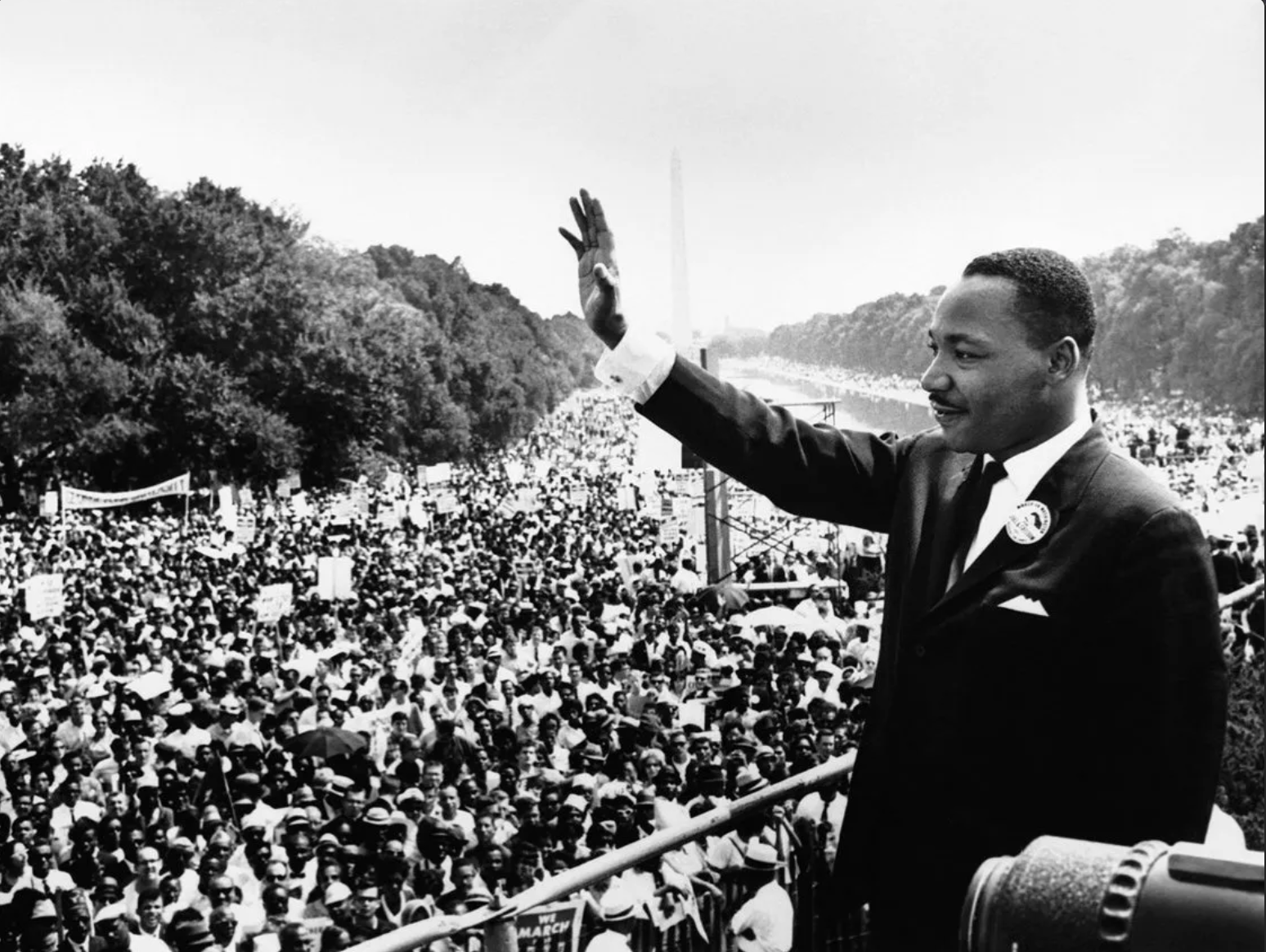
Looking back at the 60s and 70s, it’s easy to forget just how many iconic cultural moments happened in these two decades. There were revolutions both literal and figurative, global upheavals, and a war that stretched across the years, but for every moon landing and Woodstock there’s a moment that slipped through the cracks of history. From forgotten political scandals to ecological disasters, these overlooked stories from the 1960s and 70s shaped the present in ways you don’t even know.

Everyone knows that the Beatles broke up in 1970, but few people are aware of the fact that the band nearly called it quits in 1966. At the time, tensions were high in the band due to exhaustion from tour and their famous creative differences. George Harrison and John Lennon both nearly bailed on the foursome after their legendary final concert in San Francisco, but the band stuck it out and recorded the groundbreaking album Sgt. Pepper’s Lonely Hearts Club Band thus cementing their legacy as one of the greatest musical acts in history.
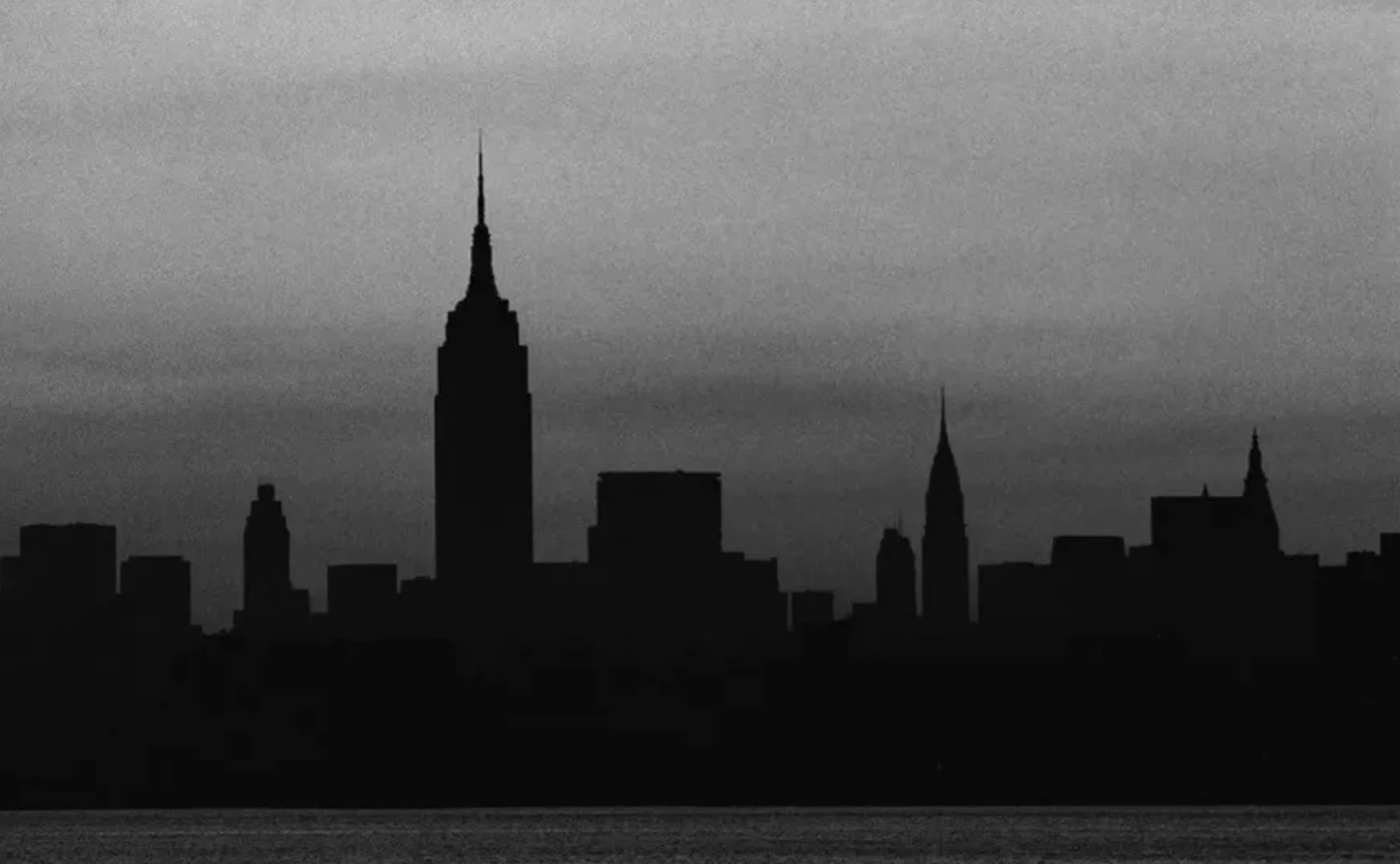
On Tuesday, November 9, 1965, the entire northeastern part of the United States and even parts of Canada were plunged into darkness for more than 12 hours following a massive power grid failure. Widespread panic gripped the more than 30 million people across eight states who were without power, especially the more than 800,000 riders who were trapped on the New York Subway System. As scary as this is, the one silver lining is that the evening of the blackout featured the lowest crime numbers of any night in New York City since those records were kept.
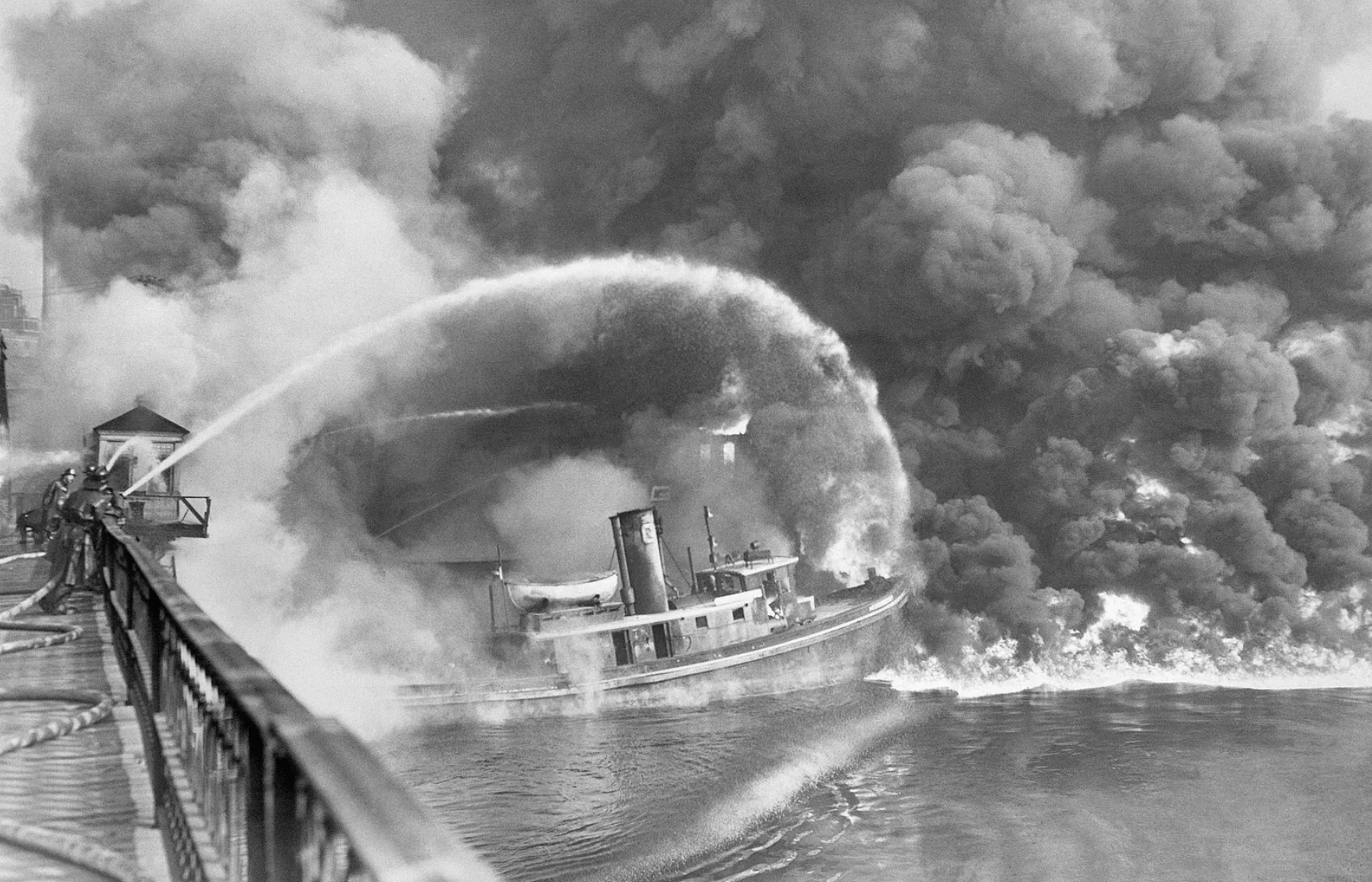
On June 22, 1969, the Cuyahoga River in Cleveland, Ohio, caught fire when a spark from a passing rail car ignited an oil slick, causing close to $50,000 worth of damage to a nearby railroad bridge and rail yard. This wasn’t the first time the Cuyahoga caught on fire (and it wouldn’t be the last), but this fire drew national attention to the pollution in America’s waterways. This devastating fire inspired multiple pollution control activities that extended to the Clean Water Act, the Great Lakes Water Quality Agreement, and the creation of the Environmental Protection Agency.
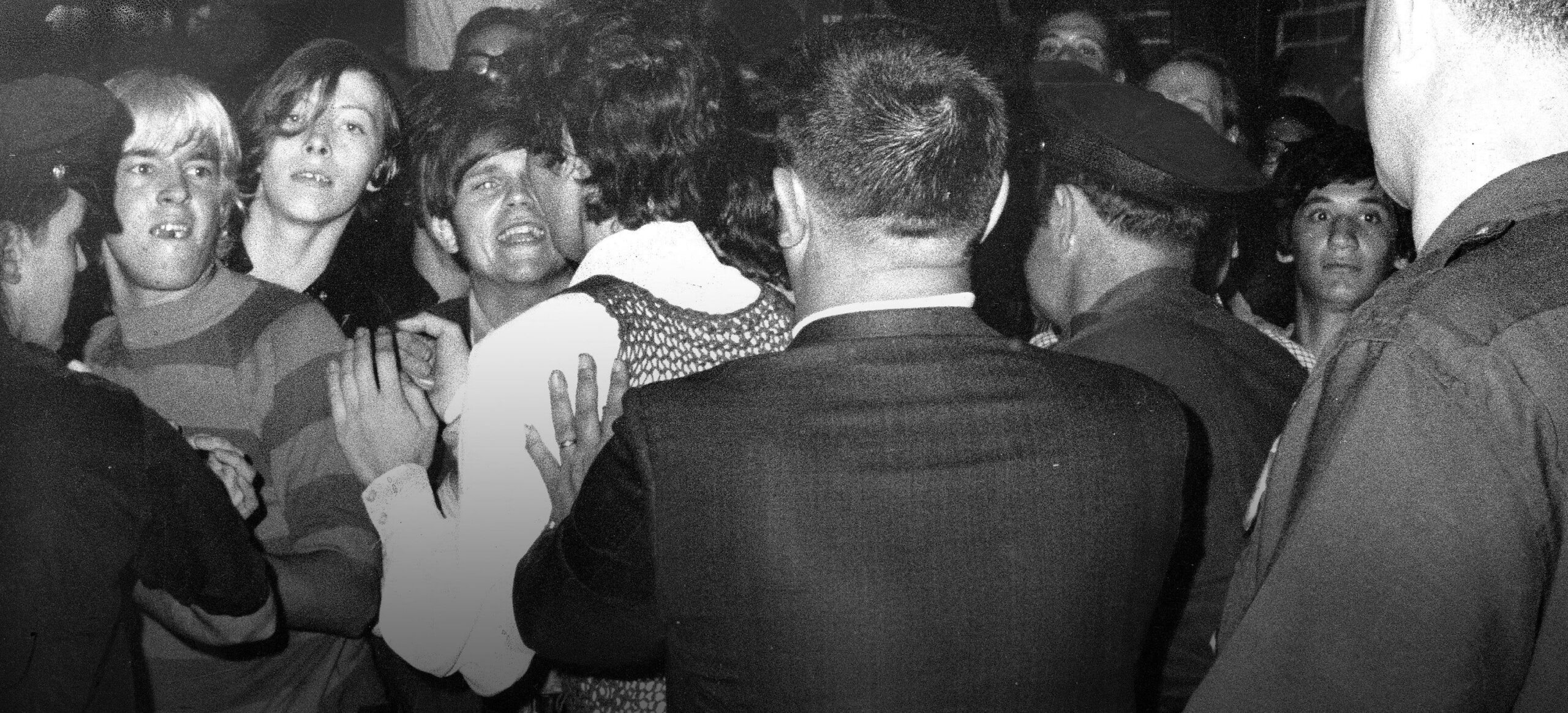
Following A Police Raid of the Stonewall Inn, in Greenwich VIllage, that took place in the early hours of June 28, 1969, about 100 to 150 members of the gay and lesbian community of New York CIty fought back against police officers who were using unnecessary force. Violence rocked the evening after the NYPD hit a handcuffed woman in the head with a nightstick, with bottles, trashcans, rocks, and bricks flying through the air for 45 minutes straight. One night later, a second riot broke out on Christopher Street with thousands of people making their way through the streets in a primal scream of liberation. The Stonewall Riots are ground zero of the modern LGBTQ+ movement, and it’s a moment we should all remember.
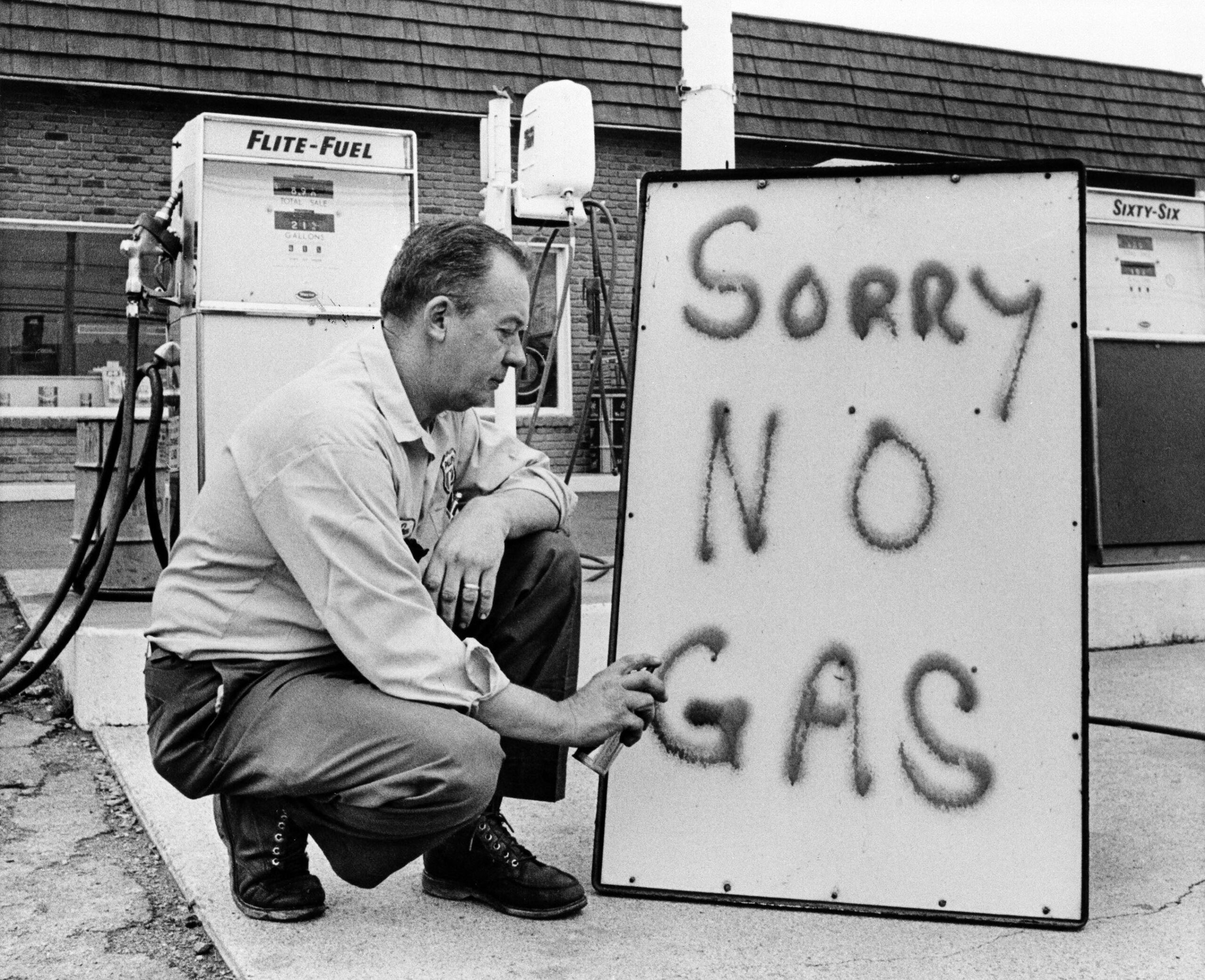
In 1973, the United States was thrust into a severe oil crisis following the embargo placed by OPEC (Organization of Petroleum Exporting Countries) following America’s support of Israel during the 1973 Yom Kippur War. Due to the embargo gas prices skyrocketed, leading to miles long lines at gas stations, and leading to nationwide energy conservation efforts. What should have been a wakeup call to everyone about America’s dependence on oil (both foreign and domestic) came to an end in 1974.
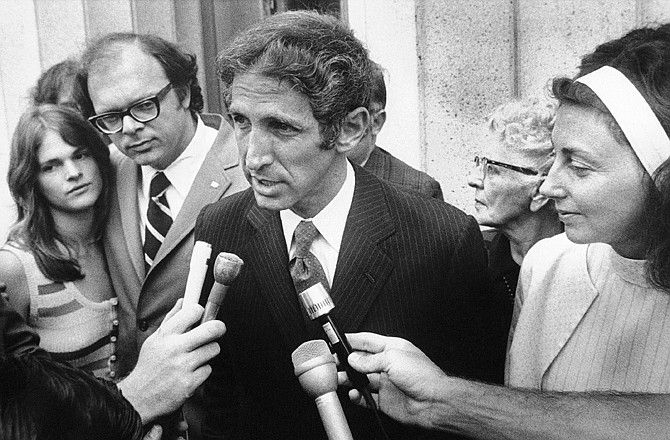
In 1971, the Pentagon Papers, a classified report detailing the U.S. government’s underhanded actions during the Vietnam War, were leaked by Daniel Ellsberg, a political activist and economist. The 7000-page report revealed that the U.S. military secretly cranked up its actions in the Vietnam War by carrying out coastal raids on North Vietnam and Marine Corps attacks – none of which were reported in the mainstream media. The leak played a major part in undermining the public’s trust in the government, but the moment was soon forgotten with the deluge of political upheaval that followed in the rest of the decade.
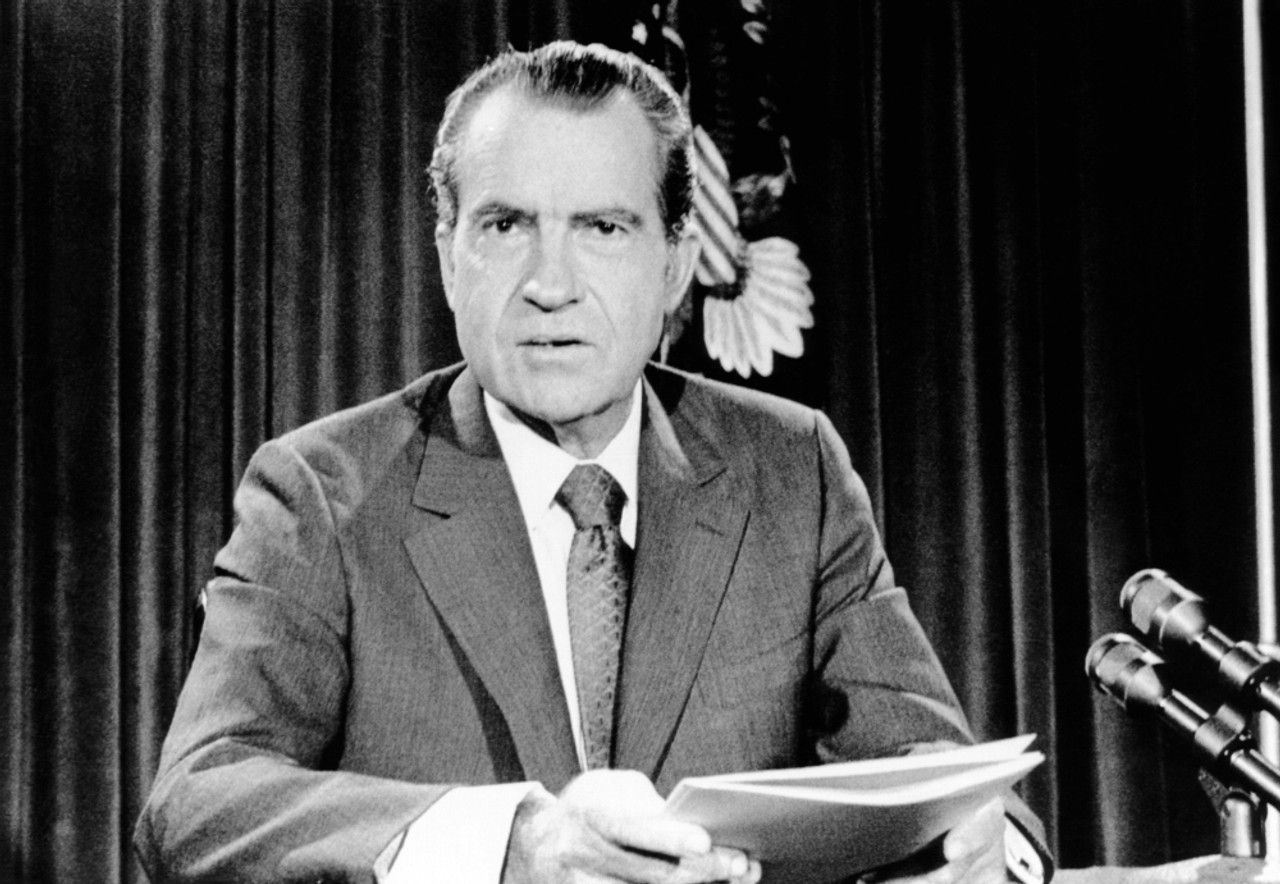
In 1971, President Richard Nixon placed wage and price controls on business in an attempt to stop inflation in its tracks. Essentially, businesses were not allowed to raise their prices for 90s days, and on the other side of the coin, workers’ wages were frozen for the same amount of time. Nixon’s plan created a buffer against inflation, but it also created widespread economic upheaval.
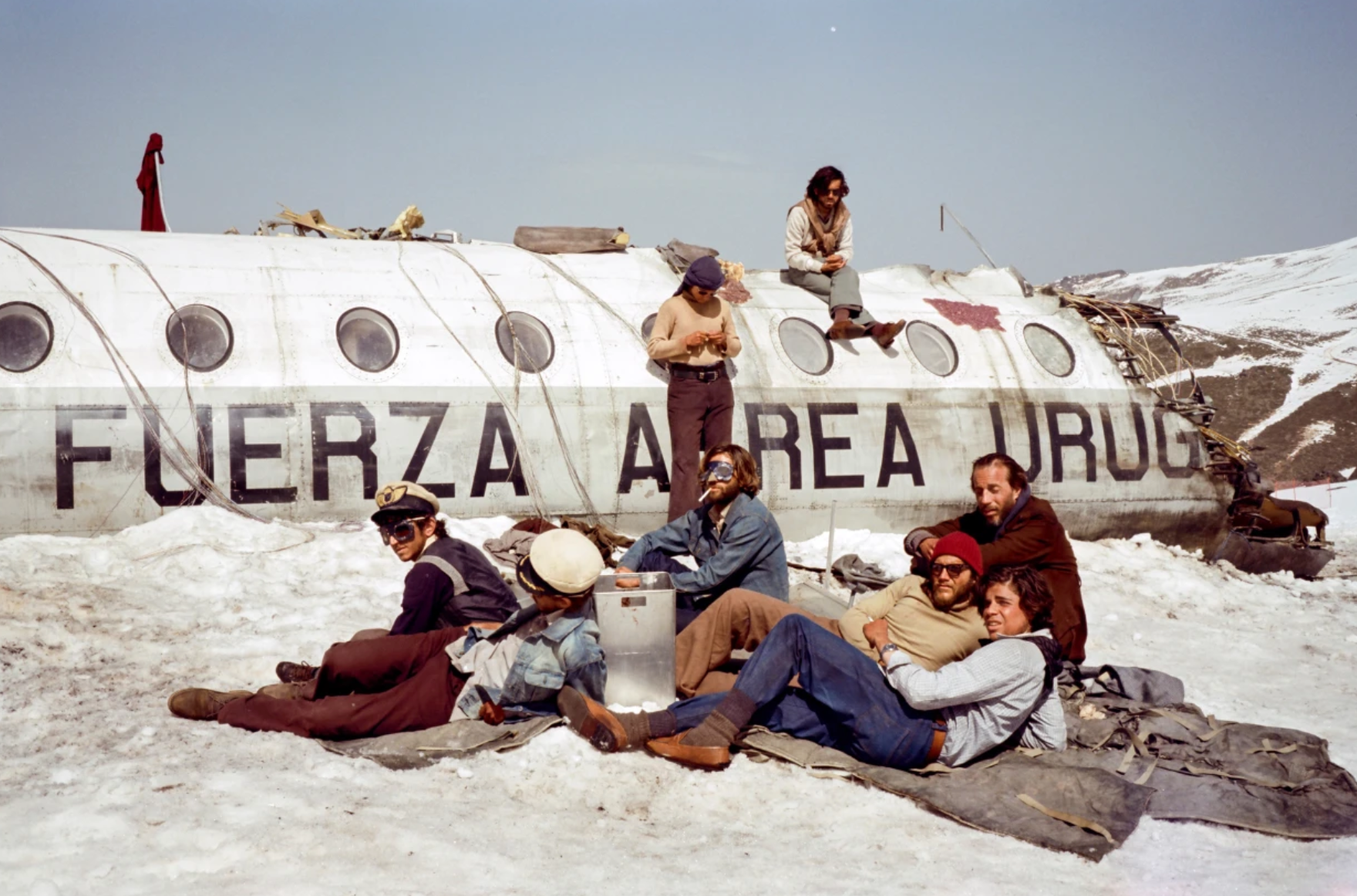
On October 13, 1972, Uruguayan Air Force Flight 571 crashed in the Andes mountains. This horrific accident left the survivors in freezing conditions for 72 days, forcing them to turn to cannibalism in order to make it through the grueling conditions. This harrowing event inspired books and at least a couple of movies, but it’s strangely absent from the public consciousness.
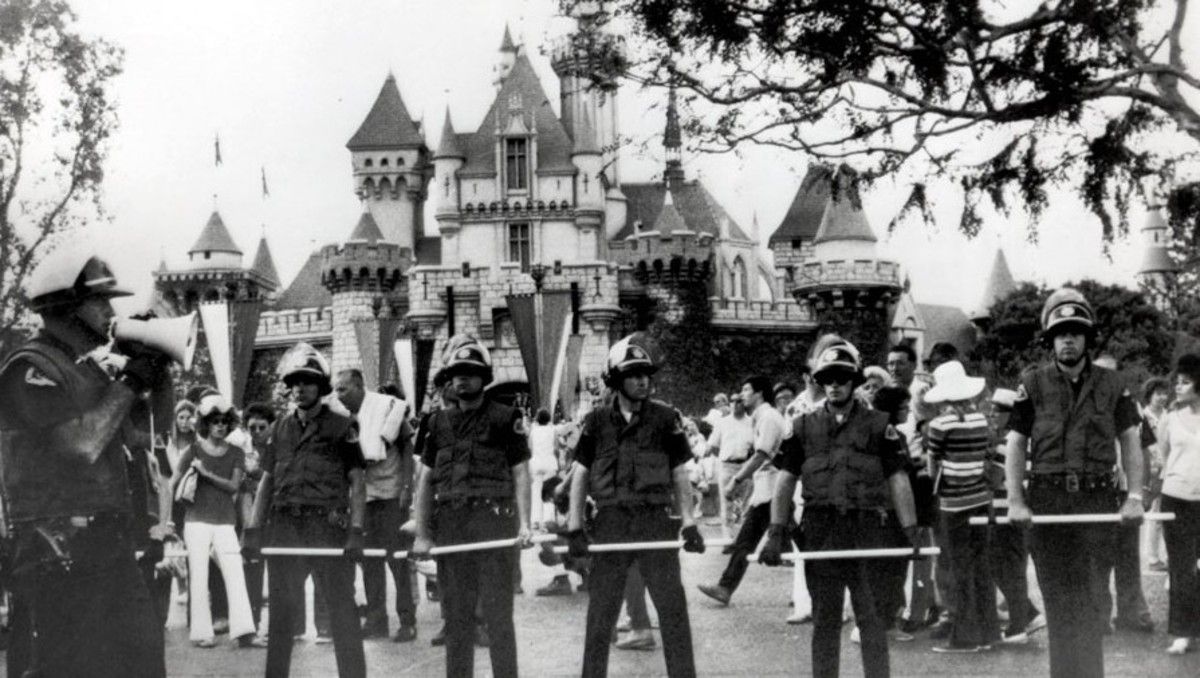
The Youth International Party, or the Yippies, were a countercultural movement springing from the free speech and anti-war movements of the late 1960s. In August, 1970, the Yippies carried out a takeover of Disneyland to protest the U.S. government and the Vietnam War. More than 200 protestors descended on Disneyland carrying flags bearing the logo of the VIetcong before completely taking over rides, food stands, and whatever else was available. The whole thing ended with 18 arrests, but not the liberation of the House of Mouse.
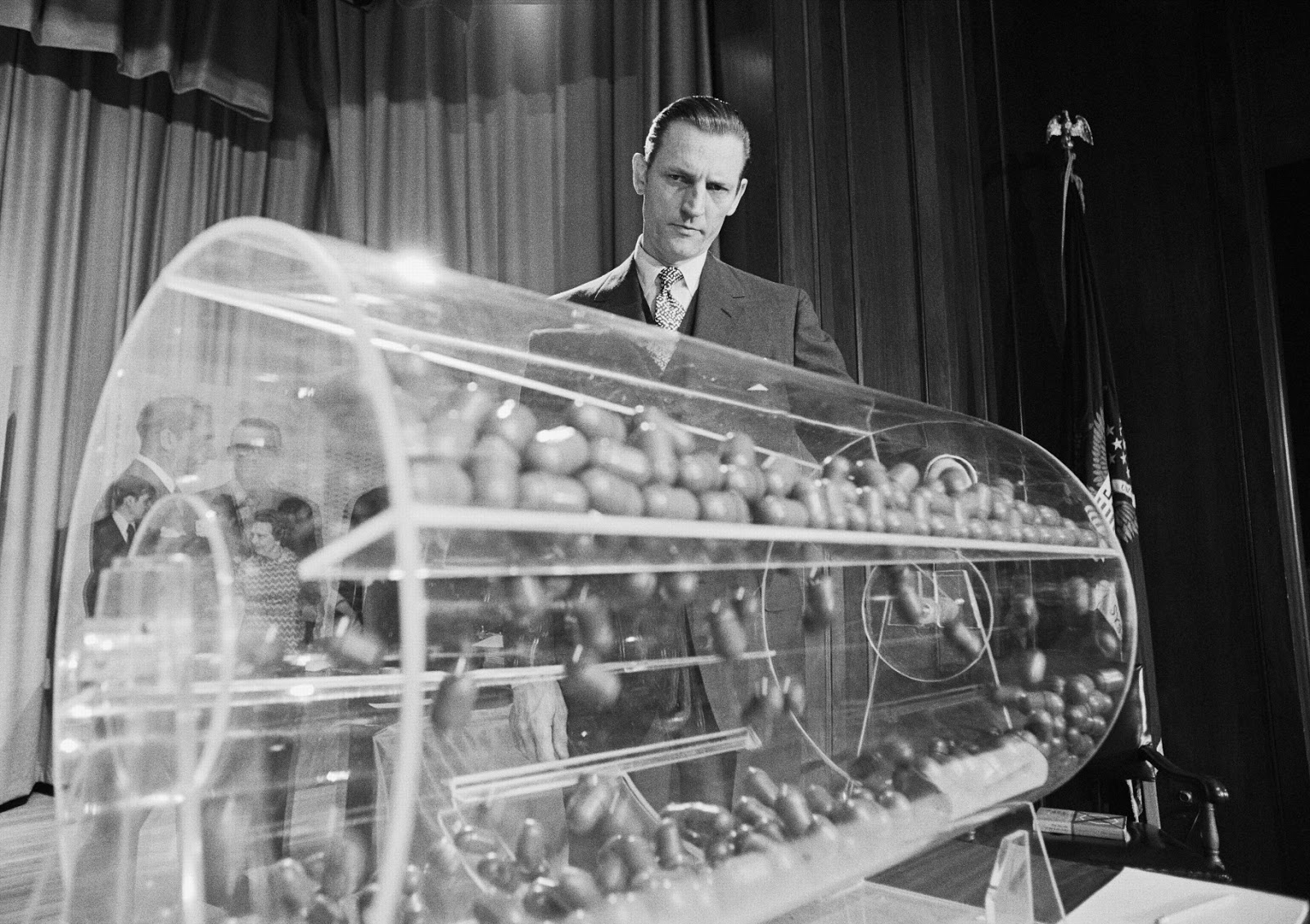
On December 1, 1969, the U.S. introduced the draft lottery system as a way to figure out which young men would be sent to fight in the Vietnam War. Broadcast on television, the lottery featured randomly selected birthdates as they were pulled from a glass jar. Can you imagine if this method was till being used today? The last draft lottery drawing occurred on March 12, 1975, bringing an end to a dark era in U.S. history.