
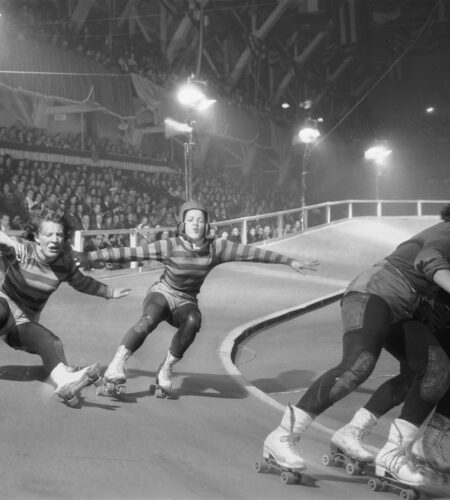
The 70s may have been the peak of roller derby’s popularity, but its legacy endures. Modern roller derby leagues pay tribute to this iconic era with retro-inspired uniforms and a focus on fun and inclusivity. While the sport has evolved, the spirit of ’70s roller derby lives on. Its fierce competition and entertainment mix remains timeless, inspiring a new generation of skaters and fans.
The Roller Revival
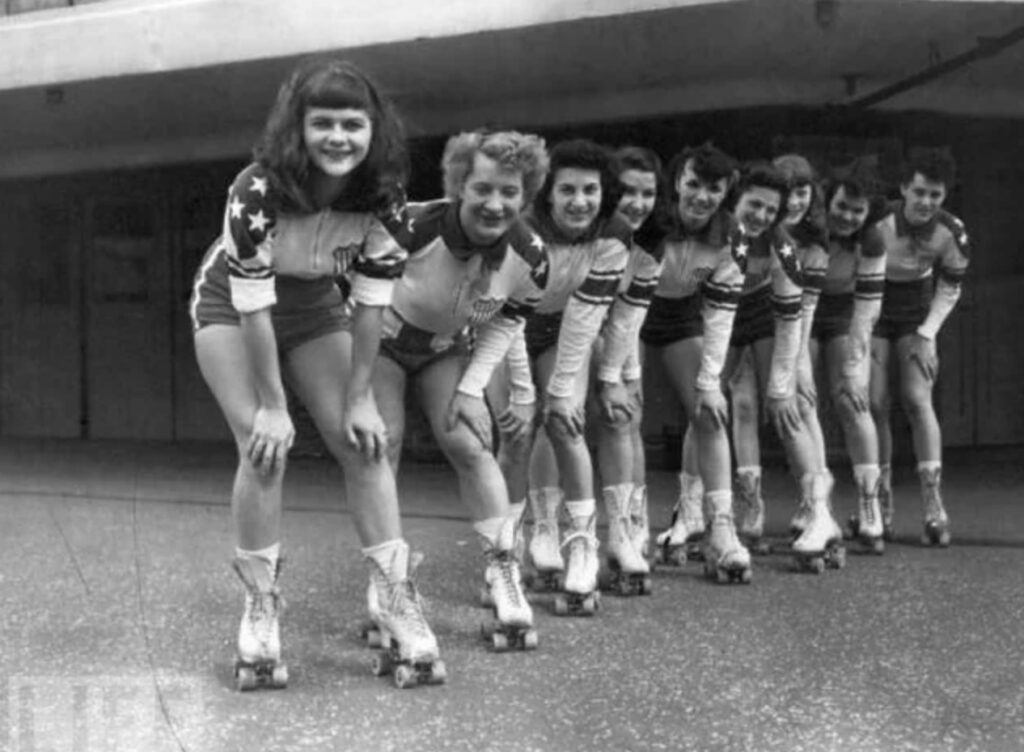
Roller derby started in the 1930s as an endurance contest. By the 70s, it had evolved into a spectacle of speed, skill, and showmanship. This revival made the sport fresh and thrilling. Teams competed with unmatched intensity, blending real competition with theatrical flair. Fans loved every second of it, packing arenas to watch the chaotic action unfold.
High Impact Style
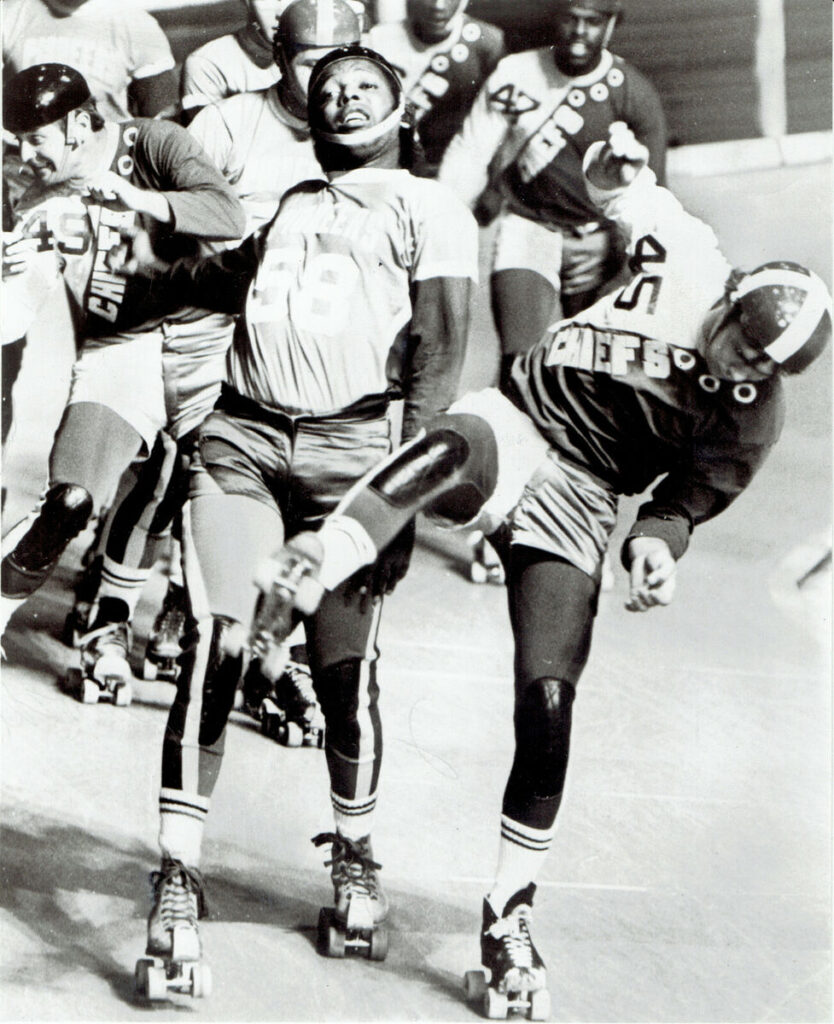
Roller derby in the 70s wasn’t for the faint of heart. Skaters raced around the track at breakneck speeds, throwing body checks and daring blocks. Collisions were common, and spills were part of the spectacle. This physical, fast-paced style brought an adrenaline rush that no other sport could match. Fans never knew what would happen next, making every game unpredictable and exciting.
Fierce Competitors
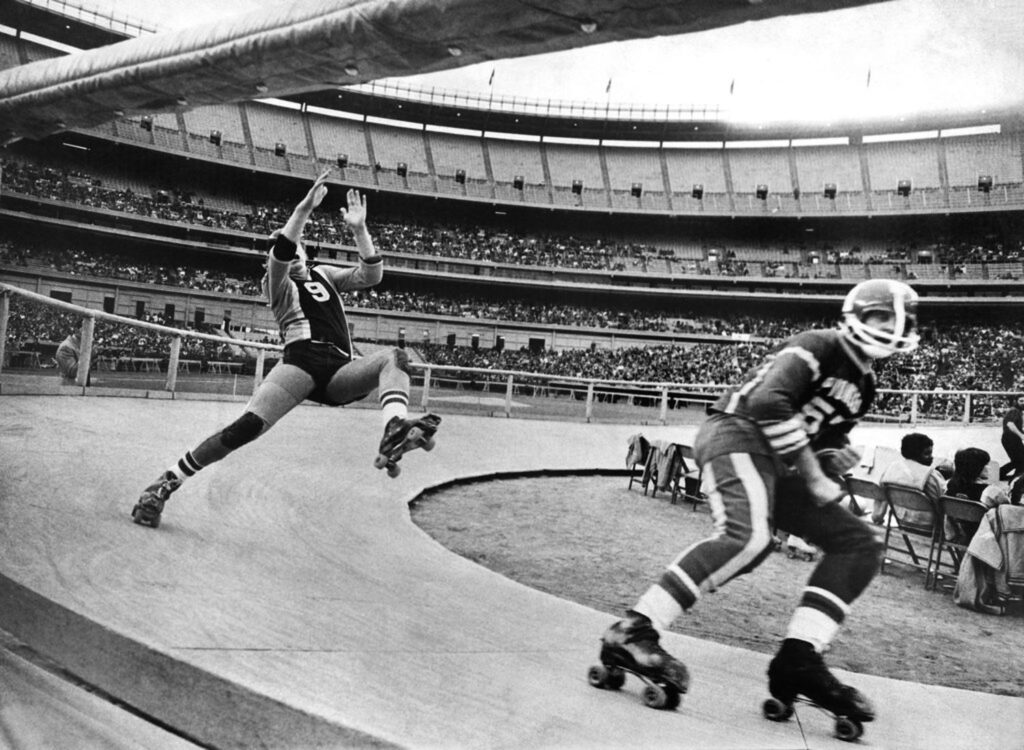
The 1970s introduced roller derby stars who became legends in their own right. These skaters combined athletic talent with undeniable charisma, creating a magnetic on-track presence. Icons like Joan Weston and Charlie O’Connell didn’t just race—they performed. Their rivalries, victories, and even their falls added to the drama that kept fans glued to the edge of their seats.
The Track
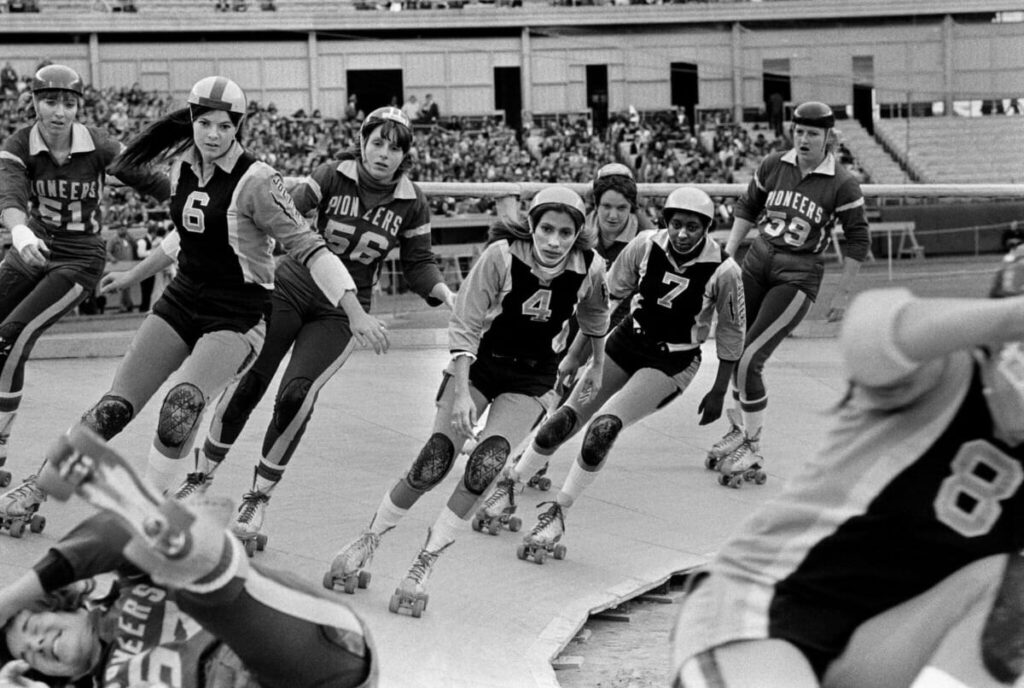
The heart of the ’70s roller derby was the banked track. Unlike flat tracks, these sloped designs allowed skaters to build incredible speed. Sharp turns and steep banks made the races more thrilling. Watching athletes navigate these unique tracks with skill and courage was mesmerizing. The track wasn’t just a playing field but a stage for daring feats.
For The People Roller derby had an everyman appeal in the 70s. Many skaters came from modest beginnings, making their rise to stardom even more inspiring. Fans could see themselves in these athletes, rooting for them as they worked hard and succeeded. This connection made roller derby feel accessible and grounded, drawing loyal audiences from all walks of life.
[/caption]