
History is full of moments that beg to be investigated. Each of these photos contains more than just an image, they’re filled with stories of those that we’ve forgotten. While we prefer to look at nostalgic moments that put a rosy hue on the past, it’s just as important to dig into these eerie images that tell stories that we may not want to know. As you dig through these snapshots prepare to be transported back in time to dark moments in history that have been forgotten, likely for a reason. Are you prepared? Remember, the only way out is through.
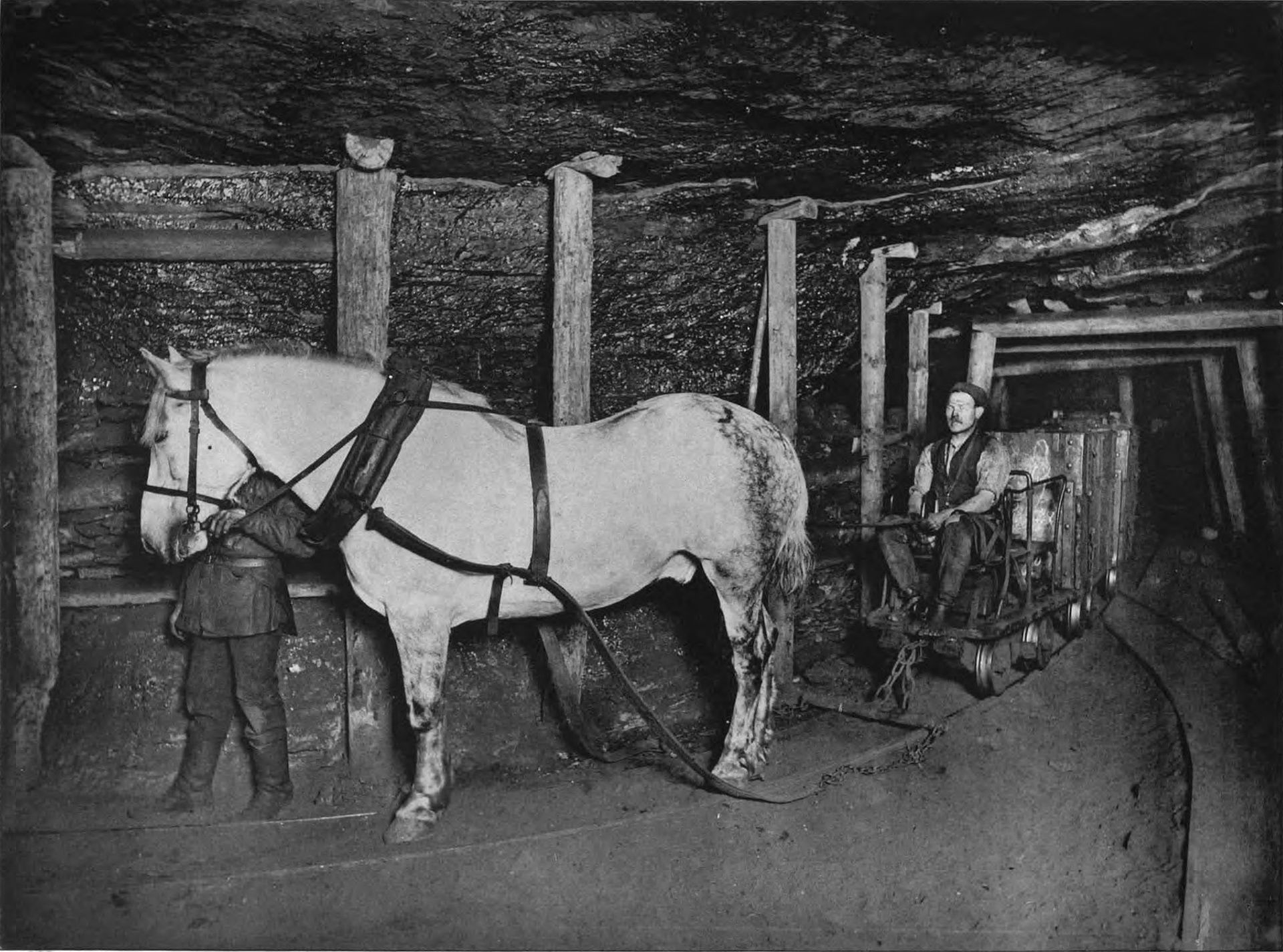
In the 19th century, so-called “pit ponies” took over for children who worked the mines. It’s great that children were being phased out of mine work, it’s also incredibly cruel to subject animals to this kind of work. Mining horses were brought into the profession in 1838, following a mining accident where 26 children were killed during a flood. By 1913, about 70,000 horses were at work in English coal mines where they pulled carts through underground tunnels. This kind of cruelty continued until the 1960s when pit ponies were finally phased out.
Getty Images
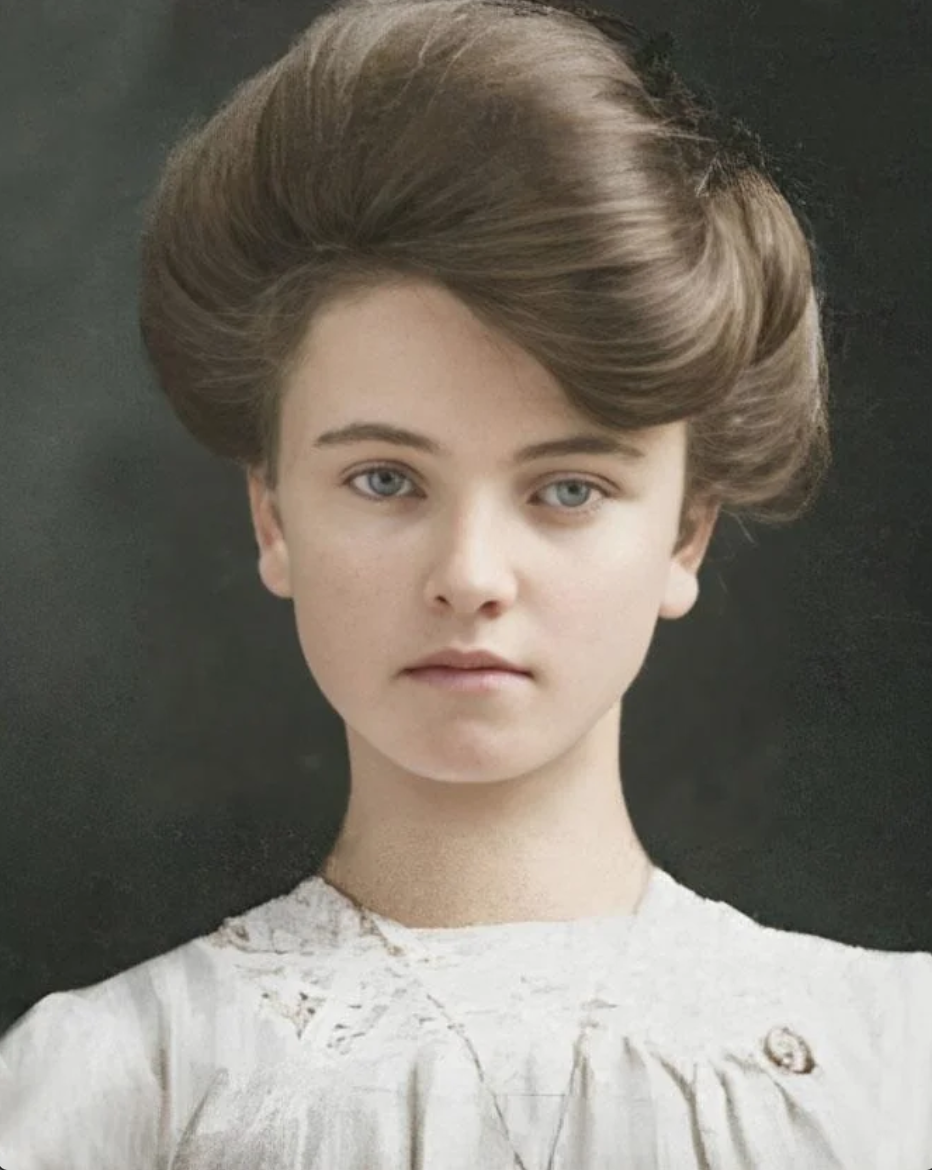
Gibson Girls weren’t your typical models. They weren’t photographed, rather they were illustrated by Charles Dana Gibson, an artist who worked from the late 19th century well into the mid 20th century. His concept of the “Gibson Girl” wasn’t just a pretty girl, she was slender and voluptuous with a big pile of curls on her head who had an effortless way about her. Essentially, Gibson wanted to create an illustration of the perfect American girl.
Getty Images
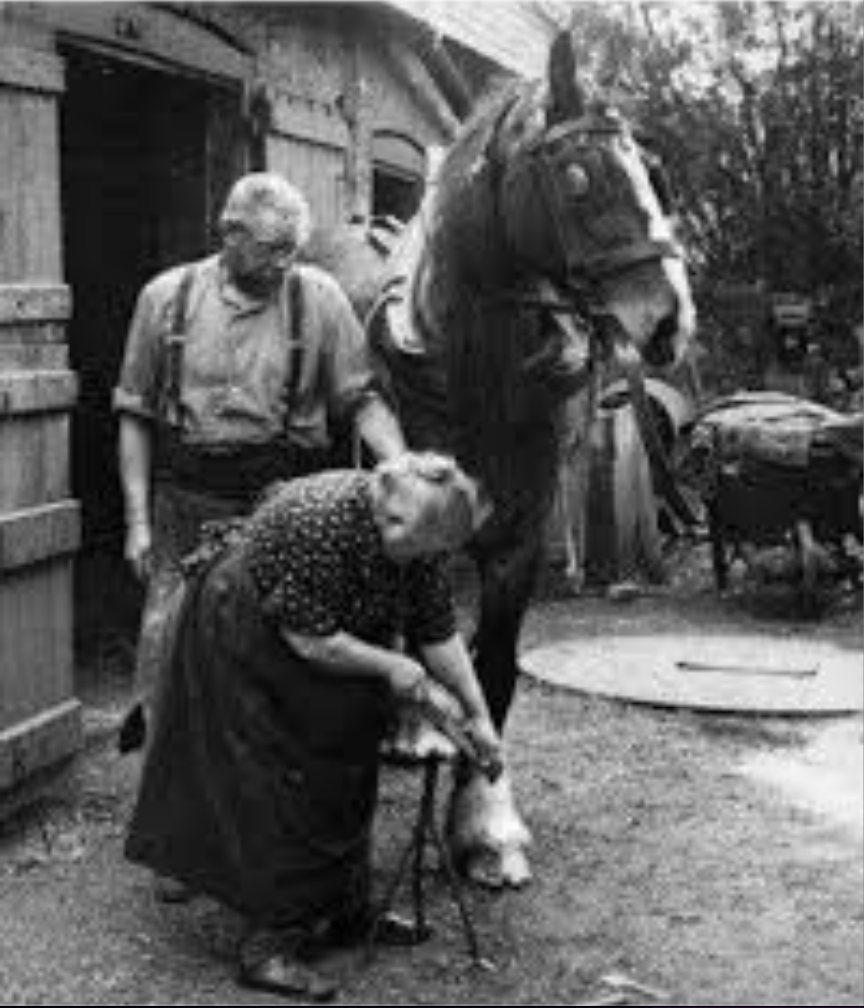
Elizabeth Arnold holds a special place in the annals of English history as one of, if not the only female Blacksmith well into the 20th century. Arnold could be found just outside of Kent, usually swinging a 10lb sledgehammer up until her 70th birthday. Working in a 400-year-old forge, Arnold was seriously old school. When we lost her we lost an entire way of life.
Getty Images
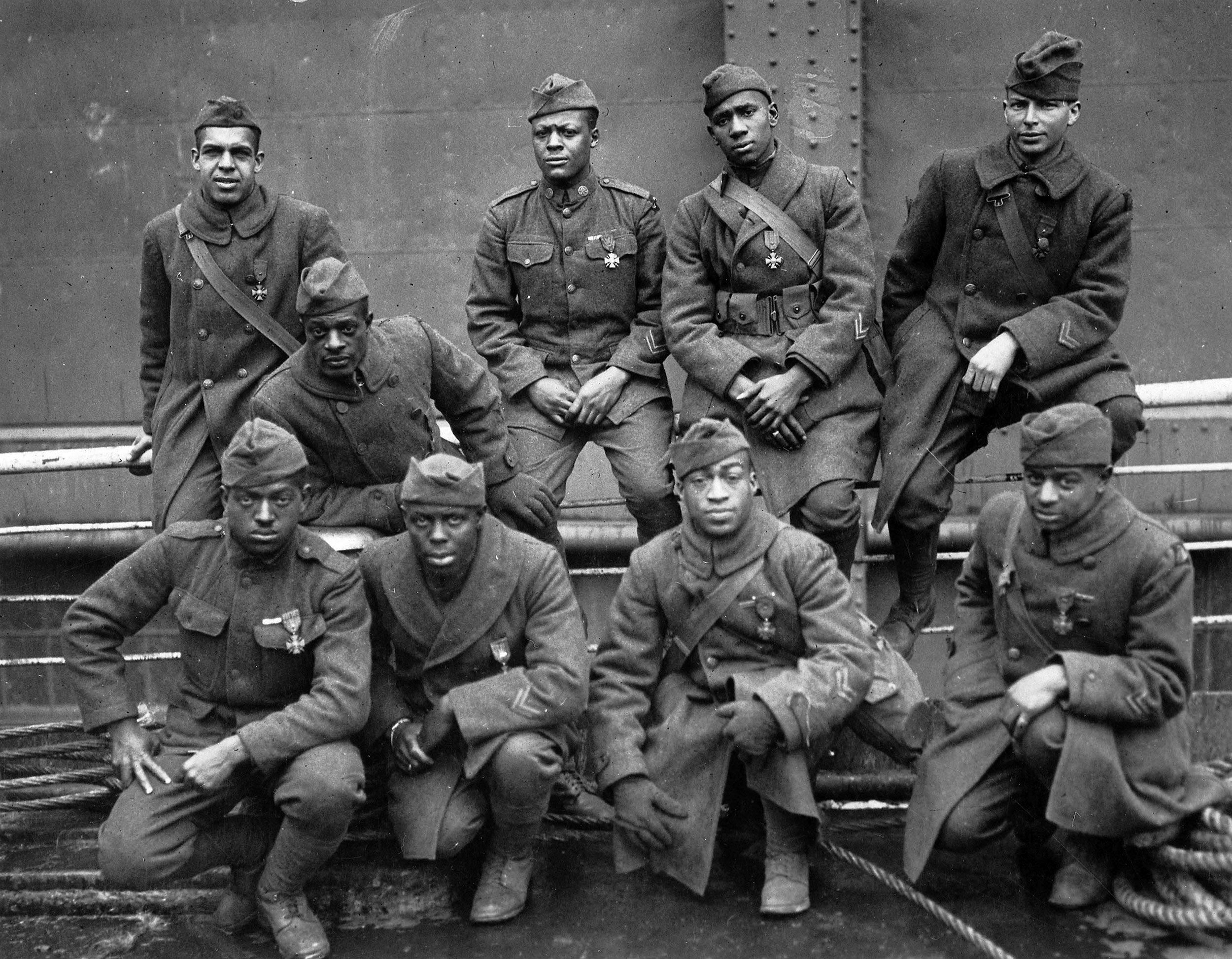
The Harlem Hellfighters were a 100% African-American infantry unit who performed more tours of World War 1 than any other unit in the US military. In spite of their bravery these men faced severe racism in the field and when they returned home. Many of these men were from New York City. They were only able to join the war effort after petitioning the government to let them serve. As Hellfighter member Arthur P. Davis explained, “To be somebody you had to belong to the 15th Infantry.”
Getty Images
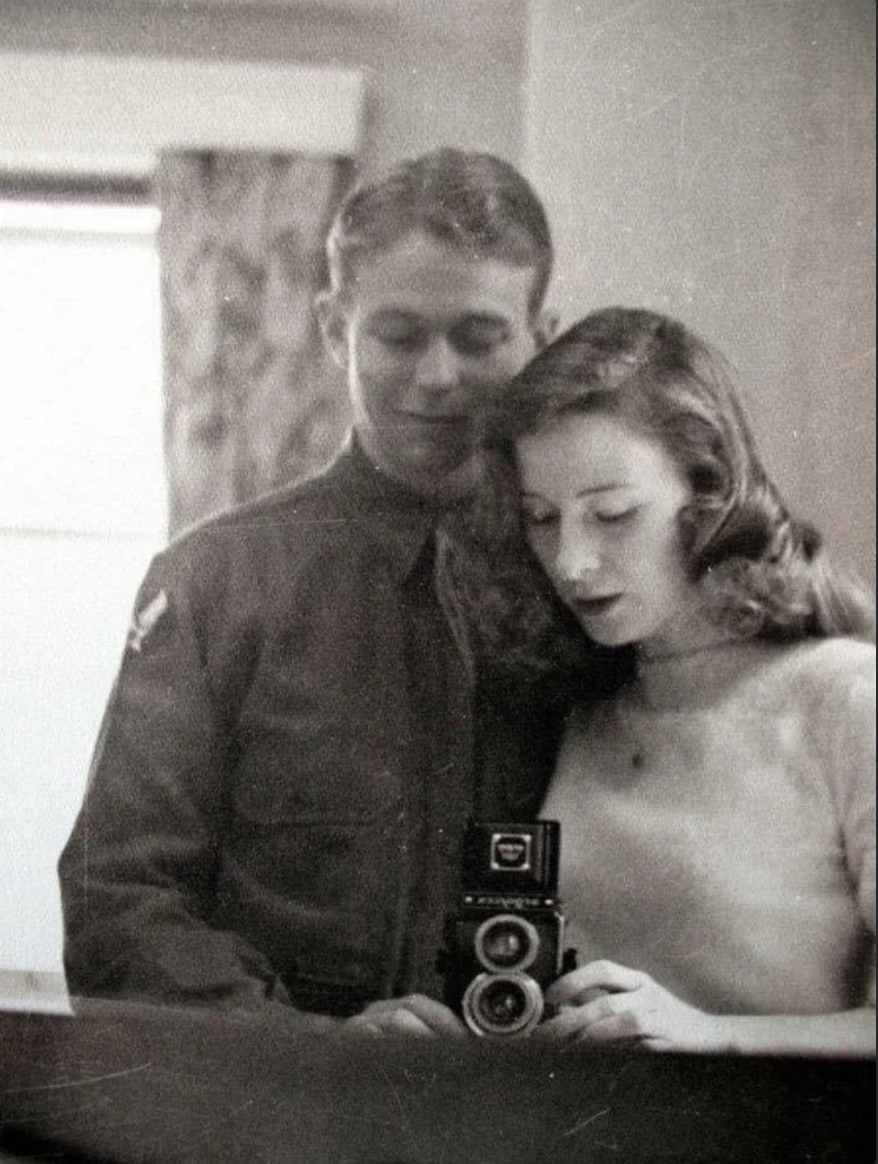
We often think of selfies as a fairly modern thing, but for as long as we’ve had cameras people have been taking photos of themselves. Heck, even before the invention of the camera painters made self-portraits. While we can easily take selfies today with a variety of tools, taking a selfie in the 1940s took a lot of patience and knowledge of focus and depth of field.
Getty Images
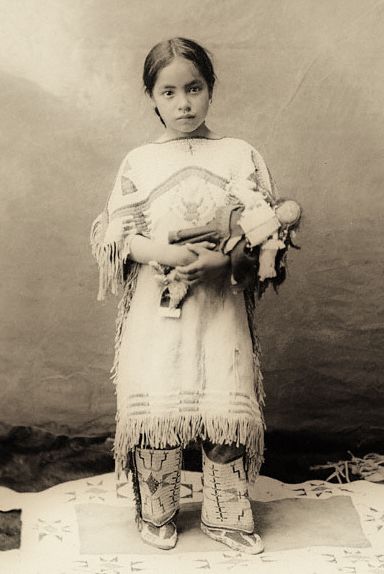
The Sioux people suffered a litany of indignities throughout the 19th century. Not only were they displaced from their homeland, but by 1890 the Sioux were split into the Dakota and Lakota almost at random. On December 29, 1890, the Lakota were forced to travel to Omaha, Nebraska by the 7th Cavalry Regiment. The Lakota didn’t want to travel from Wounded Knee Creek, which led to a battle that cost the lives of 150 men, women, and children. Following the massacre, the Sioux people, specifically the Lakota tribe, were further displaced on their reservations, and left destitute and struggling to survive.
Getty Images
Knocker-Uppers were one of those jobs that were phased out thanks to technology. Specifically, the advent of the alarm clock. From the 18th century into the early days of the 20th century, people paid for a service where low-income workers went around neighborhoods waking people up in all manner of ways. Some knocker-uppers would bang on windows with canes, sticks, or poles, but Mary Smith was known for shooting peas into the windows of anyone who asked. If you wanted to hire a knocker-upper all you needed to do was put a note outside your window with the time you wished to be woken. Should we bring this gig back? Surely there’s an app for that.

Getty Images
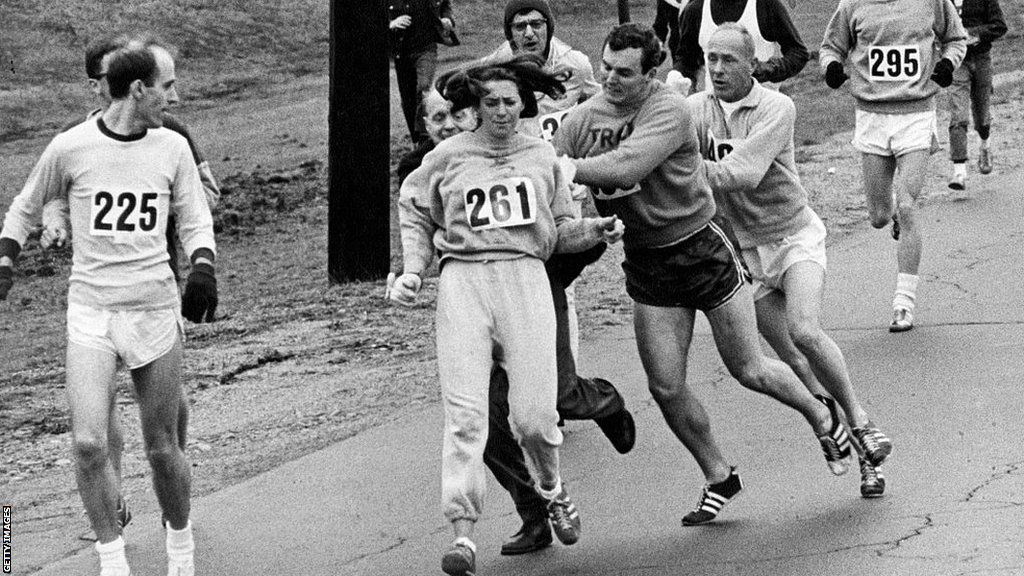
Believe it or not, but as late as 1966 women weren’t allowed to run in the Boston Marathon. This 26 mile race is seen as one of the most exciting and important amateur races in the United States – and Bobbi Gibb wanted to be a part of it. Gibb ran 40 miles a day to practice for the race, but she wasn’t allowed to take part because race director Will Cloney didn’t think that women were physically capable of handling the marathon. What was Gibb supposed to do? On April 10, 1966, Gibb put on her brother’s clothes and ran the marathon. When she finished the race, Governor John Volpe of Massachusetts made sure to congratulate her.
Getty Images
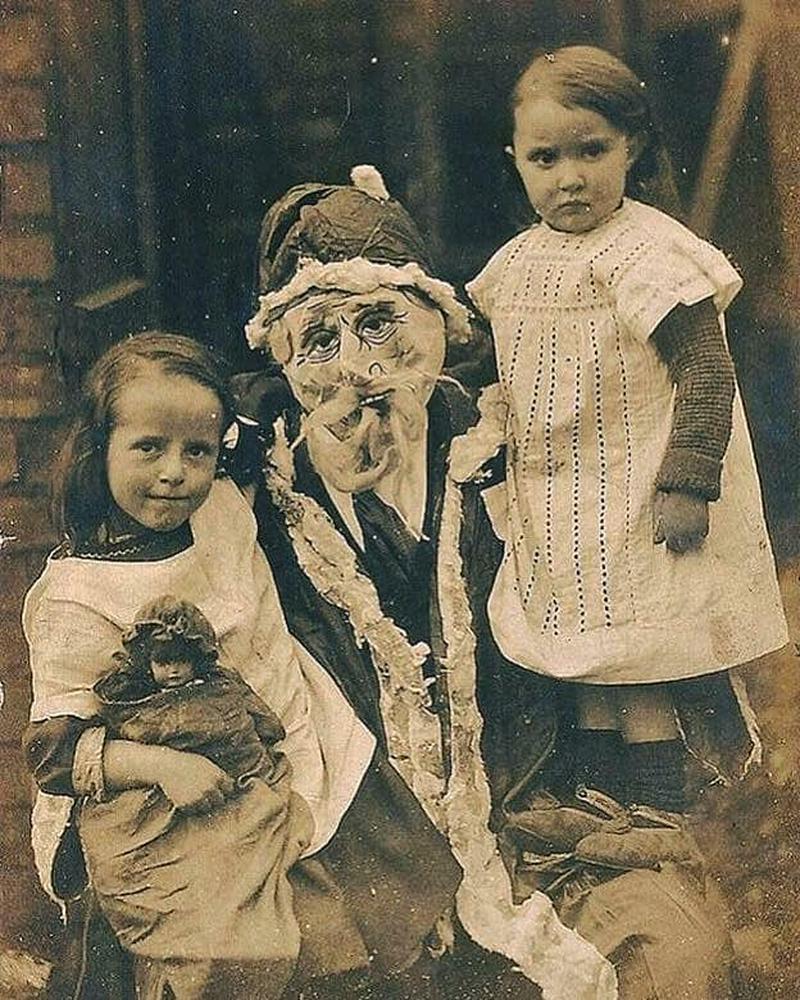
Today, we’re lucky enough to have a codified, cherubic version of Santa Claus thanks to Norman Rockwell, Coca-Cola and all manner of Christmas cards, but that wasn’t always the case. Before Rockwell illustrated the Santa that we know today, people were more “creative” when dressing up as the rosy cheeked man from the North Pole. If you look back at Christmas photos from the turn of the century you’ll see more regional peculiarities baked into these Santa impersonators, with some even forgoing the big belly that shakes like a bowl of jelly. As creepy as many of these images look, it’s honestly sweet that they were trying at all.
Getty Images
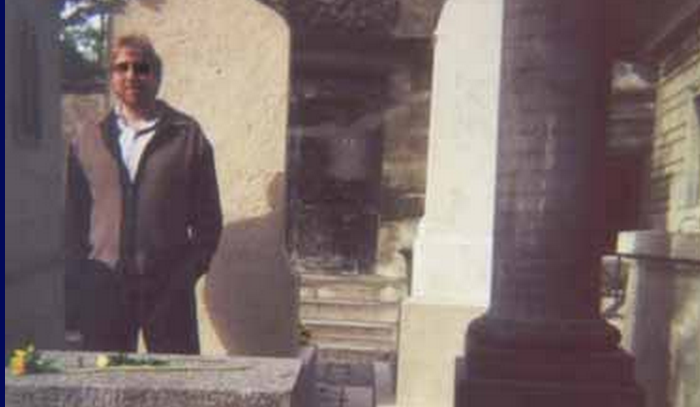
While traipsing through the Pere Lachaise cemetery in France in 1997, swamp rocker Tom Petty offhandedly took a photo of rock historian Brett Meisner as he stood in front of Jim Morrison’s grave. The photo allegedly captured the image of the dead rocker’s ghost, although Meisner says that he didn’t notice the specter in the photo until 2002. Initially, Meisner enjoyed showing people the image once he noticed the “ghost,” but noted that things turned dark after a while. He said, “At first it was sort of interesting to see how many people felt a spiritual bond with Jim and the photo, but now the whole vibe seems negative.”
Getty Images