
Challenger Disaster (1986): Space Shuttle Challenger exploded shortly after launch, killing all seven crew members, including teacher Christa McAuliffe.
September 11, 2001 (9/11 Attacks): Coordinated terrorist attacks by al-Qaeda on the World Trade Center in New York City and the Pentagon in Arlington, Virginia, killing nearly 3,000 people.

Getty Images
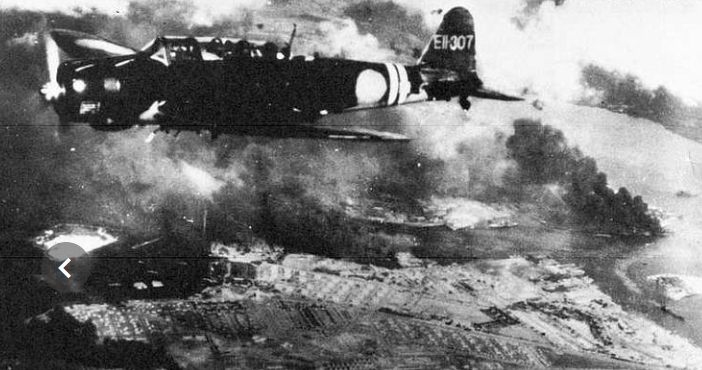
Pearl Harbor Attack (1941): Surprise military strike by the Imperial Japanese Navy against the United States naval base in Hawaii, leading to America’s entry into World War II.
Getty Images
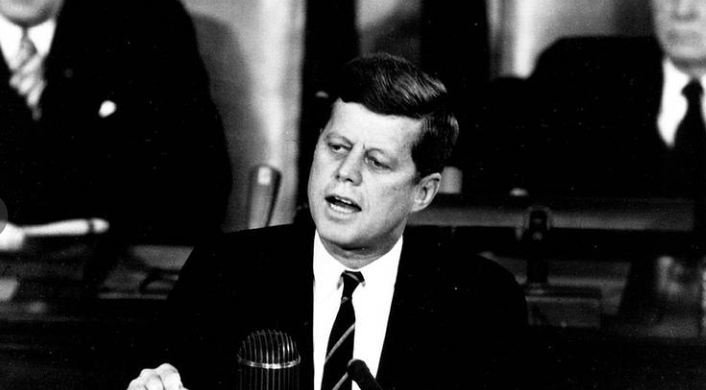
Assassination of President John F. Kennedy (1963): President Kennedy was shot and killed in Dallas, Texas, sparking grief and uncertainty about the nation’s future.
Getty Images
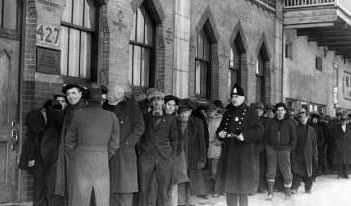
Great Depression (1929-1930s): The worst economic downturn in U.S. history, marked by widespread unemployment, poverty, and financial instability.
Getty Images
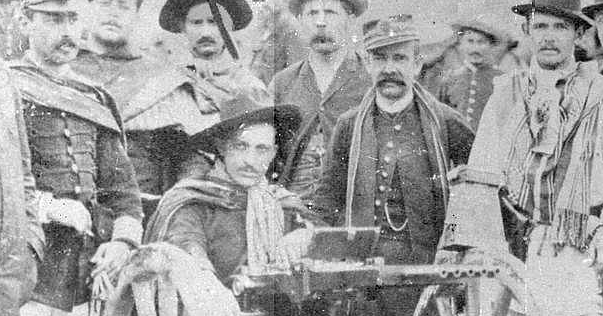
Civil War (1861-1865): A conflict between the Northern states (Union) and Southern states (Confederacy) over slavery and states’ rights, resulting in tremendous loss of life and national division.
Getty Images
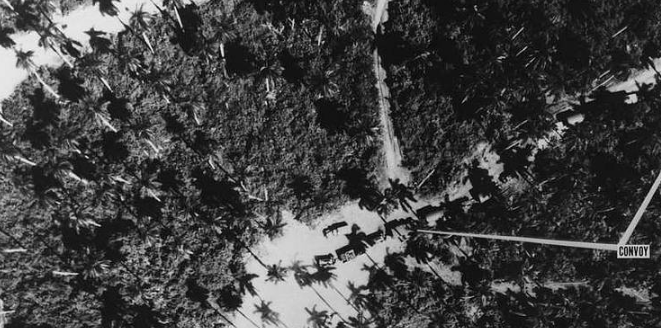
Cuban Missile Crisis (1962): Tense standoff between the United States and the Soviet Union over the presence of Soviet missiles in Cuba, bringing the world to the brink of nuclear war.
Getty Images
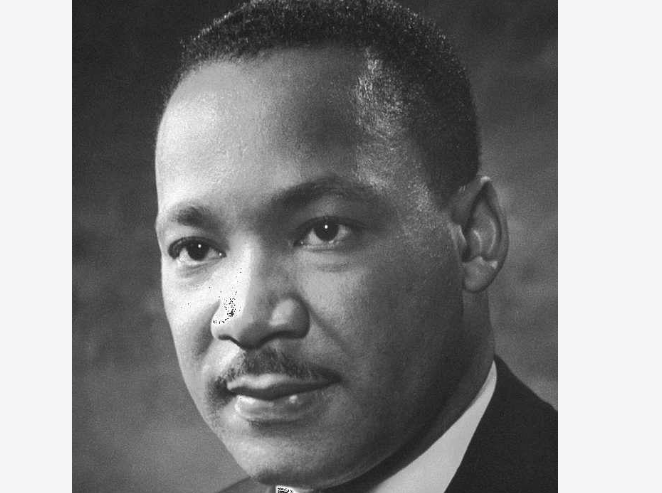
Assassination of Martin Luther King Jr. (1968): Civil rights leader Martin Luther King Jr. was assassinated in Memphis, Tennessee, leading to widespread riots and mourning across the country.
Getty Images
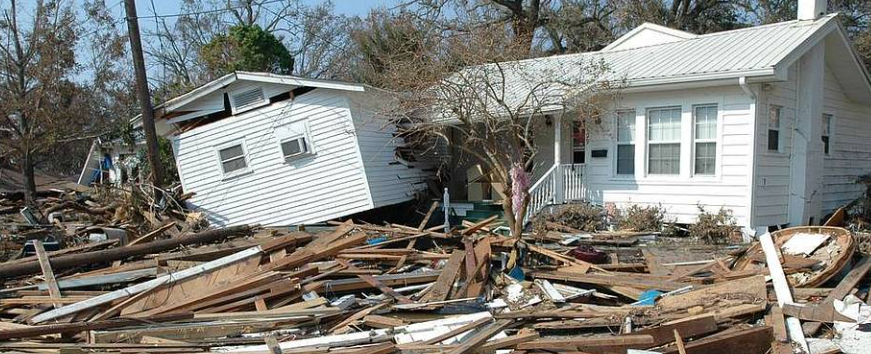
Hurricane Katrina (2005): Category 5 hurricane that devastated New Orleans and the Gulf Coast, causing catastrophic flooding and loss of life, exposing failures in disaster response.
Getty Images
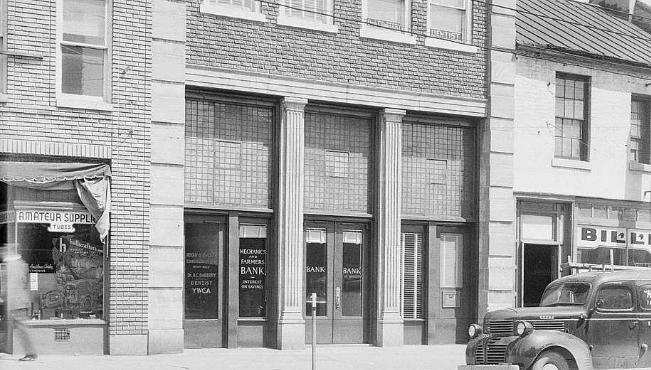
Stock Market Crash of 1929: The crash of the stock market marked the beginning of the Great Depression, leading to economic turmoil and widespread hardship.
Getty Images
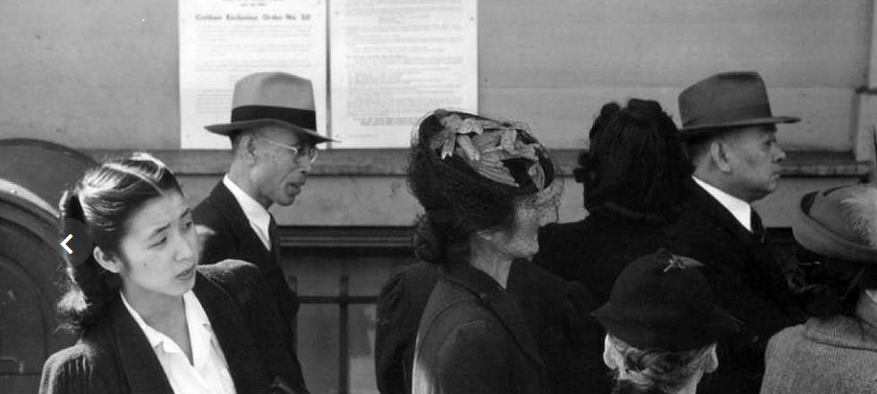
Japanese Internment (1942-1945): Following the attack on Pearl Harbor, Japanese Americans were forcibly relocated and interned in camps across the United States, a dark chapter in civil liberties.
Getty Images
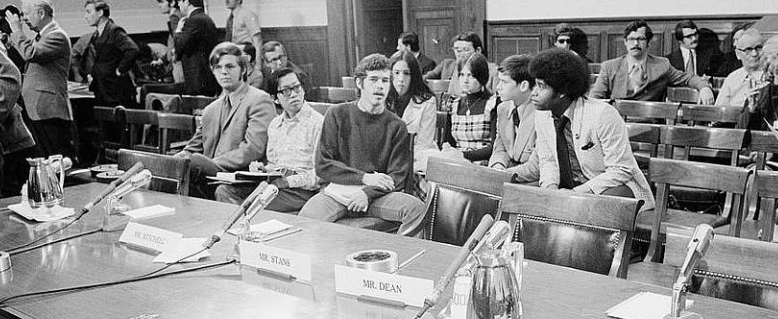
Watergate Scandal (1972-1974): Political scandal involving President Richard Nixon’s administration, leading to his resignation amid accusations of abuse of power and obstruction of justice.
Getty Images
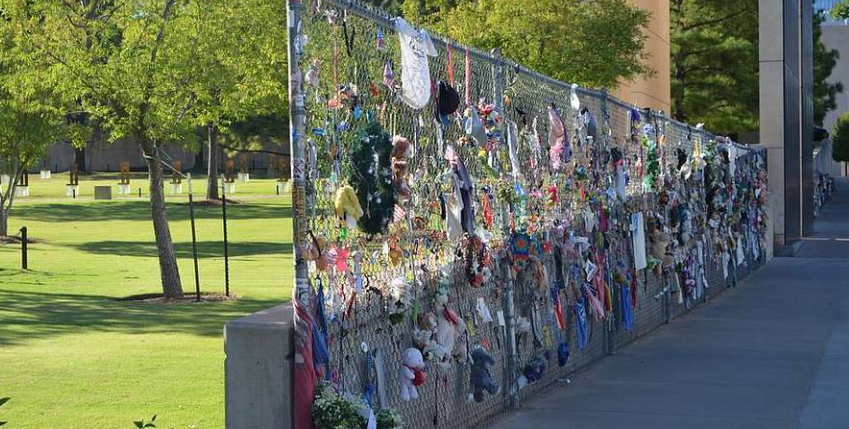
Oklahoma City Bombing (1995): Domestic terrorist bombing of the Alfred P. Murrah Federal Building, killing 168 people and injuring hundreds more, perpetrated by Timothy McVeigh.
Getty Images
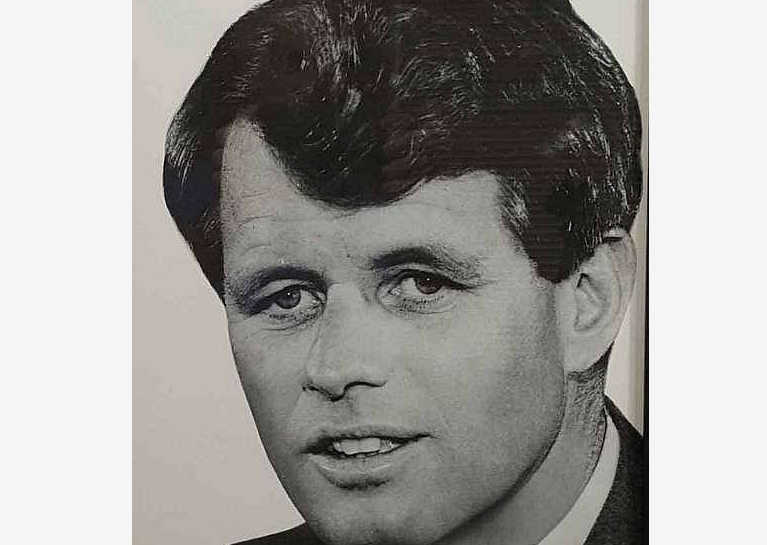
Assassination of Robert F. Kennedy (1968): Senator Robert F. Kennedy, brother of JFK, was assassinated in Los Angeles during his presidential campaign, further deepening national turmoil.
Getty Images
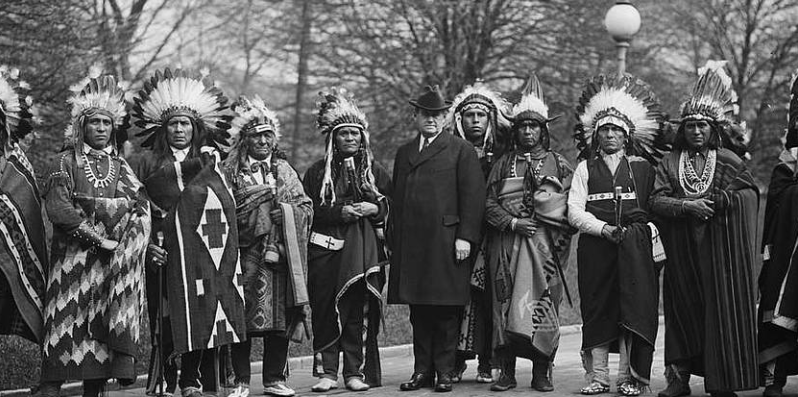
Indian Removal Act (1830): Legislation signed by President Andrew Jackson leading to the forced relocation of Native American tribes from their ancestral lands, causing immense suffering and death along the Trail of Tears.
Getty Images
COVID-19 Pandemic (2020-present): Global pandemic caused by the novel coronavirus (SARS-CoV-2), leading to widespread illness, death, economic disruption, and profound social and political consequences.

Getty Images
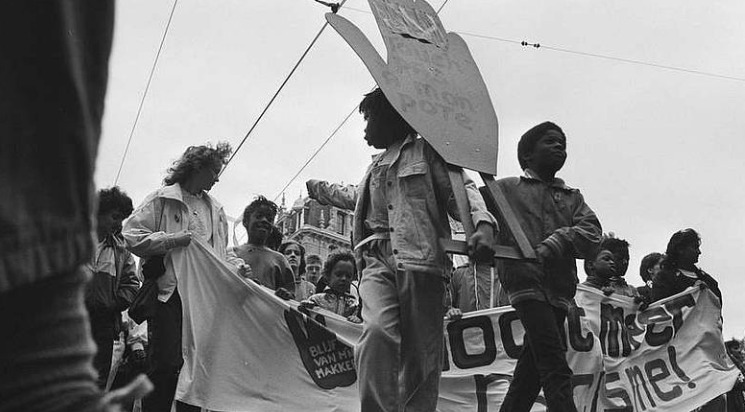
Lynchings and Racial Violence: Throughout American history, racially motivated violence, including lynchings and race riots, has caused immense fear, trauma, and division, highlighting deep-seated racial tensions.
Getty Images