

Billionaire investor and Berkshire Hathaway chairman Warren Buffett recently revealed his advice for parents writing their wills. Buffett believes children should understand the reasoning behind inheritance decisions. He has observed families torn apart by misunderstandings or perceived unfairness.
Buffett is widely regarded as one of the most successful investors in history. He currently serves as the chairman and CEO of Berkshire Hathaway, a multinational conglomerate holding company he has led since 1965.
Known as the “Oracle of Omaha,” Buffett is currently the fifth wealthiest individual on earth. He is a strong advocate of value investing, a strategy he learned from his mentor Benjamin Graham, focusing on undervalued companies with strong fundamentals.

Getty Images
A committed philanthropist, Buffett has pledged to give away 99% of his wealth, primarily through the Giving Pledge, which he co-founded with Bill and Melinda Gates.

Getty Images
Buffett purchased his first stock at age 11 and filed his first tax return at 13. He is especially known for his frugality, living in the same house in Omaha, Nebraska, that he purchased in 1958 for $31,500.

Getty Images
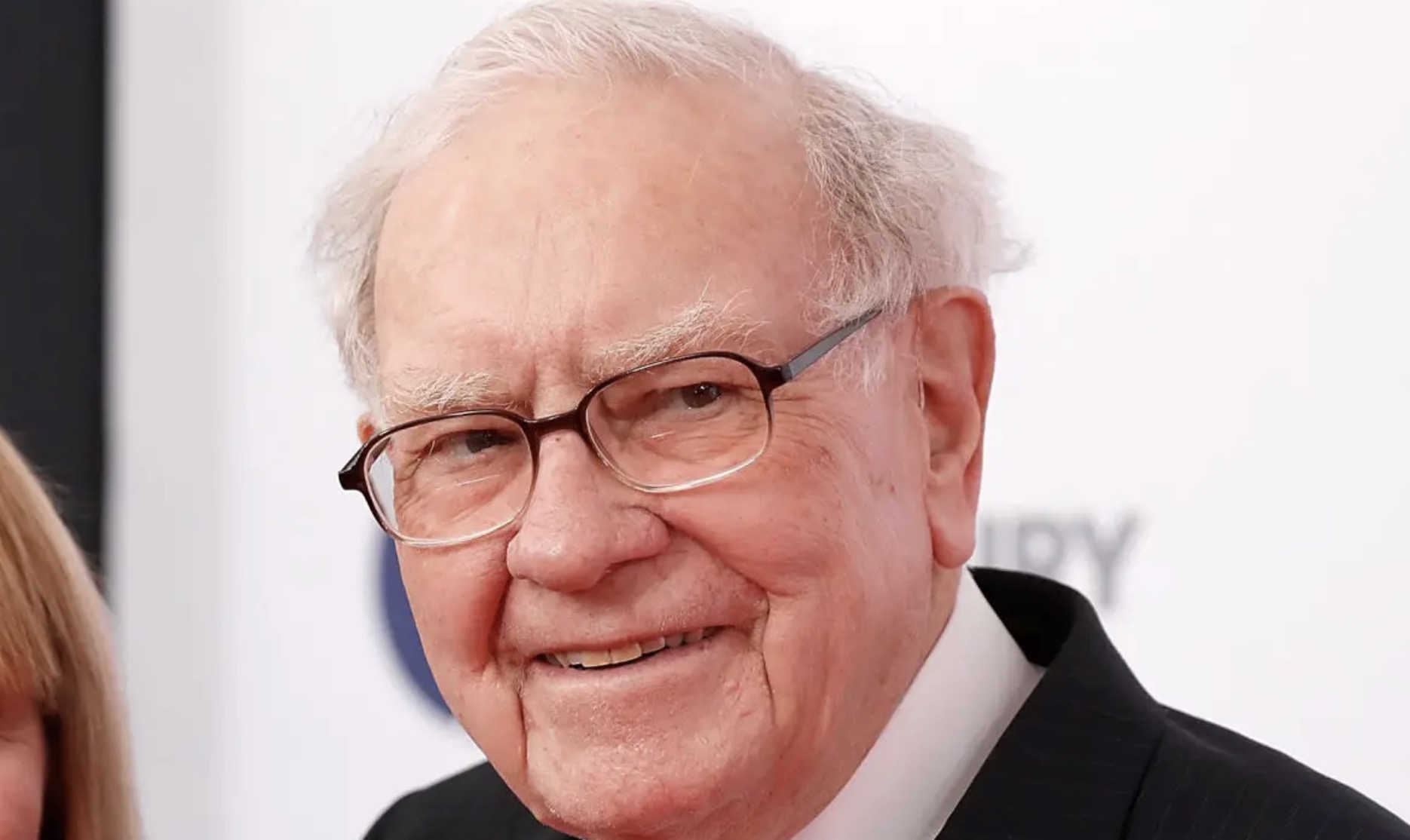
Buffett wrote, “Be sure each child understands both the logic for your decisions and the responsibilities they will encounter upon your death.”
Getty Images
Buffett added, “If any have questions or suggestions, listen carefully and adopt those found sensible. You don’t want your children asking ‘Why?’ in respect to testamentary decisions when you are no longer able to respond.”

Getty Images
Buffett recalled, “Over the years I witnessed many families driven apart after the posthumous dictates of the will left beneficiaries confused and sometimes angry. Jealousies, along with actual or imagined slights during childhood, became magnified.”

Getty Images
Buffett said, “There is nothing wrong with my having to defend my thoughts. My dad did the same with me.”

Getty Images
Financial planners like Douglas Boneparth and Carolyn McClanahan agree that discussing unequal inheritances can help mitigate feelings of unfairness among siblings.

Getty Images
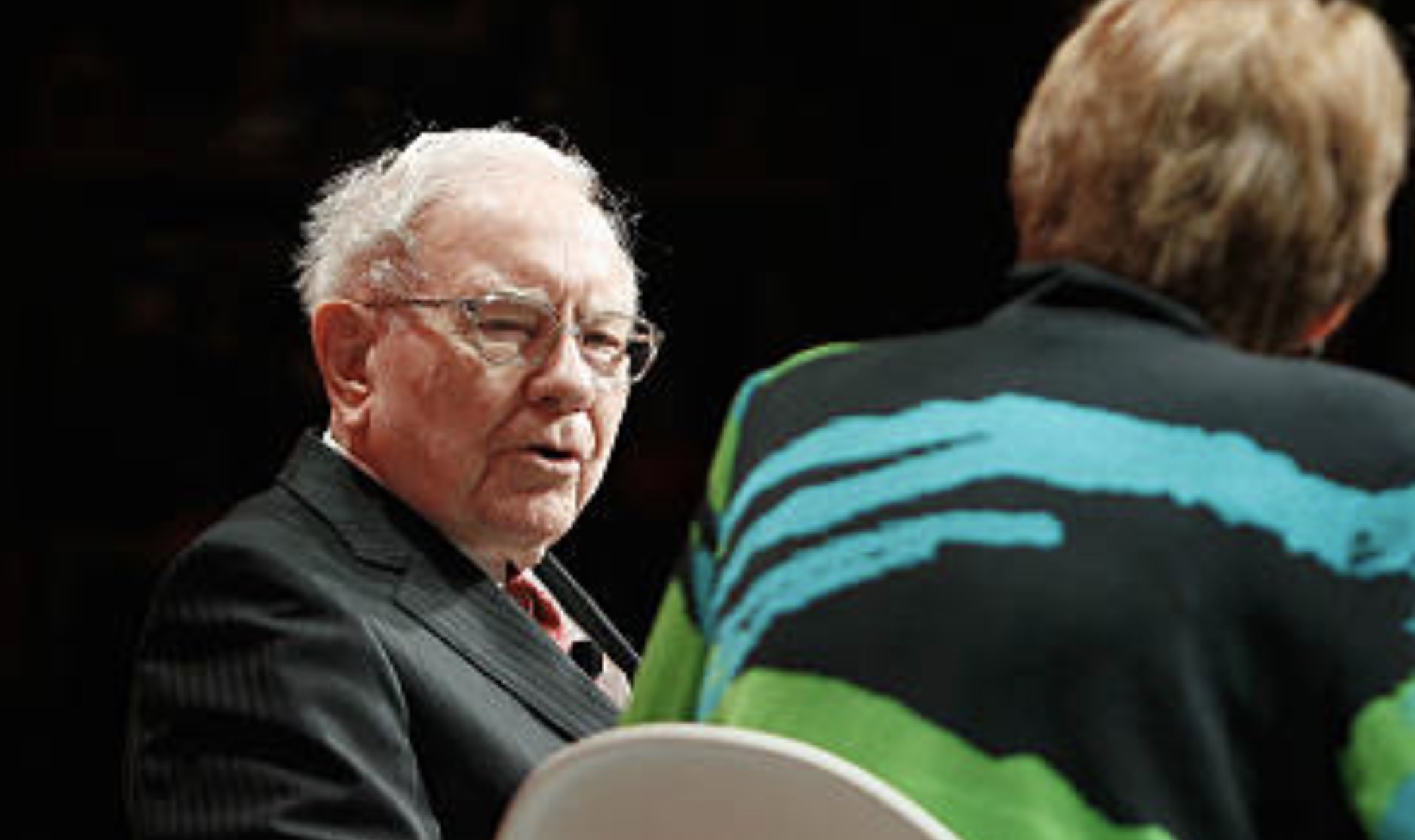
Boneparth said, “These are tough conversations to have, but they’re meaningful and when approached correctly, can strengthen relationships,” adding, “Kids’ imagination can run wild with what they think they should be getting.”
Getty Images
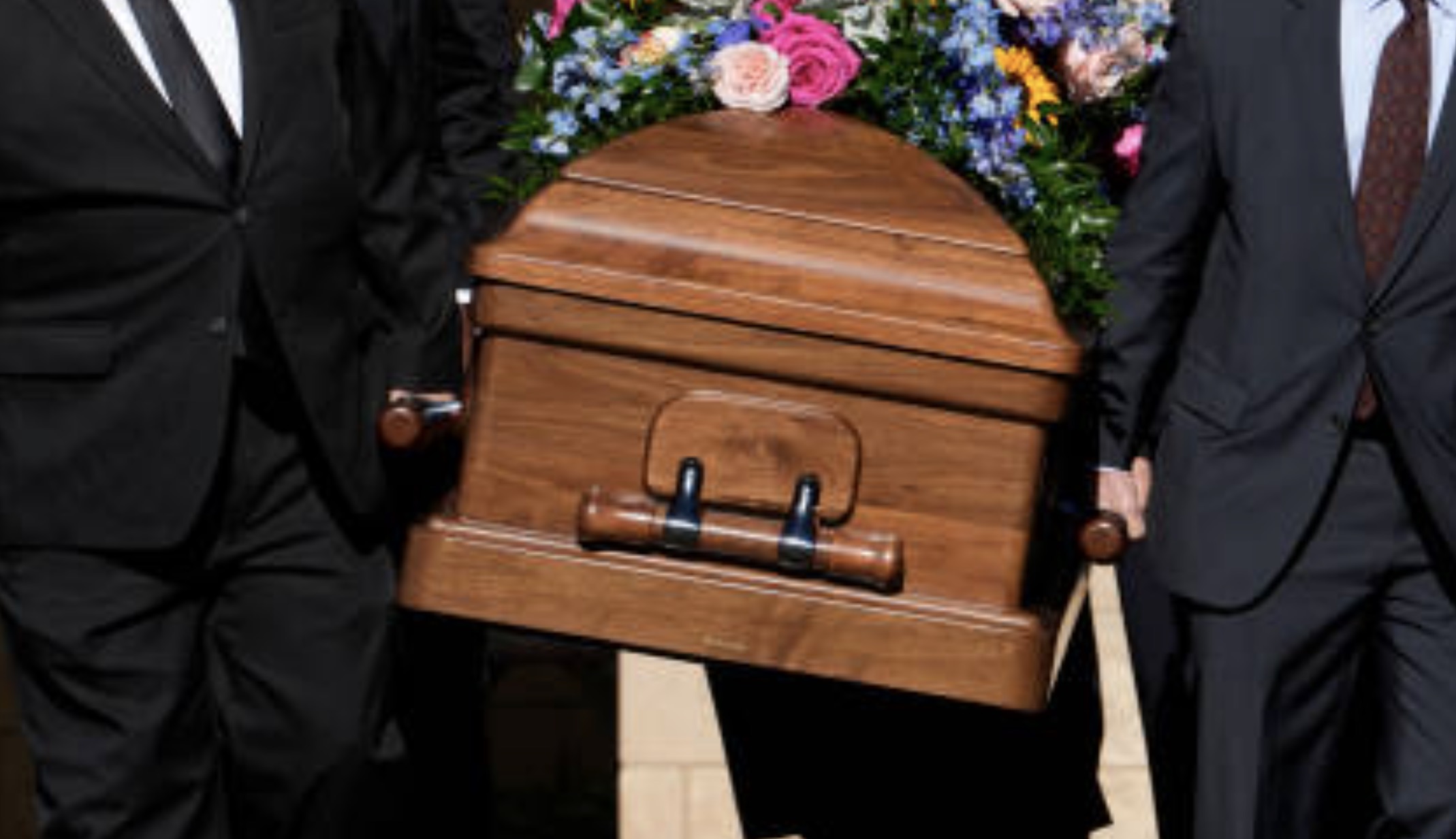
Boneparth added, “People might worry about hurting their kids’ feelings, or hearing from one that they think something is unfair. Well, that’s exactly why you want to discuss it, and not ‘punt that mess for when you’re not around.'”
Getty Images
In some cases, withholding details may be better, especially if a child is financially immature or has exploited parents. A posthumous letter can explain such decisions.

Getty Images
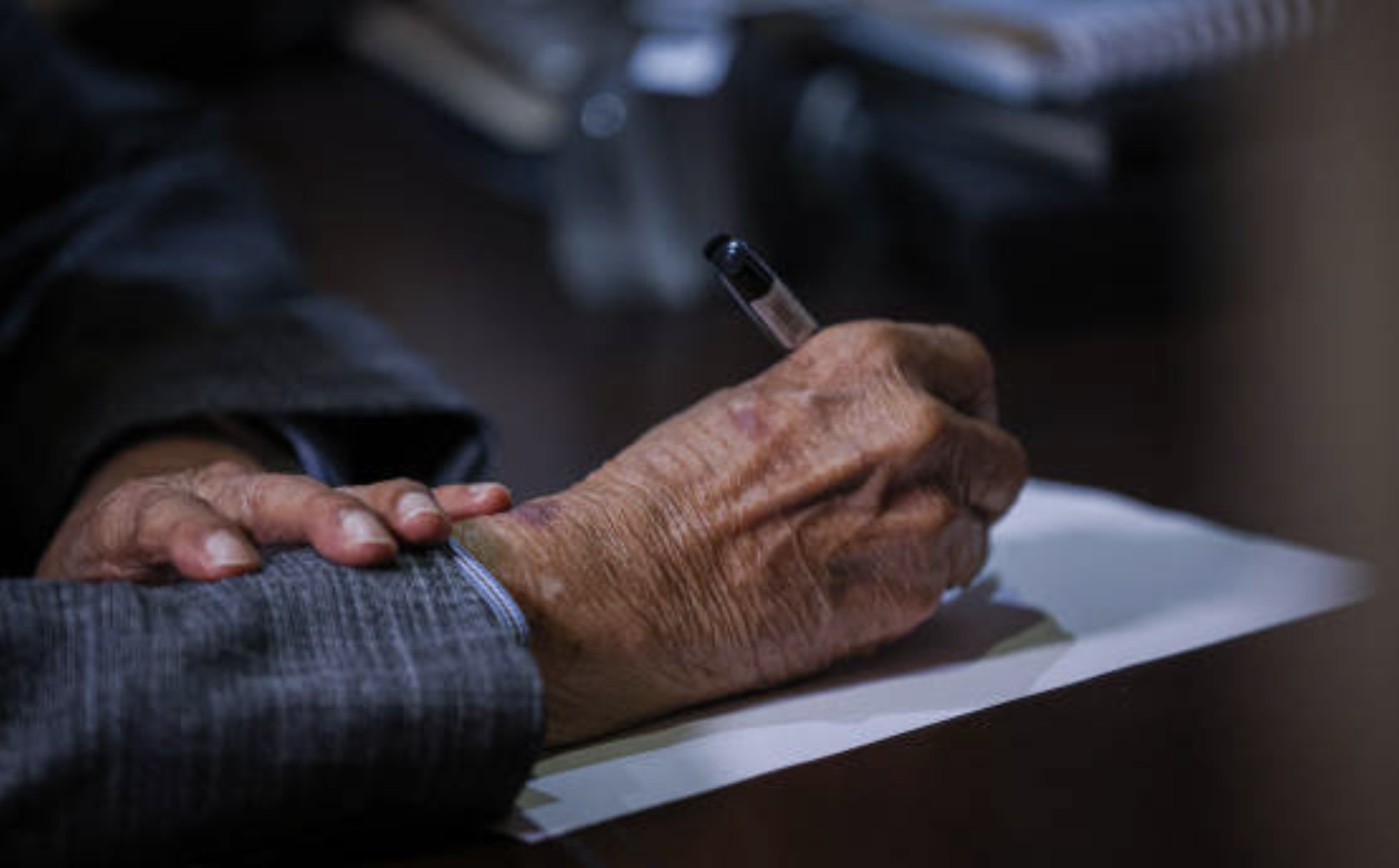
McClanahan stated, “In rare cases, it’s best for parents to withhold certain information in their will.”
Getty Images
McClanahan concluded, “For example, she would recommend a parent be more cautious if a child has exploited them financially. Meanwhile, if a child is irresponsible with jobs or money, learning that they stand to inherit a lot may further erode their work ethic and ambition.”

Getty Images