
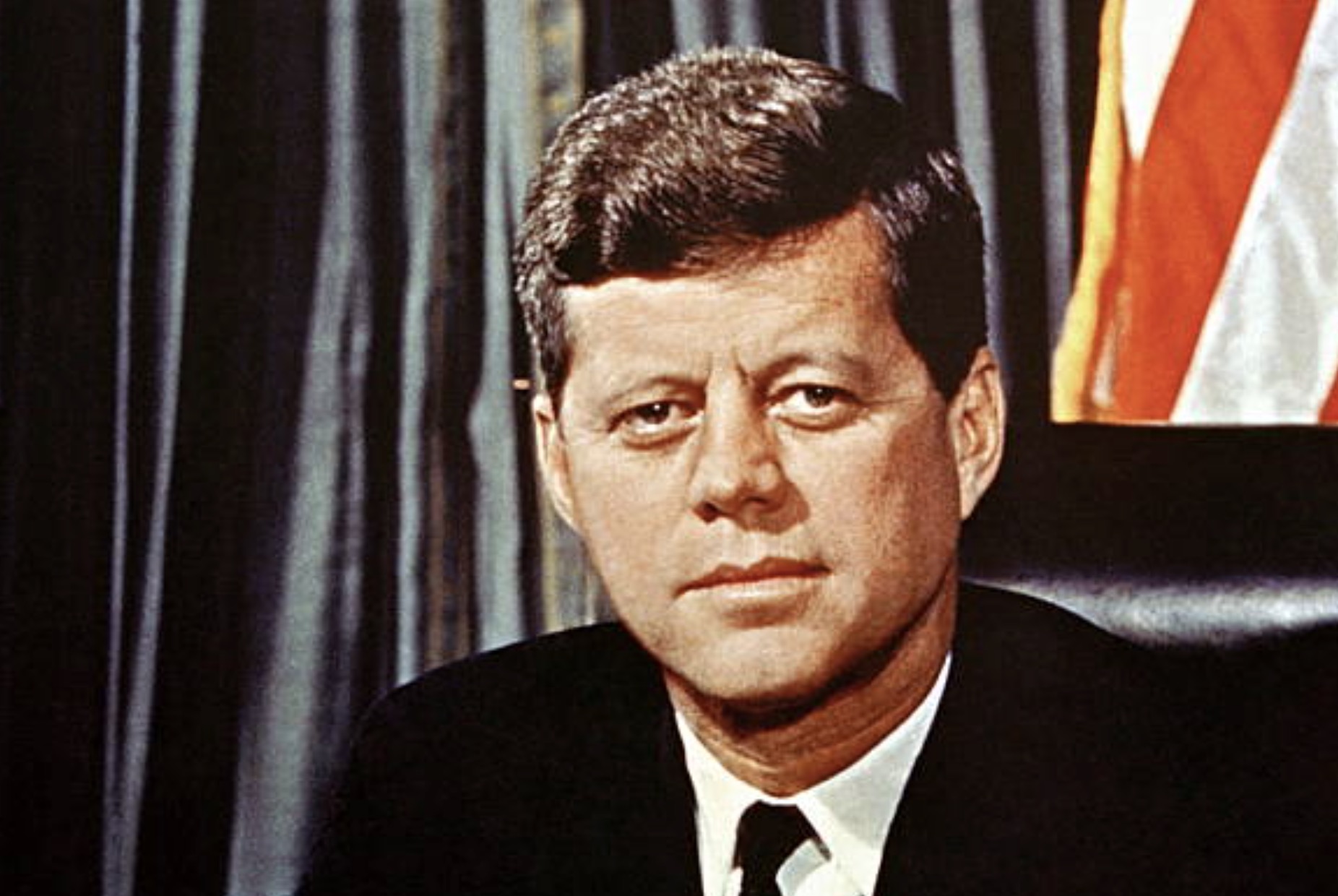
The challenge to land on the moon was initiated by President John F. Kennedy in 1962 as a response to the Cold War and the need to demonstrate U.S. technological superiority. Apollo 11 was NASA’s fifth crewed Apollo mission that successfully took U.S. astronauts to the Moon. In this slideshow, we take a closer look at lesser-known details about the moon landing.

Crew Members: The astronauts on board were Neil Armstrong, Edwin (“Buzz”) Aldrin, Jr., and Michael Collins. Apollo 11 was launched from Cape Kennedy (now Cape Canaveral), Florida, on July 16, 1969.
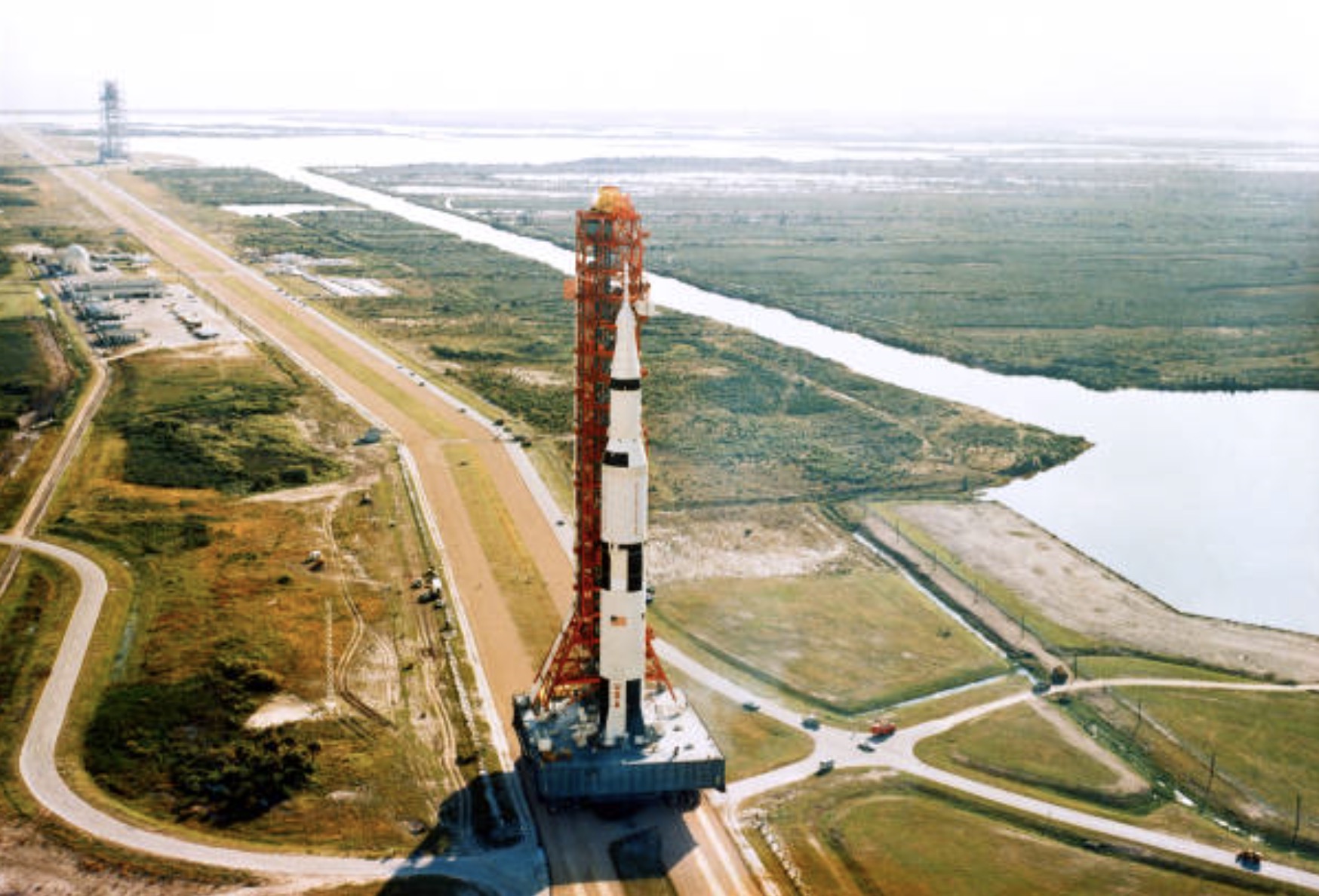
The launch was witnessed by hundreds of thousands of people in person and watched by hundreds of millions more on television. On the morning of July 20, Armstrong and Aldrin crawled from the command module, Columbia, to the lunar module, Eagle, before splitting from Columbia later in their orbit.
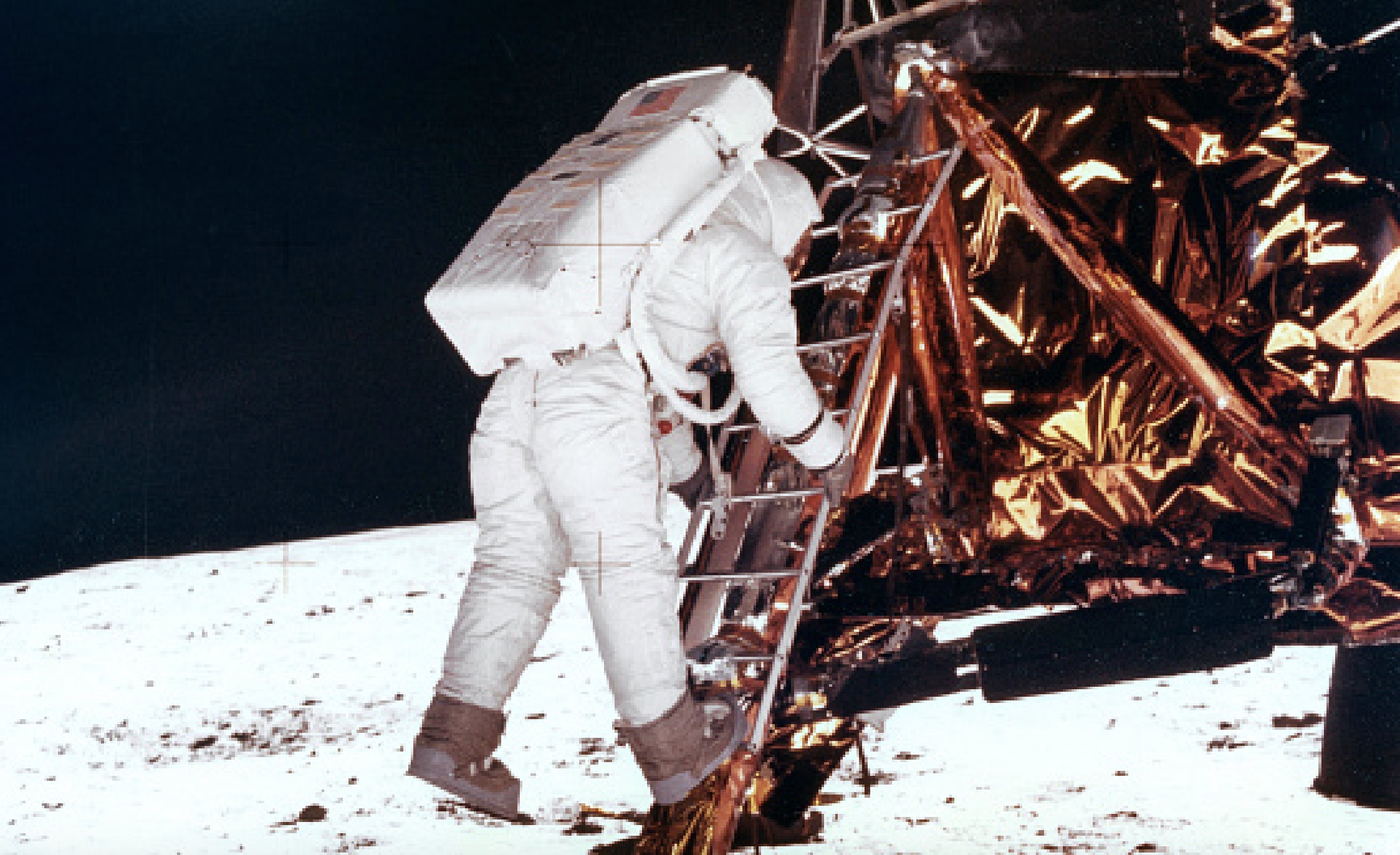
Touchdown: Armstrong and Aldrin piloted Eagle to the lunar surface, landing in the Sea of Tranquility, and at 4:17 PM EDT, Armstrong confirmed, “Houston, Tranquility Base here. The Eagle has landed.”
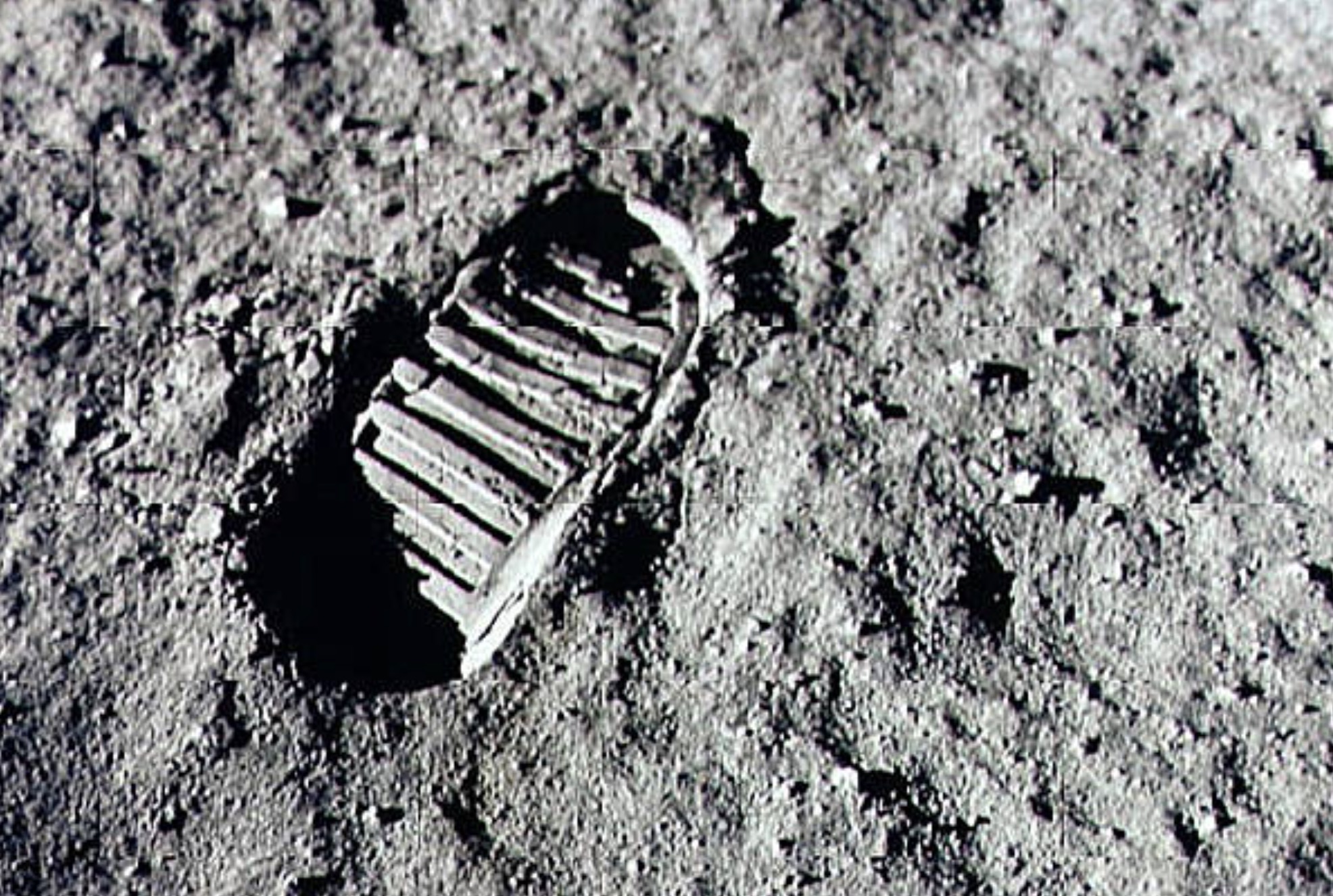
First Steps on the Moon: At 10:56 PM EDT on July 20, Armstrong became the first person to step onto the lunar surface, declaring, “That’s one small step for [a] man, one giant leap for mankind.”
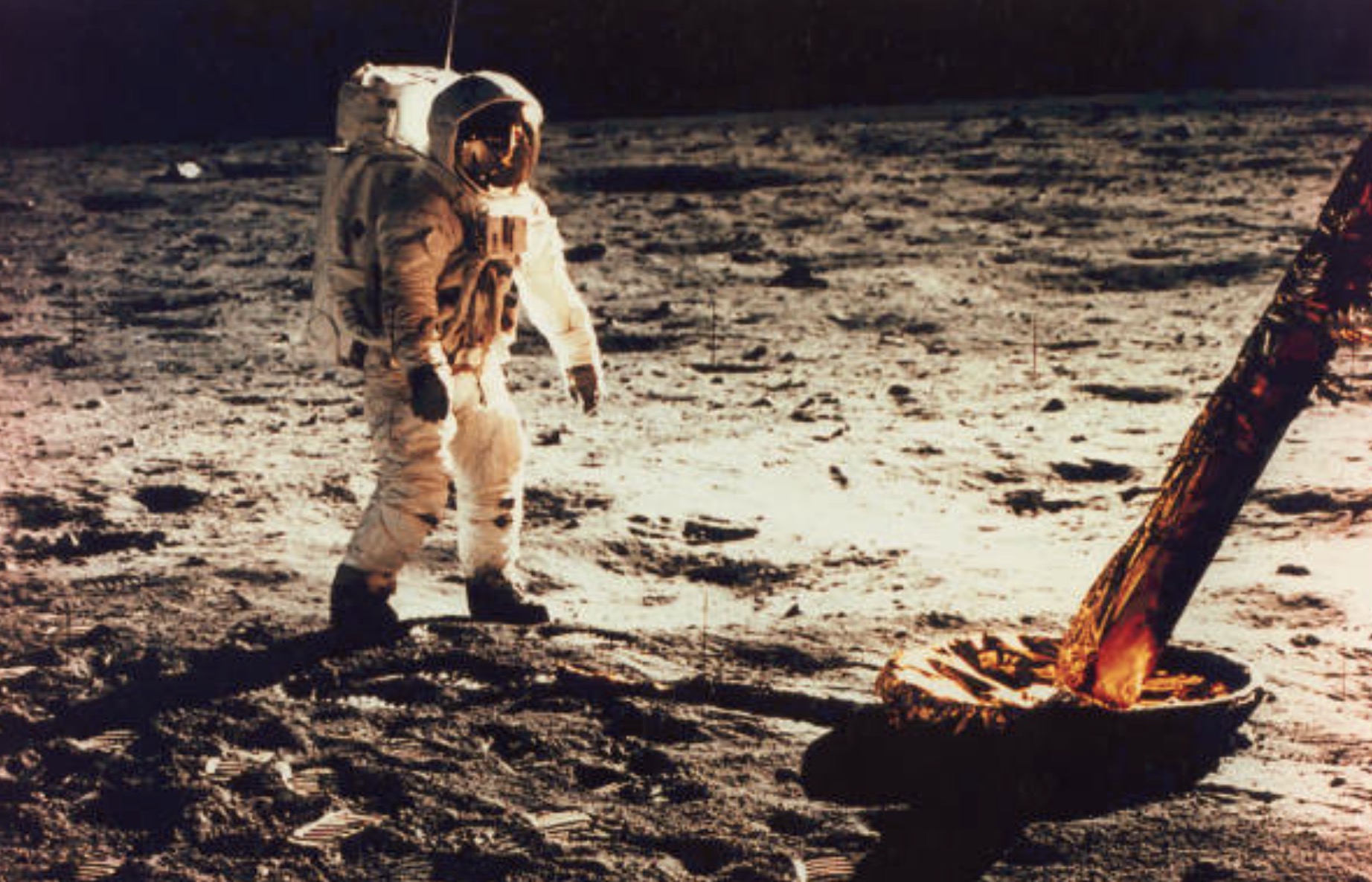
Upon landing, astronauts Neil Armstrong and Buzz Aldrin discovered that lunar soil had a unique smell akin to burned wet ashes, although this scent couldn’t be studied on Earth due to its loss in sealed containers.
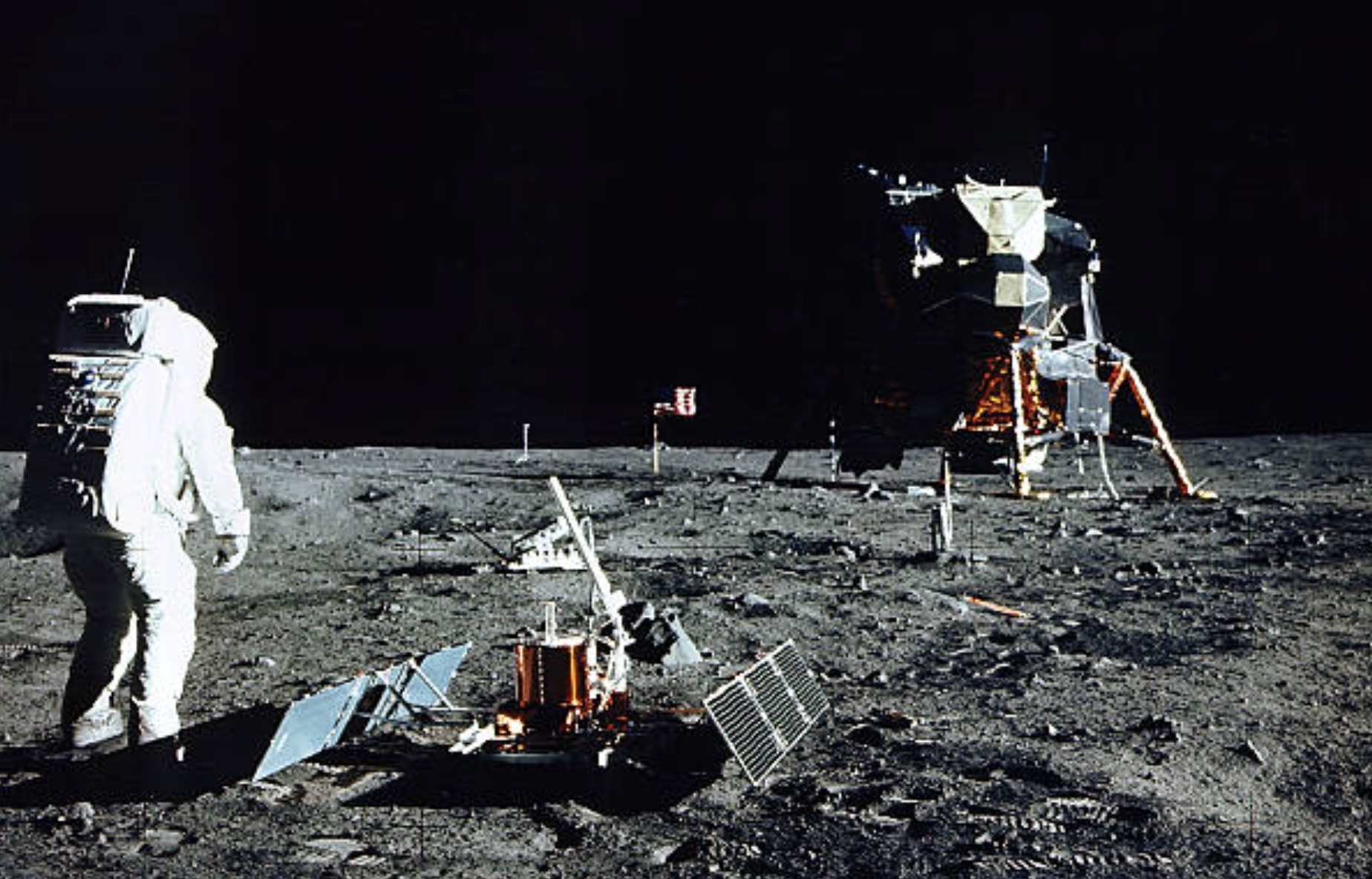
During their Moon walk, they set up instruments to measure solar wind composition, distance to Earth, and a passive seismometer to record moonquakes and impacts.
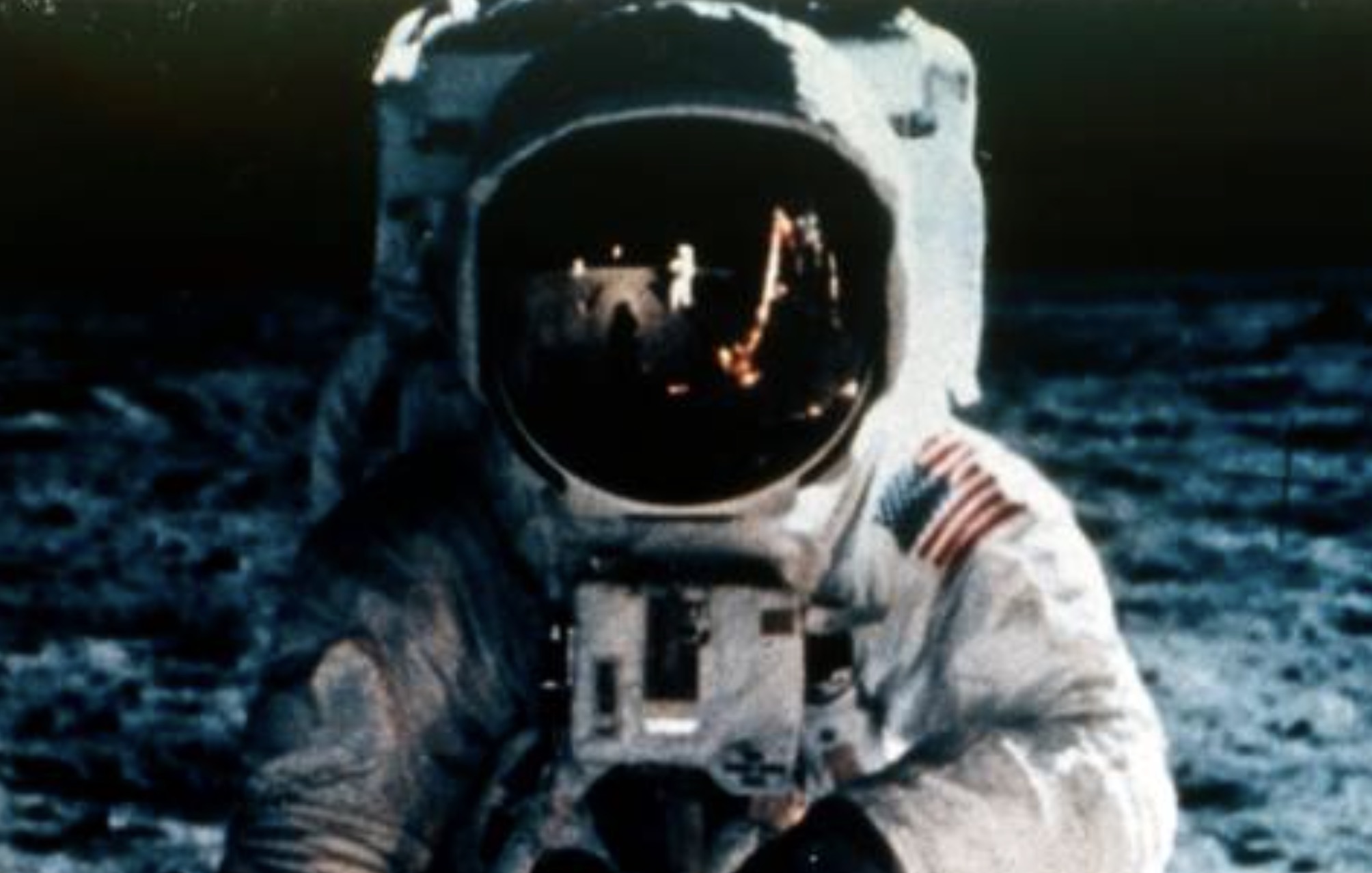
Communion on the Moon: Buzz Aldrin took communion on the moon, marking a significant spiritual moment during the mission.

Sample Collection: Armstrong and Aldrin collected approximately 23 kg (50 pounds) of rock and soil samples and maintained constant communication with mission control.
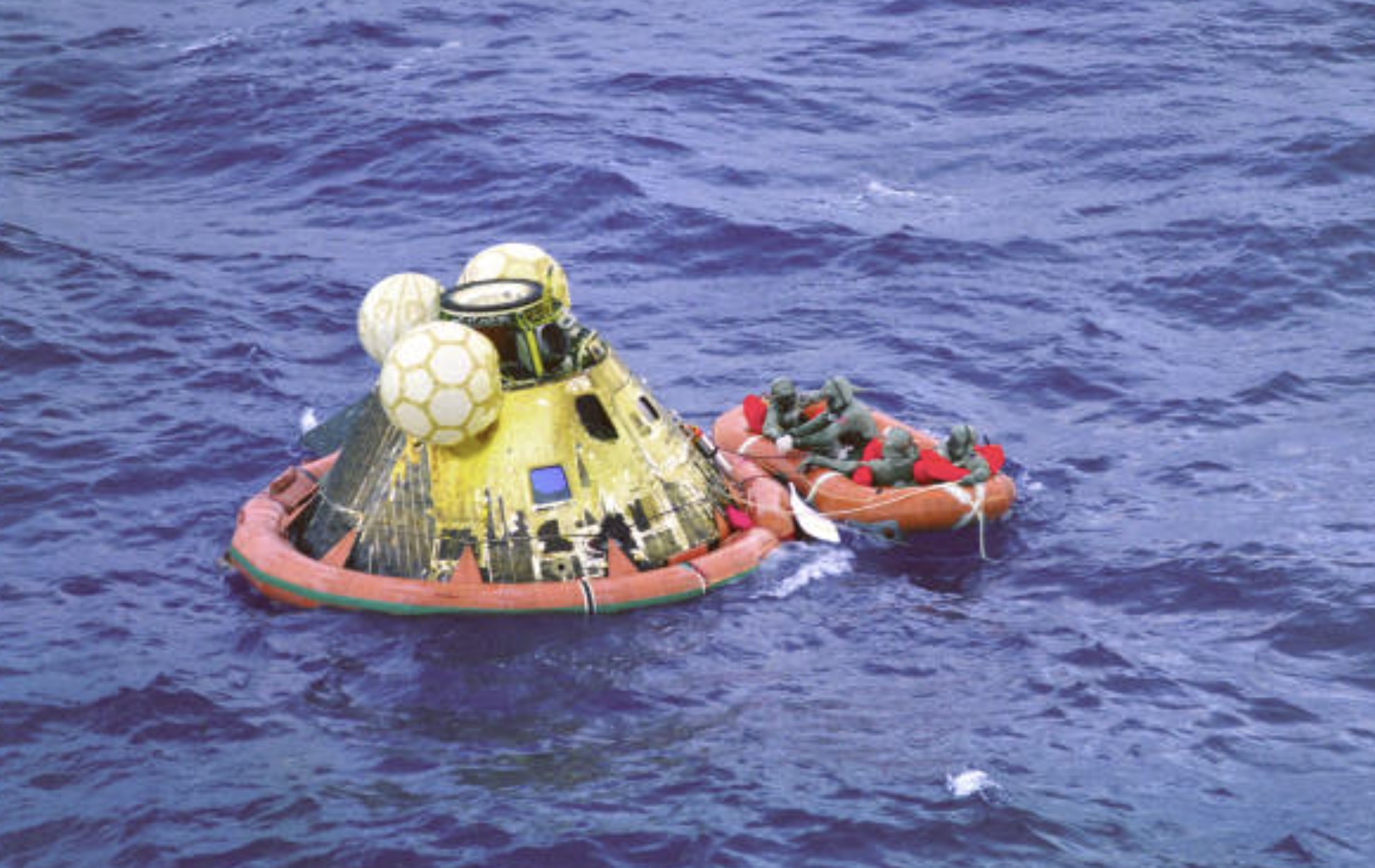
After spending 21 hours and 38 minutes on the Moon, they launched back to lunar orbit, docked with Columbia, and ultimately splashed down in the Pacific Ocean on July 24. They then underwent a 21-day quarantine to check for any diseases from the Moon.

Political Motivations: JFK was privately more focused on surpassing the Soviets in the space race than on space exploration itself, as revealed in secret recordings.

Soviet Secrecy: The Soviet Union attempted to conceal its space efforts, especially after the U.S. successfully landed astronauts on the moon first.
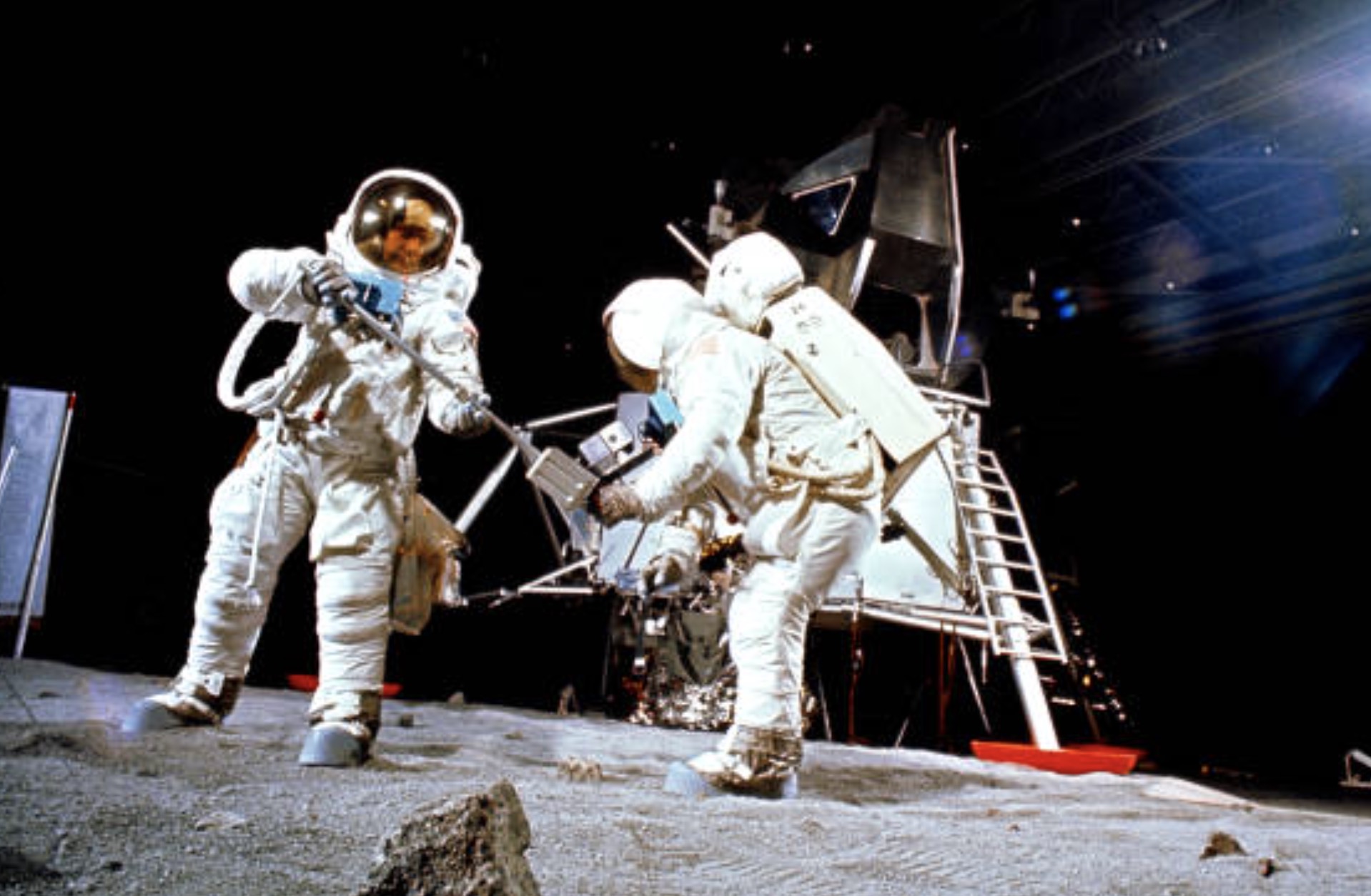
Astronauts trained for microgravity conditions by practicing in simulated environments, such as indoor moonscapes and tilted walls.
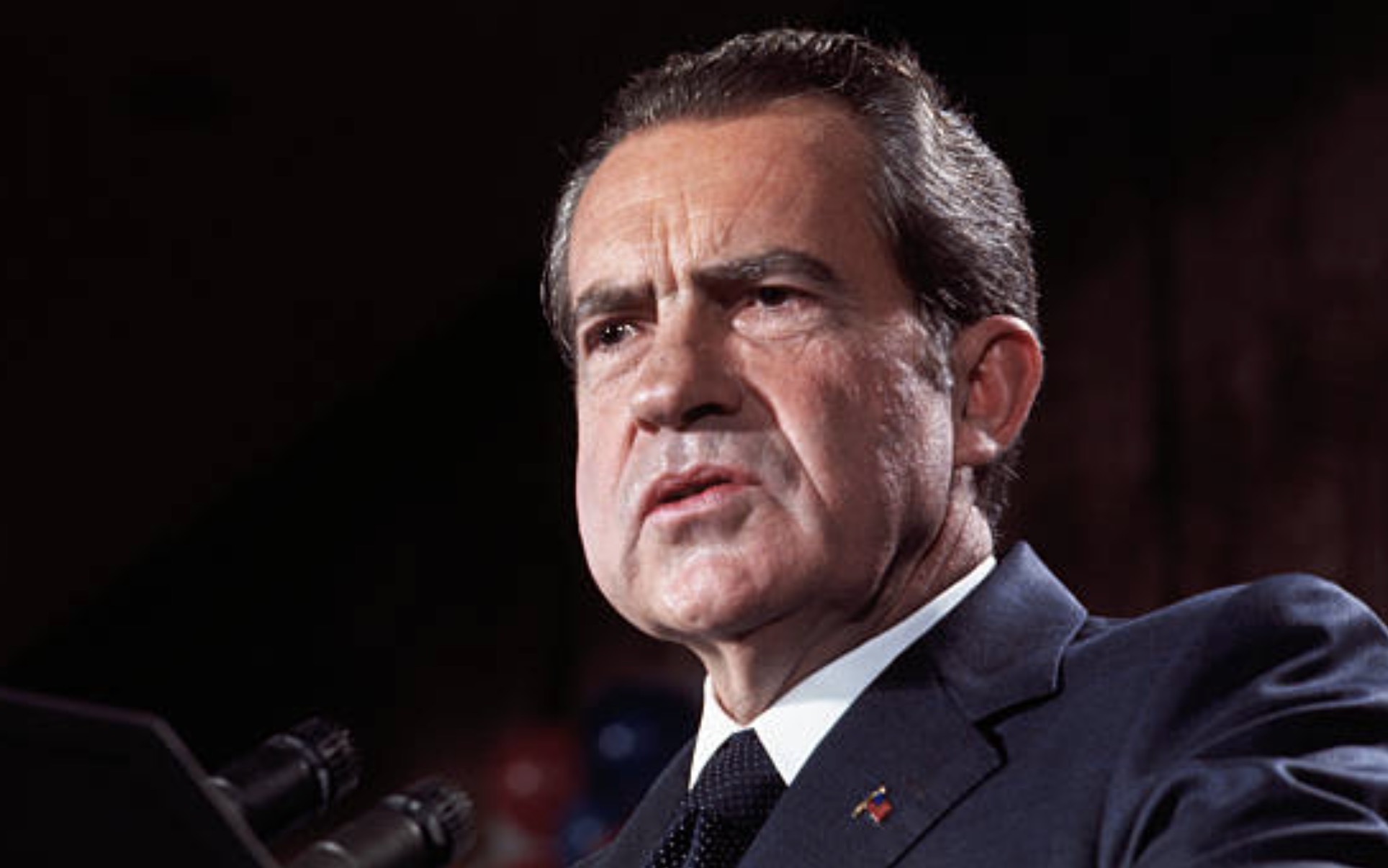
Nixon’s Anxiety: President Nixon anxiously watched the moon landing. In case of a failure, he had a statement prepared to address potential public outrage due to the high costs and risks involved in the mission.
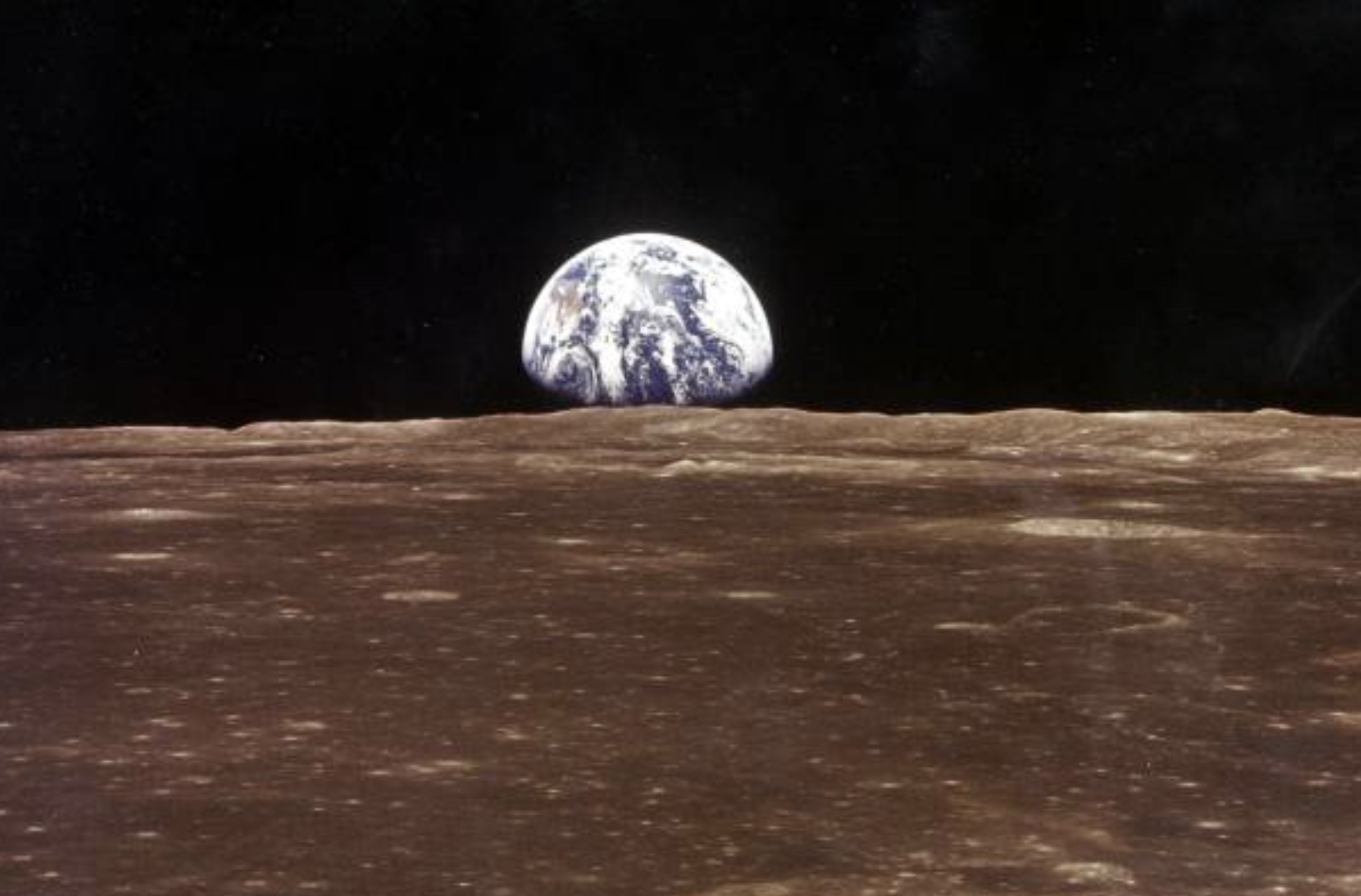
Success of Apollo Program: Apollo 11 marked the first successful crewed moon landing, followed by five additional missions that landed a total of 12 astronauts on the moon between 1969 and 1972.