
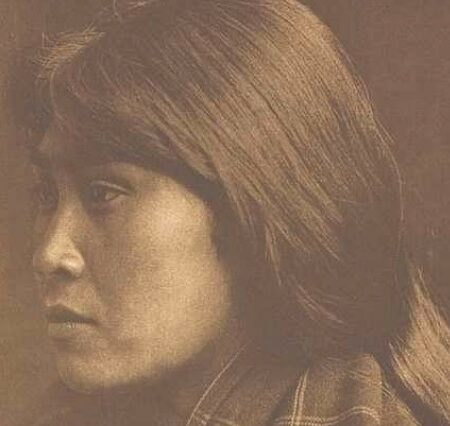
History isn’t just what you read in textbooks—it’s the moments in between, the split-second flashes that cameras managed to catch before they faded into time. Some images become famous, forever etched into our collective memory, but others? They slip through the cracks, tucked away in archives, barely seen by the world. These rare photographs tell the stories you didn’t learn in history class—the quiet, candid, and sometimes downright unbelievable moments that reveal the real people behind the headlines. From forgotten faces to unexpected twists in well-known events, each image offers a fresh perspective on the past. So step into this visual time machine and take a closer look—because sometimes, history’s best stories are the ones hiding in plain sight.
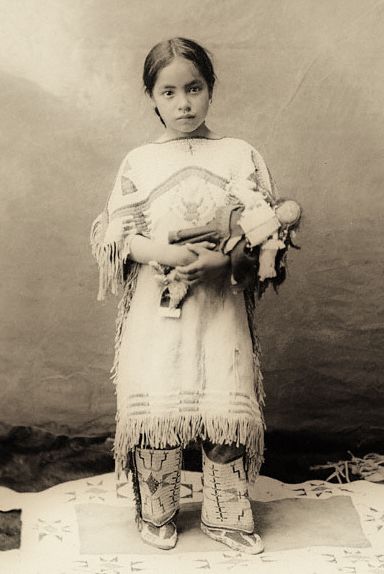
The Sioux people suffered a litany of indignities throughout the 19th century. Not only were they displaced from their homeland, but by 1890 the Sioux were split into the Dakota and Lakota almost at random. On December 29, 1890, the Lakota were forced to travel to Omaha, Nebraska by the 7th Cavalry Regiment. The Lakota didn’t want to travel from Wounded Knee Creek, which led to a battle that cost the lives of 150 men, women, and children. Following the massacre, the Sioux people, specifically the Lakota tribe, were further displaced on their reservations, and left destitute and struggling to survive.

Knocker-Uppers were one of those jobs that were phased out thanks to technology. Specifically, the advent of the alarm clock. From the 18th century into the early days of the 20th century, people paid for a service where low income workers went around neighborhoods waking people up in all manner of ways. Some knocker-uppers would bang on windows with canes, sticks, or poles, but Mary Smith was known for shooting peas into the windows of anyone who asked. If you wanted to hire a knocker-upper all you needed to do was put a note outside your window with the time you wished to be woken. Should we bring this gig back? Surely there’s an app for that.
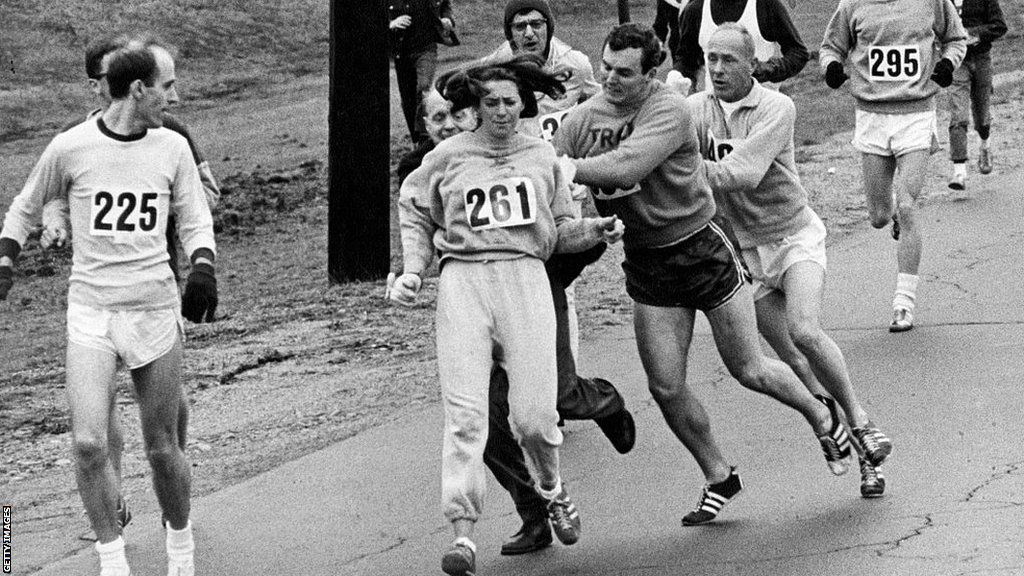
Believe it or not, but as late as 1966 women weren’t allowed to run in the Boston Marathon. This 26 mile race is seen as one of the most exciting and important amateur races in the United States – and Bobbi Gibb wanted to be a part of it. Gibb ran 40 miles a day to practice for the race, but she wasn’t allowed to take part because race director Will Cloney didn’t think that women were physically capable of handling the marathon. What was Gibb supposed to do? On April 10, 1966, Gibb put on her brother’s clothes and ran the marathon. When she finished the race, Governor John Volpe of Massachusetts made sure to congratulate her.
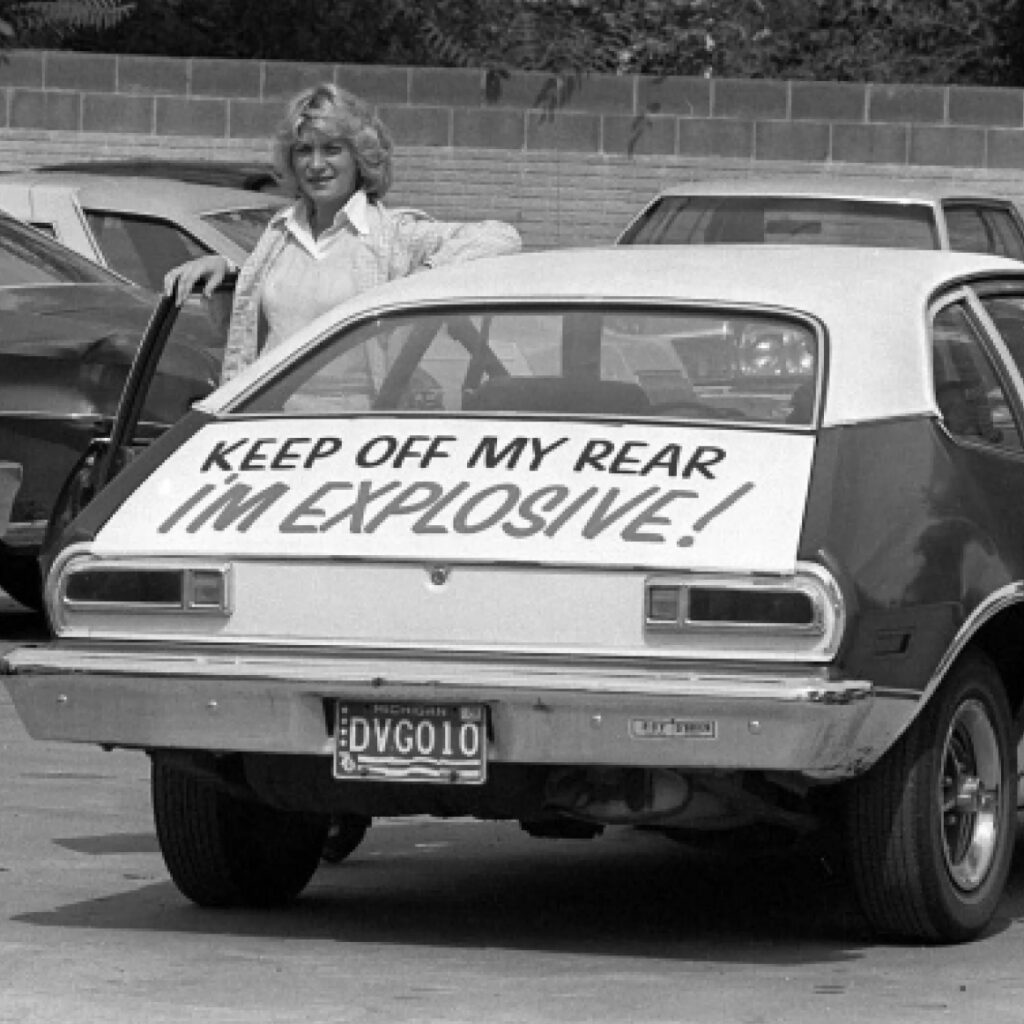
The Ford Pinto became a symbol of corporate negligence during the 1970s. Reports revealed that the car’s fuel tank design made it prone to catching fire in rear-end collisions. Worse, internal documents showed Ford executives knew about the defect. Still, they decided paying potential lawsuit settlements was cheaper than fixing the problem. The scandal resulted in consumer outrage, lawsuits, and new safety regulations, setting the stage for a more responsible auto industry.
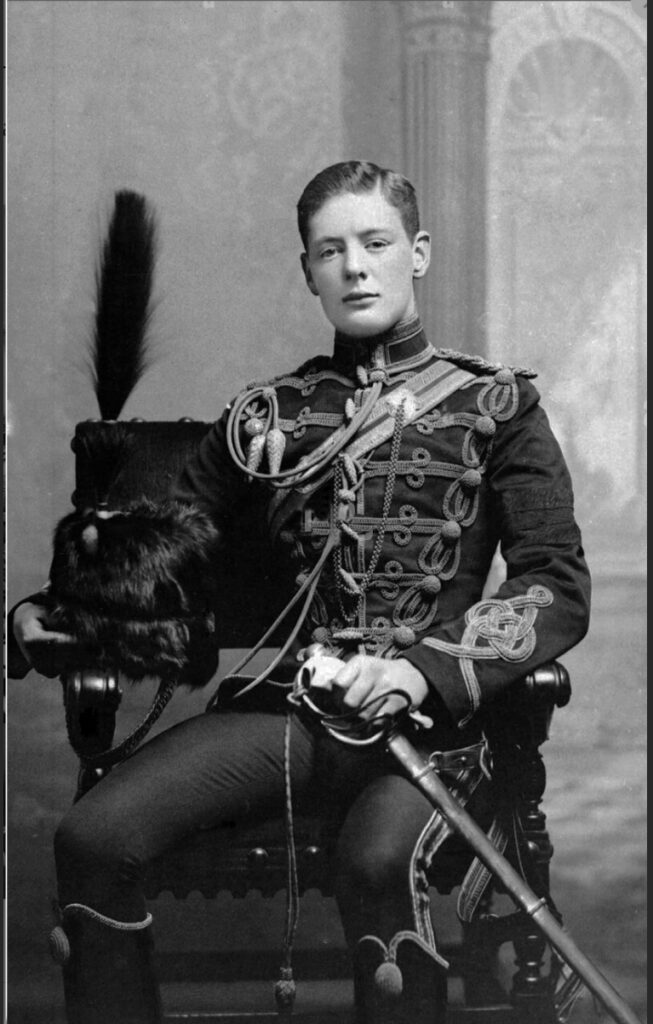
Winston Churchill was the Prime Minister of the United Kingdom from 1940 to 1945. That term went so well, that Churchill decided on a sequel to this term and became Prime Minister again from 1951 to 1955. Churchill’s big claim to fame was leading Britain to victory in World War II. Known for looking like a bulldog, and having a big appetite for Scotch, here’s a photo of young Churchill from back in 1895. He was a second lieutenant in the 4th Queen’s Own Hussars regiment of the British Army and he earned a wage of £150 a year. Later that same year, he traveled to Cuba where he observe the county’s war of independences.