
Marilyn Monroe, the epitome of Hollywood glamour, remains a timeless icon whose legacy transcends generations. With her platinum blonde hair, radiant smile, and undeniable charisma, Marilyn captured the hearts of millions and continues to inspire awe and admiration. Her incredible journey, unforgettable performances, and enduring influence make her the greatest star of the 20th century. Explore the moments that made her a legend and the lasting impact she has had on popular culture

From her humble beginnings as Norma Jeane Mortenson, Marilyn’s journey to stardom is a tale of determination and resilience. Born in 1926, she faced numerous hardships, including a turbulent childhood and a series of foster homes. Yet, she never let adversity dim her dreams of becoming a star. The young Monroe struggled through her early years before she was discovered by a photographer while working at a munitions factory in Van Nuys, California.
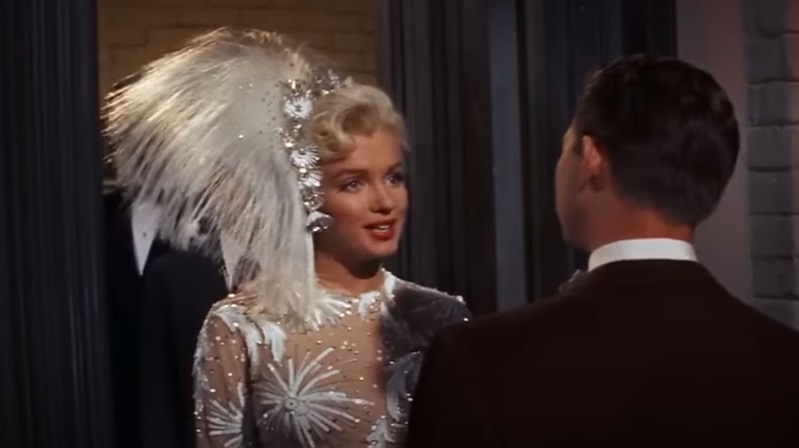
Marilyn’s breakthrough came with her role in “The Asphalt Jungle” (1950), where her natural talent and magnetic screen presence caught the attention of Hollywood, suddenly all eyes were on her. This role opened the doors to more significant opportunities, leading her to a dazzling career that turned her into one of the most important and beloved celebrities of the 20th century.

In 1953, Marilyn popped onscreen in “Gentlemen Prefer Blondes,” where she portrayed the charming and materialistic Lorelei Lee. As if starring in the film weren’t enough, her knock out performance of “Diamonds Are a Girl’s Best Friend” remains one of the most iconic musical numbers in film history, showcasing her ability to combine humor, charm, and sensuality effortlessly.
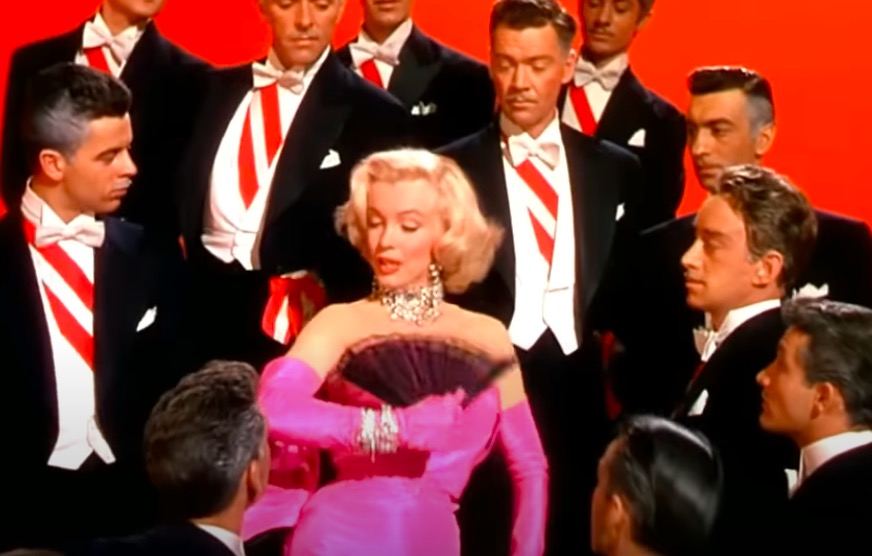
Monroe’s role in “How to Marry a Millionaire” (1953) alongside Lauren Bacall and Betty Grable further cemented her status as a comedic genius. Her portrayal of the naive yet lovable Pola Debevoise showed just how deft she wasat delivering humor with a touch of vulnerability, making her a favorite among audiences.

Marilyn’s talent wasn’t confined to comedies. In “Niagara” (1953), she took on a dramatic role, playing the doomed femme fatale Rose Loomis. This iconic performance proved her versatility and her ability to captivate audiences with a more serious character who showed inklings of Monroe’s dark side.
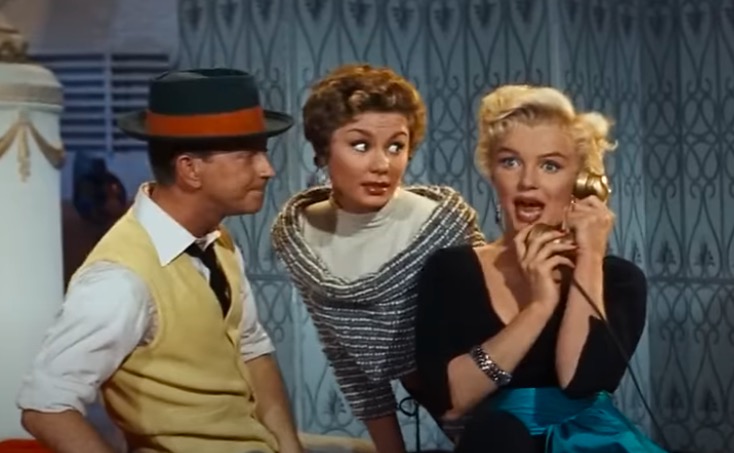
One of Monroe’s most celebrated films is “The Seven Year Itch” (1955), where she played the iconic role of The Girl (who was essentially just Marilyn without the name). The film’s famous scene of Marilyn standing over a subway grate with her white dress billowing up remains one of the most unforgettable images in cinema history.
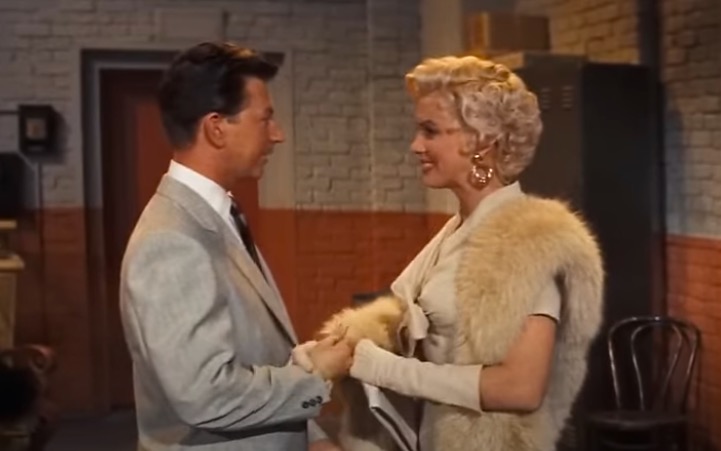
In 1956, Marilyn starred in “Bus Stop,” delivering a powerful performance as Cherie, a saloon singer with dreams of becoming a star. Her portrayal earned her critical acclaim and showcased her dramatic range, silencing critics who doubted her acting abilities.

Marilyn’s commitment to her craft led her to study at the Actors Studio in New York under the guidance of Lee Strasberg. Her dedication to improving her skills and her desire to be taken seriously as an actress highlighted her passion for acting.

Her role in “Some Like It Hot” (1959) is often hailed as her best comedic performance. Starring alongside Tony Curtis and Jack Lemmon, Monroe’s portrayal of the sweet and vulnerable Sugar Kane Kowalczyk remains both charming and hilarious, and it earned her a Golden Globe Award for Best Actress.

Beyond her film roles, Monroe’s personal life was a subject of public fascination. Her marriages to baseball legend Joe DiMaggio and playwright Arthur Miller were highly publicized, and her relationships added to the mystique surrounding her.
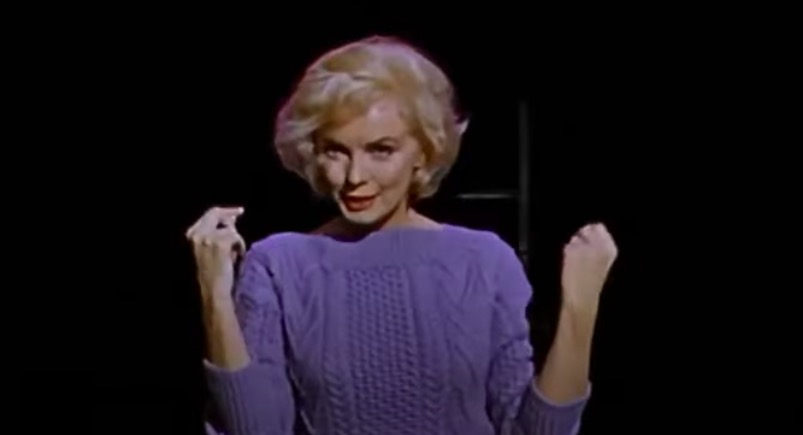
Despite her immense fame, Monroe remained a down-to-earth and approachable presence in Hollywood. She had an infectious laugh, a playful spirit, and a kindness that endeared her to those who knew her personally. Her warmth and generosity were often mentioned by friends and colleagues.
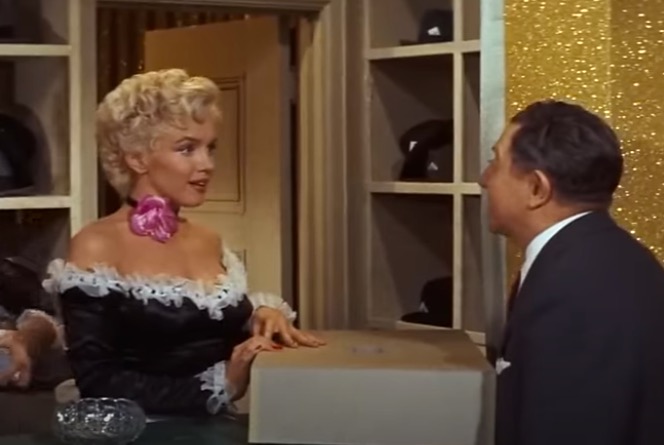
Monroe wasn’t just a major star, she was also a savvy businesswoman. In 1954, she formed her own production company, Marilyn Monroe Productions, challenging the Hollywood studio system and asserting more control over her career. This bold move paved the way for future actors to take charge of their destinies.
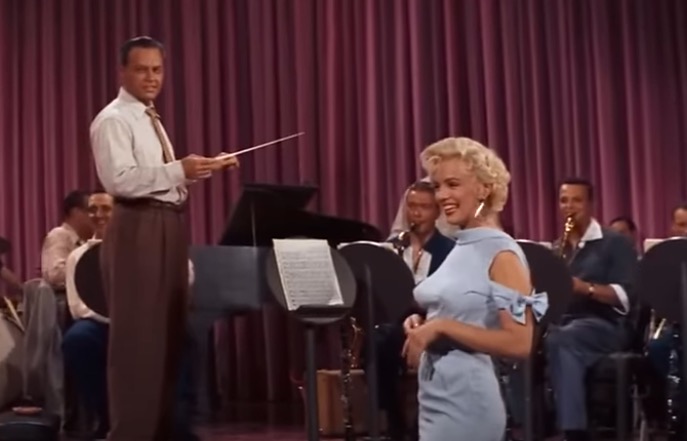
It’s an understatement to say that Monroe’s beauty and style were unparalleled. Her fashion choices, from glamorous gowns to casual ensembles, set trends and influenced the fashion world, and her signature red lips and platinum blonde curls became her trademark. She remains a style icon to this day, decades after her untimely passing.

Monroe’s influence extended beyond the silver screen. She was a beloved figure in popular culture, gracing magazine covers, inspiring songs, and becoming a muse for artists. Andy Warhol’s famous portraits of her are a testament to her lasting impact on art and culture.
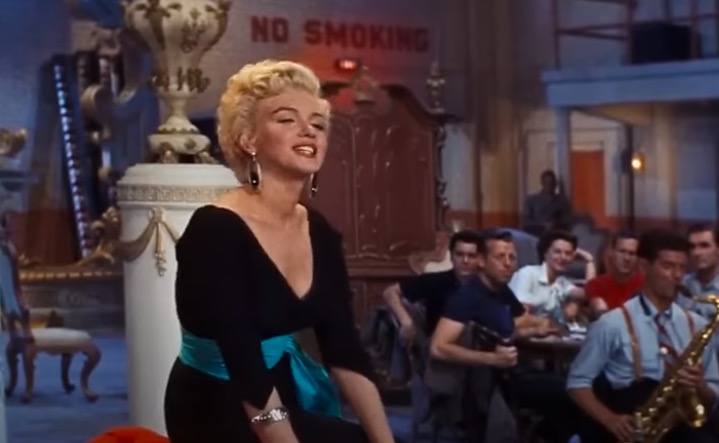
Is there anything more iconic than Monroe’s performance of “Happy Birthday, Mr. President” for President John F. Kennedy in 1962? This legendary moment may be one of the most sultry things that’s happened in Washington DC, like ever. Marilyn’s sultry rendition, dressed in a sparkling, form-fitting gown, captured the nation’s attention and only added to her star status.
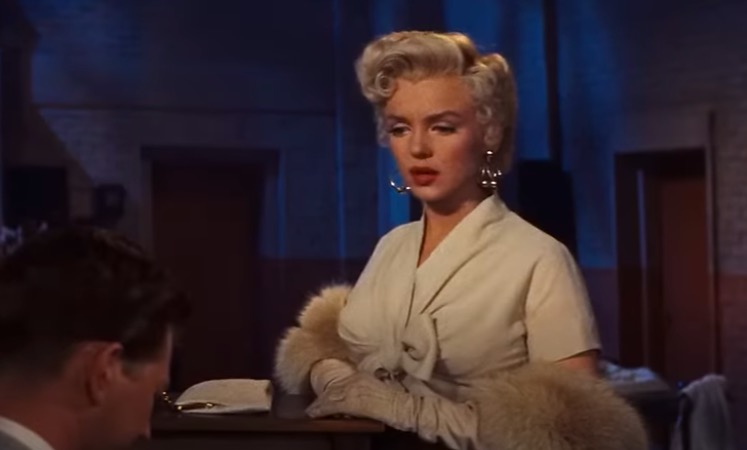
Monroe’s charm and allure were perfectly matched by her intelligence and wit – she really did have brains an beauty. An avid reader, she was often seen perusing books by authors like James Joyce and Leo Tolstoy. Her intellectual curiosity and love for literature were lesser-known aspects of her multifaceted personality.

Despite her struggles with mental health and addiction, Monroe’s resilience and determination shone through. She sought therapy and support, striving to overcome her personal demons and find peace amidst the chaos of her fame.

Monroe’s final film, “The Misfits” (1961), written by her then-husband Arthur Miller, showcased her dramatic talent once again. Her portrayal of Roslyn Taber, a sensitive and conflicted woman, was both poignant and powerful, leaving a lasting impression on audiences who sought to find the Marilyn in Roslyn.

Her untimely death in 1962 at the age of 36 was a tragic loss for the world. Monroe’s passing marked the end of an era, but her legacy has only grown stronger over the decades. To this day she’s an omnipresent symbol of beauty, talent, and the harsh realities of stardom.