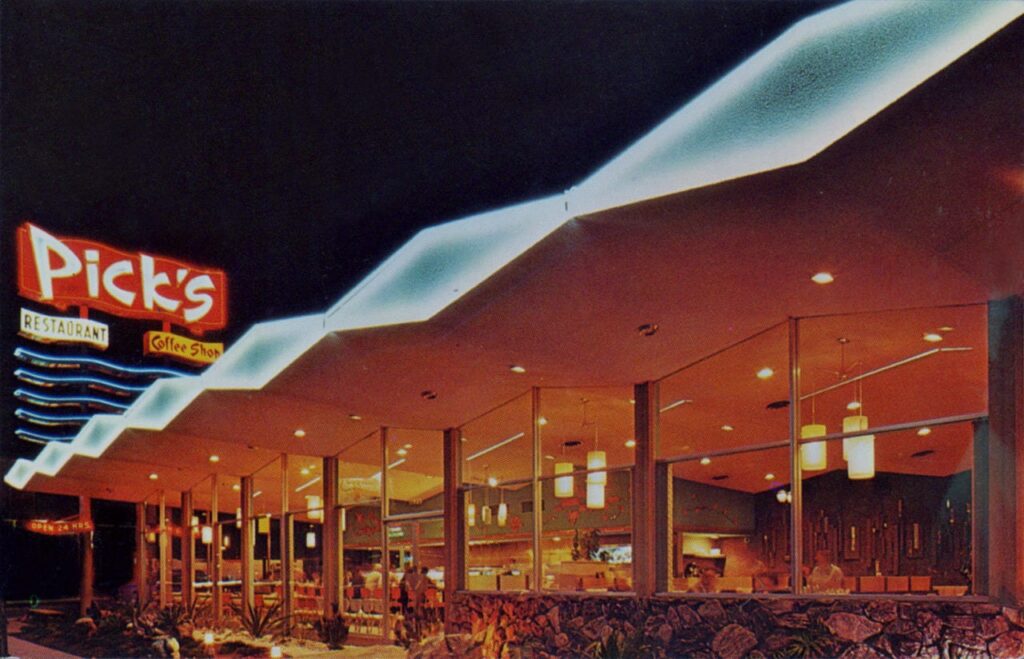
The cultural revolution of the 1960s and 1970s didn’t just change music and fashion—it also left a mark on architecture. This was a time of bold experimentation, with designers breaking boundaries and exploring new ideas. Architecture reflected the era’s optimism, embracing futuristic visions while staying connected to nature. From sleek modern homes to playful communal spaces, the styles of the Groovy Era remain iconic. Let’s explore some of the most captivating architectural trends from this time.
Mid-Century Modern Homes
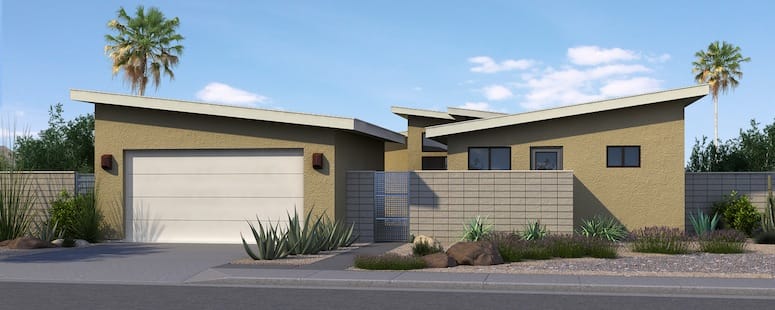
Mid-century modern homes defined suburban living in the 1960s. Their clean lines, open spaces, and focus on functionality made them stand out. Architects like Richard Neutra and Charles and Ray Eames popularized the style, emphasizing harmony between indoors and outdoors. Features like floor-to-ceiling glass windows, flat roofs, and open-plan interiors brought in natural light and created a sense of spaciousness. These homes offered a fresh take on post-war living—elegant yet practical.
A-Frame Cabins
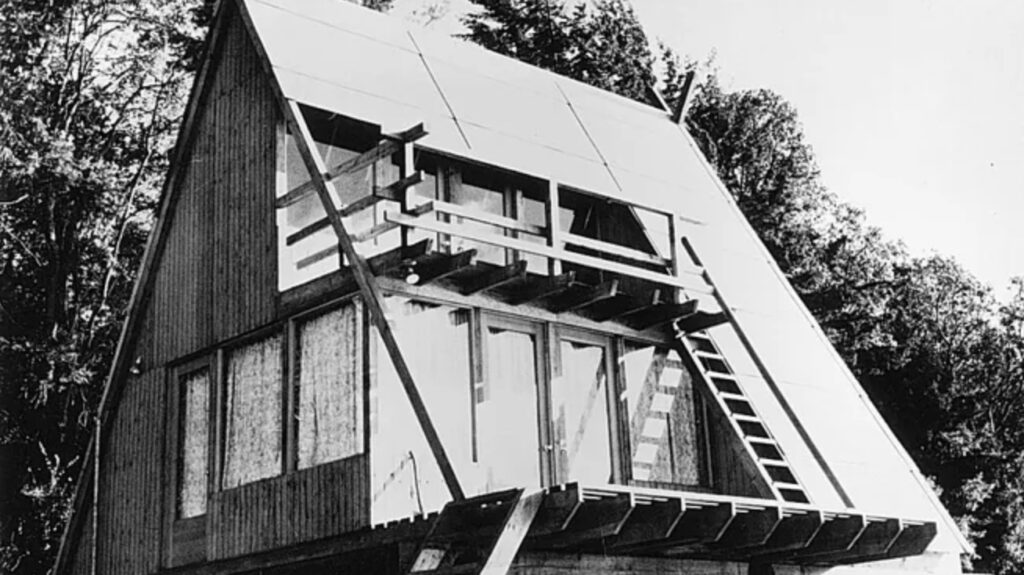
The A-frame cabin symbolized leisure and adventure in the mid-20th century. Its steeply sloped roof and triangular shape stood out in wooded or mountainous settings. These homes were easy to build, affordable, and perfect for snowy environments. They appealed to families looking for a cozy retreat. The design’s simplicity and charm captured the era’s adventurous spirit, making it a favorite for vacation homes.
Screenshot
Geodesic Domes
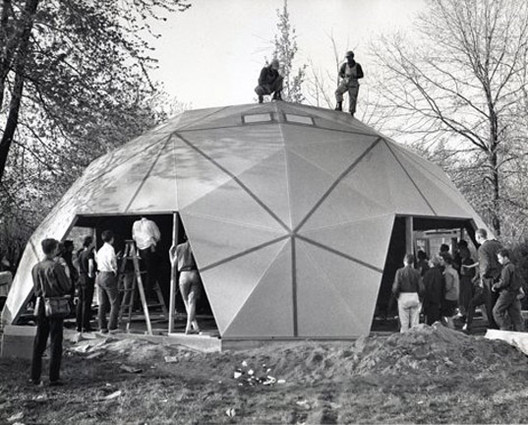
The geodesic dome was the brainchild of Buckminster Fuller, a visionary architect and engineer. These domes, made of triangular panels, were strong, lightweight, and energy-efficient. They became popular among environmentally conscious groups in the 60s and 70s. Communes like Drop City in Colorado embraced them as symbols of sustainability and innovation. Easy to assemble and unique in appearance, geodesic domes embodied the experimental spirit of the Groovy Era.
Brutalist Buildings
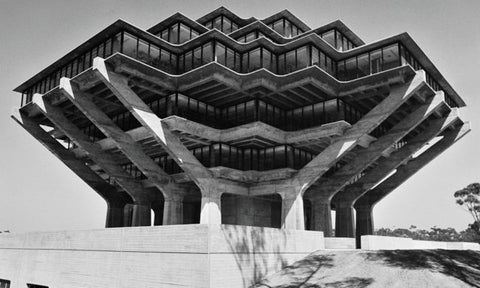
Brutalism made a bold statement in the 60s and 70s. Known for its raw concrete and geometric designs, this architectural style was unapologetically edgy. Universities, cultural centers, and government buildings adopted Brutalism for its functional yet striking aesthetic. Boston’s City Hall and London’s Barbican Estate are prime examples. While some criticized its starkness, others admired its daring departure from traditional styles. It was architecture that demanded attention.
Googie Architecture
Googie architecture brought futuristic flair to everyday places like diners, motels, and shopping centers. Inspired by the Atomic Age and the space race, it featured swooping roofs, starburst motifs, and neon lights. This style celebrated optimism and progress, capturing the excitement of a world hurtling toward the future. Iconic examples include Los Angeles’ Theme Building at LAX and the original McDonald’s golden arches. Googie made modernism accessible and fun.