
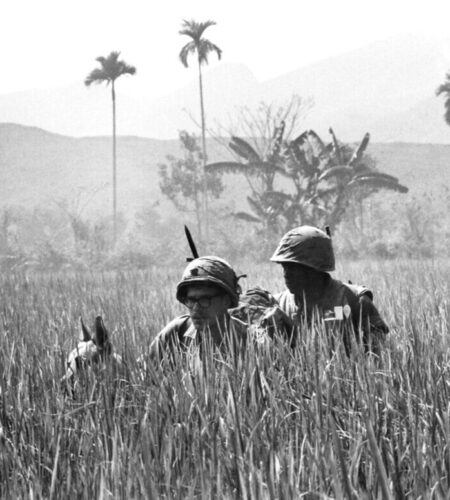
The Vietnam War was one of the most complex and controversial conflicts of the 20th century, leaving a lasting impact on soldiers, civilians, and the global political landscape. While many iconic images from the war have been burned into our collective memory, there are countless moments that remain less widely seen—snapshots of life on the front lines, moments of camaraderie, and the stark realities of war. These rare photos offer a deeper look at the human side of the conflict, capturing the triumphs, tragedies, and everyday struggles of those who lived through it.
Bea Arthur’s U.S. Marine Corps ID Photo
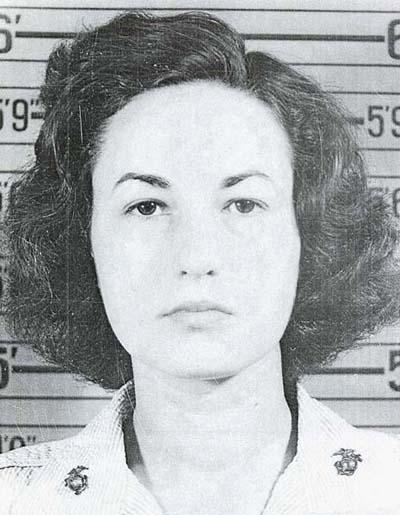
Before Bea Arthur played “Maude” on TV’s Maude and Dorothy Zbornak on TV’s Golden Girls, she was in the U.S. Marine Corps. Why is that not too surprising from the tall actress with the deep voice? During World War II, Arthur worked as a truck driver and typist in the United States Marine Corps Women’s Reserve. She earned the rank of Staff Sergeant before receiving an Honorable Discharge in 1944. Arthur also worked as a licensed medical technician before moving to New York City in 1947 – where she enrolled in the School of Drama at The New School.
Thousand Yard Stare
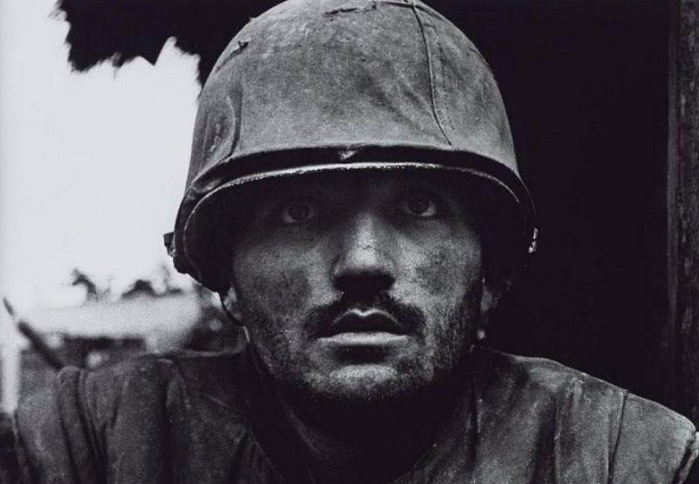
This U.S. Marine, waiting to be evacuated from the city of Huế in 1968, is an example of what is called a “1,000-yard stare”. The brutal nature of the fighting in Vietnam and especially in urban battles like Huế turned images like this into some of the most well-known depictions of the conflict. The psychological wounds suffered by American troops in Vietnam meant that for many who fought, they were never able to truly leave the conflict. This legacy of post traumatic stress disorder has cemented itself as one of Vietnam’s many horrific legacies.
Operation Pegasus

Operation Pegasus was one of the most daring operations of the Vietnam War, involving a 20,000-man effort to relieve U.S. Marines at Khe Sanh. American Air Cavalry helicopters played a crucial role, airlifting supplies to the besieged outpost and providing cover for advancing ground troops. The success of this operation showcased the bravery and coordination of the U.S. military in the face of overwhelming odds.
The Final Stages of the War

As the Vietnam War reached its final stages, U.S. Marines arrived in Saigon to secure the Defense Attache Office and evacuate remaining Americans. The situation was dire, with 100,000 North Vietnamese troops surrounding the city. Operation Frequent Wind successfully evacuated 7,000 people, but the desperation and fear of those left behind marked a tragic end to America’s involvement in Vietnam.
An Air Force HH-3E Jolly Green Giant Helicopter
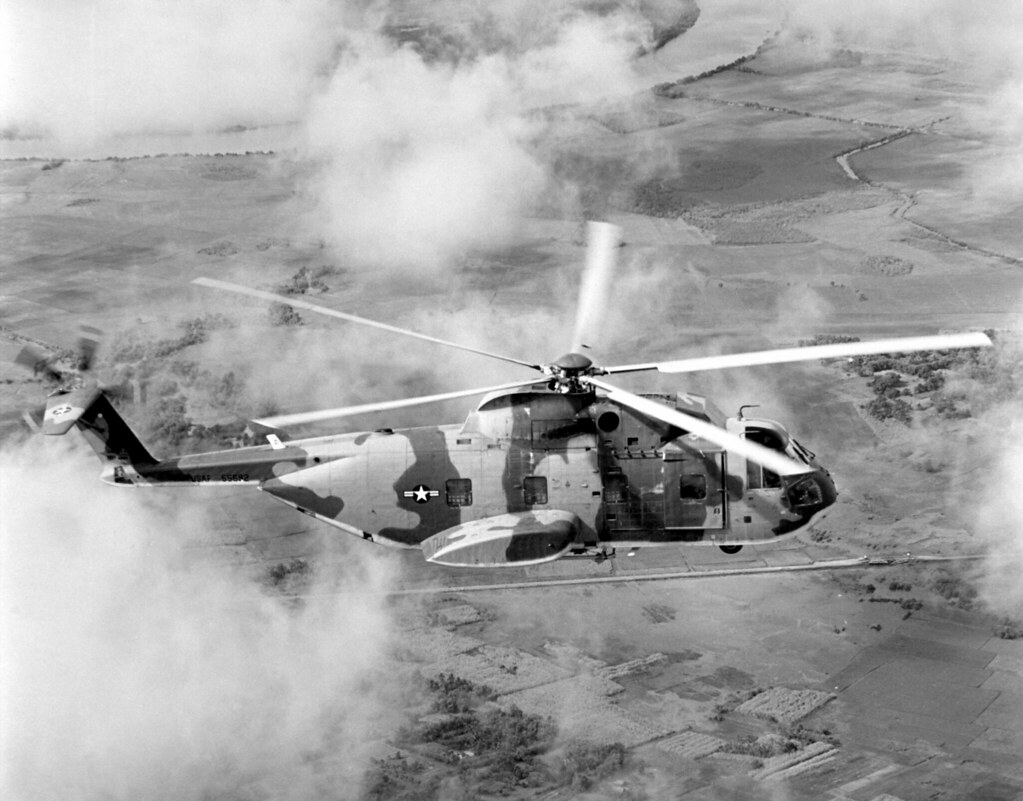
The HH-3E “Jolly Green Giant” was the first air-refuelable helicopter, equipped with retractable fuel probes and external tanks to extend its range. In Vietnam, these helicopters conducted crucial combat search and rescue (CSAR) missions, often deep within enemy territory. With the capability to fly non-stop across continents when refueled, the HH-3E enabled daring rescue missions, including attempts to liberate American POWs. This helicopter’s introduction marked a turning point in the ability to conduct long-range operations, providing soldiers with a lifeline and a new level of tactical support, even in the most remote and dangerous parts of Southeast Asia.