
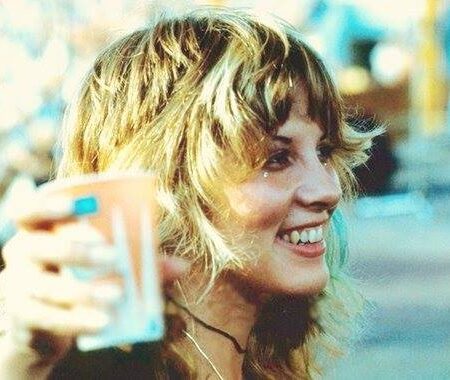
The Groovy Era was a golden age for music—when rock, soul, and blues collided to create some of the most legendary sounds of all time. While icons like Smokey Robinson, Janis Joplin, and Stevie Ray Vaughan are etched into music history, there are still rare moments captured on film that offer a fresh glimpse into their lives. Whether it’s a candid backstage shot, an early performance before they became stars, or an unexpected moment of pure joy, these photos reveal a different side of the artists who defined a generation. Get ready to step back in time and see these legends like never before.
Stevie Ray Vaughan was still figuring things out in 1979

1979 was a tumultuous year for Stevie Ray Vaughn. He was still putting together the trio that would back him up for the rest of his life, playing around Austin to critical acclaim, and he was arrested for drug possession at the end of the year. That night Vaughn and his band were opening for Muddy Waters, who said that the arrest disheartened him. In a biography of Vaughn, Waters said, “Stevie could perhaps be the greatest guitar player that ever lived, but he won’t live to get 40 years old if he doesn’t leave that white powder alone.” The arrest followed Vaughn for the rest of his life, and for a while it kept the band from touring overseas.
Soundgarden’s singer:rhythm guitarist Chris Cornell, 1989
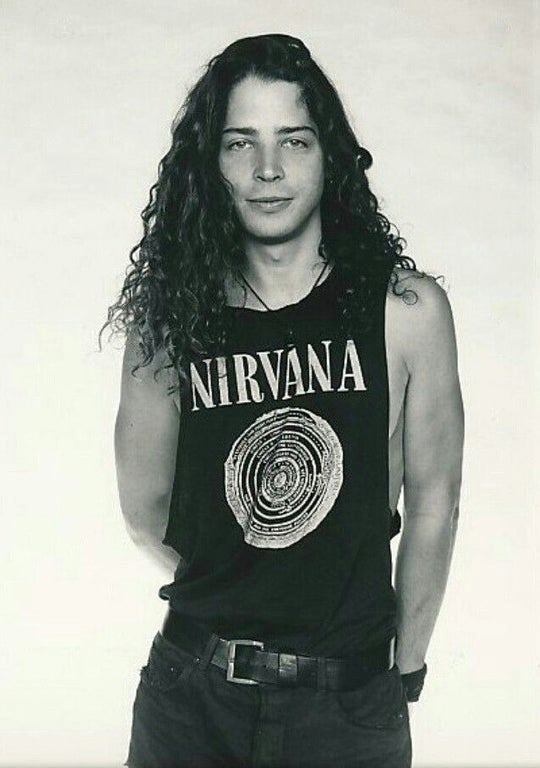
When Chris Cornell passed away in 2017 it was like a punch in the gut to music fans everywhere. His soulful voice and twisting lyrics were such a respite to fans it’s terrible that he’s gone. In 1989 Soundgarden was just exploding onto the music scene, and Spin believed they were about to hit the big time if they could get over being compared to Led Zeppelin. As annoying as it can be to hear the same comparison over and over again, Cornell had a sense of humor about it. He told Spin, “When we first got stuck with that Led Zep tag three years ago, I thought it was O.K. Back then, everyone in Seattle was into the Smiths and the Cure and Led Zeppelin was very ‘70s, very uncool. We were outcasts from the goofy art rock scene, which was fine by me. I just figured, it could be worse, they could’ve compared me to Jim Morrison.”
Punk Rock blondie Debbie Harry back in the ’70s
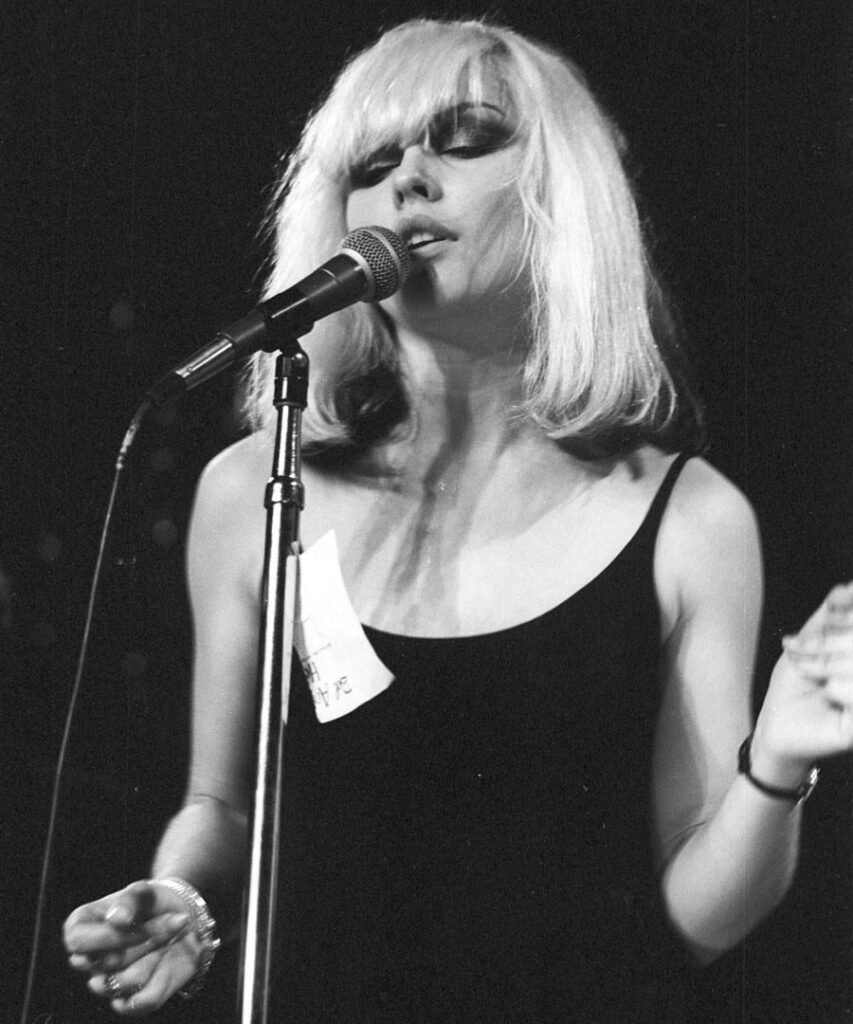
New York City in the 1970s was full of characters. Glammed out guitar players and weirdo poets and painters all walked the streets looking for inspiration, but Debby Harry was the one performer who was always a rock star. As the singer for Blondie she captivated audiences with her stark good lucks and siren call of a voice, but the songwriting was there too. When the band broke big in 1978 with “Parallel Lines” it’s as if the group was just waiting for it to happen, like it was an inevitability. Even though they’re known for tracks like “Dreaming” and “Heart of Glass,” Harry describes Blondie’s early shows as chaotic at best. She told Interview Magazine, “We had a date at CB’s before we left, as our kick-off before we went on this amazing tour. The fire department came and then the bomb squad came. [Moody laughs] It was real chaotic. It was wonderful. I mean, the place was overcrowded, so they shut us down twice but we managed to keep on playing.”
Janis Joplin hanging out and catching some rays during the summer of
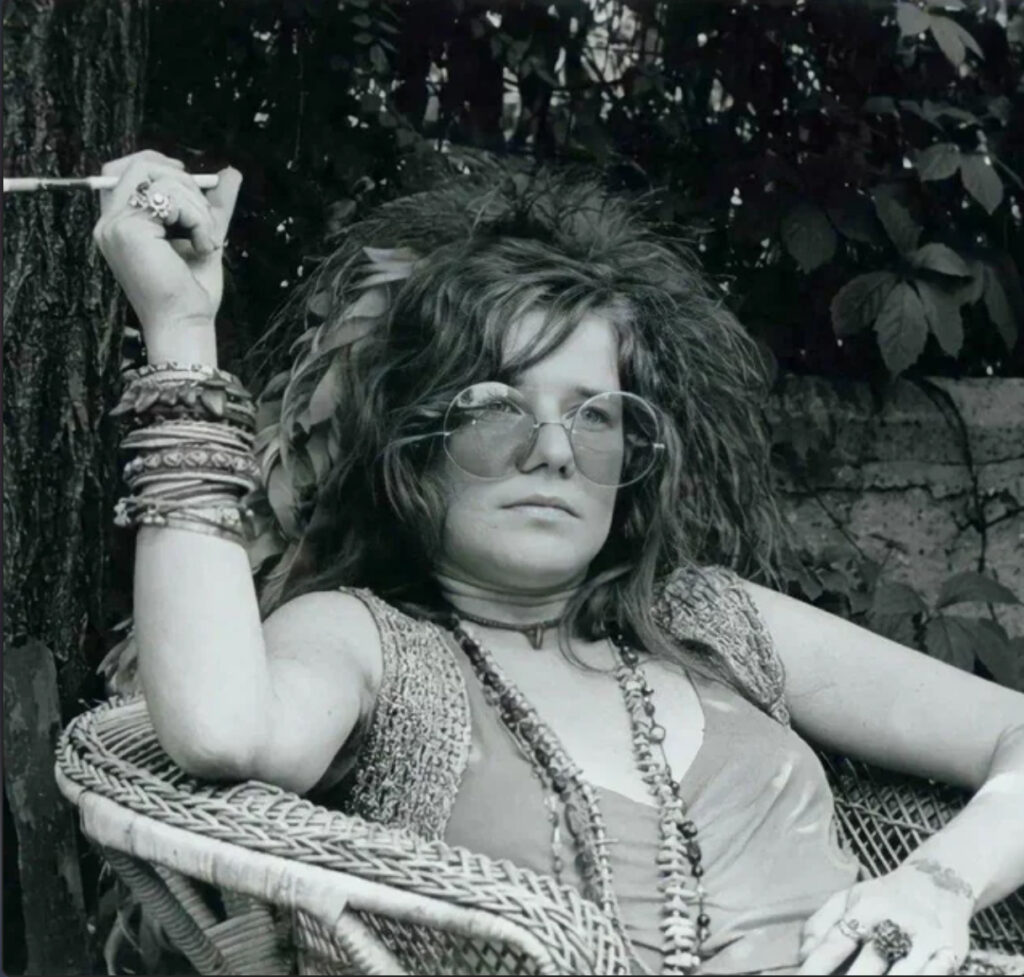
Janis Joplin is remembered as a hard partying rocker chick that was never without a bottle of Southern Comfort in her hand. Her big voice and even bigger onstage attitude was exactly why people were drawn to her, but in her offstage life she was actually a solitary person. After her death Kip Cohen, manager of the Fillmore East, told Rolling Stone that she didn’t like to perform if she didn’t have to. “I remember once she came backstage to see Santana and I said the audience would love it if she just went on unannounced to introduce the group. And the idea of the ‘real’ Janis walking on stage and doing something other than performing, singing, scared her to death. She couldn’t do it. She had a tremendous amount of assurance when she got it all together onstage, but offstage, privately, she seemed to be very frightened, very timid and very naive about a lot of things.”
Smokey Robinson, The Poet of Motown
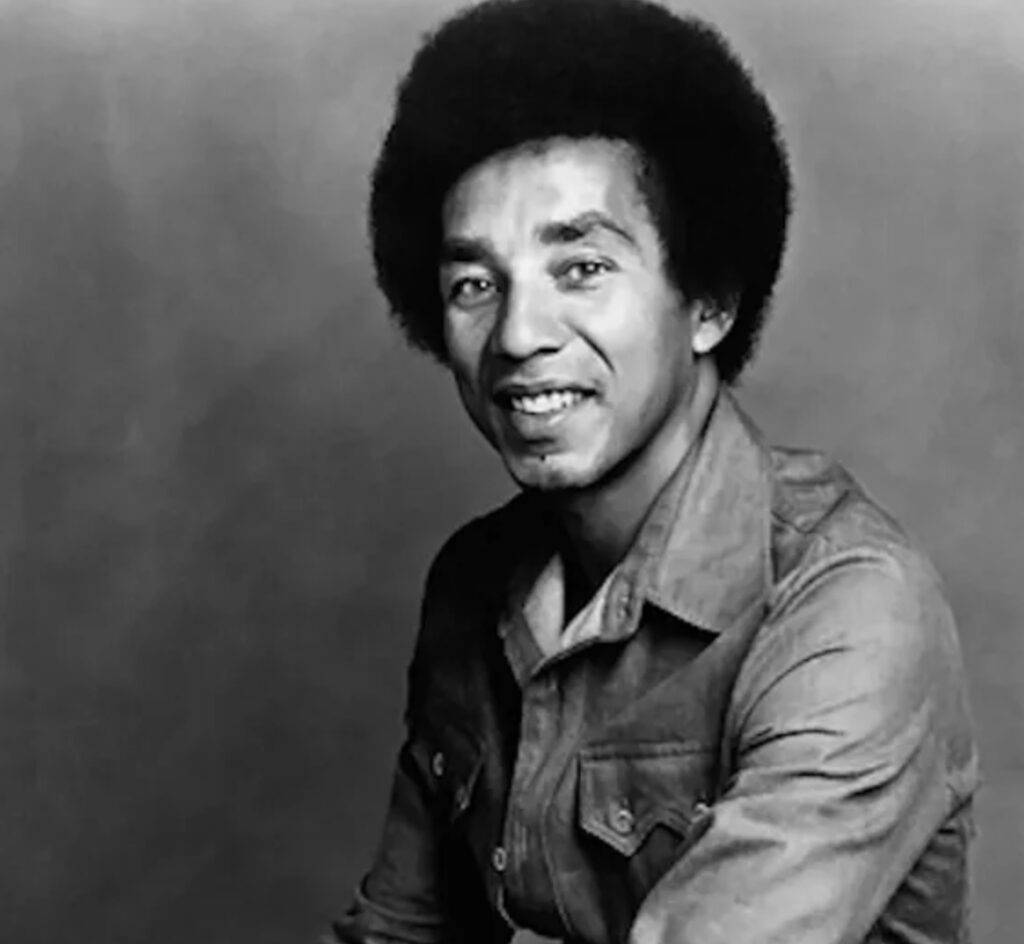
Smokey Robinson wasn’t just a singer—he was a lyrical genius. His soft, soulful voice brought songs like “The Tracks of My Tears” and “You’ve Really Got a Hold on Me” to life. Robinson wasn’t just a performer but also a prolific songwriter and producer, crafting hits for Motown legends like The Temptations and Mary Wells. His ability to tell stories through music added depth to Motown’s growing catalog.