

The Vietnam War remains an incredibly complex and controversial conflict of the 20th century, leaving a mark on both the United States and Vietnam that will never be erased. Lasting for nearly two decades, this war not only reshaped global politics but also had profound effects on the soldiers who fought in it and the civilians who lived through it. From the jungles of Southeast Asia to the streets of American cities, the Vietnam War sparked intense debates, fueled social movements, and brought about significant cultural shifts.
Two Decades

The Vietnam War, which lasted from November 1, 1955, to April 30, 1975, had its roots in the struggle between French colonial forces and Vietnamese nationalists. The United States, in its efforts to contain the spread of communism during the Cold War, supported the French colonial forces in their fight against the Vietnamese nationalists. The Geneva Accords of 1954 briefly split Vietnam at the 17th parallel, with the North led by communist Ho Chi Minh and the South supported by the United States and other Western nations. This division set the stage for a brutal, complex conflict lasting two decades.
Military Action

The early 1960s saw increasing U.S. involvement in Vietnam as part of the broader Cold War strategy to contain communism. The Gulf of Tonkin incident in 1964, where North Vietnamese forces allegedly attacked U.S. ships, led to the Gulf of Tonkin Resolution, giving President Lyndon B. Johnson broad authority to escalate military action. By 1968, more than 500,000 American troops were stationed in Vietnam, marking the height of U.S. involvement.
Courage and Determination
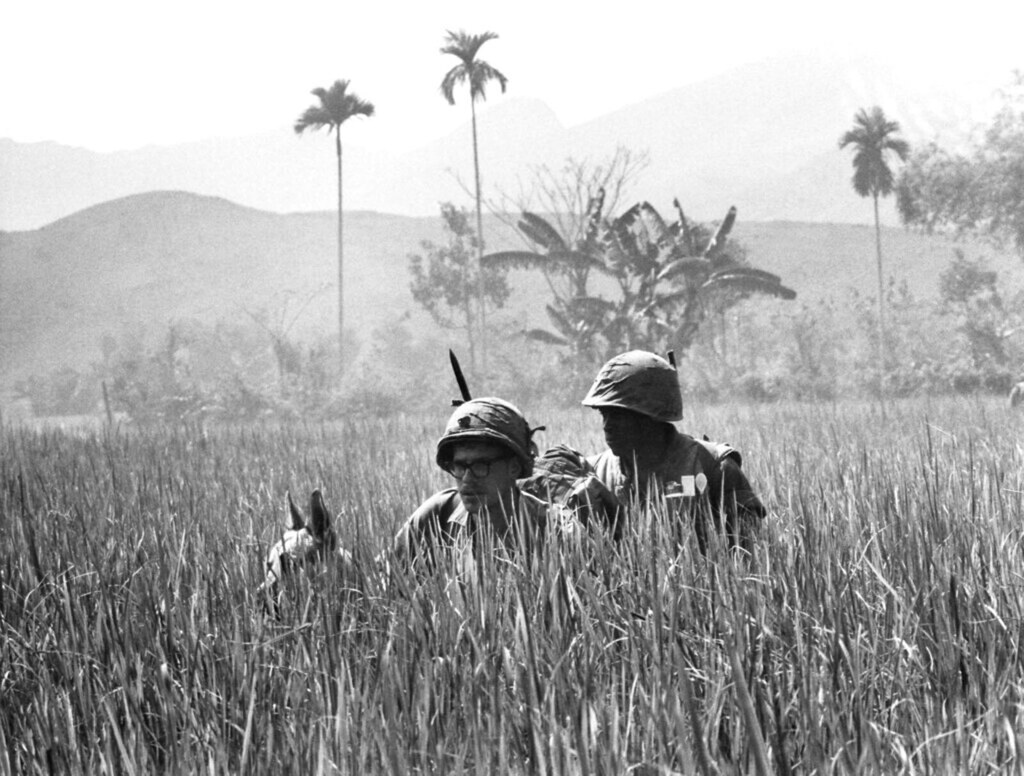
For the soldiers on the ground, the Vietnam War was a brutal and disorienting experience. Dense jungles, unpredictable weather, and the guerilla tactics employed by the Viet Cong completely upended our concept of traditional warfare. U.S. soldiers showed remarkable bravery and resilience, facing ambushes, booby traps, and constant uncertainty with courage and determination.
American Society
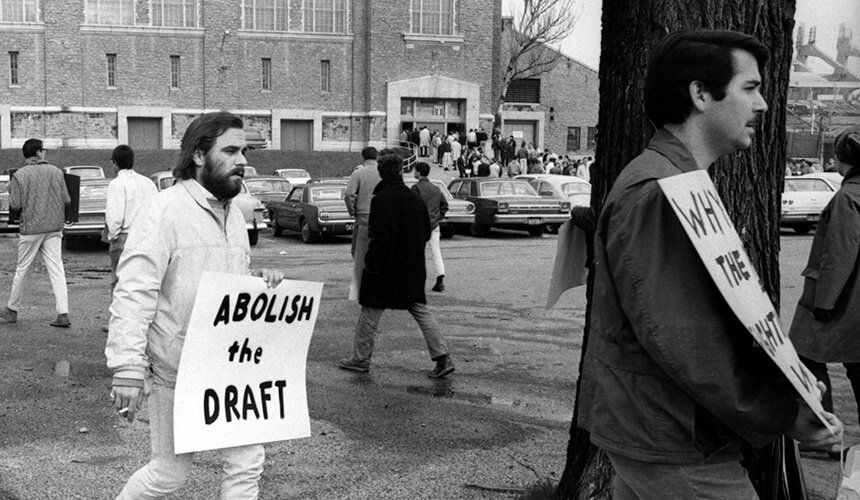
Back in the United States, the Vietnam War became increasingly unpopular as the years dragged on. Gaining momentum in the late 1960s, the anti-war movement was fueled by the draft, the rising death toll, and the broadcast of graphic images from the war. Across college campuses and major cities, protests erupted with events like the Kent State shootings in 1970 creating deep divisions within American society.
The Tet Offensive
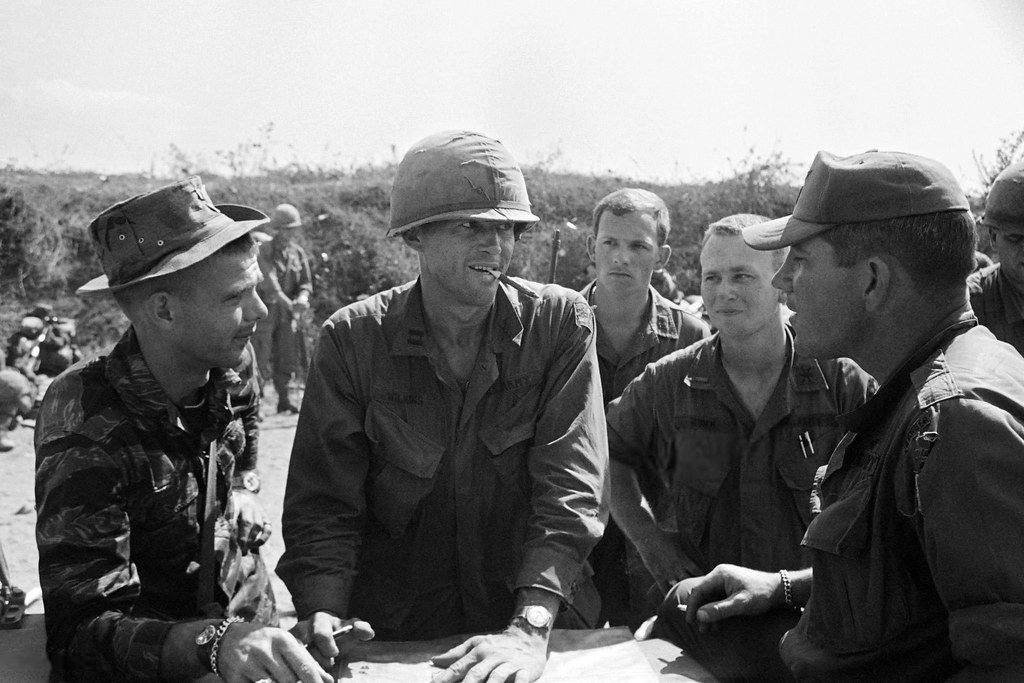
The Tet Offensive was a major turning point in the war. In 1968, a coordinated series of attacks by the North Vietnamese and Viet Cong on over 100 cities and outposts in South Vietnam shocked the American public and media, leading to a significant shift in public opinion against the war. The images of the fierce fighting, including the iconic photograph of the Saigon execution, brought the harsh realities of the conflict into American living rooms, sparking widespread anti-war sentiment and protests.