
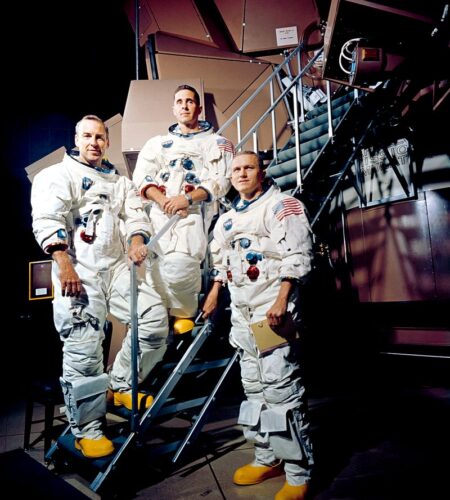
The Space Race between the United States and the Soviet Union defined the 50s and 60s, symbolizing the intense Cold War rivalry between the two superpowers. Each nation sought to prove its technological and scientific superiority by achieving space exploration milestones. The race began with the launch of Sputnik in 1957 and culminated with the moon landing in 1969. These key moments not only captured the imagination of the world but also reshaped how we view our place in the universe. Let’s take a look at the major milestones of the Space Race.
The Launch of Sputnik
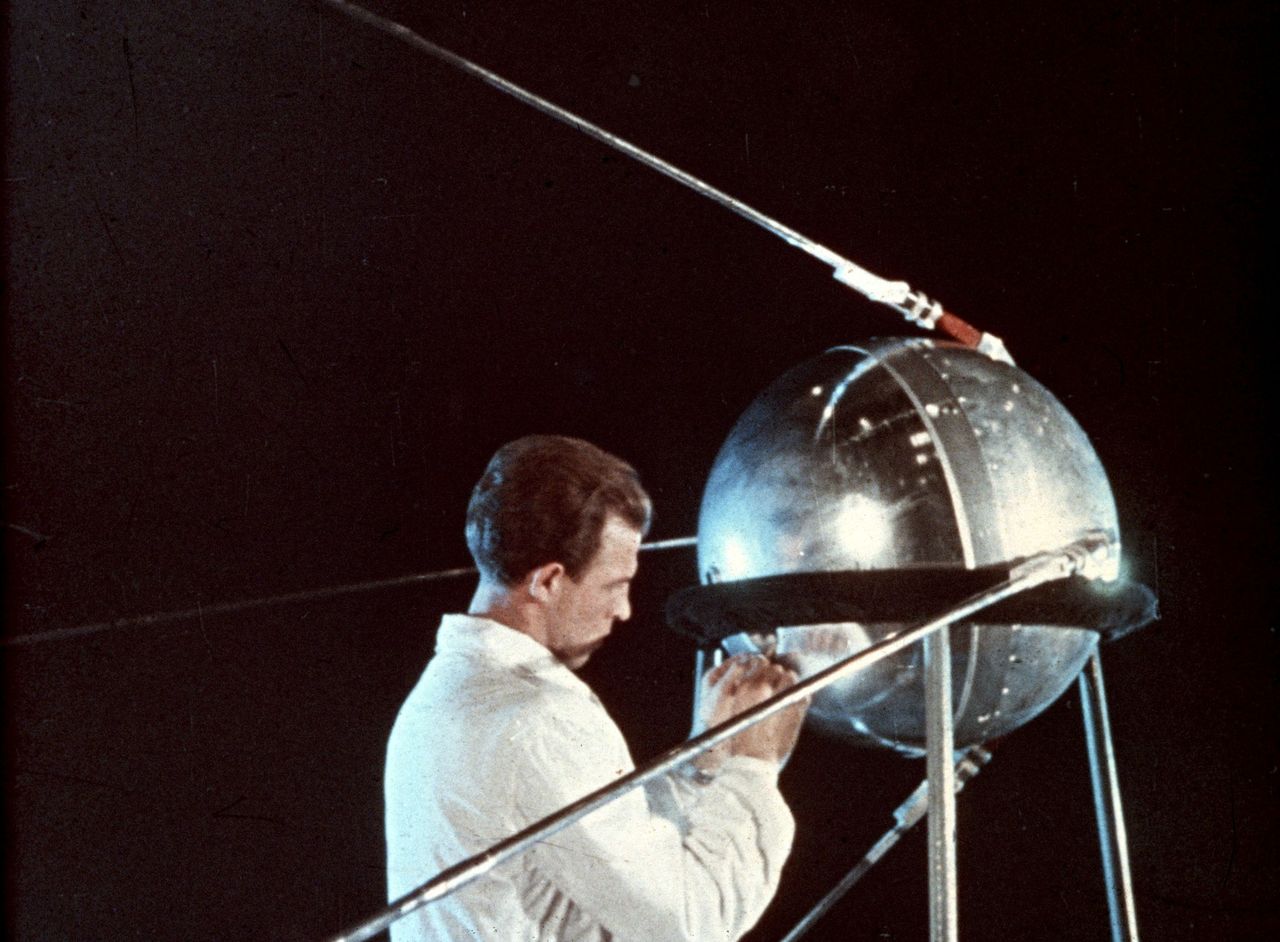
On October 4, 1957, the Soviet Union launched Sputnik, the world’s first artificial satellite, into orbit. This historic moment shocked the world and marked the beginning of the Space Race. The launch of Sputnik demonstrated the Soviet Union’s advanced rocket technology and ignited fears in the U.S. about their own technological capabilities. It also spurred the U.S. government to increase its investment in space research and education, leading to the creation of NASA. Sputnik’s success reshaped global perceptions of space exploration.
The First Living Creature in Space
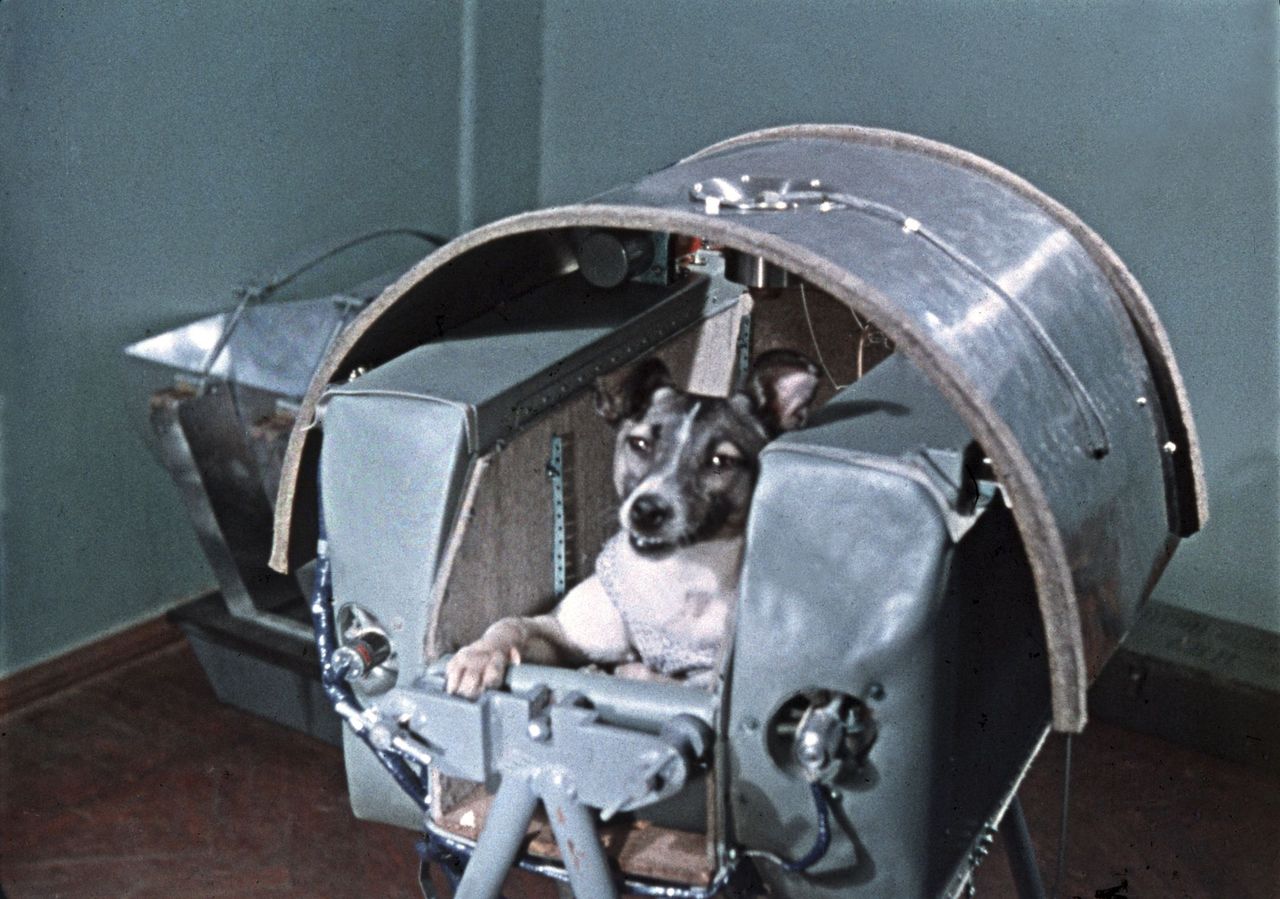
Just one month after Sputnik, the Soviet Union sent the first living creature into space—Laika, a stray dog—on November 3, 1957, aboard Sputnik 2. While Laika did not survive the journey, the mission proved that living organisms could survive the conditions of spaceflight, marking another Soviet victory. Laika became a global symbol of the sacrifices made in the pursuit of space exploration, though her mission also sparked ethical debates about the treatment of animals in science.
The Founding of NASA
In response to the Soviet Union’s early successes, the United States established the National Aeronautics and Space Administration (NASA) on July 29, 1958. NASA was created to oversee all non-military space exploration efforts, uniting various scientific and engineering organizations under one banner. Its formation marked the U.S. commitment to competing in the Space Race, with the goal of surpassing Soviet achievements. NASA’s creation was a crucial step toward the eventual U.S. triumph of landing a man on the moon.
Yuri Gagarin Orbits the Earth

On April 12, 1961, Soviet cosmonaut Yuri Gagarin became the first human to orbit the Earth, completing one full rotation in his spacecraft, Vostok 1. Gagarin’s successful mission was a monumental achievement for the Soviet Union, establishing their dominance in human spaceflight. Gagarin’s historic journey sparked a renewed sense of urgency in the United States, as the U.S. worked to catch up in the race to space.
JFK’s Moon Speech
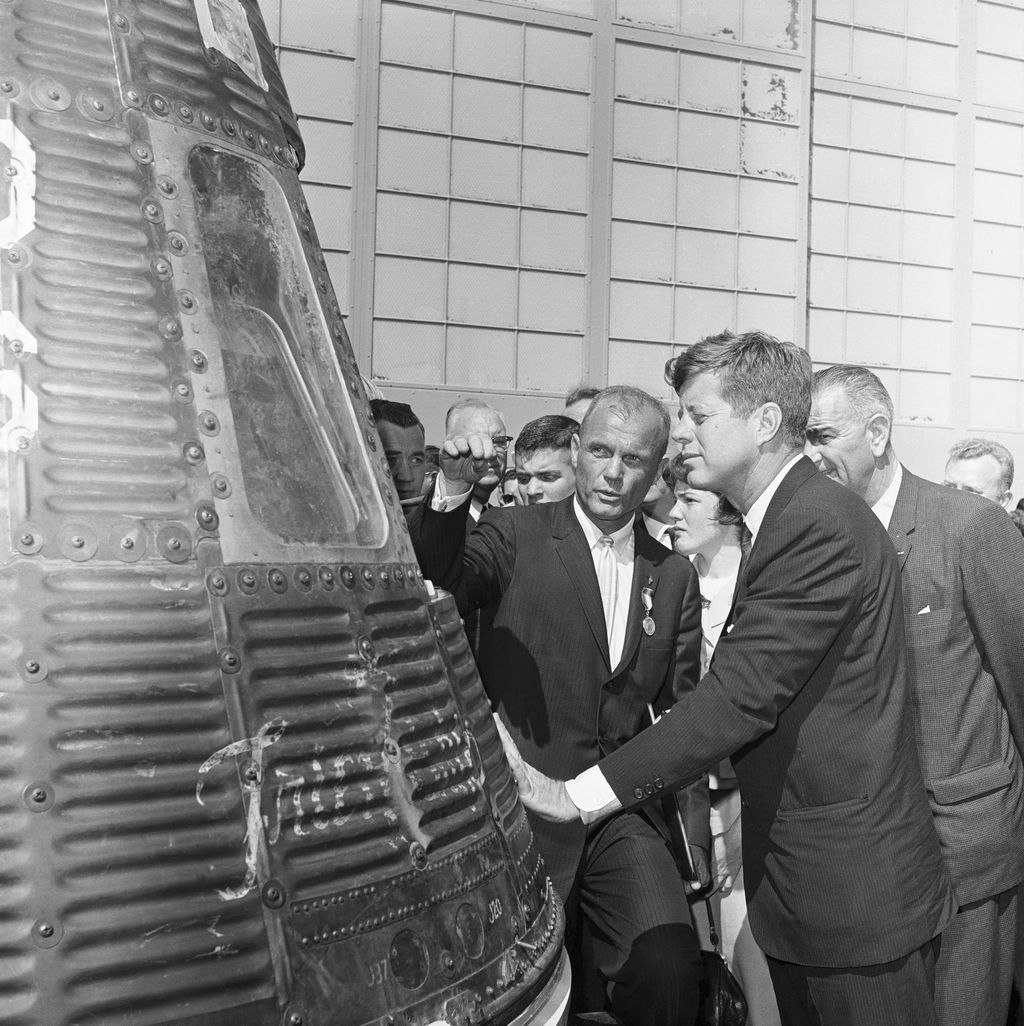
On September 12, 1962, President John F. Kennedy delivered his famous speech at Rice University, declaring that the United States would land a man on the moon before the end of the decade. His words, “We choose to go to the moon,” became a rallying cry for NASA and the American public. This bold vision galvanized the U.S. space program, setting in motion the ambitious Apollo missions that would ultimately fulfill Kennedy’s promise.
The First American in Space

Just weeks after Gagarin’s flight, on May 5, 1961, American astronaut Alan Shepard became the first American to travel into space. Shepard’s suborbital flight aboard Freedom 7 lasted only 15 minutes, but it was a significant achievement for the United States in the race against the Soviet Union. His successful mission paved the way for further manned spaceflights and reinforced the U.S. commitment to the Space Race.
The Gemini Program
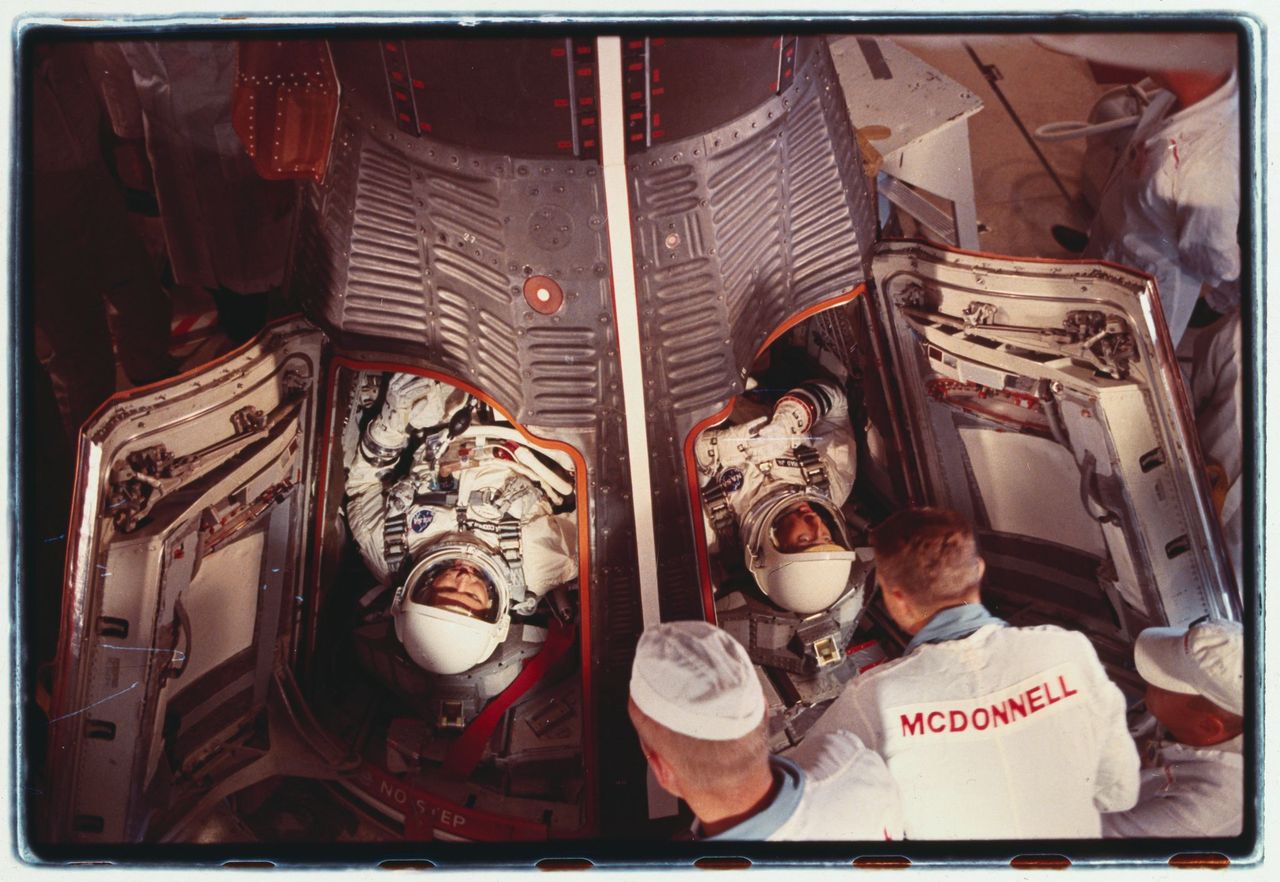
NASA’s Gemini program, which ran from 1965 to 1966, was crucial in preparing for a moon landing. The program’s missions tested the ability of astronauts to work in space, perform spacewalks, and dock with other spacecraft—all critical skills for the upcoming Apollo missions. Gemini’s successes gave NASA the experience and confidence needed to tackle the complex challenges of a lunar landing, moving the U.S. closer to Kennedy’s goal.
On March 18, 1965, Soviet cosmonaut Alexei Leonov conducted the first-ever spacewalk, spending 12 minutes outside his spacecraft, Voskhod 2. Leonov’s achievement was another Soviet first in the Space Race and demonstrated the ability of humans to function outside of a spacecraft. The spacewalk was a risky maneuver, with Leonov facing several technical challenges during the mission. However, his successful return to the spacecraft showcased the Soviet Union’s continued advancements in space exploration. The Apollo 8 Mission On December 21, 1968, NASA’s Apollo 8 mission became the first manned spacecraft to orbit the moon. Astronauts Frank Borman, Jim Lovell, and Bill Anders made ten orbits around the moon and captured the famous “Earthrise” photo, which profoundly impacted how humanity viewed the Earth and its place in the universe. The success of Apollo 8 set the stage for the eventual moon landing, proving that NASA had the capability to reach the moon. The Apollo 11 Moon Landing On July 20, 1969, NASA’s Apollo 11 mission achieved the ultimate goal of the Space Race: landing a man on the moon. Astronauts Neil Armstrong and Buzz Aldrin became the first humans to walk on the lunar surface, with Armstrong famously declaring, “That’s one small step for man, one giant leap for mankind.” The moon landing was a monumental achievement for the United States, fulfilling Kennedy’s promise and marking the end of the Space Race.


