
The 1960s were a decade of immense social, political, and cultural change. It was an era marked by movements that shaped the future of civil rights, tragic assassinations that shocked the world, and moments of triumph that united humanity. From historic firsts in science to the rise of counterculture, the 1960s saw seismic shifts in society, leaving a lasting legacy that we’re still talking about today.
The Cuban Missile Crisis
In October 1962, the Cuban Missile Crisis brought the world to the brink of nuclear war. For 13 tense days, the U.S. and the Soviet Union faced off over the discovery of Soviet nuclear missiles in Cuba, a scant 90 miles from American shores. President John F. Kennedy and Soviet Premier Nikita Khrushchev engaged in intense negotiations, with both sides preparing for the possibility of conflict. The crisis ended when Khrushchev agreed to remove the missiles in exchange for the U.S. promising not to invade Cuba and secretly removing missiles from Turkey.

Getty Images
The Kennedy Assassination
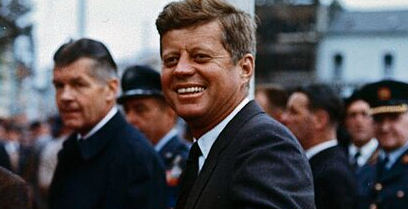
On November 22, 1963, President John F. Kennedy was assassinated in Dallas, Texas, as his motorcade passed through Dealey Plaza. Lee Harvey Oswald was arrested for the crime, but he was shot and killed by Jack Ruby before he could stand trial. Kennedy’s death sent shockwaves through the nation, leaving Americans mourning the loss of their young, charismatic leader. The assassination sparked countless conspiracy theories and left many unanswered questions, casting a long shadow over U.S. politics. It’s hard not to wonder where the world would be if Kennedy had survived on that fateful day.
Getty Images
The Death of Marilyn Monroe
The sudden death of Marilyn Monroe on August 5, 1962, shocked the world and marked the tragic end of one of Hollywood’s brightest stars. Monroe, an iconic actress and sex symbol, was found dead in her Los Angeles home from an apparent overdose of barbiturates. Ruled a probable suicide, speculation about foul play and conspiracy theories about her final moments have persisted for decades.

Getty Images
The Watts Riots
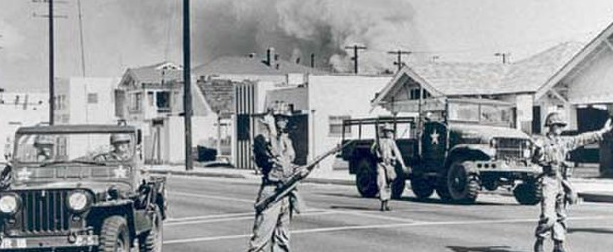
The Watts Riots, which erupted in the Watts neighborhood of Los Angeles in August 1965, were one of the largest and most violent urban uprisings of the decade. Triggered by the arrest of a Black motorist for drunk driving and fueled by long-standing frustrations over police brutality, poverty, and racial inequality, the riots lasted for six days. Thirty-four people were killed, over 1,000 were injured, and large sections of Watts were set ablaze. The Watts Riots brought national attention to the systemic problems facing Black Americans and served as a precursor to the more widespread civil unrest that would follow later in the decade.
Getty Images
The First Human Heart Transplant
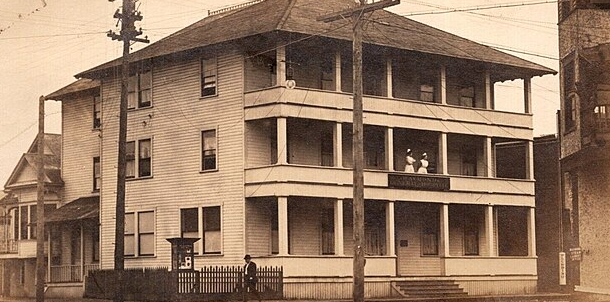
In December 1967, South African surgeon Dr. Christiaan Barnard performed the first successful human heart transplant at Groote Schuur Hospital in Cape Town. The patient, Louis Washkansky, lived for 18 days before succumbing to pneumonia, but the procedure marked a major breakthrough in medical science. Barnard’s success opened the door to modern transplant medicine, proving that life-saving organ transplants were possible.
Getty Images