
The 1970s were a decade filled with turmoil, political unrest, and cultural upheaval. The scandals from this era shook governments, horrified citizens, and dominated headlines across the globe. From acts of violence and political corruption to social movements and personal tragedies, we can still feel the ramifications of these events that exposed cracks in institutions, sparked widespread outrage, and changed the way society functioned.
The Death of Nancy Spungen
The turbulent relationship between Sex Pistols bassist Sid Vicious and his girlfriend, Nancy Spungen, exposed a true darkness in the punk rock scene. In October 1978, Spungen was found dead from a stab wound in their room at New York’s Chelsea Hotel, and Vicious was arrested for her murder, though he denied remembering the events leading to her death. Months later, Vicious died of a heroin overdose while out on bail, leaving the case unresolved. While there are multiple theories that point towards what really happened on the night of Spungen’s death, we’ll never really know the truth.

Getty Images
The Watergate Scandal
The Watergate scandal was a political bombshell that rocked the U.S. government and led to the resignation of President Richard Nixon in 1974. It all began in 1972 when five men were caught breaking into the Democratic National Committee headquarters at the Watergate complex in Washington, D.C. Investigations revealed that the break-in was part of a larger campaign of political espionage and sabotage orchestrated by Nixon’s re-election committee. As evidence of a cover-up emerged, including the existence of secret recordings, Nixon faced impeachment. To avoid removal from office, he resigned, making him the only U.S. president to do so, leaving a deep scar on American politics.

Getty Images
The Massacre at Kent State
On May 4, 1970, the U.S. National Guard opened fire on unarmed college students protesting the Vietnam War at Kent State University in Ohio, killing four students and injuring nine others. The students were demonstrating against President Nixon’s decision to expand the war into Cambodia when police opened fire on the unarmed young people. The shooting shocked the nation, highlighting the deep divisions in America over the Vietnam War, while sparking widespread outrage and igniting protests on college campuses across the country.

Getty Images
Bloody Sunday
Bloody Sunday occurred on January 30, 1972, when British soldiers shot and killed 13 unarmed civil rights protesters in Derry, Northern Ireland. The demonstrators were marching to protest the British government’s policy of internment without trial when the soldiers opened fire, claiming they were responding to attacks from armed terrorists, but evidence later revealed that none of the protesters were armed. The massacre deepened the conflict in Northern Ireland, known as The Troubles, and fueled decades of violence between Irish nationalist groups and the British government. Bloody Sunday remains one of the darkest days in the history of the conflict.

Getty Images
Hanoi Jane
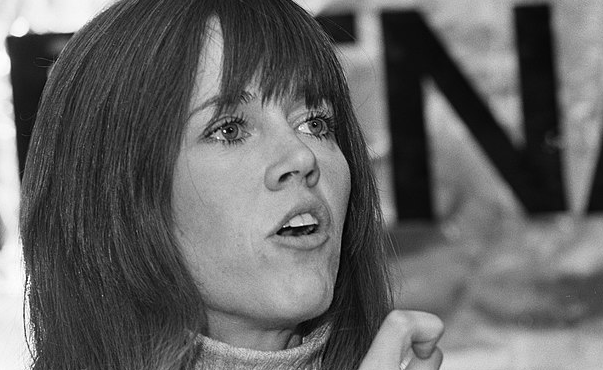
In 1972, actress and activist Jane Fonda earned the nickname “Hanoi Jane” after visiting North Vietnam during the height of the Vietnam War. Fonda, a vocal opponent of the war, was photographed sitting on an anti-aircraft gun used to shoot down American planes, sparking outrage back home. Many conservative voices viewed her actions as a betrayal of veterans and the men fighting in the war. Fonda later apologized for the incident, but the image and her outspoken criticism of the war left a lasting mark on her reputation.
Getty Images