
History is often remembered through grand events and famous figures, but the truth of the past lies in the quieter, often forgotten moments. These photos peel back the layers of nostalgia to reveal the raw, unfiltered reality of life as it once was. From everyday scenes to hidden corners of history, each image offers a glimpse into the struggles, triumphs, and humanity that shaped the world we know today. These forgotten snapshots remind us that history isn’t just what we read in textbooks—it’s lived by real people in real moments, and their stories still resonate in surprising and powerful ways.
The Feminist Movement
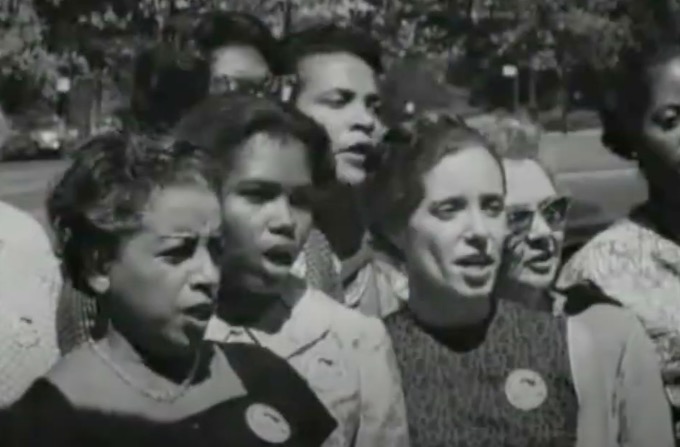
The 1960s were a transformative time for the feminist movement, as women began to challenge the traditional roles assigned to them by society. Betty Friedan’s The Feminine Mystique, published in 1963, tends to be credited with sparking the second wave of feminism, which focused on issues such as workplace equality, reproductive rights, and dismantling gender stereotypes. Organizations like the National Organization for Women (NOW) came about, and the push for the Equal Rights Amendment were critical developments during this decade, laying the groundwork for the ongoing struggle for gender equality.
Getty Images
Psychedelic Music
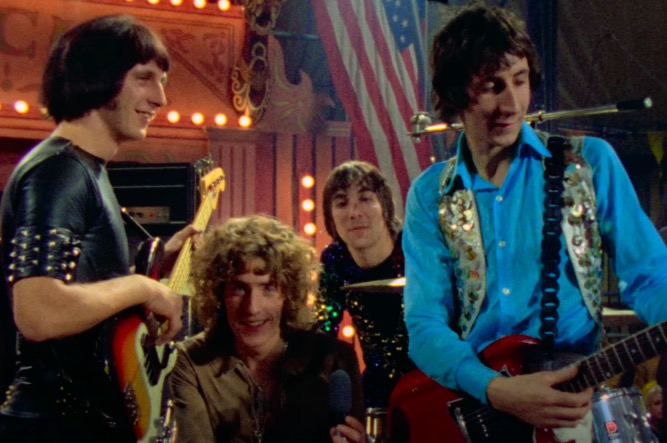
The 1960s were a time of experimentation with psychedelic drugs, particularly LSD, which became associated with the counterculture movement. Psychedelic music, art, and fashion emerged as expressions of the altered states of consciousness induced by these substances. Bands like The Grateful Dead, Jefferson Airplane, and Pink Floyd created music that reflected the mind-expanding experiences of the time. The use of psychedelics also influenced the broader cultural landscape, contributing to the era’s sense of exploration and breaking down conventional boundaries.
Getty Images
Motown
Motown Records, founded by Berry Gordy in 1959, became one of the most successful and influential music labels of the 1960s. Based in Detroit, Motown produced a string of hits defining the decade’s sound, featuring artists like The Supremes, Marvin Gaye, Stevie Wonder, and The Temptations. The label’s unique blend of pop and soul music, known as the “Motown Sound,” was characterized by its catchy melodies, rhythmic structures, and distinctive use of tambourines and hand claps. This sound crossed racial barriers and brought Black artists to the forefront of the American music scene.

Getty Images
The 1960s Changed Fashion Forever
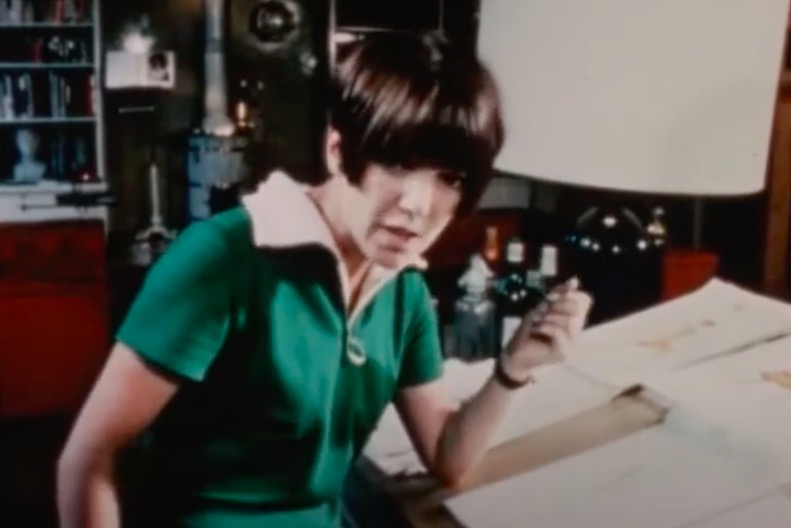
Fashion in the 1960s reflected the cultural and social changes of the time. The decade saw a dramatic shift from the conservative styles of the 1950s to more daring and expressive clothing. The mod look, characterized by mini skirts, bold patterns, and sleek lines, became popular among young people, particularly in London. Meanwhile, the hippie movement embraced a more bohemian style, with flowing garments, ethnic prints, and an emphasis on natural materials – that was an era that was all about breaking the rules.
Getty Images
In the ’60s We Tried To Take Care of the Environment
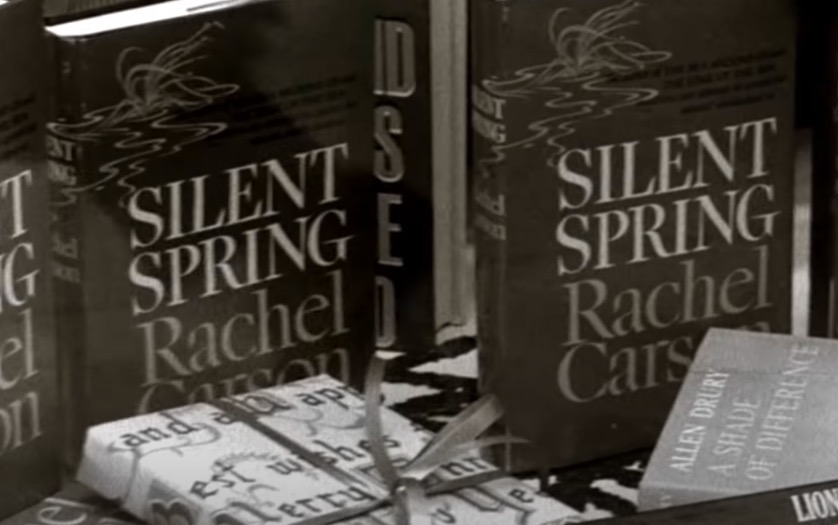
The 1960s marked the beginning of the modern environmental movement, as concerns about pollution, industrialization, and the impact of human activity on the planet began to gain traction. The publication of Rachel Carson’s Silent Spring in 1962 brought the dangers of pesticides to the forefront of American conversation and kicked the environmental movement into gear. This decade also saw the first Earth Day in 1970 (rooted in the activism of the ‘60s) and the establishment of environmental organizations that would play critical roles in advocating for the planet’s health.
Getty Images