
Saturday mornings in the 1980s were a sacred time for kids across America. Armed with cereal bowls and endless imagination, they tuned in to a colorful lineup of unforgettable cartoons that defined their childhoods. These animated adventures weren’t just entertainment; they were cultural phenomena. Let’s take a nostalgic dive into five iconic Saturday morning cartoons that shaped an entire generation.
He-Man and the Masters of the Universe
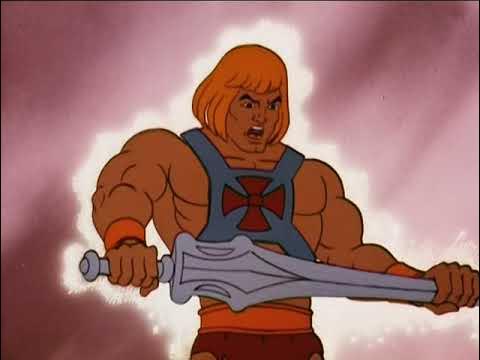
Debuting in 1983, He-Man and the Masters of the Universe introduced viewers to the magical land of Eternia, where Prince Adam transformed into the mighty He-Man to defend Castle Grayskull from the evil Skeletor. This action-packed show captivated kids with its blend of sword and sorcery and futuristic tech. Its catchy catchphrase—”By the power of Grayskull, I have the power!”—still echoes in pop culture today. The show’s imaginative characters and dramatic battles also inspired a wave of comic books, video games, and spin-offs. Fun fact: He-Man was one of the first cartoons specifically created to promote a toy line, and its massive success redefined the relationship between toys and TV shows.
Dic
G.I. Joe: A Real American Hero
In 1983, G.I. Joe: A Real American Hero brought military action to Saturday mornings. The series followed an elite team of soldiers battling the sinister terrorist organization Cobra. With a diverse cast of characters and intense battles, G.I. Joe emphasized teamwork and heroism. Each character came with unique skills and gear, making them instantly recognizable to fans. The show also featured cutting-edge animation for its time, which added to its dynamic appeal. What set this cartoon apart was its iconic public service announcements, where characters would teach kids important life lessons, ending with the unforgettable tagline, “Now you know, and knowing is half the battle.” The PSAs solidified the show’s legacy by emphasizing moral values, making it educational and entertaining. Behind the scenes, the cartoon’s toy tie-in helped make action figures a must-have for every 80s kid.

Fair Use
Teenage Mutant Ninja Turtles
Cowabunga, dude! Teenage Mutant Ninja Turtles first hit TV screens in 1987 and quickly became a global sensation. The show chronicled the adventures of four pizza-loving mutant turtles—Leonardo, Michelangelo, Donatello, and Raphael—trained in ninjitsu by their wise rat mentor, Splinter. Together, they fought against their arch-nemesis, Shredder, and his villainous Foot Clan. The series’ combination of humor, action, and catchy catchphrases like “Turtle Power!” made it a favorite among kids. Its success also spurred a wave of merchandise, from action figures to lunch boxes, cementing its place in pop culture history. Interestingly, the TMNT franchise began as a gritty comic book before being adapted into the kid-friendly cartoon beloved by millions. It spawned toys, video games, and even live-action films.

CBS
The Smurfs
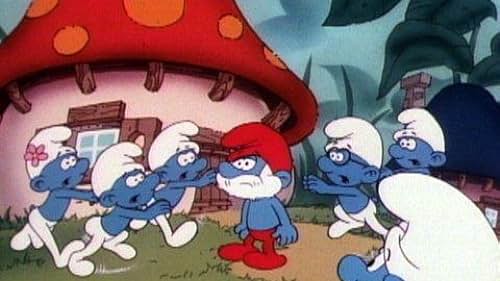
Premiering in 1981, The Smurfs brought the whimsical world of tiny blue creatures to life. Living in mushroom-shaped houses in an enchanted forest, the Smurfs were led by the wise Papa Smurf as they outwitted the evil wizard Gargamel and his cat, Azrael. Each Smurf had a unique personality trait, making them relatable and memorable for kids. The show’s cheerful tone and catchy theme song ensured its appeal across generations. Its international success also inspired movies, video games, and even theme park attractions. A lesser-known fact about The Smurfs is that they originated as a Belgian comic series in 1958. The cartoon’s gentle humor and heartwarming messages about community and cooperation made it stand out from the more action-driven shows of the era.
NBC
Transformers
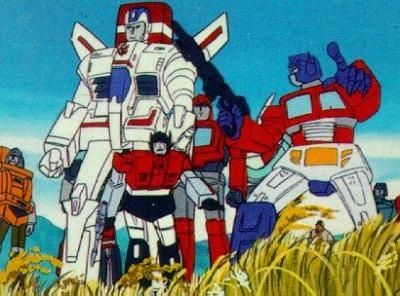
Transformers debuted in 1984, revolutionizing the way kids viewed robots. The series showcased the epic battle between the heroic Autobots, led by Optimus Prime, and the evil Decepticons, commanded by Megatron. These sentient robots could transform into vehicles, planes, and even cassette players, adding a layer of excitement to every episode. The show’s intricate storylines often explored themes of loyalty and sacrifice, resonating with viewers. Its enduring popularity cemented Transformers as a multi-generational franchise with countless adaptations. Transformers was more than just a show; it was a cultural movement. The franchise’s intricate storytelling and groundbreaking animation set it apart. Behind the scenes, the series’ collaboration between American and Japanese creators led to a toy line that became one of the most successful in history.
IMDB