
It’s an understatement to say that the 1960s were a decade of transformation, not just in society but in film, music, all of it. Genres like rock ‘n’ roll, soul, and folk were evolving, giving birth to some of the most unforgettable songs in history. Out of all the hits from this incredible era, a few artists struck gold with just one song, creating timeless tracks that we still listen to today, and that influences the music we hear now. These one-hit wonders captured the spirit of the ’60s even if they didn’t make it to the ’70s.
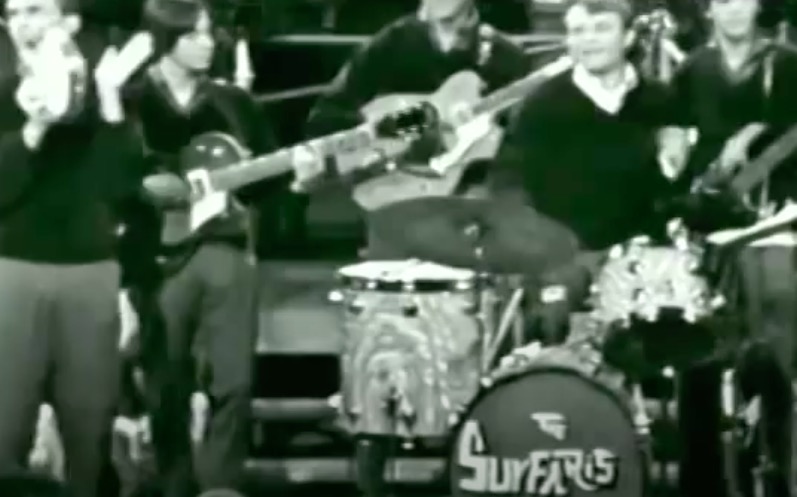
You’re playing the drum solo on your lap right now, aren’t you? “Wipe Out” by The Surfaris is an honest-to-goodness anthem of the surf rock era, one of the few that still stands today. The instrumental track is an incredible document of the carefree, sun-soaked vibes of the early ’60s. Even today, hearing those first few notes instantly conjures images of crashing waves and endless summer days, reminding us of a time when life seemed as simple and fun as a day at the beach.
Getty Images
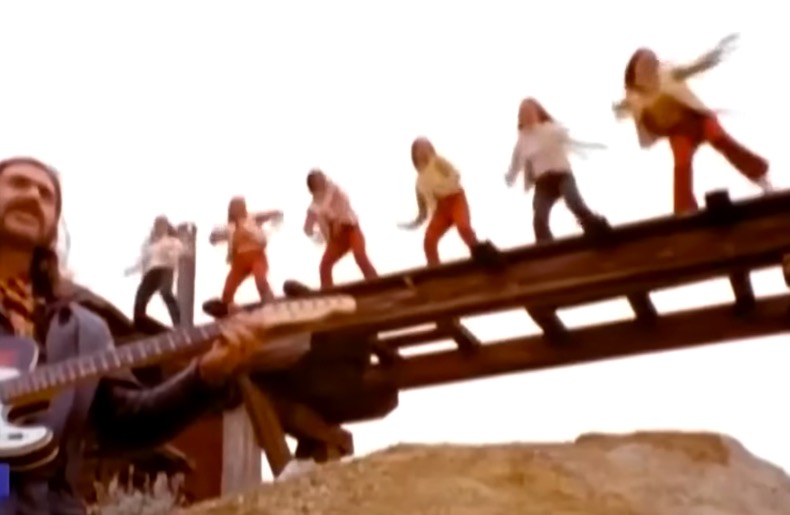
“Spirit in the Sky” by Norman Greenbaum transcends its time, blending rock with gospel influences to create something truly unique. The fuzzy guitar riff and Greenbaum’s soulful vocals made this track an instant hit that still pops up on soundtracks to this day. The song’s uplifting message and infectious energy have kept it alive for decades, reminding us of the spiritual awakening and optimism that characterized the late ’60s.
Getty Images
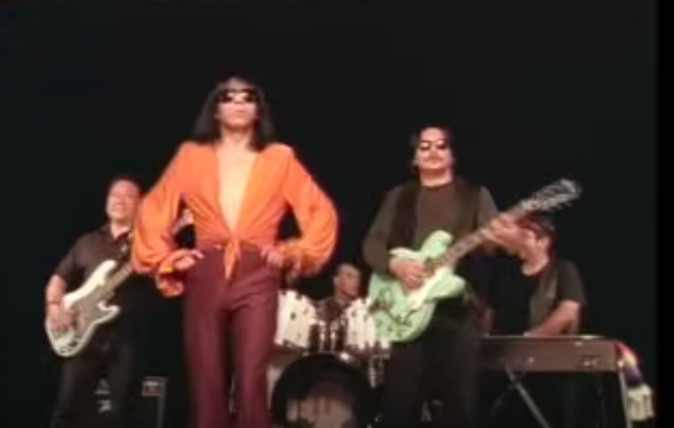
“96 Tears” by ? and the Mysterians is one of the defining tracks of the early garage rock movement. This eerie track with its minimalist organ riff and raw, emotional lyrics became an unexpected hit, resonating with listeners who appreciated its stripped-down sound. “96 Tears” captures the angst and rebellion of youth, making it a timeless anthem for anyone who’s ever experienced heartache.
Getty Images
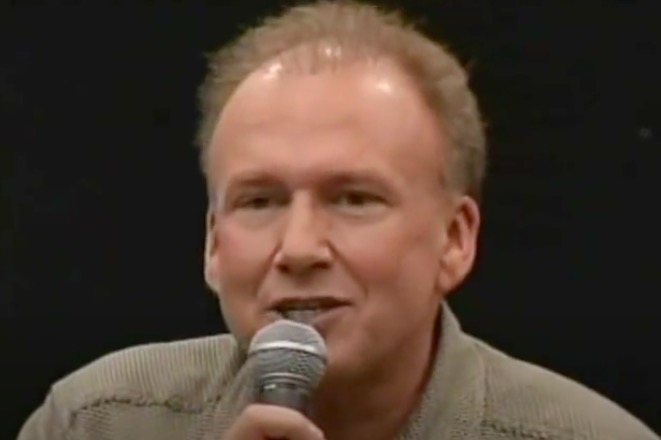
“Sugar Shack” by Jimmy Gilmer and The Fireballs is a sweet, feel-good track that perfectly captures the innocence of early ’60s pop music.
With its catchy melody and lighthearted lyrics about a cozy little café, the song became a massive hit, topping the charts in 1963. Listening to “Sugar Shack” today brings back memories of simpler times, when life was all about young love and carefree days.
Getty Images
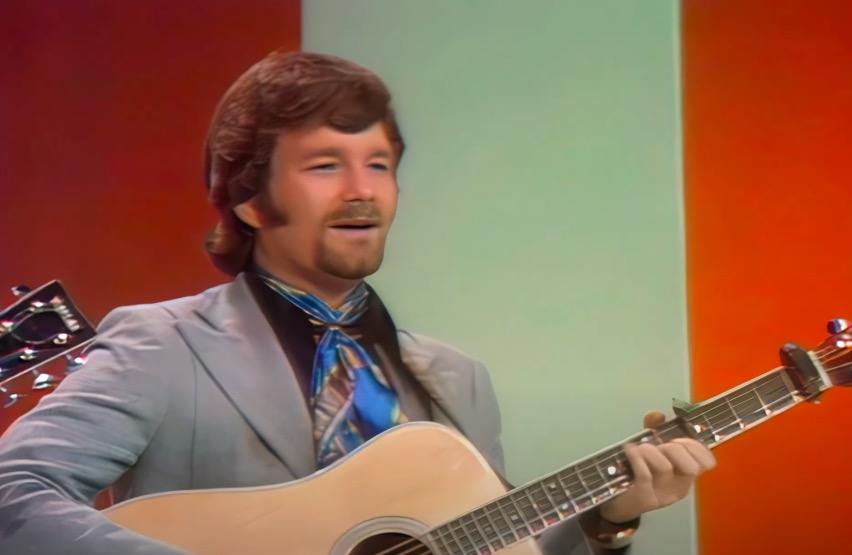
“In the Year 2525” by Zager and Evans is a haunting, dystopian track that imagines humanity’s grim future.
Released at the tail end of the ’60s, the song’s eerie lyrics and foreboding melody struck a chord with listeners grappling with the rapid changes of one of the most chaotic times in America.
Getty Images
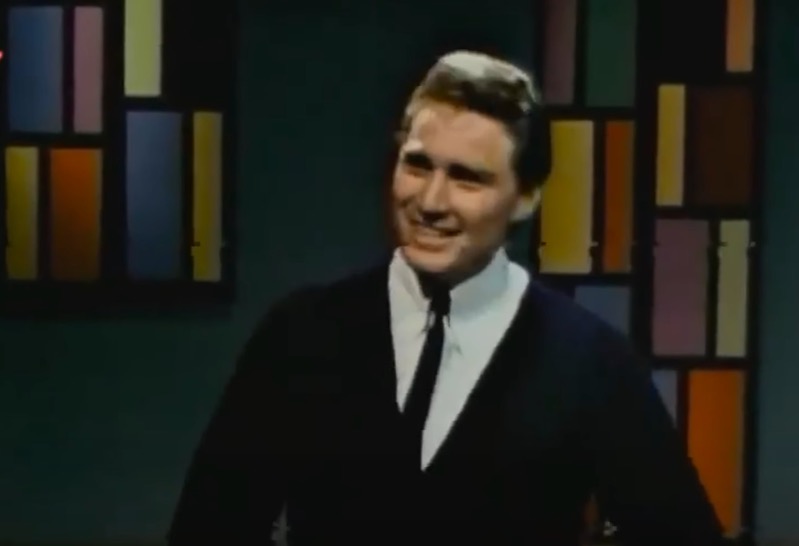
“Hey! Baby” by Bruce Channel is a rockabilly classic that had everyone dancing in the early ’60s.
Thanks to the harmonica melody and incredible chorus, this song was an instant hit. This track is the kind of feel-good song that brings back memories of sock hops and school dances.
Getty Images
“Eve of Destruction” by Barry McGuire is a powerful protest song that captured the turbulent mood of the mid-1960s.
With its gritty vocals and politically charged lyrics, the song became an anthem for the counterculture movement.

Getty Images
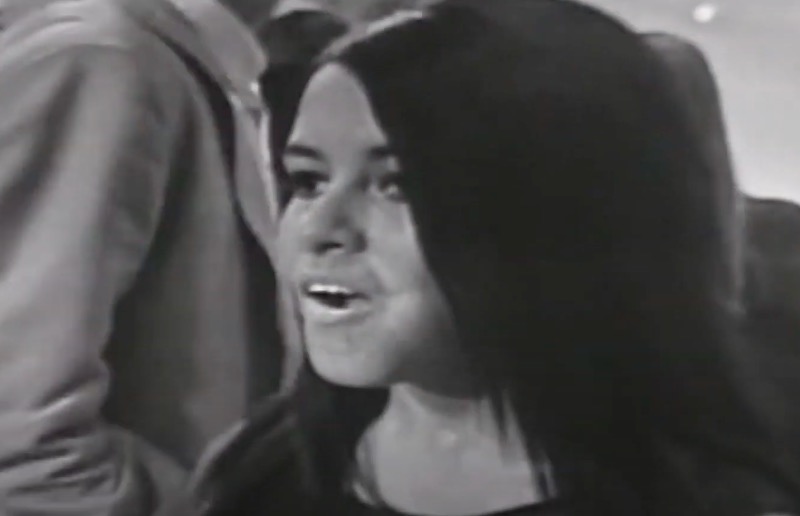
“The Boy from New York City” by The Ad Libs is a delightful little doo-wop track that takes listeners to the Big Apple.
The song became a hit in 1964 thanks to its catchy melody and charming lyrics that capture the excitement and allure of New York City.
Getty Images
“Little Bit O’ Soul” by The Music Explosion is a high-energy track that remains a garage rock staple thanks to its driving beat and infectious chorus.
“Little Bit O’ Soul” doesn’t just swing; it makes you want to get up and move, reminding us of the raw, unfiltered energy that defined the music of the ’60s.

Getty Images
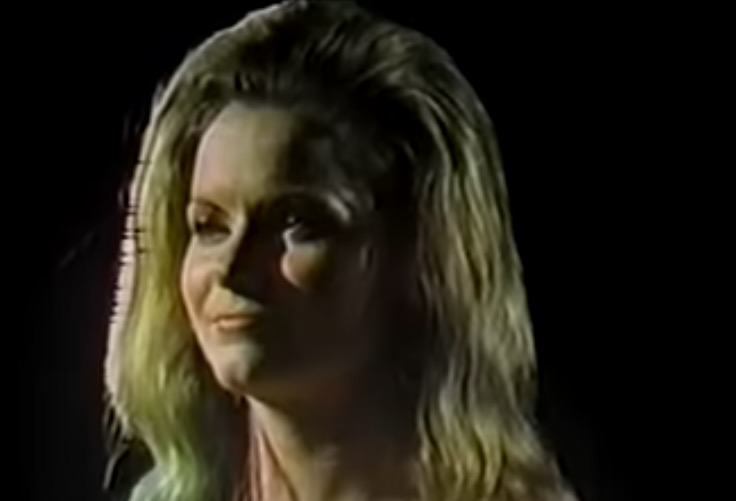
“Harper Valley P.T.A.” by Jeannie C. Riley is a country-pop crossover hit about a small-town scandal.
With its sharp lyrics and catchy melody, the song became a sensation, topping both the country and pop charts. The last of its kind, a story song about a woman defending her daughter from uptight adults at her junior high, “Harper Valley P.T.A.” captures the drama and gossip of small-town life with a sassy, rebellious edge.
Getty Images
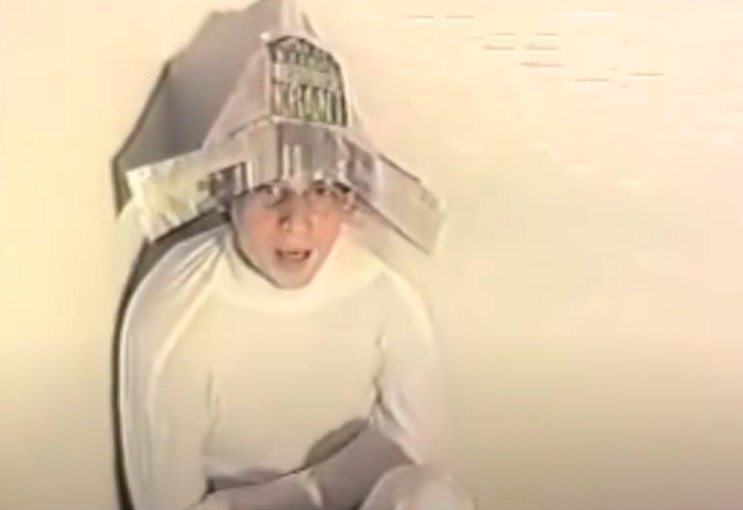
What a time to be alive, when “They’re Coming to Take Me Away, Ha-Haaa!” by Napoleon XIV was not just a song, but a straight-up hit.
One of the most eccentric one-hit wonders of the ’60s, if not the most eccentric song of the era, this track’s bizarre lyrics and unsettling rhythm somehow made the song an unexpected hit.
Getty Images
“Sukiyaki” by Kyu Sakamoto is a beautiful, melancholic ballad that became a surprising hit in the U.S. despite being sung entirely in Japanese.
The song’s gentle melody and heartfelt lyrics transcended language barriers, making it a favorite among listeners worldwide.

Getty Images
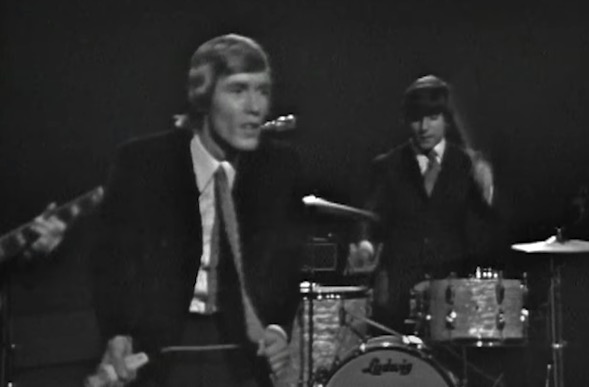
“Black Is Black” by Los Bravos is a driving rock track with a catchy beat and a touch of melancholy.
The song’s blend of rock, pop, and soul made it an international hit, and its distinctive sound set it apart from the crowd. “Black Is Black” is a reminder of the global reach of ’60s music, capturing the cross-cultural influences that shaped the decade’s sound.
Getty Images
“Na Na Hey Hey Kiss Him Goodbye” by Steam has become a staple at sporting events and farewells, but its life began as a one-hit wonder in 1969.
With its simple, repetitive chorus and infectious melody, the song quickly became a sing-along favorite.

Getty Images
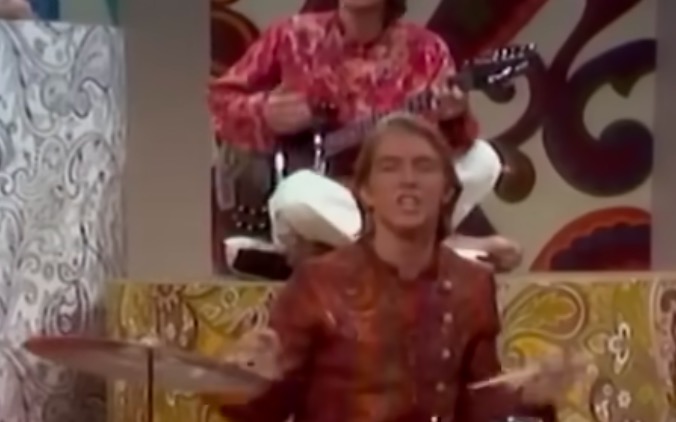
“Venus” by Shocking Blue is a fiery rock track with a powerful female lead vocal that became an international hit in the late ’60s.
The song’s catchy ’60s riffs and bold lyrics made it a standout in a decade full of musical experimentation. This track has a confidence and energy that still makes us want to grab life by the reins and hold on for dear life.
Getty Images
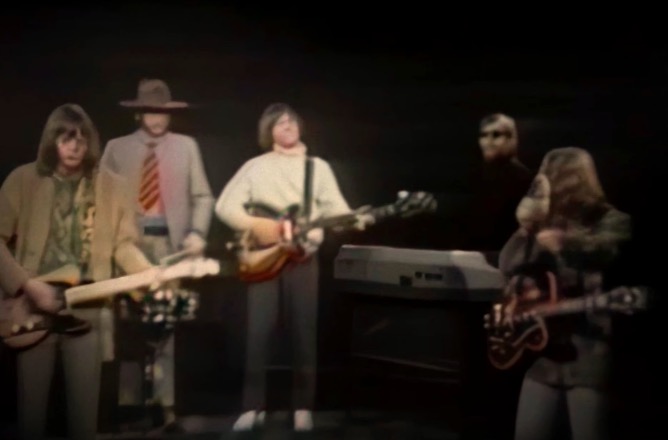
“Green Tambourine” by The Lemon Pipers is a psychedelic bop that still defines the music of the late 1960s.
With its dreamy lyrics and shimmering instrumentation, the song makes you feel like you’re being twisted up inside of some whimsical kaleidoscope. “Green Tambourine” is a perfect example of the influence held by the flower power movement.
Getty Images
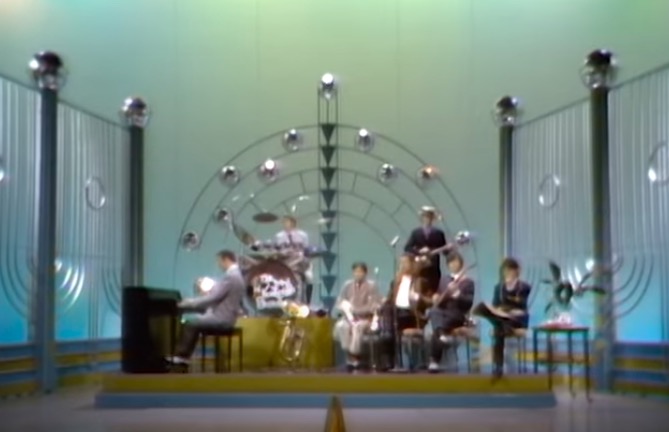
Try not to sing the opening lines to “Incense and Peppermints” by Strawberry Alarm Clock, we dare you.
This psychedelic gem from the ’60s became a hit in 1967, capturing the trippy, colorful atmosphere of the Summer of Love. Listening to “Incense and Peppermints” today brings back that special feeling of peace, love, and harmony that defined the counterculture movement.
Getty Images
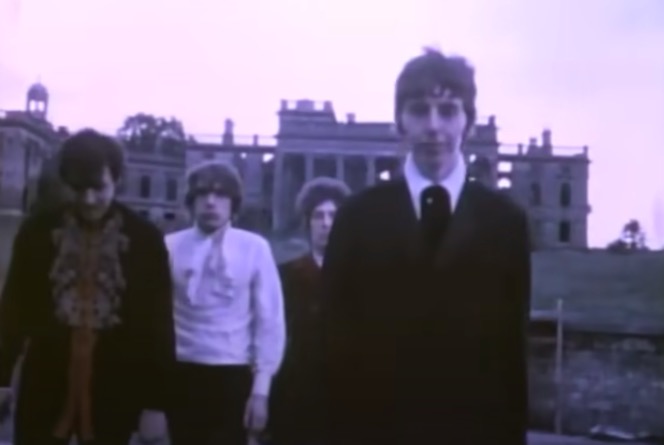
“Winchester Cathedral” by The New Vaudeville is a quirky, nostalgic track that became a surprise hit in the mid-’60s.
It’s likely that the reason this track stood out in the ’60s is its distinct references to the 1920s – which stood out in a decade of music that looked forward. The playful “Winchester Cathedral” evokes a sense of whimsy and charm that takes us back to an era that may have never existed.
Getty Images
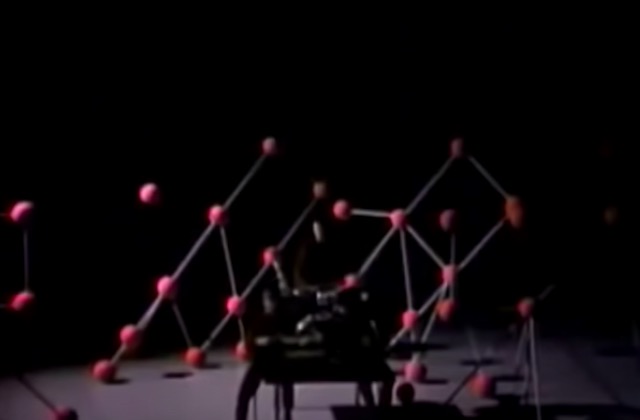
“A Whiter Shade of Pale” by Procol Harum is a hauntingly beautiful song that became an instant classic upon its release in 1967.
By capturing the reflective and psychedelic vibe of the late ’60s with its enigmatic lyrics and evocative organ melody, the song exudes a melancholy vibe that feels timeless today.
Getty Images
“Red Rubber Ball” by The Cyrkle is a bright and breezy pop tune that brought a sense of optimism and joy to the charts in 1966.
Written by Paul Simon and Bruce Woodley, the song’s catchy melody and simple lyrics made it a hit at the height of the British Invasion. If you’re looking for a feel-good song that might as well be a time machine, then “Red Rubber Ball” will zap you back to a moment when the world seemed full of hope and endless possibilities.
Getty Images