
If you’re not in the entertainment business it can be tough to unravel just how some of your favorite shows are made. Most people know that a crew sets up cameras and lights, and that actors perform, but what does it take to get to that point? And does anyone even like each other on set? Today, we’re looking at the stories behind the stories of some of our favorite movies and TV shows. Do you want to know what Peter Sellers was like on set? Or how they made Max Headroom look so weird? And why is Mary Tyler Moore wearing a wig in the first season of her show? We’ve got answers to all that and more. So kick back, relax and let us do the thinking.
Yvonne Craig was a late addition to the first live action Batman TV series, swinging into Gotham City during the show’s third and final season playing the dual role of Barbara Gordon and Batgirl. Craig was a dynamic presence on screen, and not just because she was drop-dead gorgeous. She brought a physicality to her performance that was years in the making. Craig studied ballet for most of her life. She attended the School of American Ballet in New York, and when she was 17 years old, Craig was the youngest member of the touring Ballet Russe de Monte Carlo. She ditched ballet for acting, doing guest spots on TV shows and appearing in two Elvis movies before getting the Batman gig. Working on the show was physically taxing, and while Adam West and Burt Ward had stunt doubles for the run of the series, Craig insisted that she do her own stunts. Her ballet training was integral to her work on the show, and it’s one of the reasons that she was able to convince the producers to let her take falls and get into fistfights on camera.

Getty Images
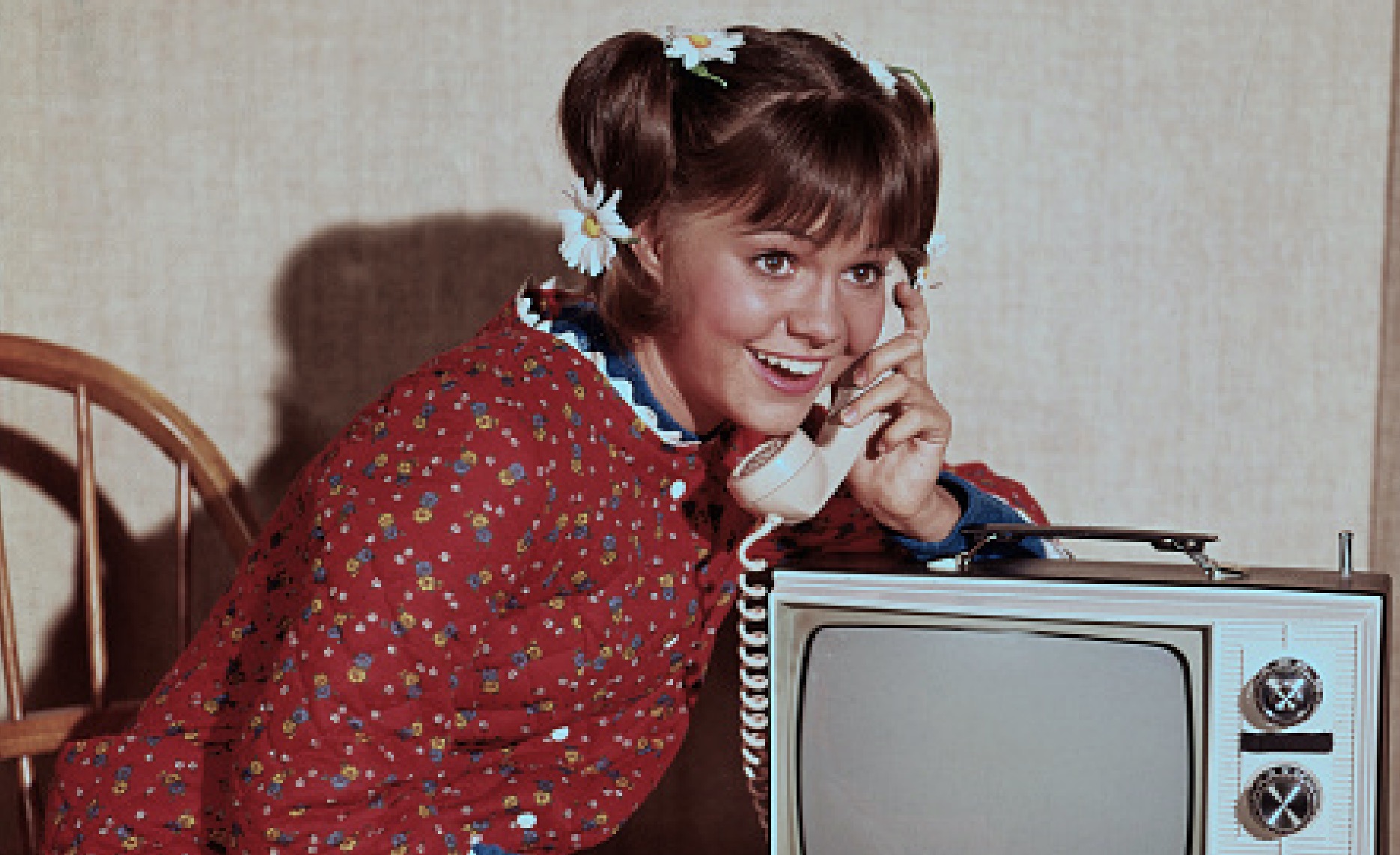
Sally Field is one of our favorite stars. She’s not just an award winning actress, but someone who we love to see on our screens year after year. You can think of a million movies that she’s in, but did you know she got her start on the TV adaptation of Gidget in 1965? At the time she was an unknown who was stepping into the role of this little SoCal surfer girl after a long line of previous Gidgets. Sandra Dee was the first screen Gidget, in the eponymous 1959 film. Then Deborah Walley played the character in the 1961 movie Gidget Goes Hawaiian, and Cindy Carroll took over in Gidget Goes To Rome (1963). All of these characters were based on a real-life surfer girl named Kathy Kohner, who was given the nickname “Gidget” by her young male surfer friends. Kohner stood about five feet tall, and the name was a contraction of “girl midget.”
Getty Images
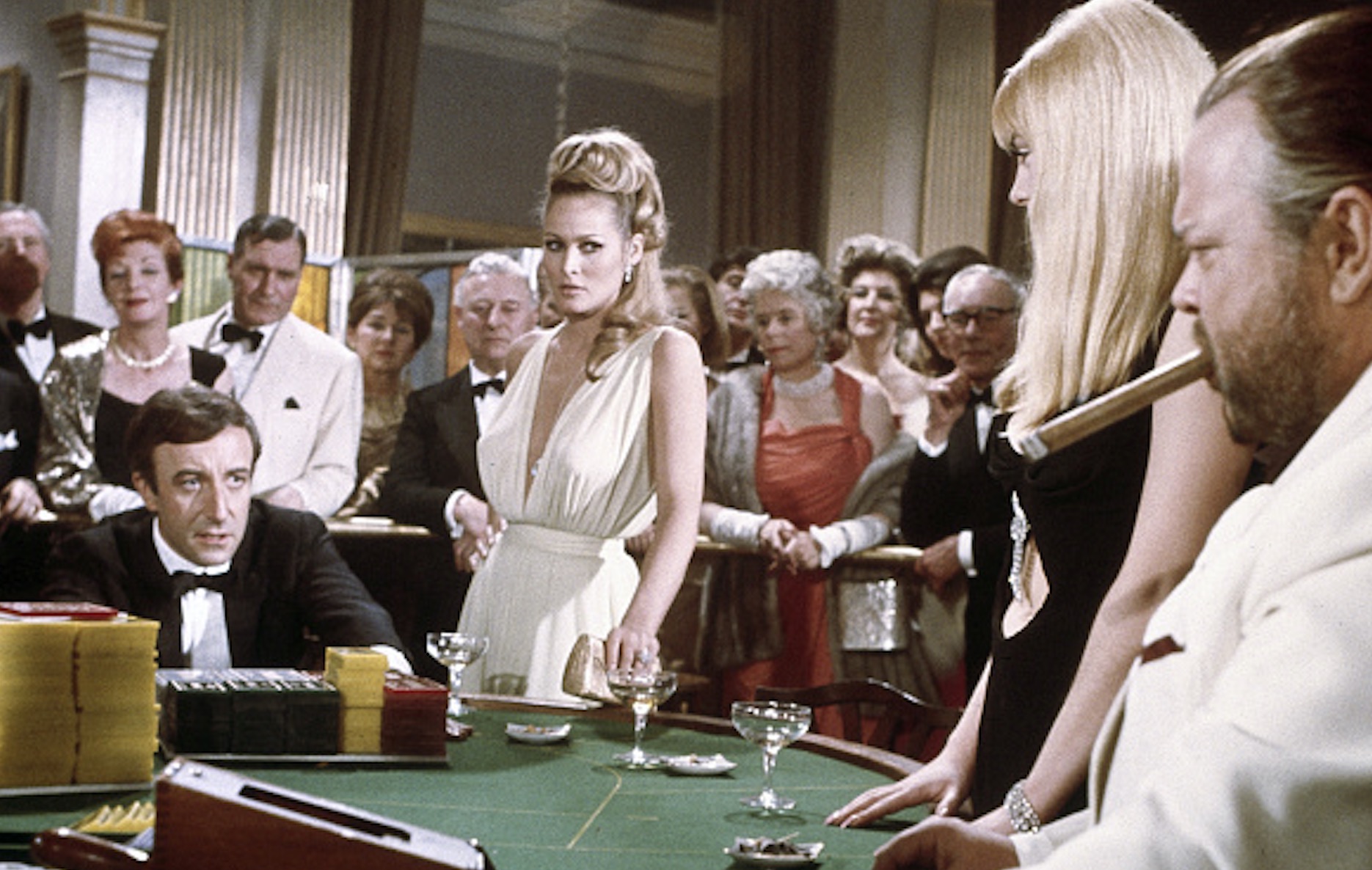
You never knew what Peter Sellers was going to do. That unpredictability is what made him such a brilliant comedic actor, but it’s also what made him so off putting in real life. A prime example of someone who hated working with Sellers was Orson Welles. Welles and Sellers ended up in a legendary feud while making the 1967 Bond spoof Casino Royale, things were so bad that they couldn’t even film scenes together. The animosity stemmed in part from Sellers’ fat jokes at Welles’ expense, but Orson got off easy compared to Jacqueline Bisset. As the seductive Miss Goodthighs, Bisset entered the scene wearing a pajama top and carrying a bottle of Champagne in her first take. Sellers, playing James Bond, turned to her and quite unexpectedly shot her in the face with a gun. Luckily it was loaded with blanks, but the gunpowder burned her skin, and she was bleeding where she was blasted with tiny pieces of shrapnel. “First I thought I had been actually shot and then when I realized it had been a blank, I thought I’d been blinded,” she later revealed. “My face looked like a shower spout of pinpricks leaking blood… To get shot in your first scene with a big star, that is a nightmare.”
Getty Images
The Munsters may be one of the goofiest primetime family sitcoms of the 1960s, but it was hard work. Each actor had to sit for hours of makeup application to film each episode. To play Herman Munster, actor Fred Gwynne had to wear an extremely bulky and unbearably hot costume. To stay cool and to keep his heavy makeup from melting stagehands devised a method where they could use an air compressor to shoot cool air into his costume in between scenes. Despite all of their efforts, the actor consistently lost weight due to excessive sweating. Actress Yvonne De Carlo had her own hot-and-heavy struggle: her wig reportedly weighed about 20 pounds. Her transformation to Lily Munster required two hours in the makeup chair, and the results were horrifying – to her, at least. The first time she saw herself made up as Lily, the veteran actress broke down crying, asking “So it’s come to this?”

Getty Images
Laverne & Shirley was a classic series about two gals just trying to get by in the Midwest, one was named Laverne and the other was named Shirley. Easy enough to remember, right? Apparently not. More often than not when writers want the audience to remember a character’s name they just write their name into the script a lot – which is pretty lazy. Penny Marshall, who played Laverne on the series decided that it would be easier to show rather than tell so she figured out a subtle visual cue: Laverne’s famous “L” monogram. Just as Batman doesn’t really need to say “Hi I’m Batman” because he has a big bat icon on his chest, Laverne never needed to remind the audience that she was Laverne – it was always right there in that flowing script “L.”

Getty Images
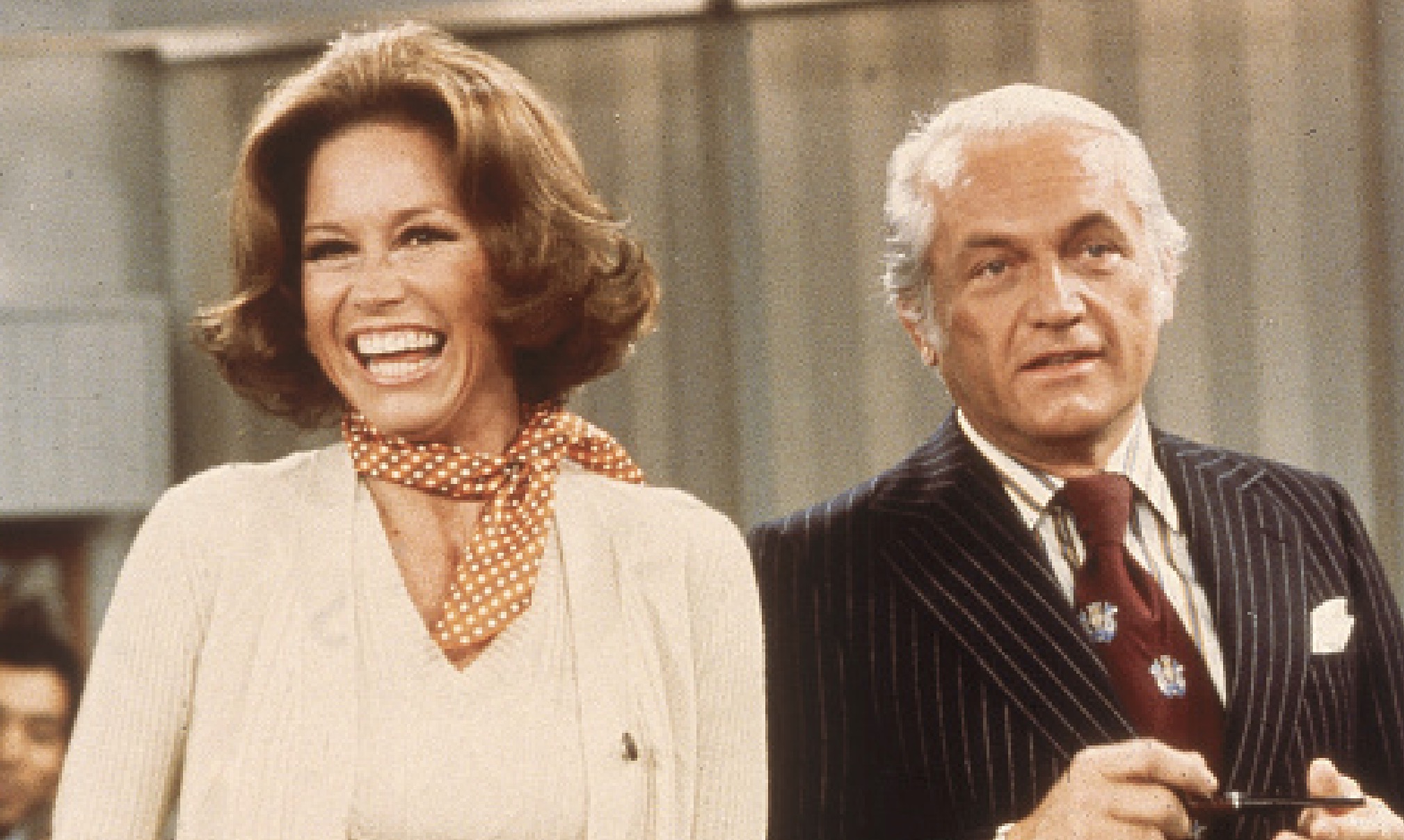
Mary Tyler Moore was a TV star before she got her own groundbreaking show, The Mary Tyler Moore Show. American viewers knew her as Laura Petrie, a role she had played for five seasons. Moore’s character on her new show was Mary Richards, not Laura Petrie and she was worried that audiences wouldn’t understand that she was playing someone new. At the time, spinoff shows were common, with shows like The Andy Griffith Show and The Man From U.N.C.L.E. spinning off into shows like Gomer Pyle, U.S.M.C. and The Girl From U.N.C.L.E., respectively. The producers of The Mary Tyler Moore Show were legitimately concerned that confused audiences would assume the character was Laura Petrie, so Moore started the new show wearing a large, dark wig. The wig disappeared after the first season, and nobody said boo.
Getty Images
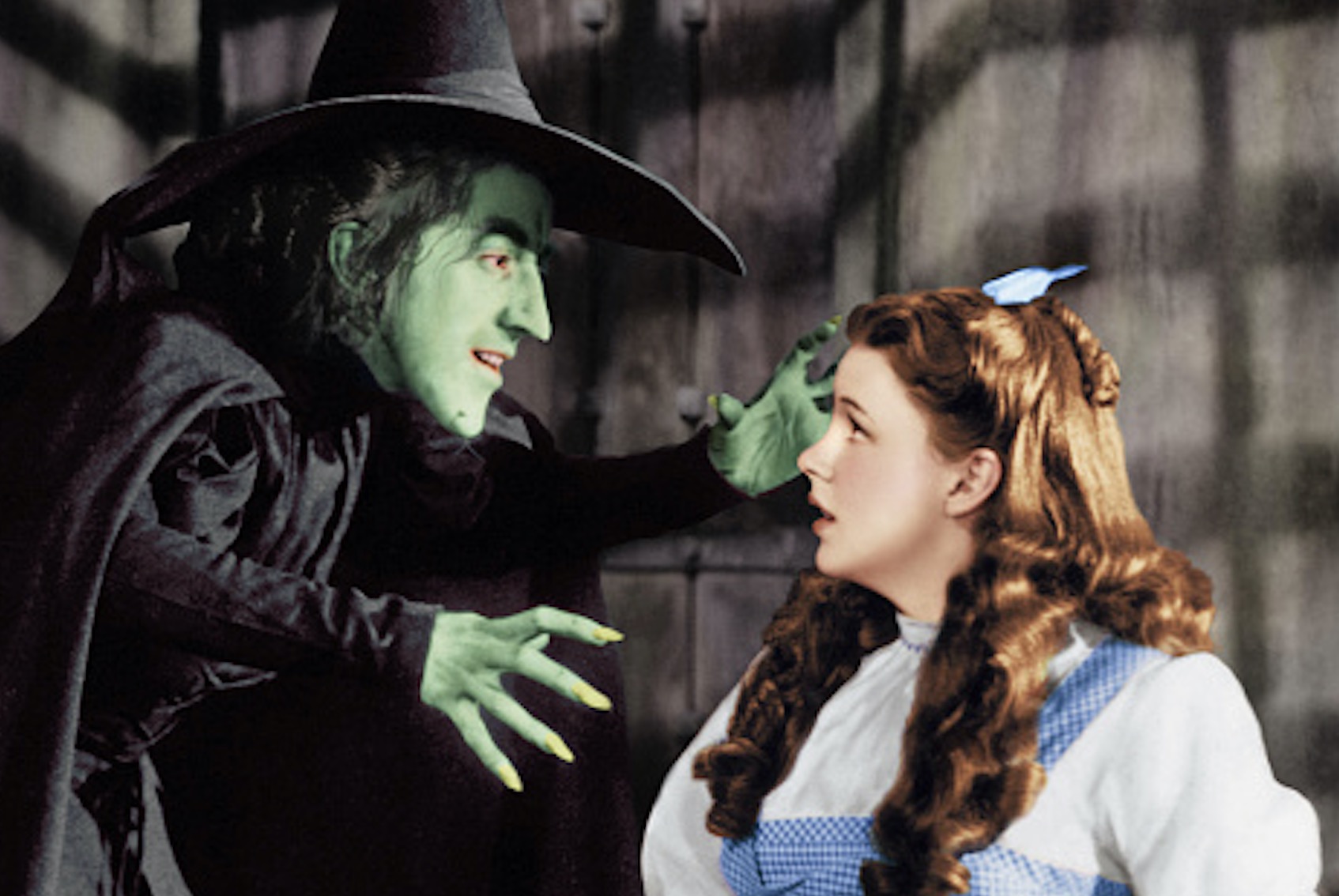
It’s hard to imagine The Wizard of Oz without Judy Garland in the role of Dorothy. Before she was cast, MGM had its eye on Shirley Temple, who was a much bigger star, for the lead role. Temple was six years younger than Garland, which was seen as better for the role even if Garland had magical pipes. There was one big hitch: Shirley Temple was contracted to Fox, not MGM. MGM hoped to trade Clark Gable and Jean Harlow to Fox for Temple, but that deal never happened. Jean Harlow died suddenly at the age of 26, and MGM had to move forward with Judy Garland. It was the role of Garland’s career and, of course, one of the greatest pictures MGM ever made, but it took a lot of bad luck to get there.
Getty Images
Summer Of ’42 is one of the great coming-of-age films, and Jennifer O’Neill plays a beautiful war bride who sets off the libidos of a group of teenage boys. In a tactic intended to result in more natural portrayals, Director Robert Mulligan shot the film in chronological order, which is unusual, but he wanted the characters to grow more comfortable on screen. O’Neill, who was only on screen for 12 minutes, was purposely kept apart from the young actors in the movie so they would have a natural awkwardness. As O’Neill remembered, the director “didn’t want us to be hanging out like friends after filming. He wanted that magic of when I walked into the room. So I was isolated, put away from everyone, which was a little hard.”

Getty Images
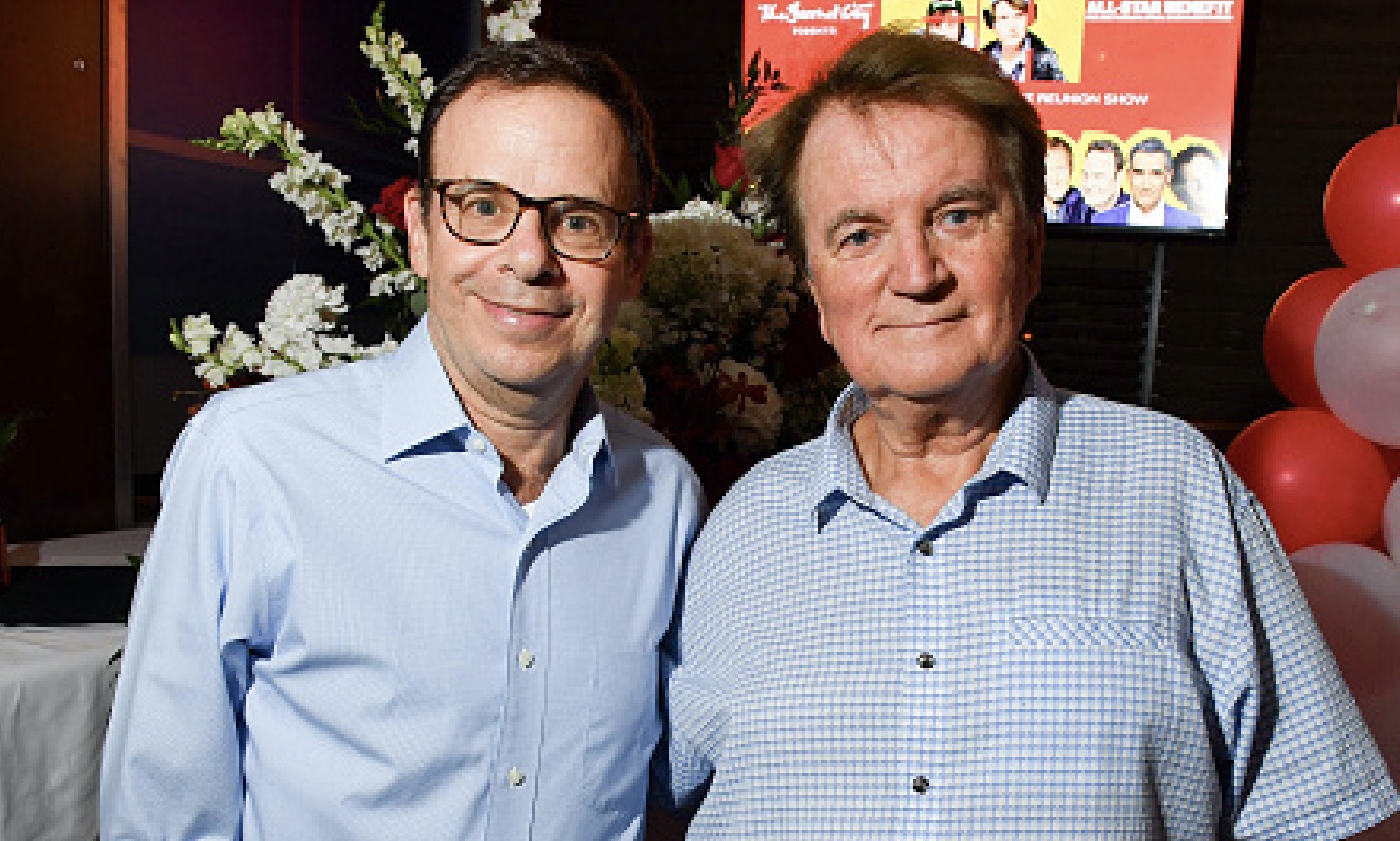
Bob and Doug McKenzie, played by Rick Moranis and Dave Thomas, are two of the most riotously funny characters from SCTV, a sketch show broadcasting out of Toronto that made its way to the United States in the early ‘80s. Due to the different rules for commercial breaks in each country, the Canadian version of the show ran two minutes longer than what was screened in America. The producers asked Thomas and Moranis to fill the time with “Canadian content” to even all of this out. The duo bristled at the notion, but then came up with a rebellious solution: if the producers wanted more Canadian content, they’d give it to them in the form of ridiculous cultural stereotypes. The McKenzie Brothers may have been a goof, but they quickly became one of the most successful sketches on the series – they even got their own movie out of the deal. For the big screen, the comedians flirted with highbrow literature by borrowing their plot from Shakespeare, naturally. In Hamlet, a Danish prince returns home to Elsinore castle to find that his father has been murdered and his mother has married the killer, his uncle. In Strange Brew, the Mackenzie brothers learn that the owner of their favorite brewery has been killed by an evil brewmaster, the owner’s daughter is in cahoots, her uncle is trying to cover it up, etc. It’s not a one for one retelling of the famous play, but once you start looking for similarities they’re hard to miss. The most obvious reference is the name of the Brewery at the center of the story, The Elsinore Brewery.
Getty Images
If you lived through the 1980s you definitely remember Max Headroom. Developed for British TV in 1985, Headroom was a computer generated TV host whose head was made out of distinct pixels. Or at least that’s what you were supposed to think. Max Headroom wasn’t computer generated at all. The character’s look was achieved by placing actor Matt Frewer in a stiff suit-and-tie shell and applying makeup to make his skin look all smooth and plasticky. Under the harsh lights, and set against a background of careening parallel lines, Frewer did indeed look very artificial. TV critics didn’t know how the effect was achieved, but they were impressed by what they assumed was some serious technology. In 1986, the show won the British Academy of Film and Television Arts (BAFTA) award for Graphics even though, apart from the lines in the background, the show didn’t employ any CG.

Getty Images