
The 1960s were such an amazing time for rock music. Countless artists pushed the boundaries of what musicians could do. Some of these groups, like The Beatles and the Rolling Stones, achieved legendary status, while others never hit the same heights. Rediscover these forgotten rock bands from the 60s, and maybe you’ll find a new obsession.
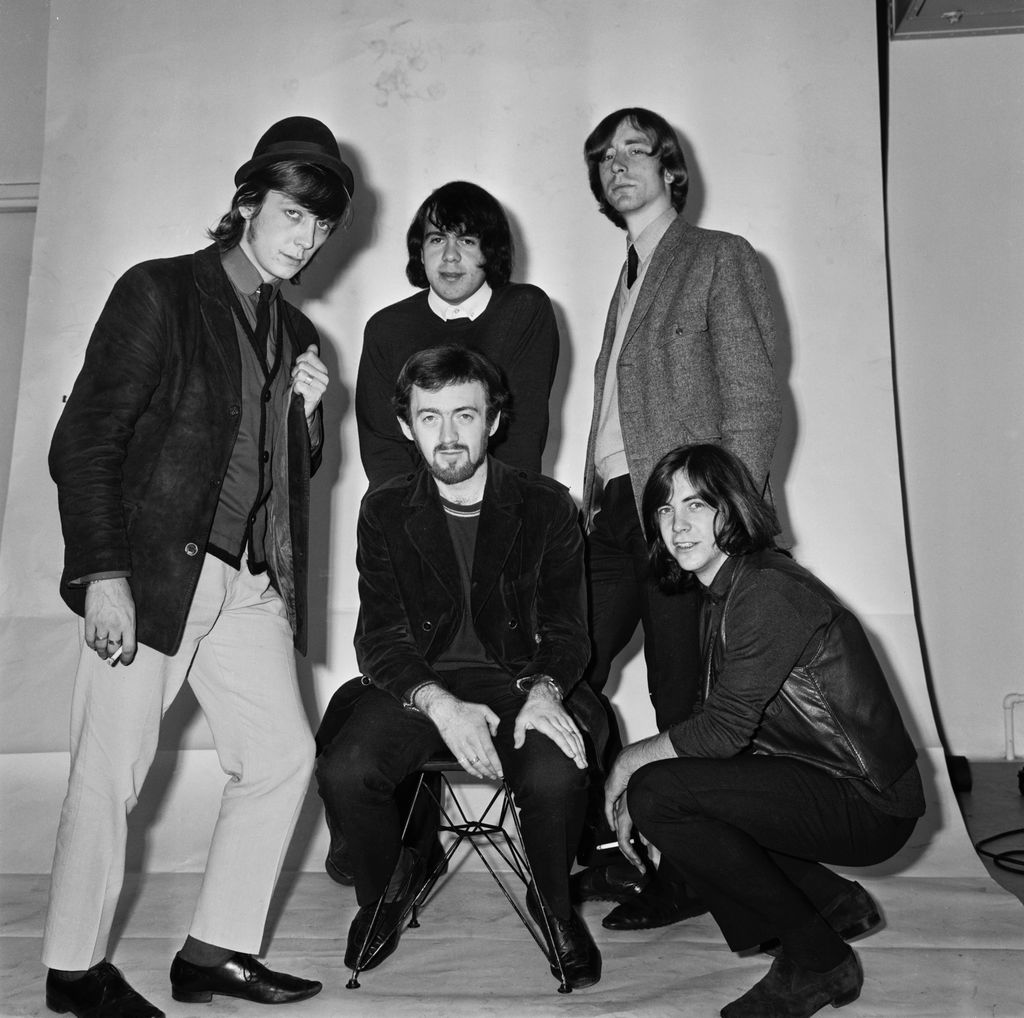
Formed in 1963, The Pretty Things played a raw and edgy style of rock that made them stand out. With hits like “Don’t Bring Me Down” and the rock opera S.F. Sorrow, they influenced bands like The Rolling Stones and David Bowie but never found the same mainstream success. Today, they’re recognized for their boundary-pushing sound that clearly inspired the punk movement about a decade later.
Getty Images
This Los Angeles-based band, led by the enigmatic Arthur Lee, blended rock, folk, and psychedelia to create a sound that was both unique and captivating. Their 1967 album Forever Changes is considered one of the greatest albums of the decade, filled with intricate melodies and dark, poetic lyrics. Despite critical acclaim, Love never achieved global domination.

Getty Images
The Zombies are best known for their hit single “Time of the Season,” but their influence stretches far beyond that. Their 1968 album Odessey and Oracle is a baroque pop masterpiece, full of lush harmonies and complex arrangements. Overshadowed by the British Invasion heavyweights, The Zombies’ music can still be heard today even though they are more of a cult obsession than anything else.

Getty Images
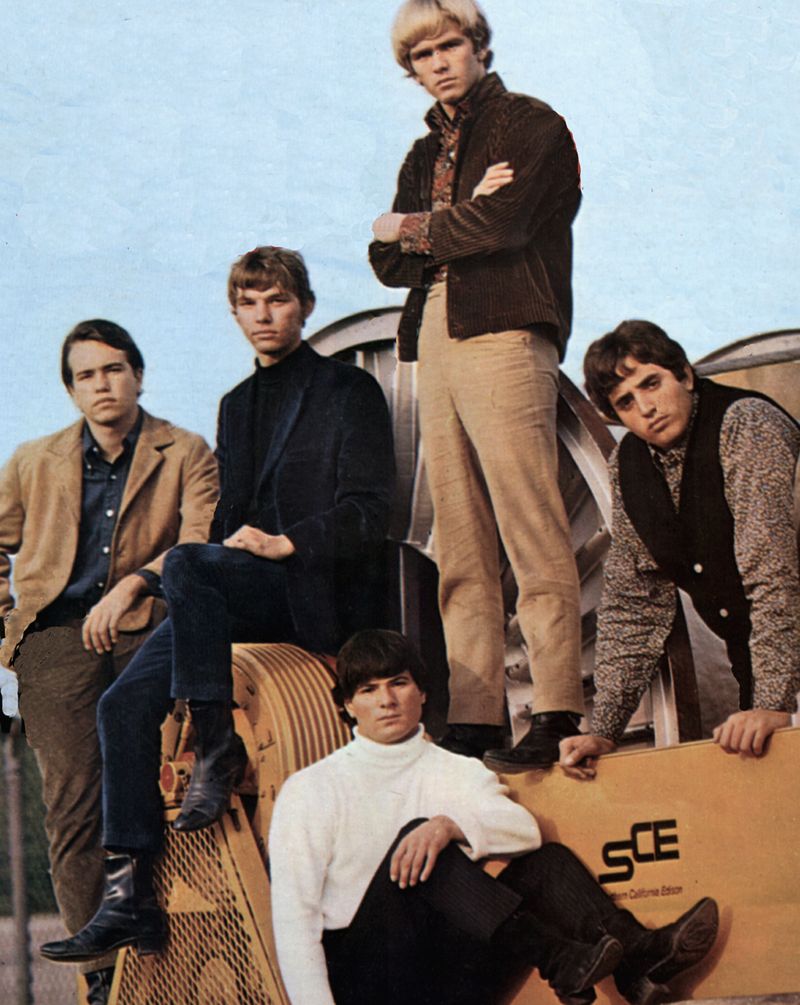
This psychedelic garage band hit the scene with “I Had Too Much to Dream (Last Night)” in 1966, a killer song that crystallizes the trippy vibes of the decade. The Electric Prunes experimented with electronic sounds and feedback and pretty much created what you think of when you think of psychedelic rock. Internal conflicts and myriad lineup changes led to their quick decline, and today they’re sadly a footnote in the larger rock music conversation.
Getty Images
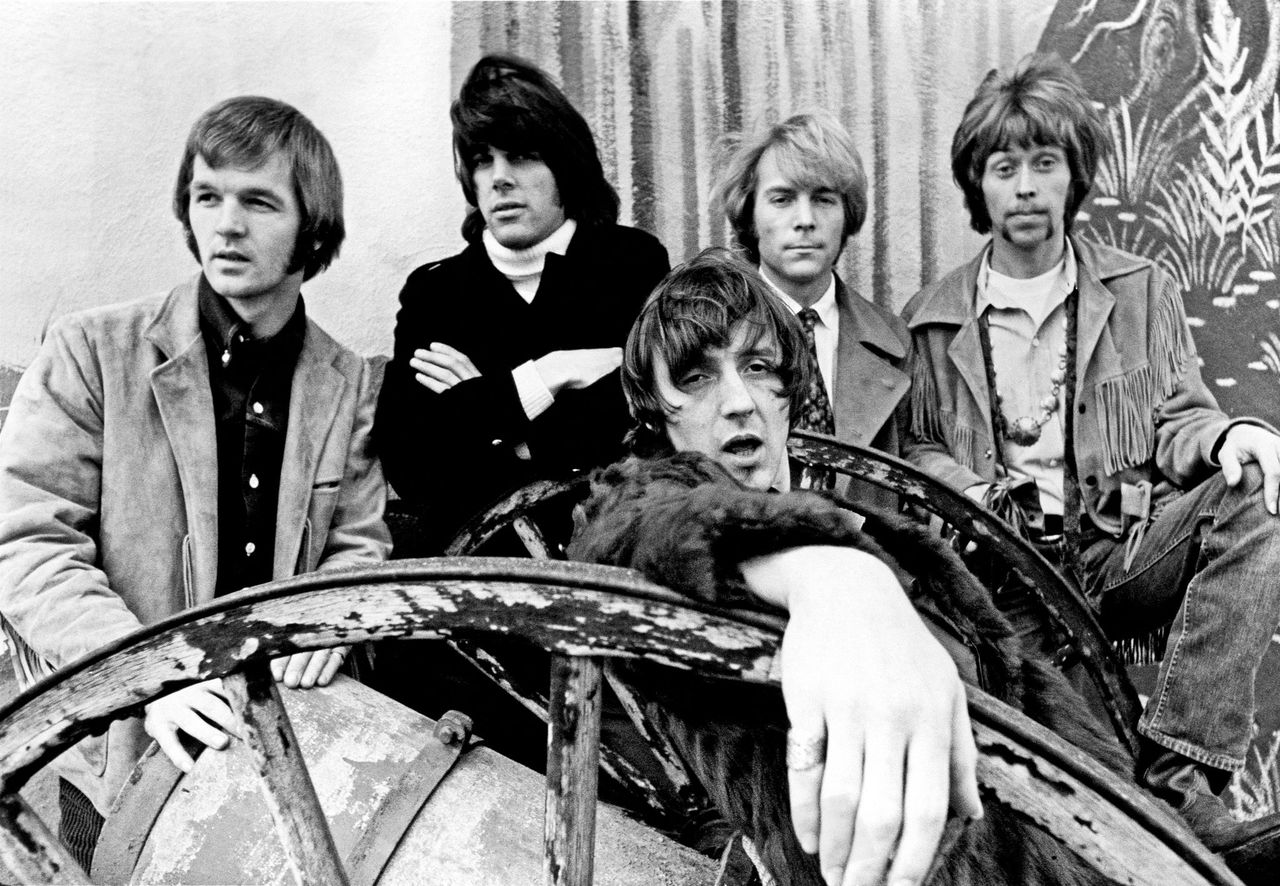
Moby Grape had all the ingredients for success: a talented lineup, great songwriting, and a diverse sound that mixed rock, blues, and country. Their 1967 self-titled debut album is a stone-cold classic, but mismanagement and legal battles kept the band from hitting their stride. Despite their potential, Moby Grape never broke into the mainstream, leaving them as one of the great lost bands of the ’60s.
Getty Images
Known for their primal, stripped-down sound, The Troggs are often dismissed as a one-hit wonder thanks to their hit “Wild Thing.” However, they had a significant influence on the early days of the garage rock scene thanks to their raw, simple approach to rock and roll. The Troggs never had another chart success, but their influence can still be heard today in bands like The White Stripes and even The Brian Jonestown Massacre.

Getty Images
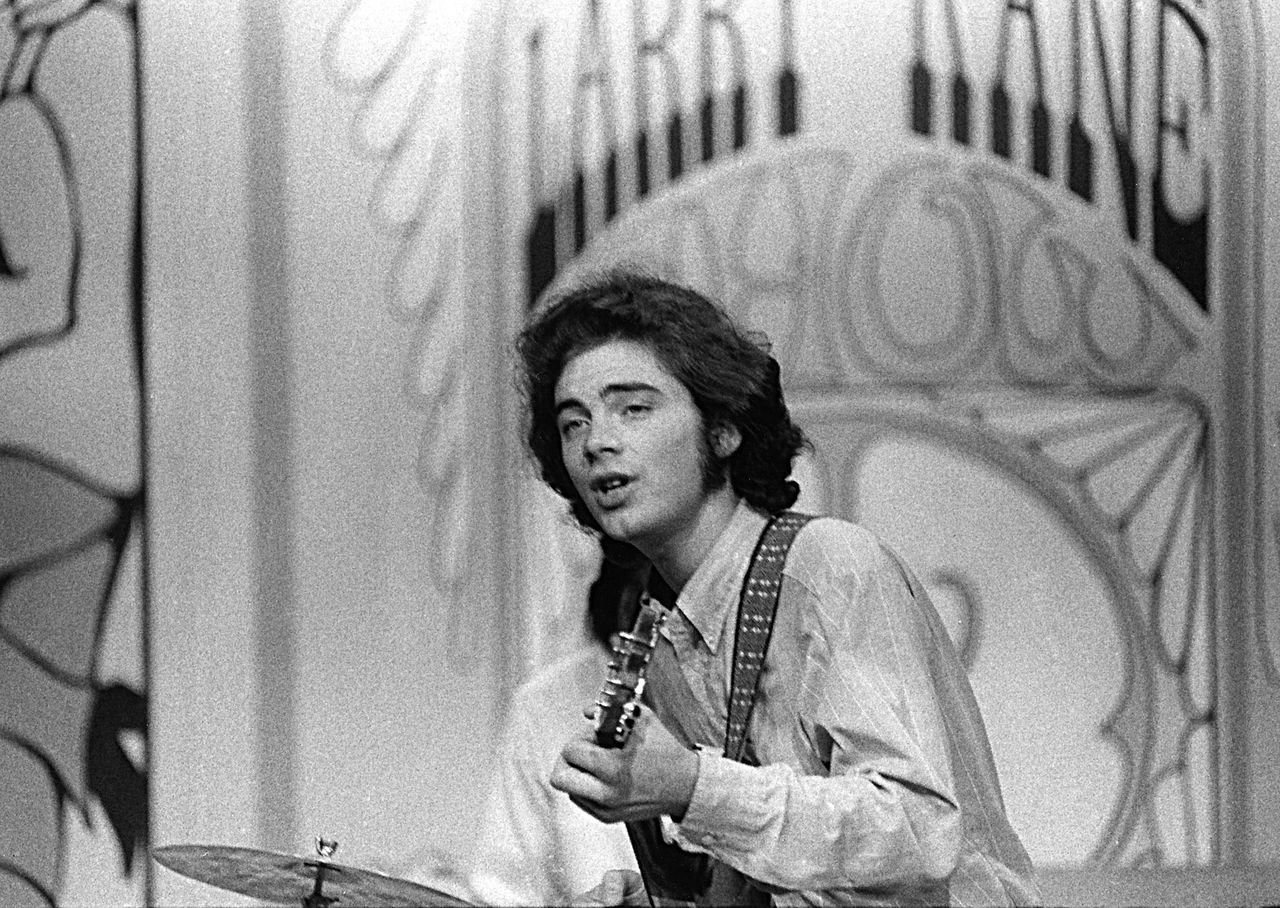
The 13th Floor Elevators, hailing from Texas, were pioneers of psychedelic rock. Their 1966 debut album The Psychedelic Sounds of the 13th Floor Elevators featured the classic “You’re Gonna Miss Me.” They were ahead of their time, with their unconventional sound and lyrics, but lead singer Roky Erickson’s mental health struggles and legal troubles led to the band’s early dissolution. Erickson continues to play solo and as a part of a new lineup of The 13th Floor Elevators to this day.
Getty Images
The Soft Machine is often credited as one of the first progressive rock bands, thanks to the mix of jazz, rock, and avant-garde influences that they put into a completely unique sound. Their debut album in 1968 set the tone for the genre’s experimental nature. The group’s refusal to conform to commercial tastes means they never gained the widespread popularity of some of the more smooth acts that followed in their wake.

Getty Images
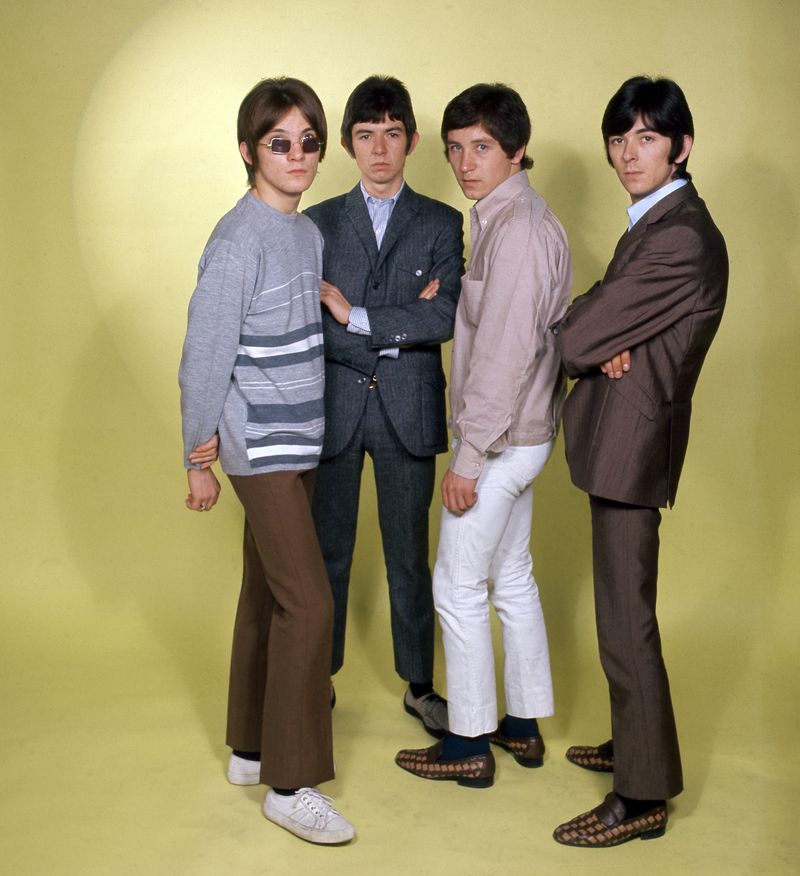
Though they found some success with tracks like “Itchycoo Park,” The Small Faces were largely overshadowed by the bigger British rock bands of the time. Combining mod rock with psychedelic flourishes, they were a staple of the British scene, but they never managed to break through in the U.S. After their dissolution, members went on to form influential bands like Faces and Humble Pie.
Getty Images
Best known for their use of feedback and lead guitarist Eddie Phillips’ habit of playing his guitar with a violin bow, The Creation were one of the more experimental British bands of the 1960s. Their sound blended mod, pop, and rock, and although they had several UK hits, they never achieved lasting fame. Today, their influence can be heard in later bands like Led Zeppelin and The Who.

Getty Images