

The landscape of television underwent a massive transformation between the 1960s and 1980s. Shows that dared to tackle taboo topics, challenge social norms, and experiment with new formats were often ahead of their time, paving the way for modern TV as we know it. From addressing race relations and gender roles to questioning traditional family values, these groundbreaking series pushed boundaries and sparked conversations that continue to resonate.
Rod Serling’s The Twilight Zone wasn’t just a science fiction anthology; it was a cultural phenomenon that explored complex social issues through surreal and thought-provoking storytelling. With episodes tackling everything from Cold War paranoia to racial injustice, The Twilight Zone used allegory and metaphor to bypass censorship and address taboo topics head-on. Serling’s writing pushed the boundaries of what TV could say about the human condition, making the show a revolutionary piece of entertainment that influenced countless series to follow.

Getty Images
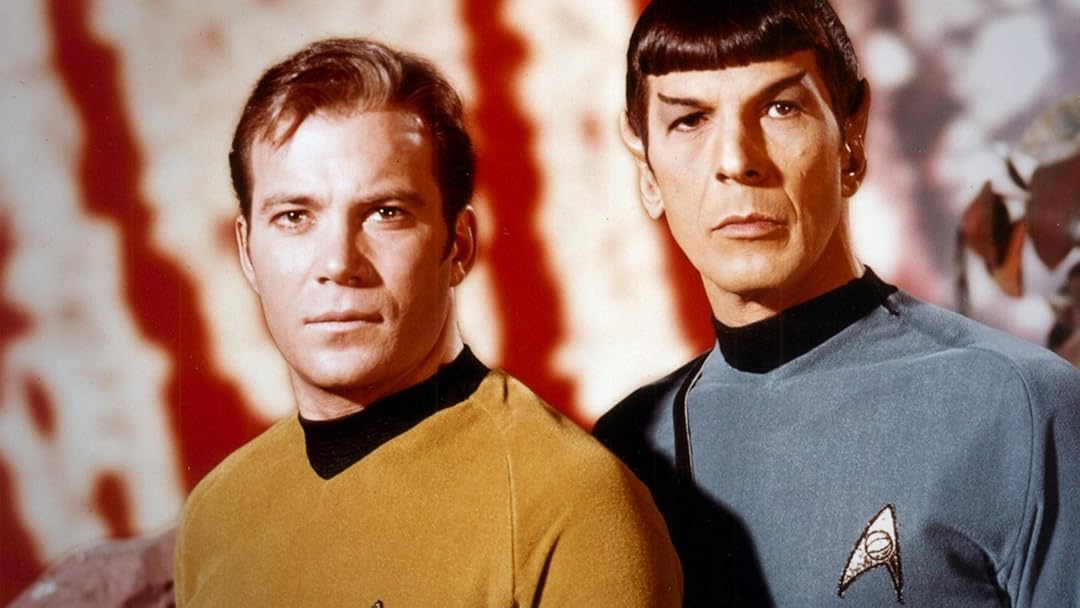
Gene Roddenberry’s Star Trek was more than just a space adventure; it was a vision of a future where humanity had overcome its deepest divides. The show featured a diverse cast, including Nichelle Nichols as Lieutenant Uhura, one of the first Black women in a major TV role. It was also the first American TV series to depict an interracial kiss, a bold move for the time. The show’s progressive themes of unity and exploration were revolutionary in the 60s, and Star Trek remains a trailblazer in pushing social boundaries and envisioning a better world.
Getty Images
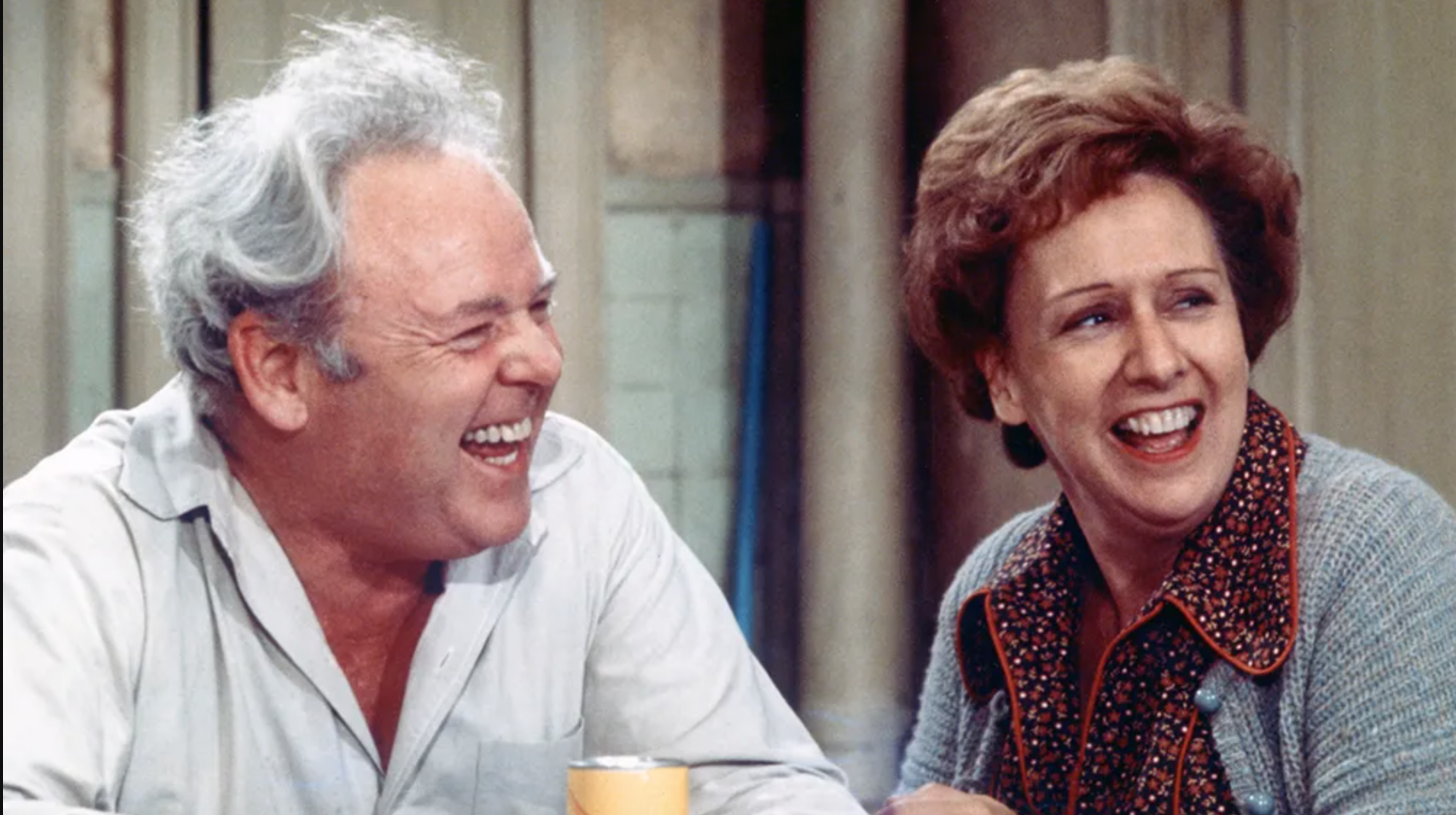
All in the Family changed the sitcom landscape with its raw, unfiltered approach to controversial issues. Archie Bunker, the show’s bigoted yet strangely endearing protagonist, often voiced racist, sexist, and homophobic views, which creator Norman Lear used as a springboard for debate and social commentary. The show tackled subjects like war, women’s rights, and racism in a way that had never been seen on TV before. It forced viewers to confront their own prejudices, making it a revolutionary series that still feels relevant today.
Getty Images
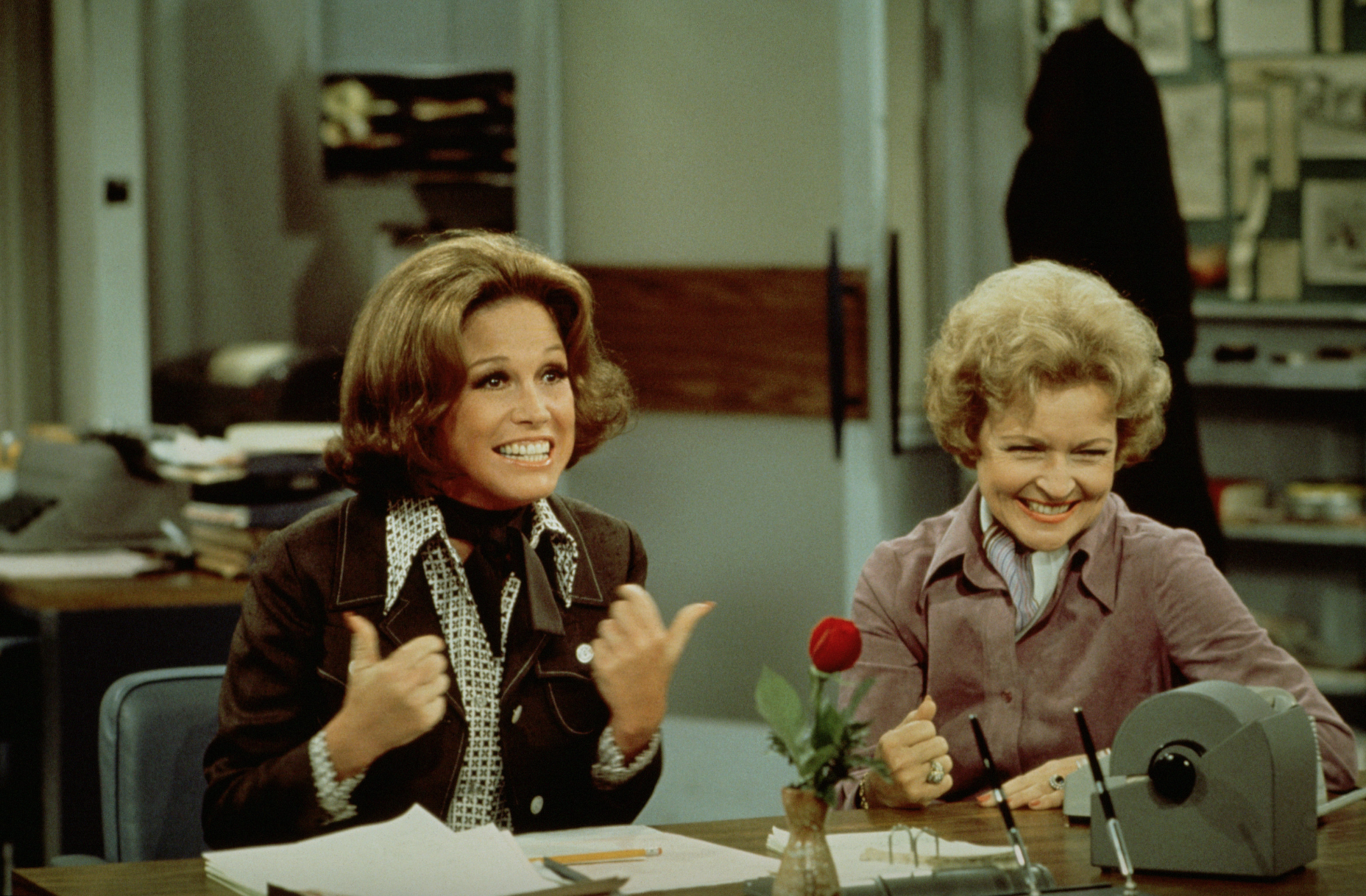
In an era dominated by traditional family sitcoms, The Mary Tyler Moore Show stood out by centering on a single, career-driven woman. Mary Richards, played by Mary Tyler Moore, was a confident, independent TV producer navigating life and work on her own terms. The show addressed issues like equal pay, birth control, and women’s liberation, which made it a pioneer in portraying female independence on screen. It opened the door for more nuanced, relatable portrayals of women in media, setting the stage for future TV heroines.
Getty Images
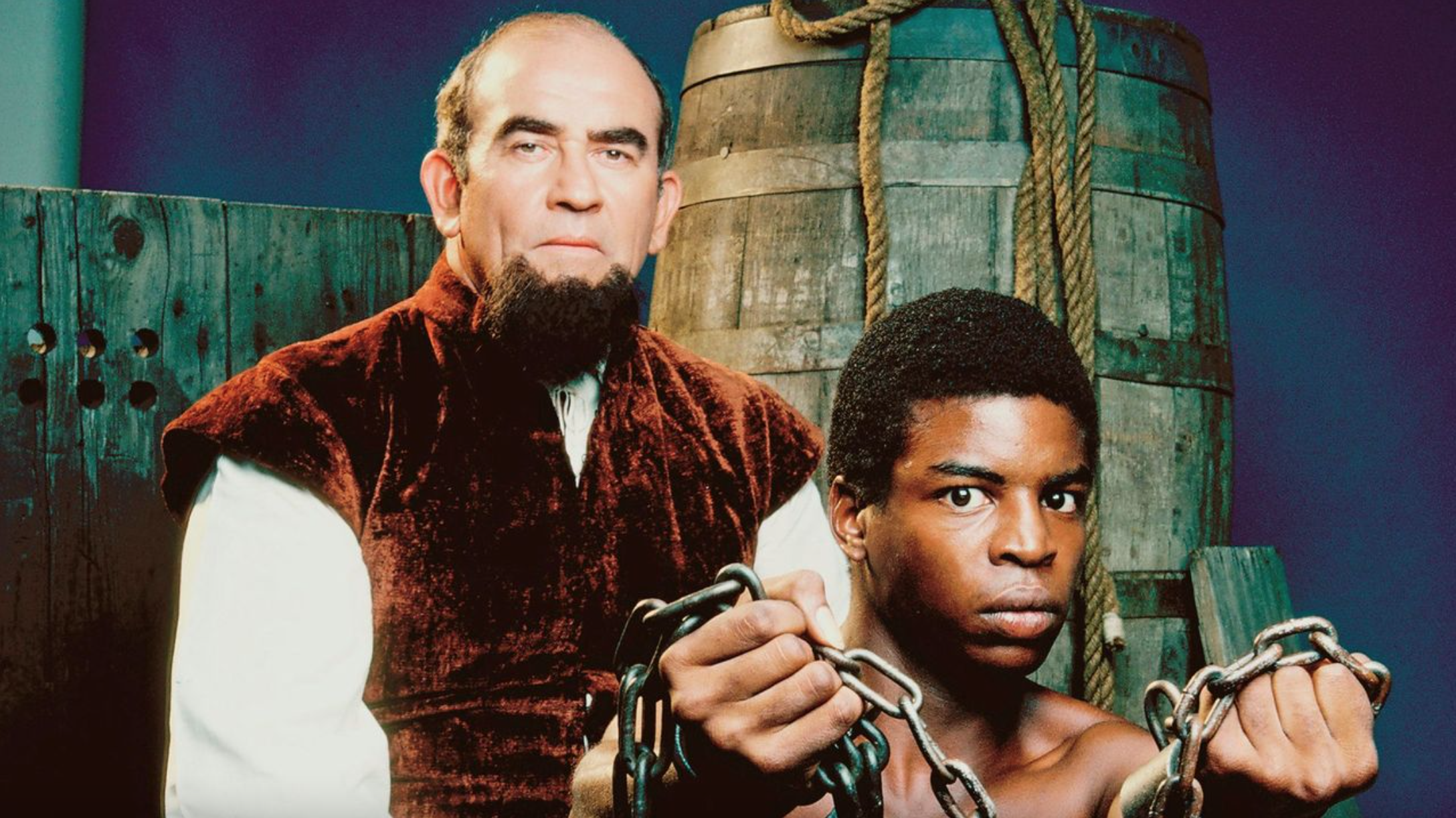
Roots was a landmark miniseries that revolutionized television storytelling. Based on Alex Haley’s novel, it chronicled the history of an African American family from slavery to emancipation. Its unflinching portrayal of the horrors of slavery was groundbreaking, forcing viewers to confront an uncomfortable part of American history. The series was a massive cultural event, drawing huge audiences and sparking important discussions about race and heritage. Its success demonstrated the power of television as a tool for education and social change.
Getty Images
While MASH was technically a comedy, it pushed the boundaries of the sitcom genre by blending humor with serious commentary on the horrors of war. Set during the Korean War, the show used its hospital setting to explore themes of loss, trauma, and the absurdity of military conflict. The show’s willingness to tackle such heavy topics, including episodes dealing with PTSD and the ethics of war, made it revolutionary for its time. MASH remains one of the most celebrated series in TV history for its bold storytelling and emotional depth.

Getty Images
As one of the first sitcoms to feature an affluent Black family, The Jeffersons broke new ground in its portrayal of race and class. The show followed George and Louise Jefferson as they “moved on up” to a Manhattan high-rise, exploring the challenges they faced along the way. It tackled issues like racism, gentrification, and interracial marriage with humor and heart, making it a revolutionary series that expanded the scope of what TV could address. The show’s success helped pave the way for more diverse storytelling in mainstream media.

Getty Images
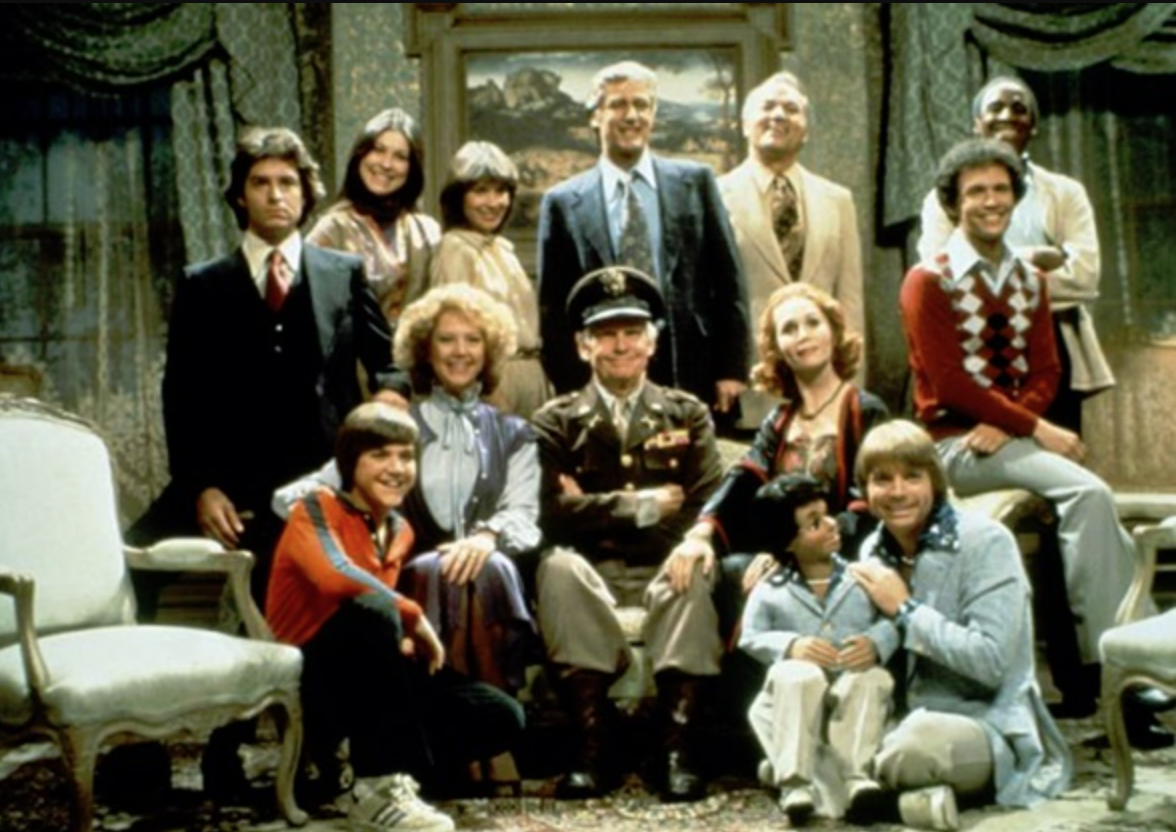
Soap was a sitcom like no other, parodying the melodramatic plots of daytime soap operas while addressing issues like infidelity, mental illness, and LGBTQ+ representation. The show was highly controversial for its time, particularly for its portrayal of Jodie Dallas, one of the first openly gay characters on American television. The show’s willingness to tackle taboo topics and satirize societal norms made it a revolutionary piece of television history, challenging viewers’ expectations of what a sitcom could be.
Getty Images
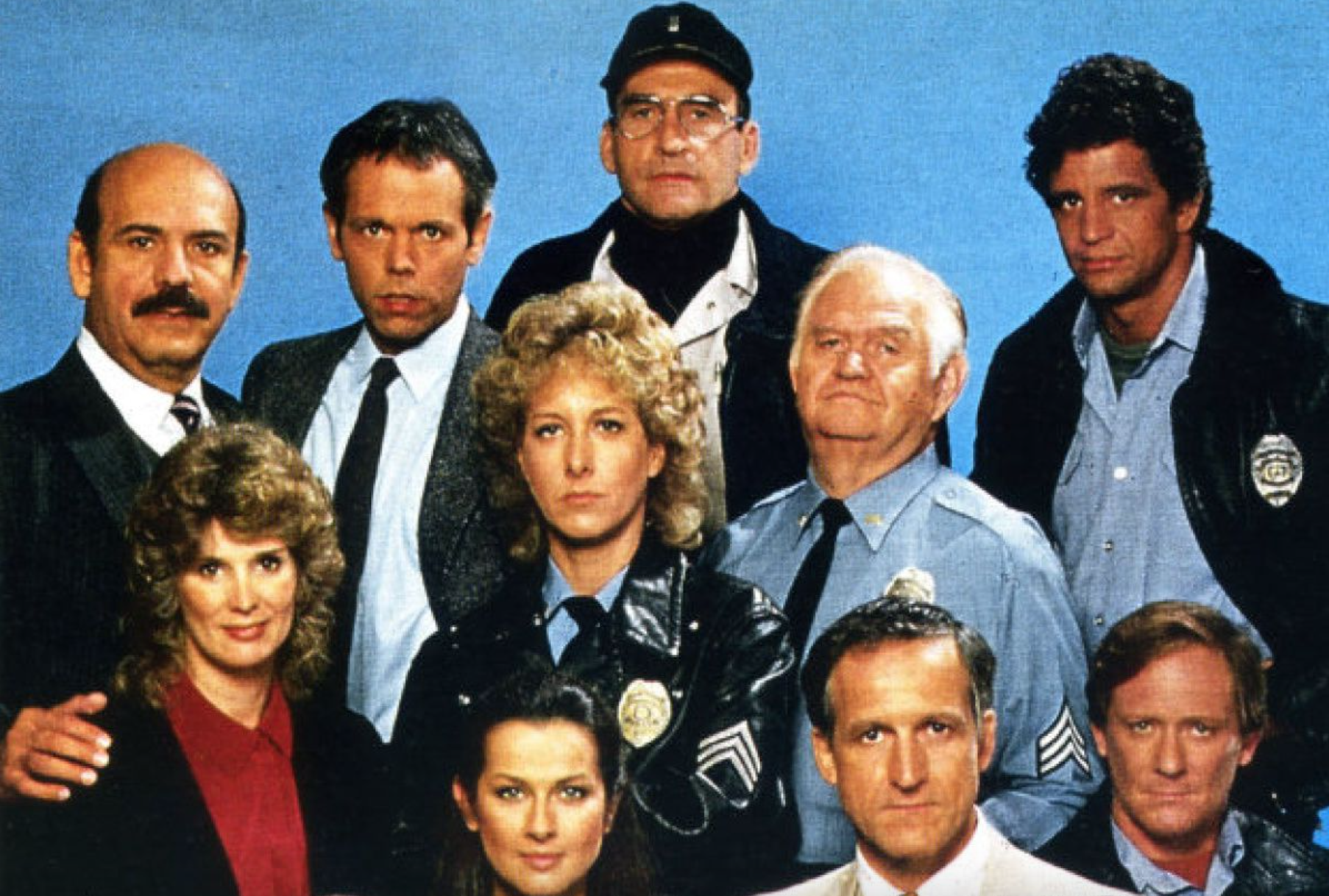
Hill Street Blues revolutionized the police drama genre with its gritty realism and complex, serialized storytelling. The show’s focus on the personal and professional lives of police officers set it apart from the typical procedural format of the time. It dealt with issues like corruption, mental health, and social justice, making it one of the first TV dramas to portray law enforcement as morally complex. Its innovative narrative style and multi-dimensional characters set the stage for future series like The Wire and NYPD Blue.
Getty Images
While the legacy of The Cosby Show is complicated today, there’s no denying its revolutionary impact when it first aired. The show was one of the first to depict an affluent, successful African American family, shattering stereotypes and providing a new vision of Black family life on TV. It tackled social issues like education, cultural identity, and family dynamics with humor and warmth, changing the landscape of sitcoms forever.

Getty Images