

The 1970s was an era of bell-bottoms, groovy tunes, and the electrifying birth of arcade gaming. In smoky arcades brimming with flashing lights and buzzing sounds, gamers clutched quarters in sweaty palms, ready to immerse themselves in pixelated worlds. These games didn’t just entertain—they introduced a new cultural phenomenon, laying the foundation for today’s gaming industry. Let’s dive into the best arcade games of this unforgettable decade and uncover why they resonated so deeply with young players.
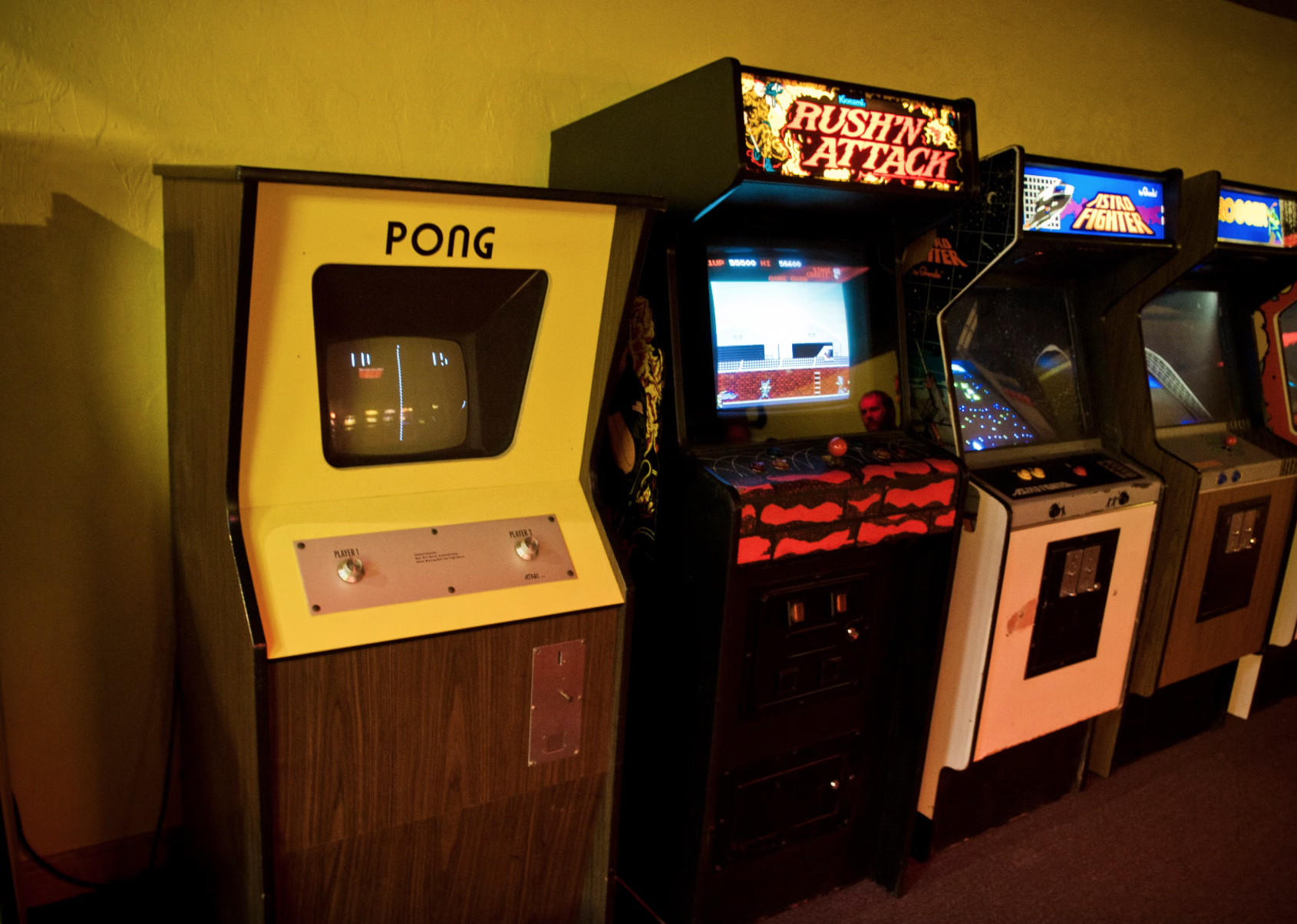
Pong is often heralded as the game that started it all. Created by Atari, this simple tennis-style game had players bouncing a ball back and forth with paddles. It wasn’t flashy, but it was addictive. Pong’s straightforward gameplay struck a chord, introducing millions to the possibilities of interactive entertainment. In an era where home entertainment was limited to television, Pong offered a glimpse into the future of digital interaction, sparking excitement and curiosity about what gaming could become.
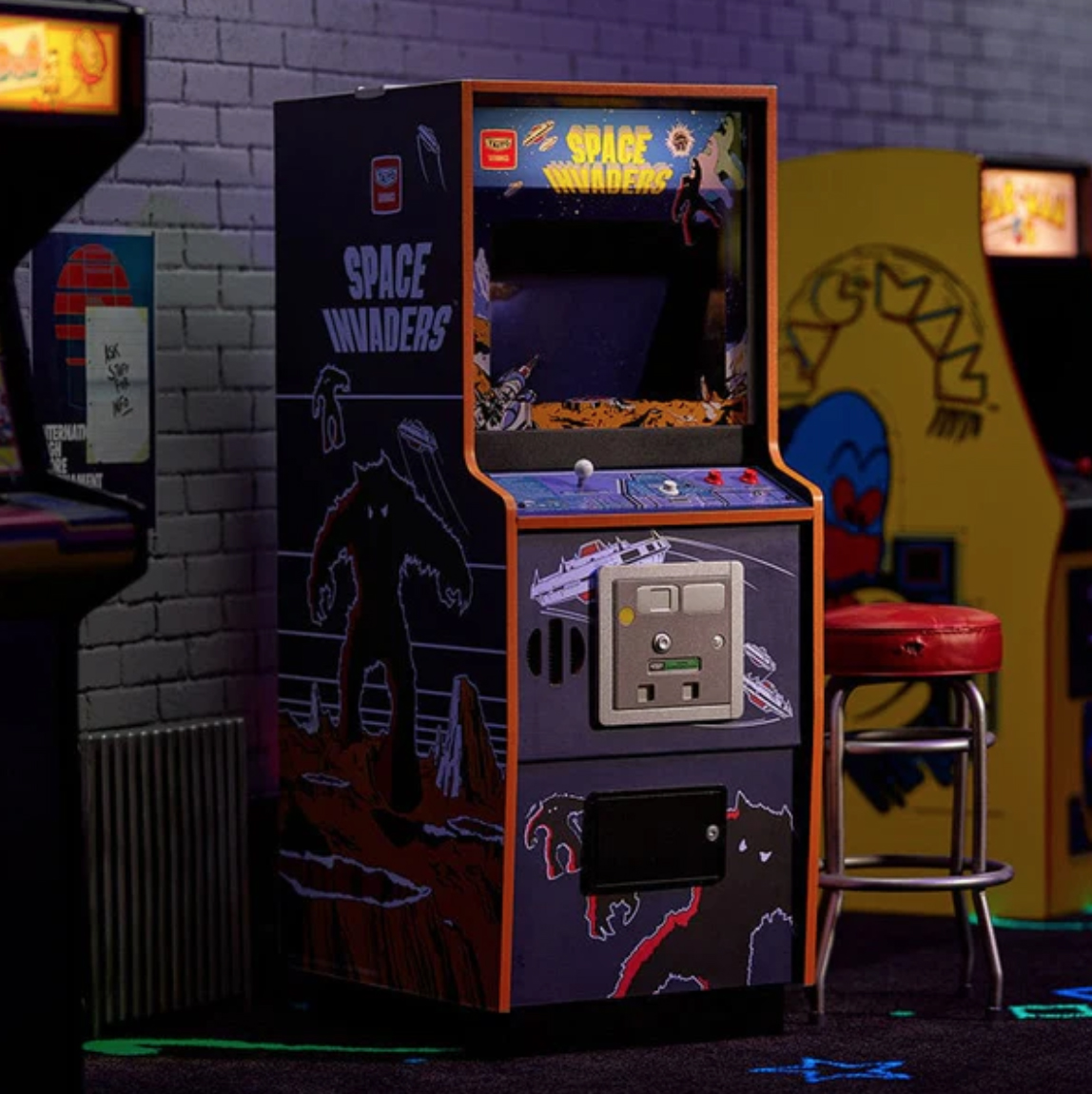
When Space Invaders hit arcades in 1978, it was like a bolt of lightning. Players controlled a cannon at the bottom of the screen, defending Earth from rows of descending alien invaders. The game’s escalating difficulty and the pressure of protecting your last life made it exhilarating. Space Invaders introduced high scores, giving gamers a reason to keep playing and competing. It was more than a game—it was a cultural event, a defining moment that turned gaming into a global phenomenon.
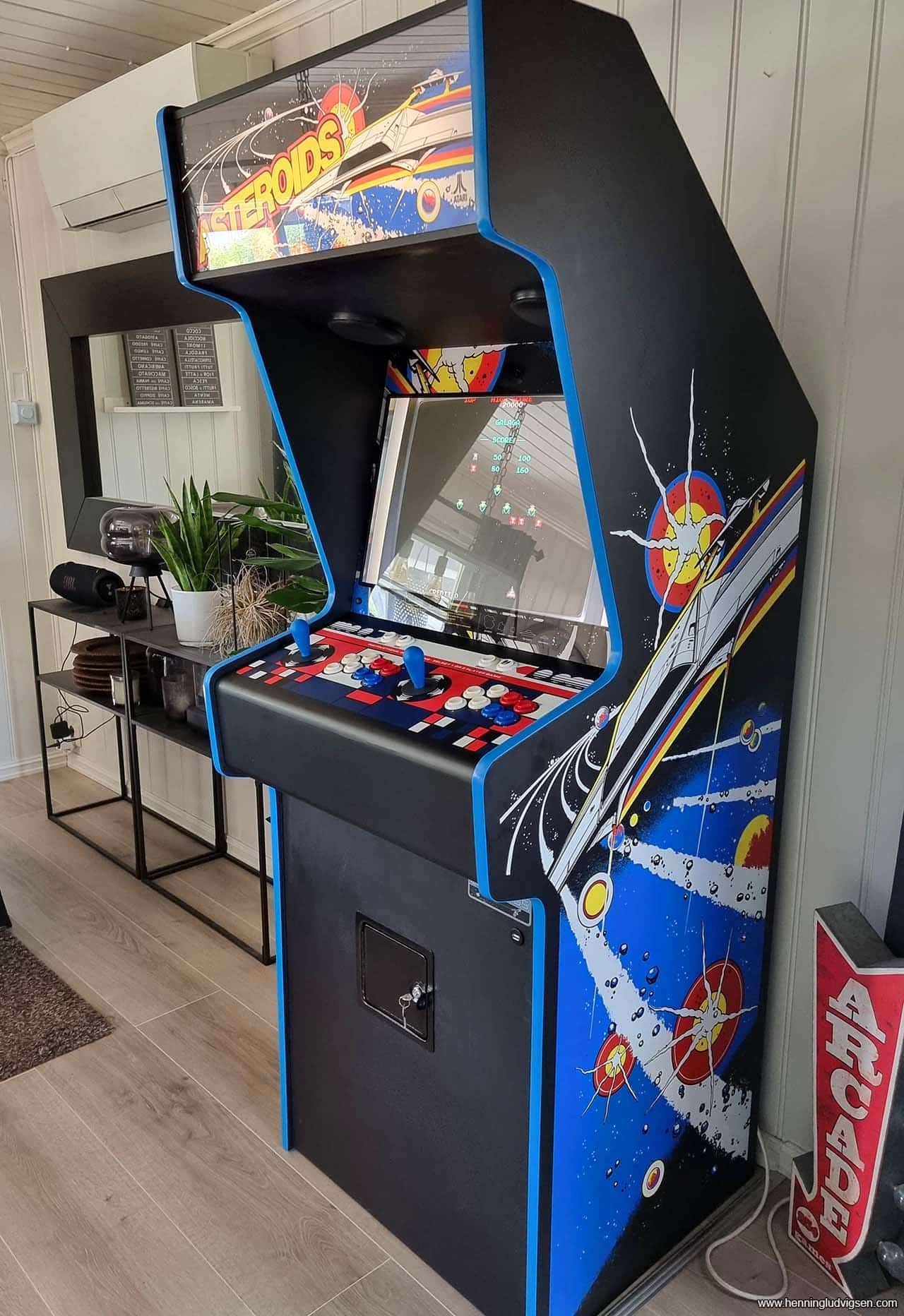
Asteroids took players to the vastness of space, tasking them with piloting a spaceship through an asteroid field. Atari’s use of vector graphics and a free-floating physics system created a unique experience that felt light-years ahead of its time. The combination of precision aiming and maneuvering gave players a sense of control and immersion that kept them coming back. For many, Asteroids was the first game that truly felt like an adventure.

Breakout was another Atari triumph, putting players in charge of a paddle to break a wall of bricks with a bouncing ball. It required precision, timing, and strategy—qualities that made it incredibly engaging. Breakout’s simplicity masked its depth, and its influence can be seen in countless games that followed. For kids in the ‘70s, it was an exercise in focus and a lesson in perseverance.

Galaxian brought a splash of color and complexity to the arcade scene. Players faced alien invaders that swooped and attacked in intricate patterns, a step up from the straightforward mechanics of earlier shooters. Its vibrant visuals and dynamic enemy movements made it a standout, paving the way for its iconic successor, Galaga, in the 1980s.
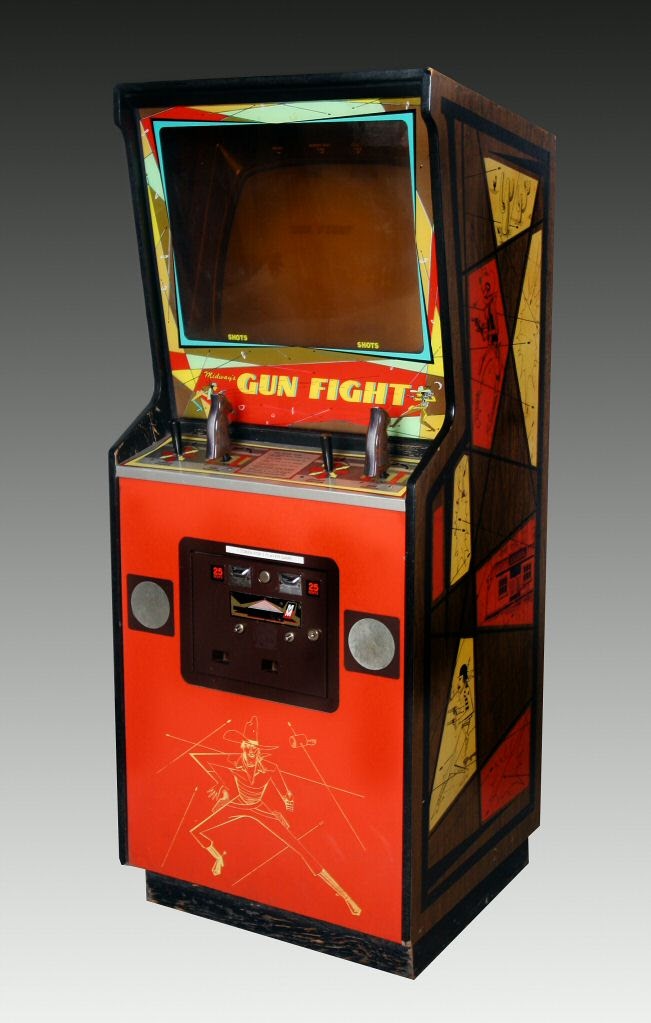
Gun Fight offered a taste of Wild West action with two players dueling in a desert town. As one of the first games to use a microprocessor, it boasted smoother gameplay and better graphics than its contemporaries. The concept was simple, but the thrill of outdrawing your opponent made it unforgettable. Gun Fight’s success hinted at the storytelling potential of video games, even in their infancy.
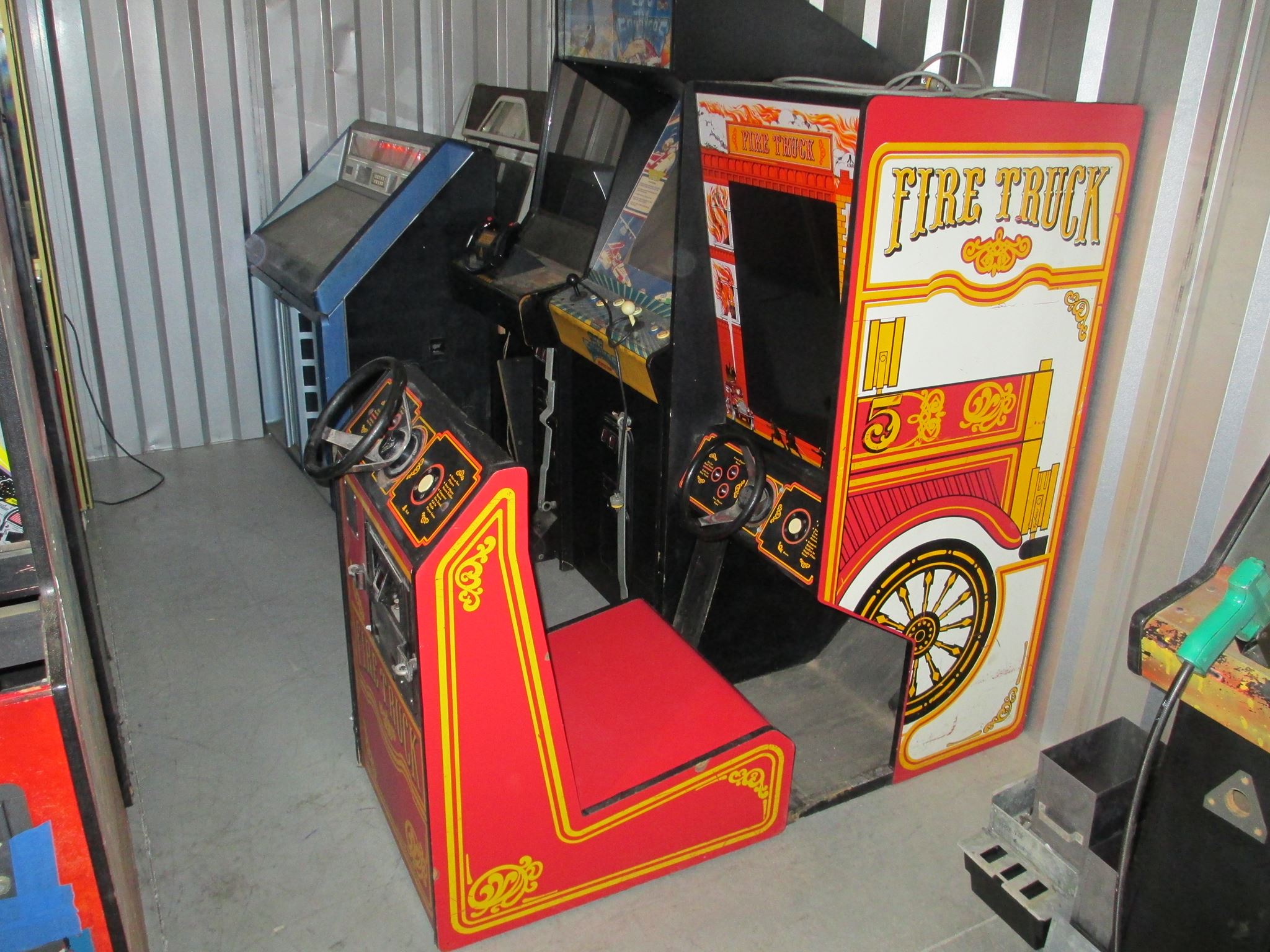
Fire Truck stood out for its cooperative gameplay. Two players worked together to navigate a fire truck through challenging streets, requiring communication and coordination. In an arcade scene dominated by solo and competitive experiences, Fire Truck offered something different—a shared challenge that brought friends closer and fostered teamwork.
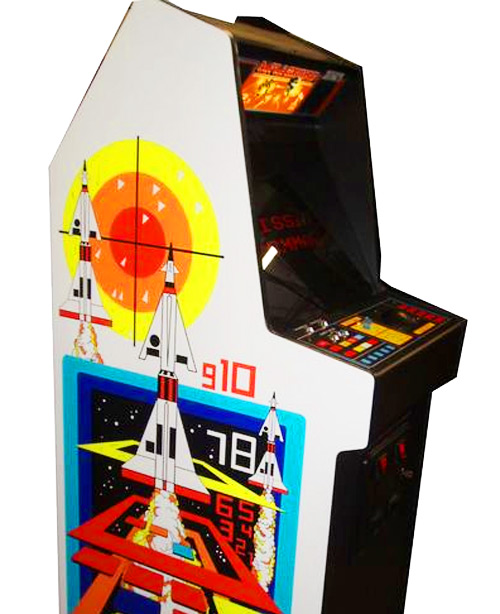
Though technically released in 1980, Missile Command’s development began in the late ‘70s. Players had to defend cities from an onslaught of missiles, balancing limited resources with strategic counterattacks. Its increasing difficulty and nerve-wracking tension mirrored the anxieties of the Cold War, making it both timely and timeless. The stakes felt real, and every successful defense was a moment of triumph.