
“Till the cows come home”: This idiom means “for a long time” or “forever.” It’s often used to indicate that someone can continue a behavior or argument indefinitely without any change in outcome.
“It doesn’t amount to a hill of beans”: This phrase means that something is insignificant or worthless. Its popularity was bolstered by the film “Casablanca.”

Getty Images
“Bless your heart”: This expression can convey genuine sympathy or be used sarcastically as a passive-aggressive remark.

Getty Images
“Fixin’ to”: This phrase means “about to” or “preparing to” do something. It’s a casual way of indicating intention, as in “I’m fixin’ to go to the store,” meaning the speaker is getting ready to leave for the store soon.

Getty Images
“Over yonder”: This phrase refers to something that is far away but still in sight. It is a typical way of giving directions in the South. For example, “The store is over yonder” indicates the store is visible but not very close.

Getty Images
“Pretty as a peach”: This is a compliment used to describe someone or something very attractive. It reflects the cultural pride in the Southern peach, which is often associated with sweetness and beauty.

Getty Images
“Heavens to Betsy!”: This exclamation expresses surprise or astonishment. The origin is unclear, but it is often used in a light-hearted or humorous context.

Getty Images
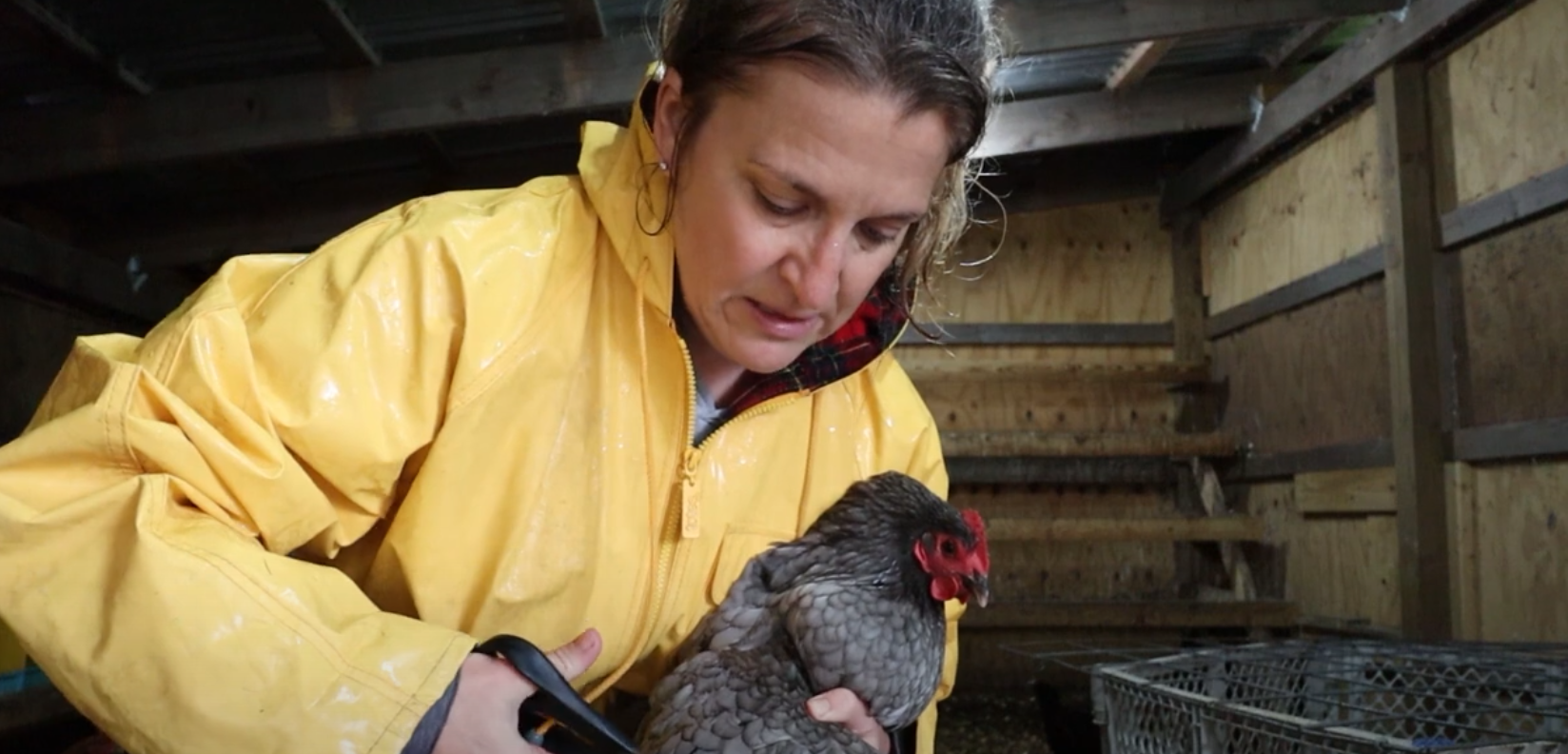
“Madder than a wet hen”: This phrase describes someone who is extremely angry. The imagery comes from the behavior of hens when they are soaked with water, which makes them agitated and irritable.
Getty Images
“Cattywampus”: This term means something is askew or out of order. It can describe physical objects that are disorganized or situations that are chaotic.

Getty Images
“Hankerin'”: This word means having a strong desire or craving for something, often food. For example, “I have a hankerin’ for some fried chicken” indicates a strong craving for that dish.

Getty Images
“He could eat corn through a picket fence”: This colorful phrase humorously describes someone with prominent buck teeth, suggesting they could easily eat corn without needing to bite it off the cob.

Getty Images