
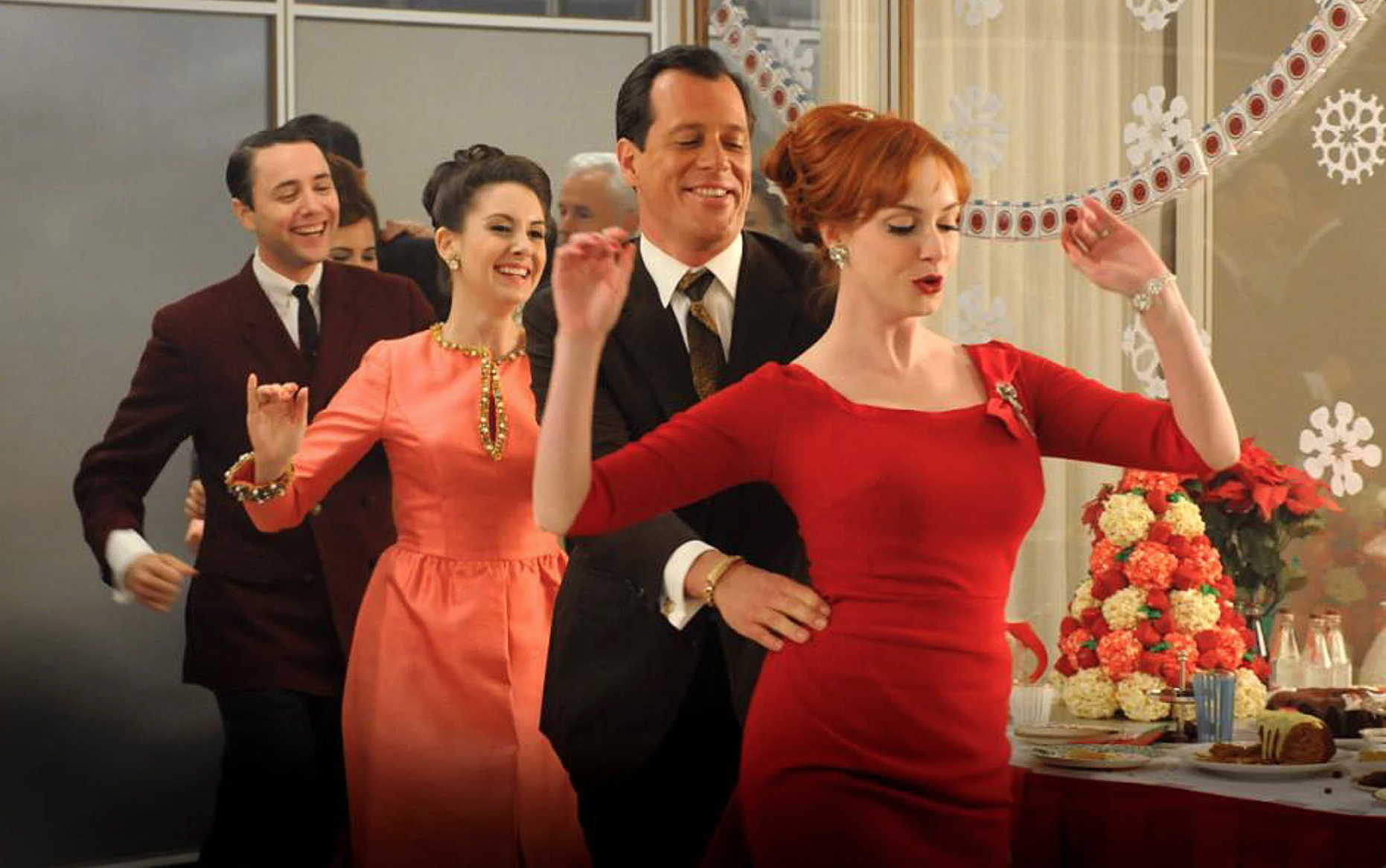
The 1960s were a time of transformation—cultural revolutions, social movements, and economic growth. With a rapidly changing landscape, people found themselves in various jobs that shaped their everyday lives. These roles were crucial in shaping the nation, from factory floors to the skies above. But how much did these iconic jobs pay? Let’s explore popular jobs from the 1960s and what they earned during this exciting decade.
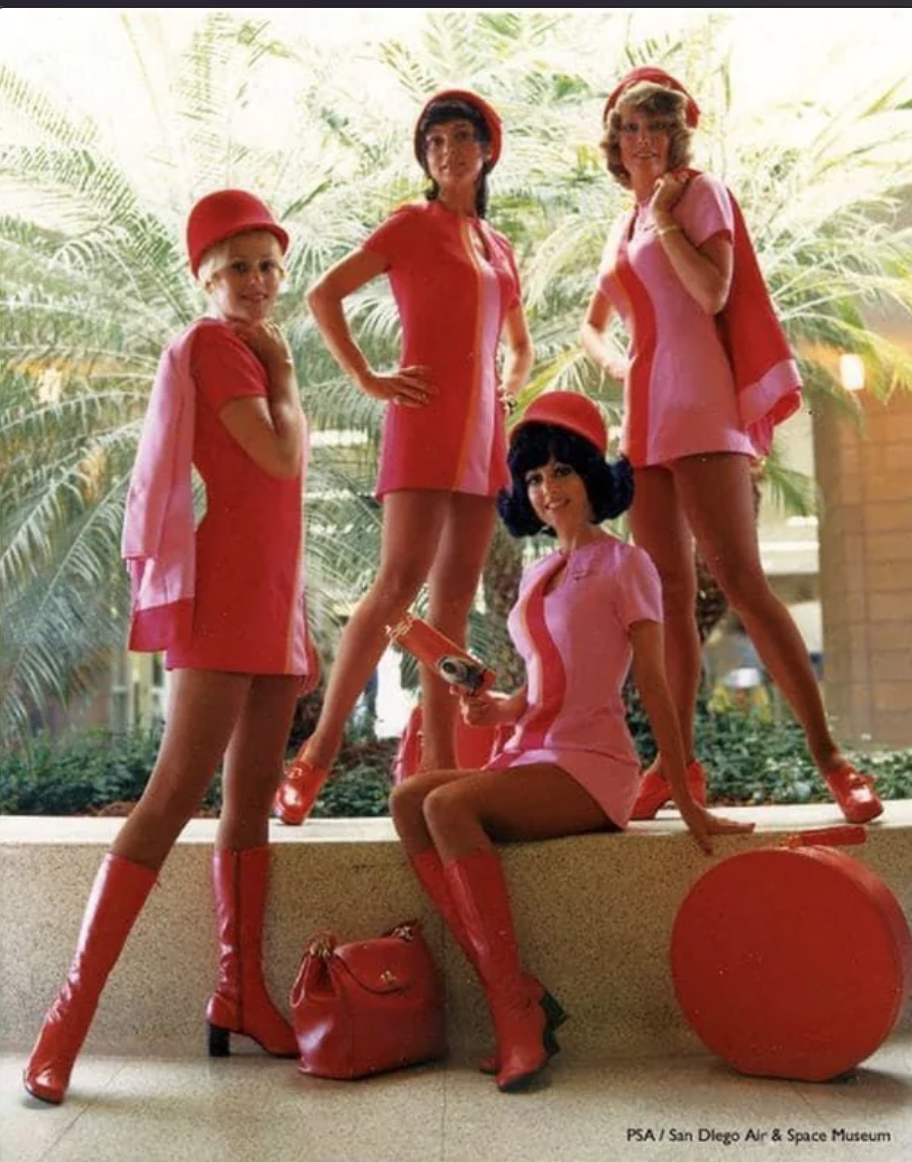
Air travel soared in the 1960s, and flight attendants became symbols of elegance in the skies. These professionals ensured passenger safety and represented the excitement and freedom of travel. With the growth of commercial airlines, the job took off—literally.The average pay in the 1960s was $5,000 – $9,000 per year, and while that check wasn’t enormous, flight attendants enjoyed perks like discounted flights and the opportunity to travel. Today, the job still offers travel benefits, and salaries have increased to reflect the higher demands of the position.

In the 1960s, the automotive industry was booming. Detroit was the heart of car manufacturing, and workers on the assembly line were the driving force behind this success. Automotive workers helped put the country on wheels, from muscle cars to sedans. Their average pay at the time was around $3.00 – $4.00 per hour, and that may sound small but you’ve got to factor in inflation which makes that roughly $30 – $40 per hour.These workers played a key role in America’s economic growth, and their pay was decent for the time.
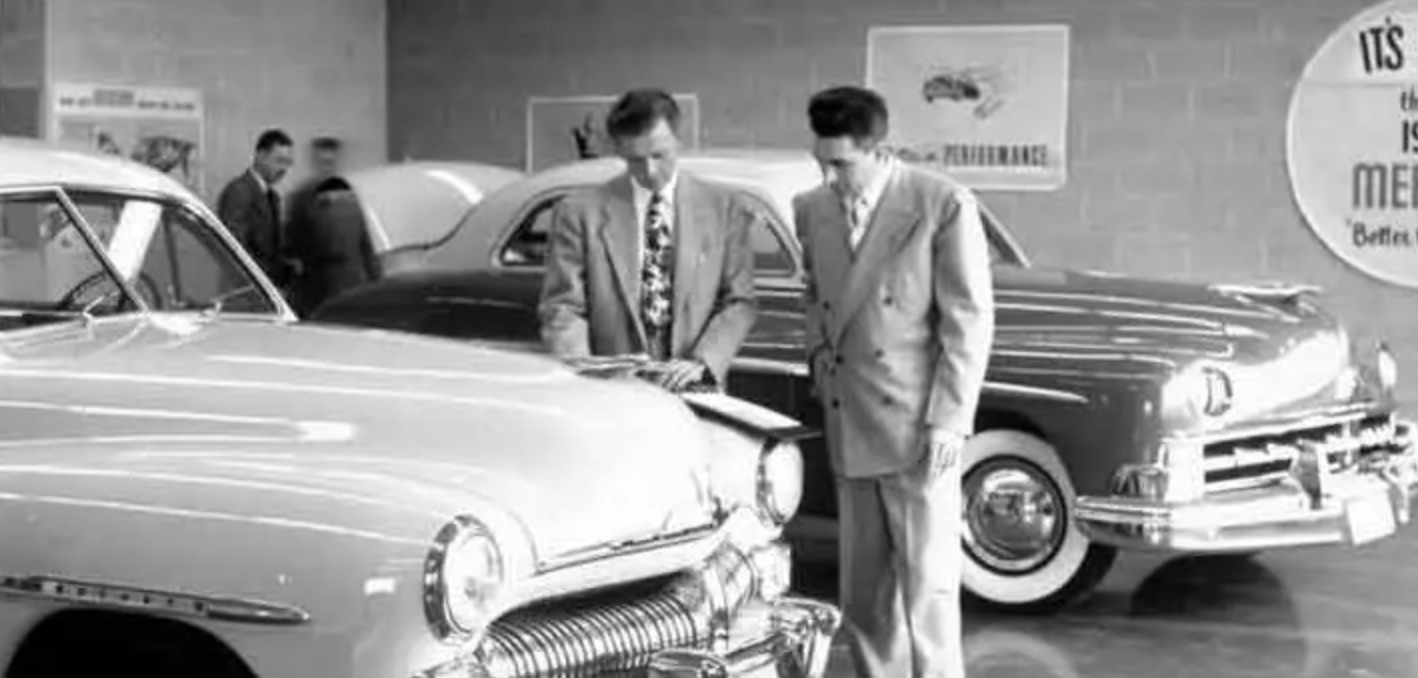
The 1960s was a decade of consumerism, and salespeople were in high demand. Whether selling cars, vacuum cleaners, or clothes, these workers were at the forefront of a booming retail industry. With the rise of shopping malls, sales jobs were as dynamic as they were rewarding. Their average pay was between $5,000 – $7,000 per year. Successful salespeople earned significant commissions, making this a job with huge earning potential.
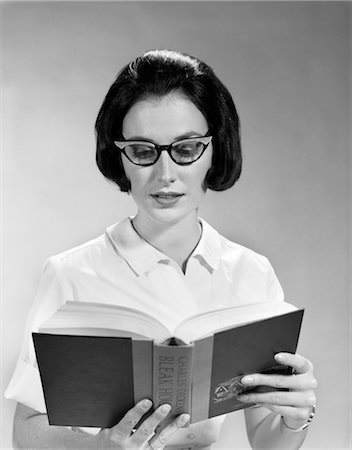
Teaching was—and still is—one of the most respected professions. The demand for teachers grew with the baby boomer generation flooding into schools. Teachers helped mold the minds of a generation and laid the foundation for the modern world. Their average pay in the 1960s was right around $5,000 – $7,000 per year. Although salaries were modest, teachers had job security and a sense of purpose. Educators still have that sense of purpose today, though salaries vary greatly depending on location and the school system.
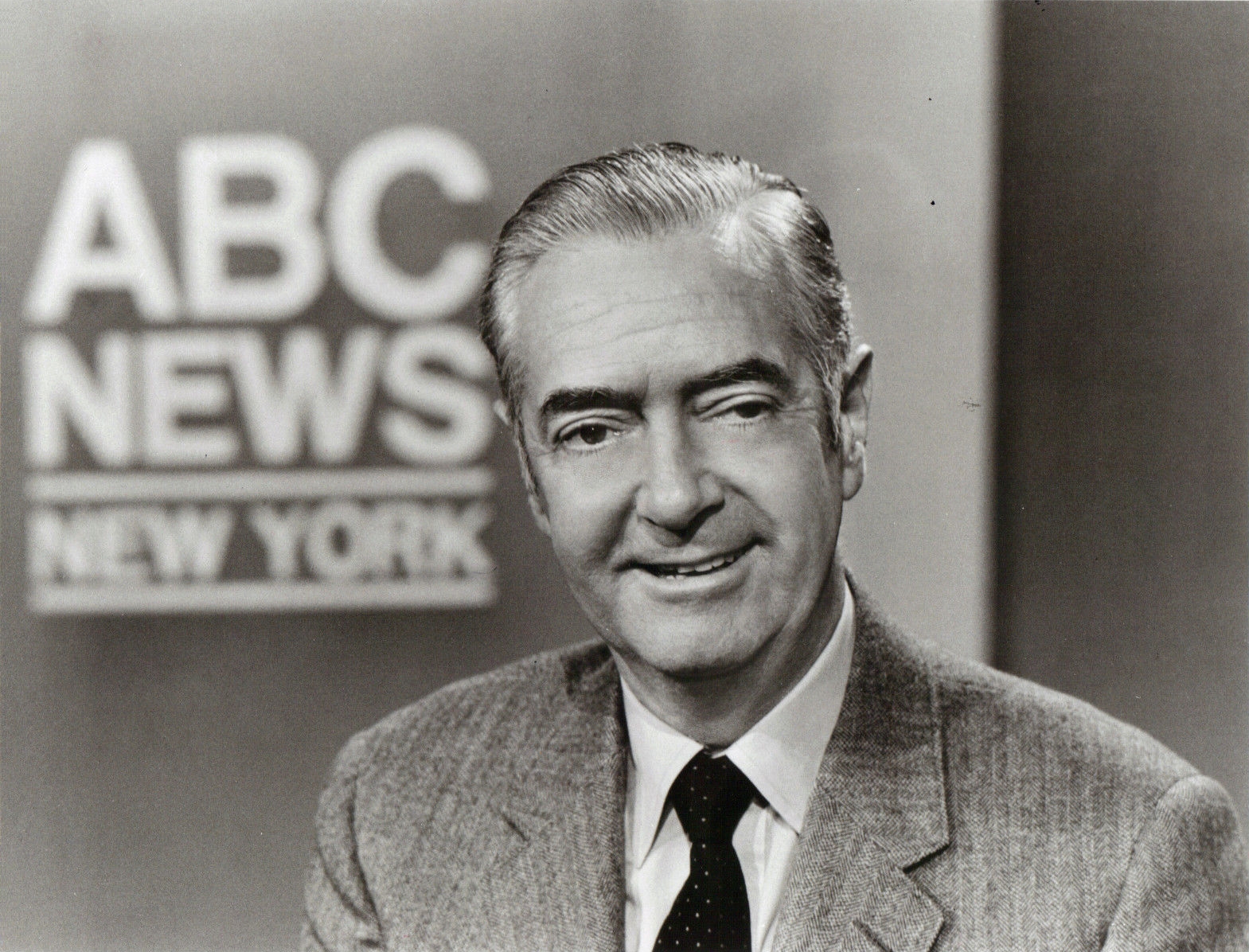
Reporters were the storytellers of the 1960s, and their role became more critical than ever as television expanded. Whether covering political events, the space race, or social movements, news reporters were on the frontlines, capturing history as it unfolded. Reporters tended to bring home an average pay of $5,000 – $7,000 per year, unless you were someone like Walter Cronkite who was able to bring in the big bucks. The job required long hours and a keen sense of urgency. Today’s news reporters are still on the frontlines of important events. Still, with the rise of digital media, their job descriptions and pay scales have evolved.

The demand for healthcare workers surged in the 1960s, and nurses were at the forefront. These professionals provided essential care and comfort in hospitals across the country, helping manage the growing healthcare needs of the time. Their average pay was a little all over the place, with Registered Nurses bringing in around $32 per hour. Nurses were highly valued, but their salaries didn’t always reflect the hard work and long hours. Today, nursing continues to be a vital profession, with wages rising to match nurses’ critical role in healthcare systems.
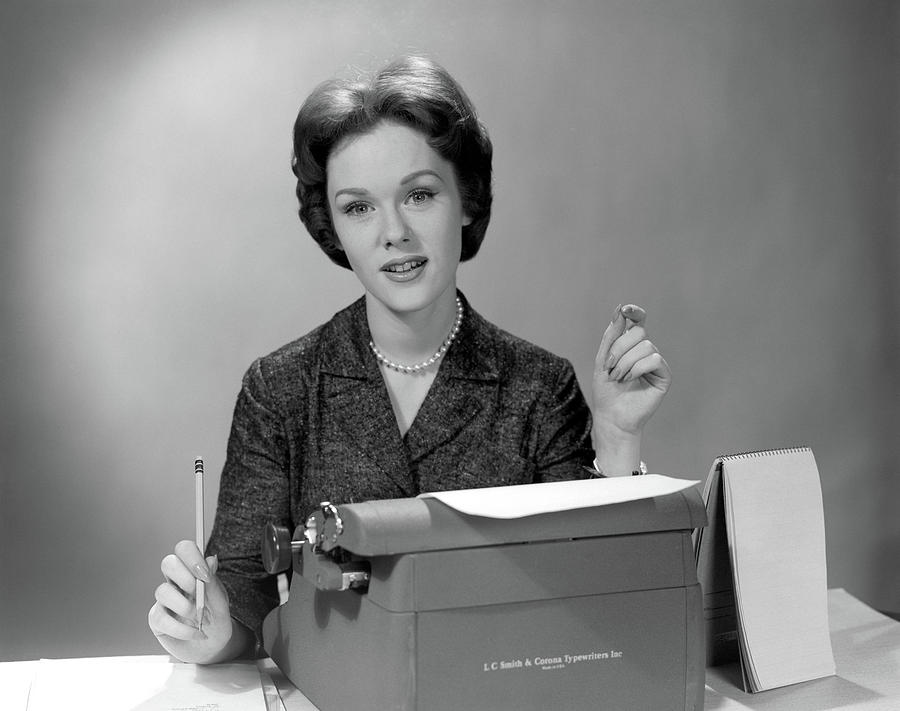
Secretaries were the unsung heroes of the workplace in the 1960s. From answering phones to typing up memos, they were the glue that kept businesses running smoothly. This was one of the few office jobs available to women at the time. At the time, a secretary’s average pay sat right around $3,000 – $5,000 annualy. The secretary role was an important stepping stone for many women, offering a stable job with opportunities for advancement.
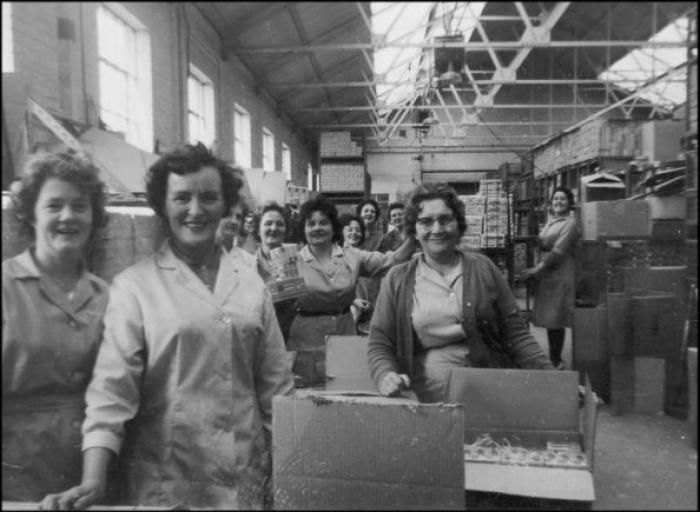
Factory work was integral to the economic engine of the 1960s. With mass production in full swing, factory workers helped produce everything from household goods to electronics. These jobs were often physically demanding but provided a stable paycheck. Depending on where they worked and their specialty, these folks could expect to pull down an average pay of $2.00 – $3.50 per hour. Factory workers were the backbone of American industry, and their pay was reasonable for the time.
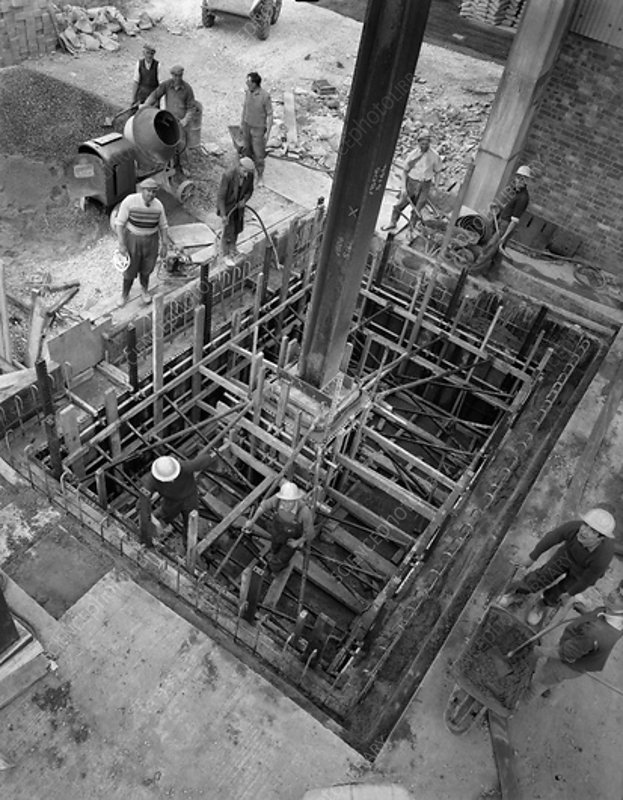
The 1960s saw a surge in construction projects. Whether building homes, highways, or office buildings, construction workers were critical in shaping the urban landscape. This tough work garnered an average wage of around $2.50 – $4.00 per hour. With ongoing infrastructure projects today, construction workers are still in high demand, and salaries reflect the need for skilled labor in the industry.
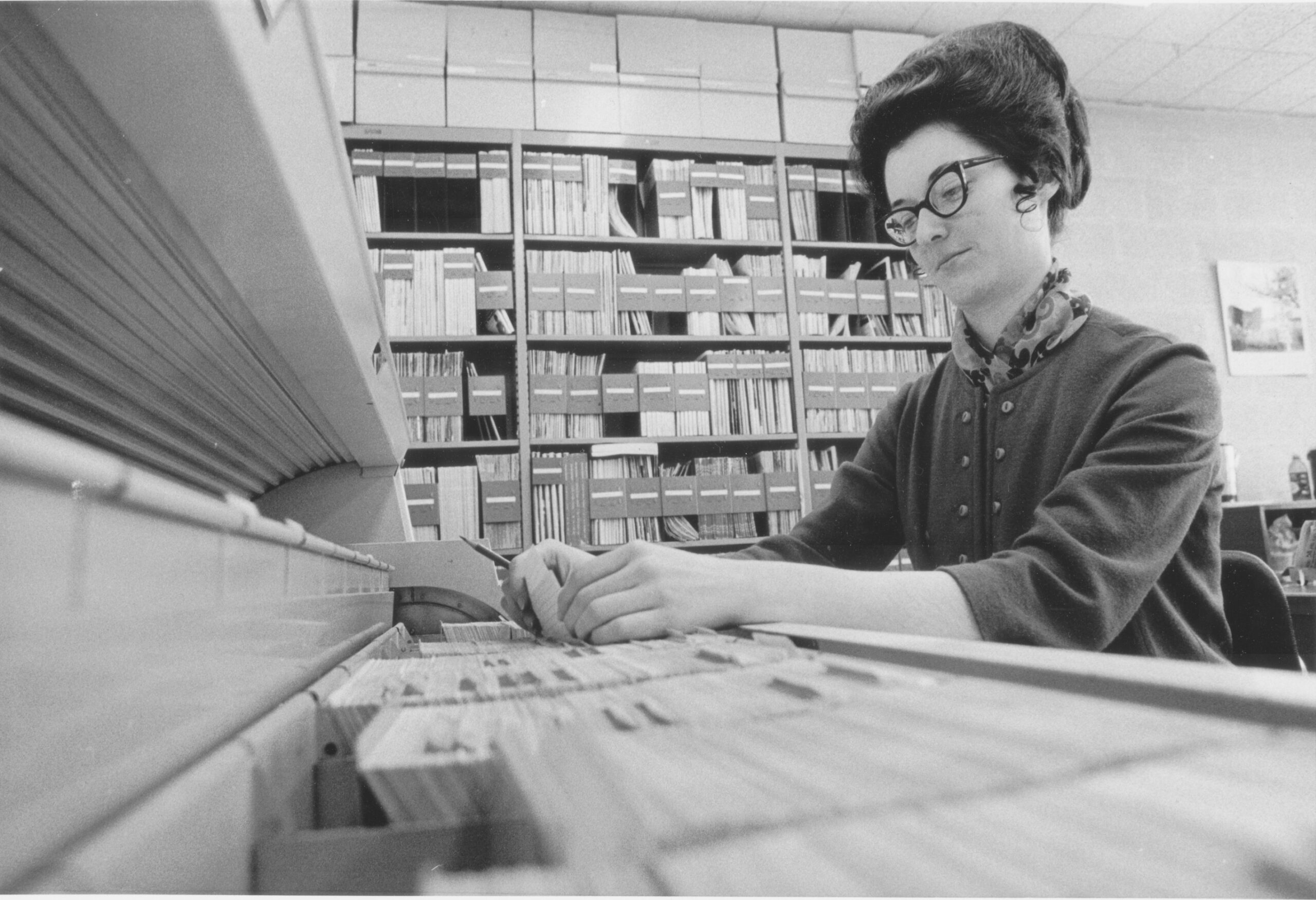
In the 1960s, libraries were considered central to communities, and librarians were revered for their expertise in managing information. Whether helping with research or organizing community events, librarians helped make knowledge accessible to everyone. At the time their average pay was around $4,000 – $6,000 per year. Though not one of the highest-paying jobs, librarianship was a respected position. Today, librarians continue to serve as vital community members, with expanded roles in digital archives and community programming.