
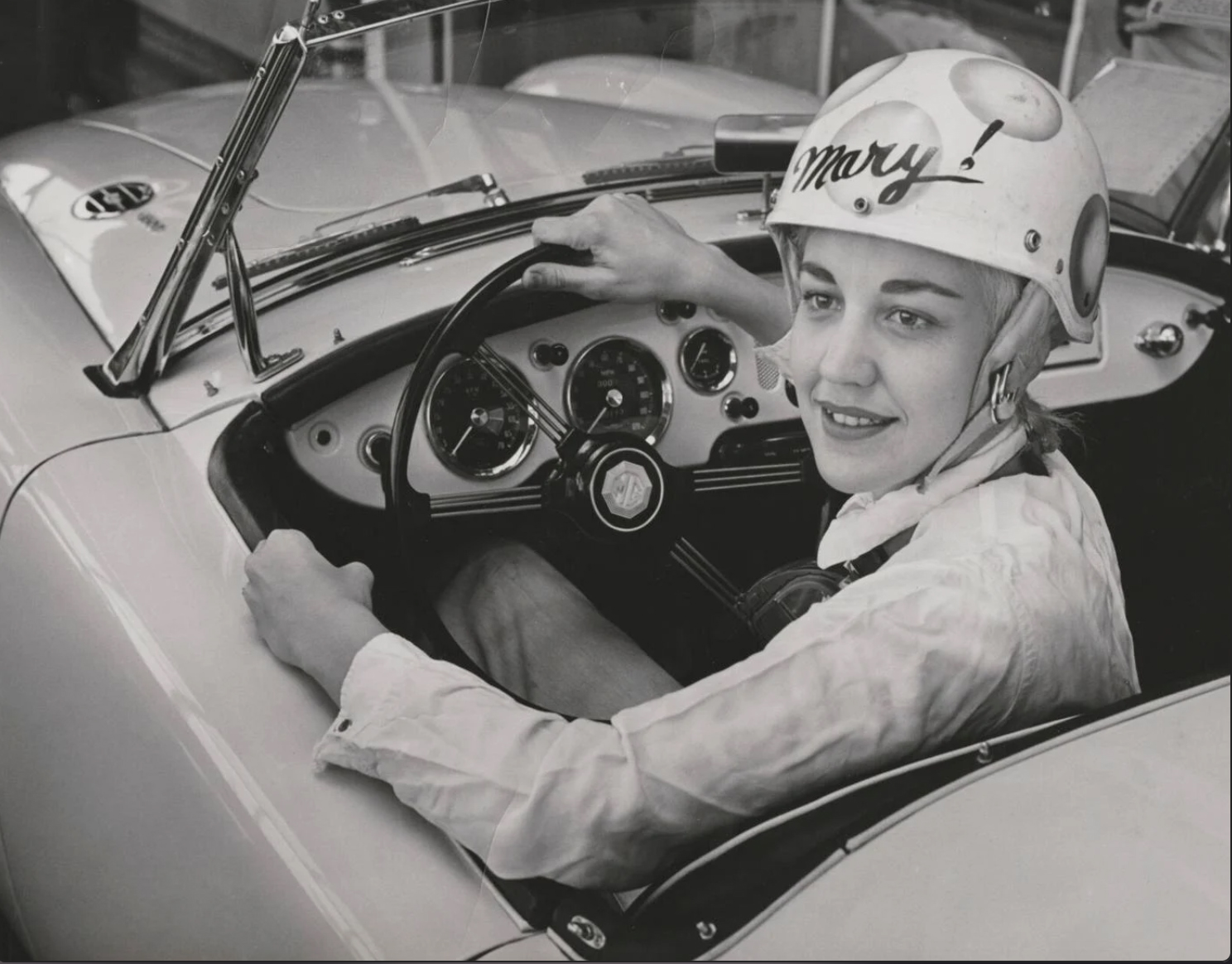
Mary McGee, known for her daring spirit and signature pink polka-dot helmet, passed away on November 27, 2024, at the age of 87. A true pioneer in motorcycle racing, McGee made history as one of the first women to race in a male-dominated sport. Her fearless attitude and incredible achievements inspired many, and her legacy continues to live on in the world of motorsports.
Born in Juneau, Alaska, on December 12, 1936, Mary McGee’s early life was shaped by adventure and resilience. After her parents’ separation, McGee and her brother, Jim, moved to live with their grandparents in Iowa during World War II. Her brother, a racing enthusiast, introduced her to motorsports. One day, he asked if she wanted to drive his race car. Though terrified, Mary agreed. She later recalled, “I wanted to wet my pants, I was so scared.” After that, her motto became: “Always say yes if someone asks you to go somewhere or do something.”
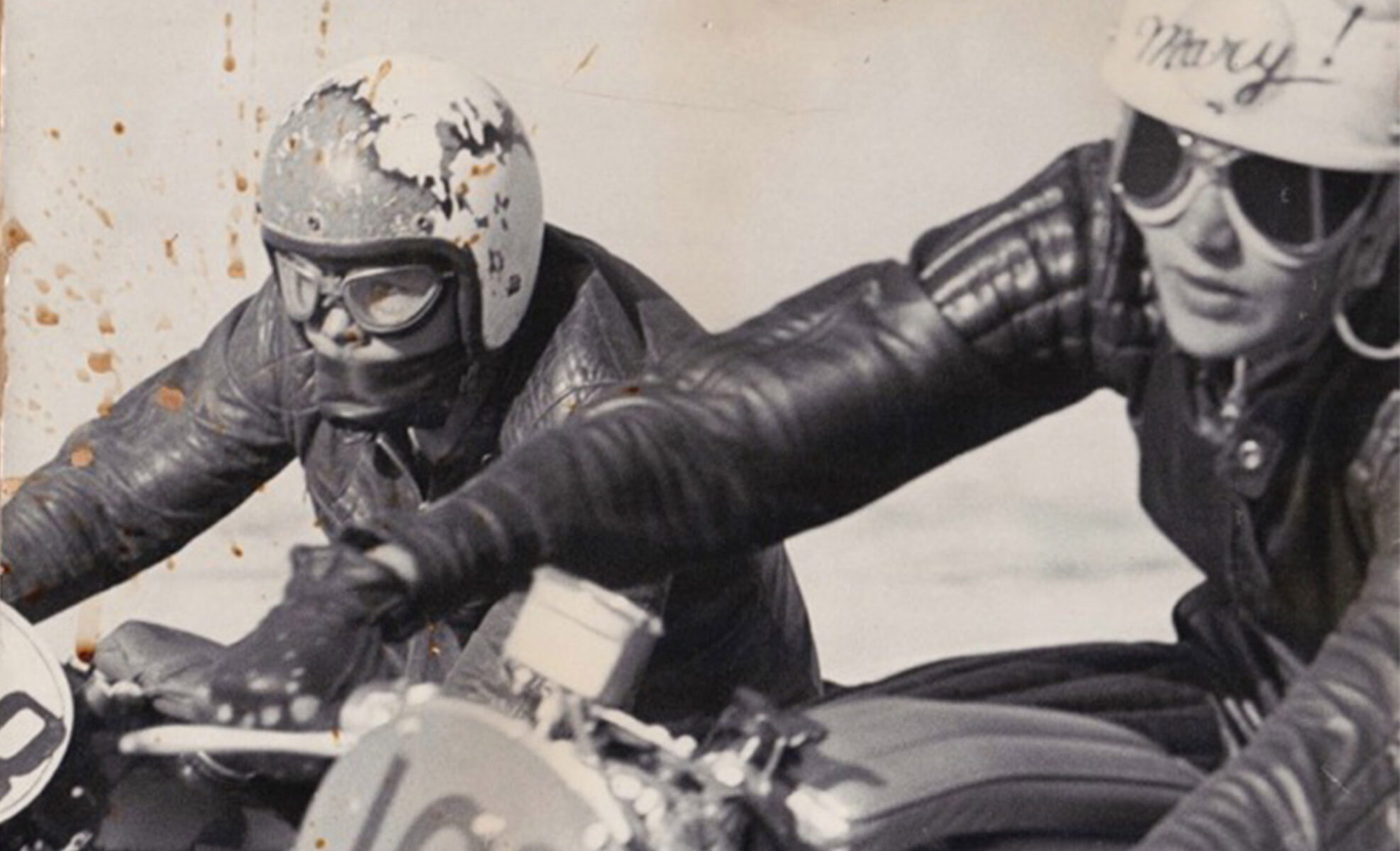
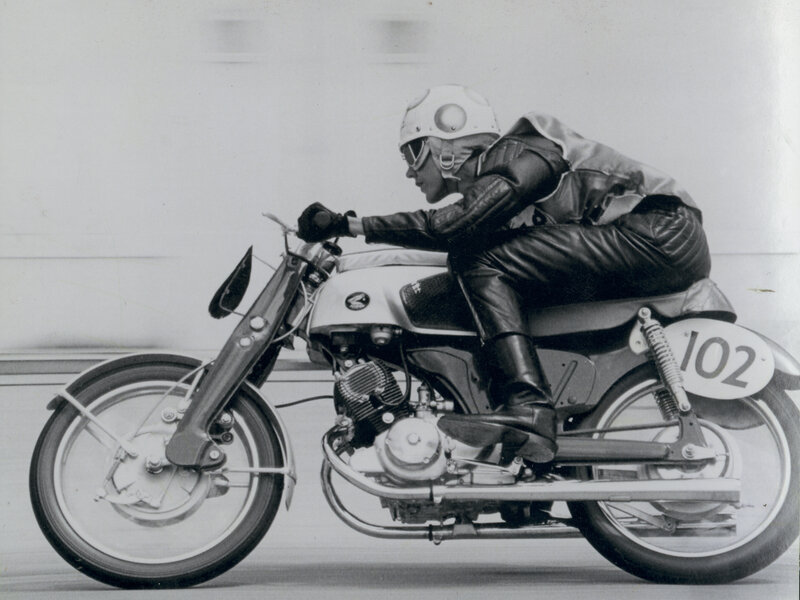
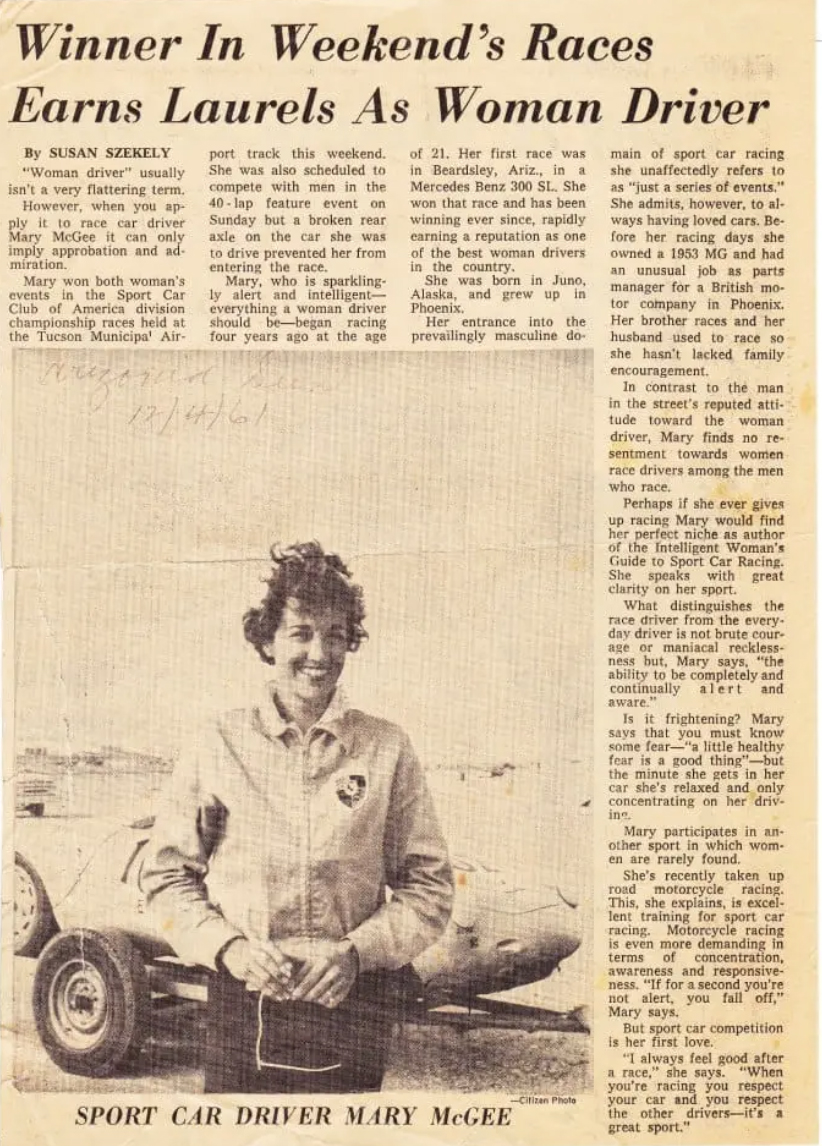
In the 1960s, McGee began making her mark on the racing scene. She first competed in road course races and motorcycles. But it wasn’t easy. Men mostly dominated the sport, and Mary often found herself as the only woman on the track. But that didn’t stop her. By 1961, she had earned the “No. 1 ranked woman sports car driver” title from The Arizona Daily Star. She had proven herself to be a skilled driver and someone who could hold her own among her male counterparts.
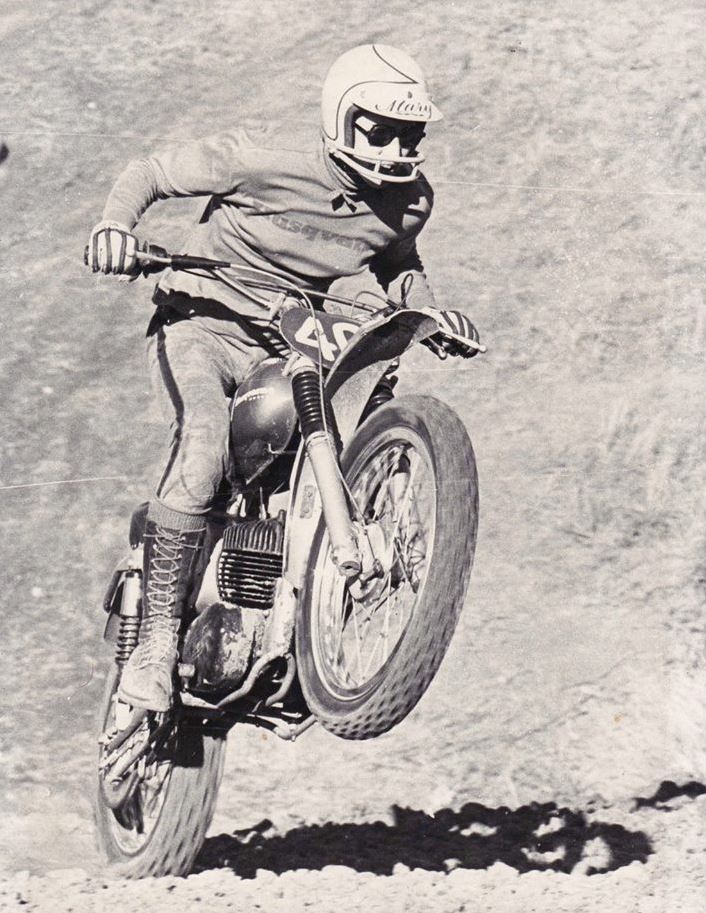
In 1975, McGee achieved one of the most iconic feats in motorcycle racing history. She became the first person—man or woman—to complete the grueling Baja 500 solo. The Baja 500 is known for its extreme challenges. Riders face rough terrain, high temperatures, and long stretches of desert, with many competitors opting for team support. But Mary wasn’t interested in relying on others. She raced alone on her Swedish motorcycle, pushing through mechanical failures and even a painful cactus encounter. Despite these setbacks, she finished in 17th place out of 365 riders, securing her place in history.
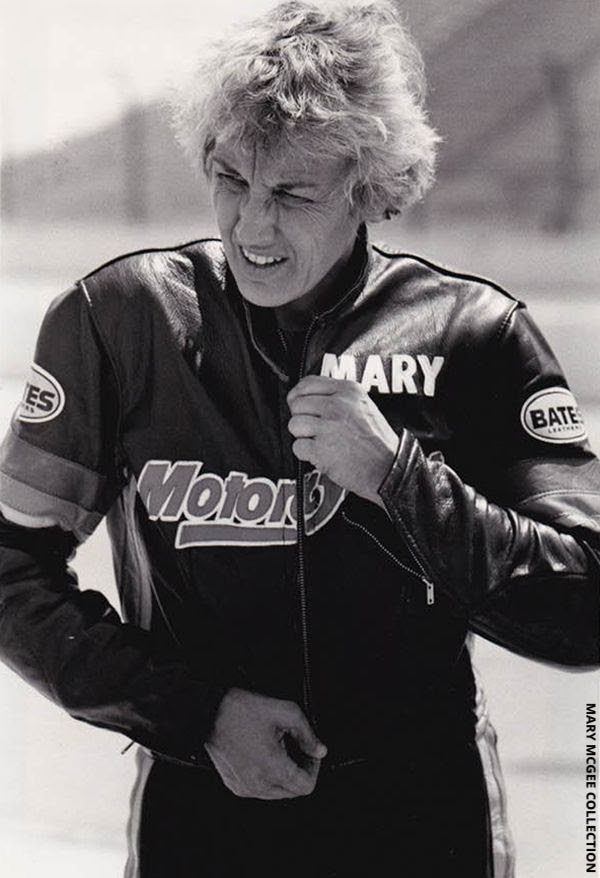
McGee’s path was not without obstacles. In 1964, her brother Jim died in a car crash while racing. Shortly after, she was involved in a head-on collision with a car on the highway. Despite being hospitalized, she learned she was pregnant. However, her injuries didn’t stop her from racing. She returned to the track a year later. “Did that deter me from racing? No,” McGee said. “Jim would have wanted me to fight back.” This resilience became a hallmark of her career.

Despite her undeniable achievements, McGee often faced gender-based obstacles. After completing the Baja 500 solo, the authorities awarded the “Iron Man” trophy to the first solo car driver—who finished after her. The reason? She was a woman. For decades, McGee’s accomplishments went unrecognized. But her contributions were undeniable, and her story inspired future generations of women in racing over time.
After retiring from competitive racing, McGee contributed to the motorsport world. She worked as a sales manager for Motorcyclist magazine and remained involved in the racing community. In later years, McGee competed in women’s over-60 and over 70 races. Her influence remained strong, especially among women racers who admired her achievements and fearless spirit.

In 2024, the documentary Motorcycle Mary honored McGee’s life. Directed by Haley Watson and produced by Formula 1 champion Lewis Hamilton, the film was a tribute to McGee’s pioneering role in a male-dominated sport. It premiered at the Tribeca Film Festival and highlighted her resilience, determination, and impact on the world of motorcycle racing.

When McGee passed away, tributes poured in from across the motorcycling world. At the Babes in the Dirt event, a gathering of women dirt bikers, attendees watched the documentary in honor of McGee’s legacy. “We love you, Mary!” one woman shouted. “We are you!” echoed another. The women revved their engines into the night sky, paying tribute to a woman who paved the way for many others.