

The 1960s was a decade like no other, marked by profound change, vibrant style, and a spirit of fun that we’re still thinking about to this day. From the streets of London to the beaches of California, this era saw a burst of creativity and a thirst for new experiences that shaped the world into something completely different than it was a decade earlier. In the ‘60s young people took center stage, driving movements that demanded civil rights and gender equality while The Beatles proved that pop music could be a force for change. Whether people were trying to jumpstart the revolution or just have a good time, the ‘60s was a moment when an entire generation believed that they could dream big and live even bigger.

The world changed when The Beatles touched down on American soil at JFK Airport in February 1964. Beatlemania hit the USA hard when John, Paul, George, and Ringo were greeted by thousands of screaming fans, cementing their status as the most important rock band of the 20th century. The Beatles didn’t just change music, they changed fashion, attitudes, and even the way that people spoke. And the crazy thing is that Beatlemania was just one of the major cultural shifts of the 1960s.
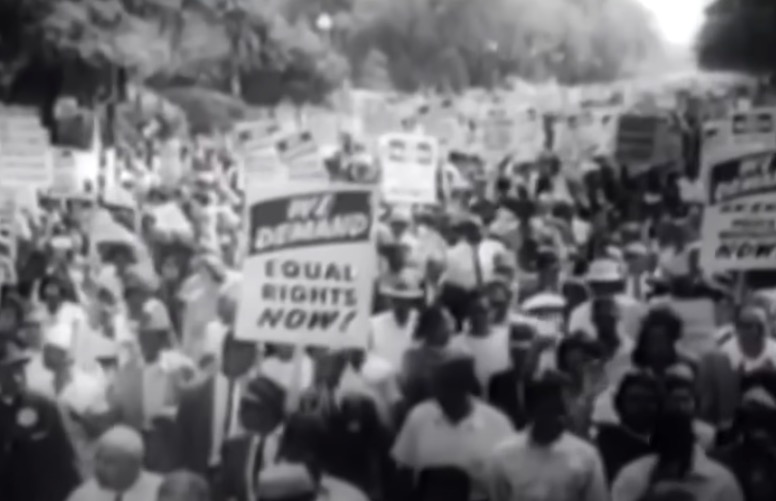
One of the most pivotal moments of the 20th century was the March on Washington for Jobs and Freedom, held on August 28, 1963. More than 250,000 people gathered at the Lincoln Memorial to demand an end to racial segregation and discrimination, making it one of the largest civil rights rallies in U.S. history. To put the cherry on top of this event, this was the moment that Martin Luther King Jr. delivered his iconic “I Have a Dream” speech, eloquently articulating the hopes and dreams of millions of Americans who yearned for a society where people would be judged not by the color of their skin but by the content of their character.

The 1960s saw humanity achieve one of its most remarkable technological and exploratory feats: the moon landing. On July 20, 1969, astronaut Neil Armstrong became the first human to set foot on the moon, uttering the famous words, “That’s one small step for man, one giant leap for mankind.” The Apollo 11 mission showed the people of earth that we could reach for the stars (literally) and that anything was possible.
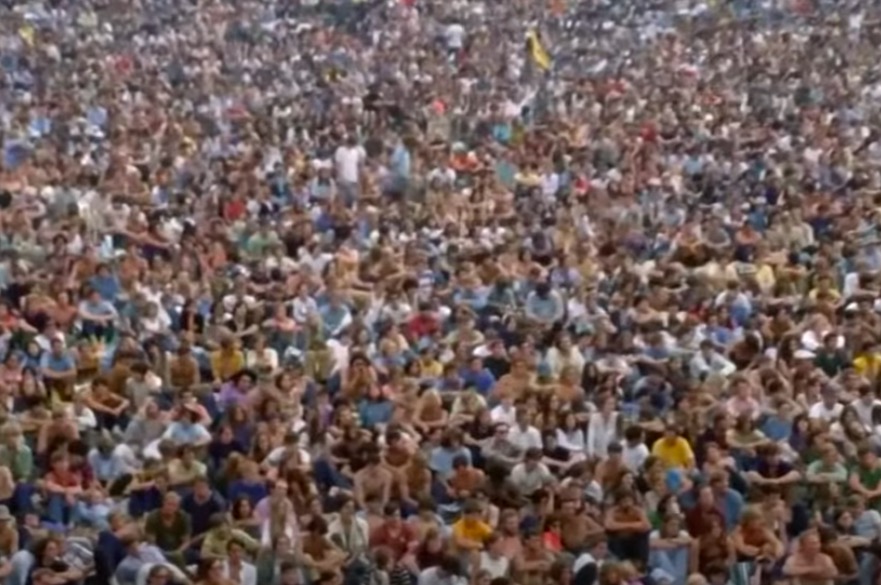
In August 1969, an out of the way dairy farm in Bethel, New York, became the site of a cultural milestone that epitomized the spirit of the 1960s counterculture: the Woodstock Music and Art Fair. With over 400,000 people in attendance, Woodstock was more than just a concert – it was a moment where the peace and love movement proved that they really did want to be a community. Despite the challenges of rain, mud, and logistical chaos, the event remained remarkably peaceful, and did we mention that artists like Jimi Hendrix, Janis Joplin, and The Who rocked the faces off everyone who stuck around? It may be overstated, but Woodstock changed people, and it changed a generation.

Are you groovy, baby? Picture yourself on London’s Carnaby Street – known as the heart of “Swinging London,” Carnaby Street was a vibrant hub of fashion, music, and youth culture. Young people flocked to this neighborhood to shop at trendy boutiques and show off their mini-skirts, bold patterns, and mod-inspired outfits. Designers like Mary Quant popularized the mini-skirt, while the mod style, with its clean lines and geometric shapes, became a hallmark of the era. The Swinging London style was more than the clothes or the music, it was a whole vibe and we want to go back.

The 1960s was a major turning point for women’s rights, with the emergence of the feminist movement and the push for gender equality. In cities across the United States, women organized marches and rallies, demanding equal pay, reproductive rights, and an end to gender-based discrimination. One of the most iconic images of this movement shows women marching down Fifth Avenue in New York City, holding signs that read “Equal Pay for Equal Work” and “The Personal is Political.” These demonstrations were pivotal in raising awareness and fostering a dialogue about the inequalities women faced. The decade saw the founding of organizations like the National Organization for Women (NOW), which played a crucial role in advocating for legislative changes and social reform.
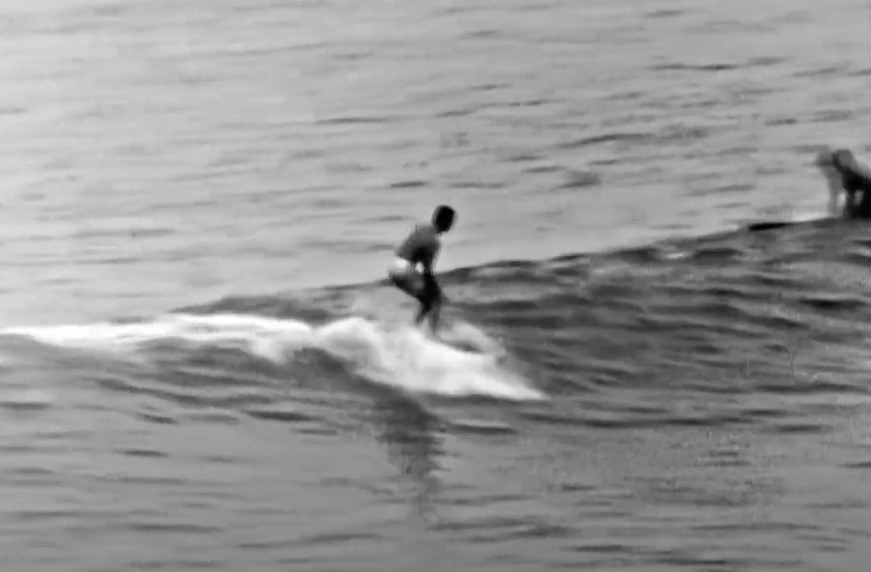
In the early 1960s surf culture was all the rage thanks to the Beach Boys and the dreams of sunny California that came from soldiers who were stationed in ideal surf spots like San Diego and Long Beach.

Films like Endless Summer captured the thrill of chasing the perfect wave, further embedding surf culture into the American psyche. Images of tanned surfers carrying their boards, girls in bikinis, and the iconic wood-paneled station wagon known as the “surf wagon” became synonymous with the era. This was a brief moment of freedom, fun, and a deep connection with nature.

The Vietnam War was a dark cloud over the sunny days of the 1960s. A massive anti-war movement sparked up in response to the war, bringing together students, activists, and everyday citizens in protest. College campuses became hotbeds of activism, with students organizing sit-ins, teach-ins, and rallies, and the war’s increasing unpopularity led to widespread demonstrations that sadly ended in violence with the Kent State shootings in 1970.
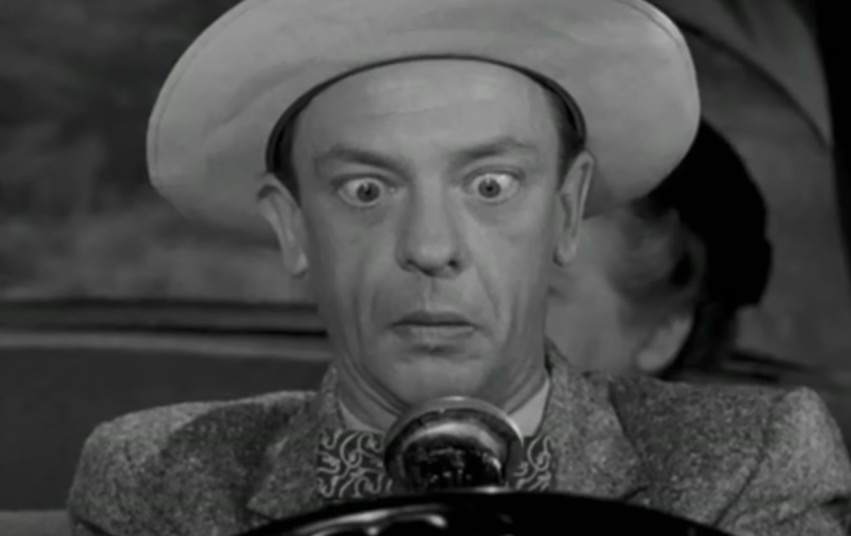
The 1960s was the decade when television truly became a central part of everyday life. While televisions were introduced in the 1950s, they became more affordable the following decade, something that changed family dynamics forever. Every night families gathered around their TV sets to watch popular programs like The Ed Sullivan Show, Bewitched, and The Andy Griffith Show, building a new shared communal experience. More than just a way to tell stories, television became a powerful tool for disseminating information and shaping public opinion, something that played a critical role in events like the civil rights movement and the moon landing.
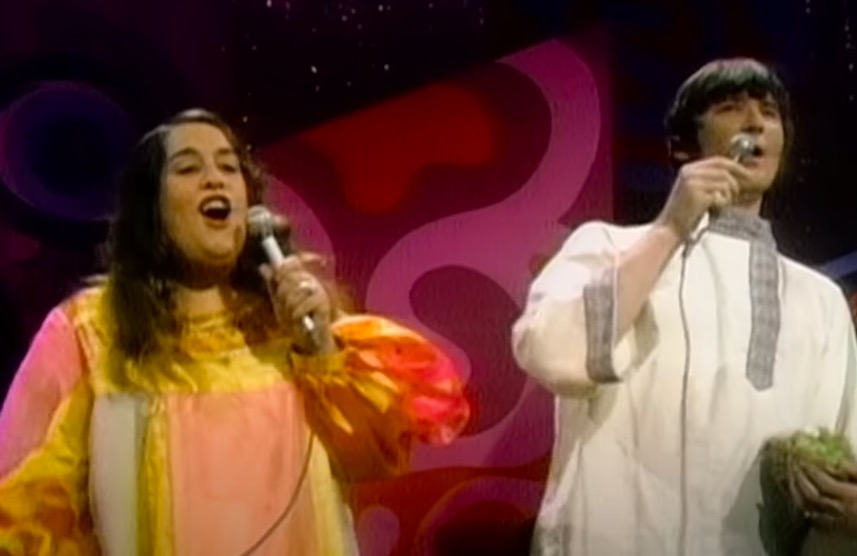
The hippie movement emerged as a powerful countercultural force in the mid-1960s, advocating for peace, love, and a return to nature. This movement was epitomized by the “flower children,” young people who rejected mainstream consumer culture in favor of a more simplistic, communal lifestyle. The term “flower power” became a symbol of the movement’s emphasis on nonviolence and harmony with the earth, and while this kind of belief in a super chill vibed out community feels naive now (or maybe just quaint), isn’t there a part of you that wishes we could go back to this much simpler time?