

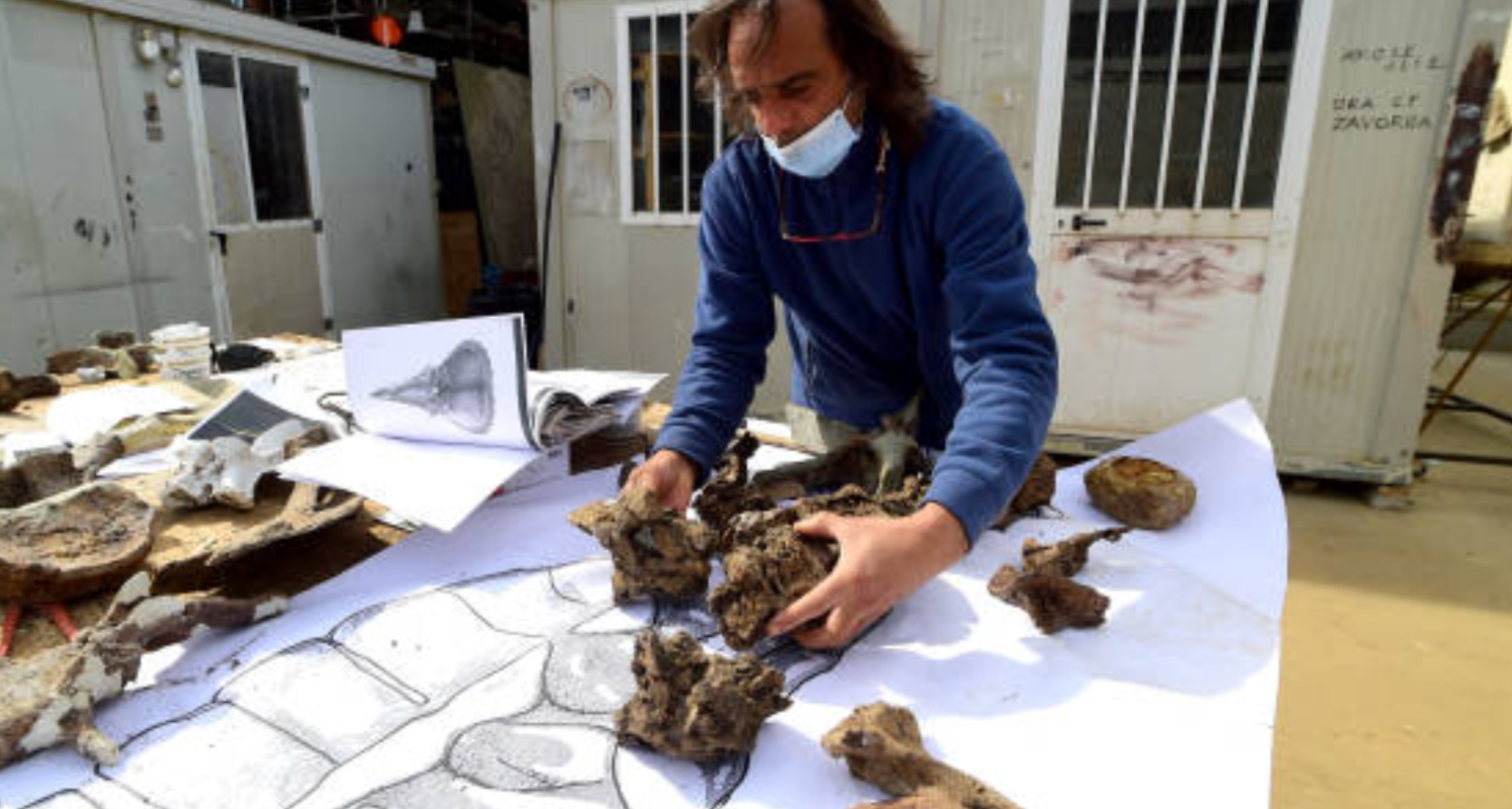
Scientists have discovered a complete fossil of Dinocephalosaurus orientalis, an aquatic reptile from the Triassic period, dating back 240 million years. The fossil, unearthed in Guizhou Province, China, measures about 16 feet long, offering a new view of the creature since its initial identification in 2003. Dinocephalosaurus is a unique sea reptile known for its long neck, made up of 32 vertebrae, longer than its body and tail combined.
In this gallery, we look into the discovery, as well as other significant fossil finds.
Getty Images
Unlike other long-necked reptiles, Dinocephalosaurus’ neck had additional vertebrae rather than elongated existing ones. In 2021, scientists classified it in the Dinocephalosauridae group.

Getty Images
Dinocephalosaurus’ long neck likely played a key role in its feeding strategy, allowing it to catch fish with sharp teeth. Some researchers believe it may have sucked in prey, though this has been debated. Its paddle-like limbs suggest it thrived in water but struggled on land.

Getty Images
Nick Fraser, head of the National Museum of Scotland’s Department of Natural Sciences, expressed his fascination with the discovery, stating, “This discovery allows us to see this remarkable long-necked animal in full for the very first time. It is yet one more example of the weird and wonderful world of the Triassic that continues to baffle palaeontologists. We are certain that it will capture imaginations across the globe due to its striking appearance, reminiscent of the long and snake-like, mythical Chinese Dragon.”

Getty Images
Researchers examined the fossil at the Institute of Vertebrate Palaeontology in Beijing, noting its flippered limbs and preserved fish remains in its stomach. Professor Li Chun remarked on the international teamwork involved in the discovery, with contributions from scientists in the U.S., U.K., and Europe.

Getty Images
Chun said, “This has been an international effort. Working together with colleagues from the United States of America, the United Kingdom and Europe, we used newly discovered specimens housed at the Chinese Academy of Sciences to build on our existing knowledge of this animal. Among all of the extraordinary finds we have made in the Triassic of Guizhou Province, Dinocephalosaurus probably stands out as the most remarkable.”

Getty Images
Chun added, “We used newly discovered specimens housed at the Chinese Academy of Sciences to build on our existing knowledge of this animal.

Getty Images
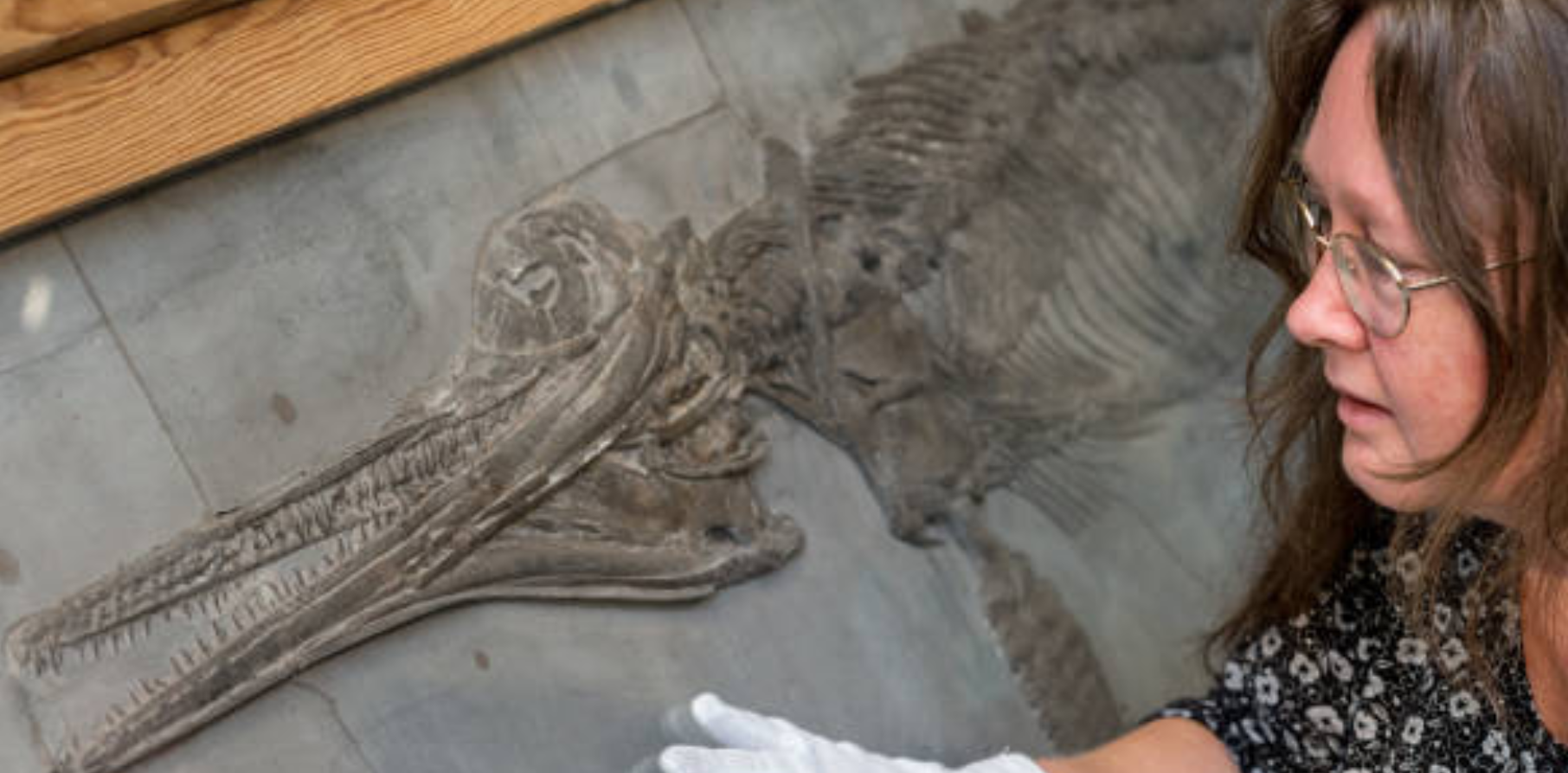
One of the most significant fossil finds is the Ichthyotitan, a giant ichthyosaur known from the Rhaetian period. The fossil is notable for being 13 million years younger than its relatives, making for an evolutionary mystery.
Getty Images
Another important fossil discovery is Erbenochile, a genus of trilobite found in Devonian rocks. The fossil has aided paleontologists in studying the diversity and adaptations of early marine life.

Getty Images
Fossils like Archaeopteryx have bridged the gap between dinosaurs and birds. The iconic fossil has been crucial in scientists’ understanding of avian ancestry.
Getty Images
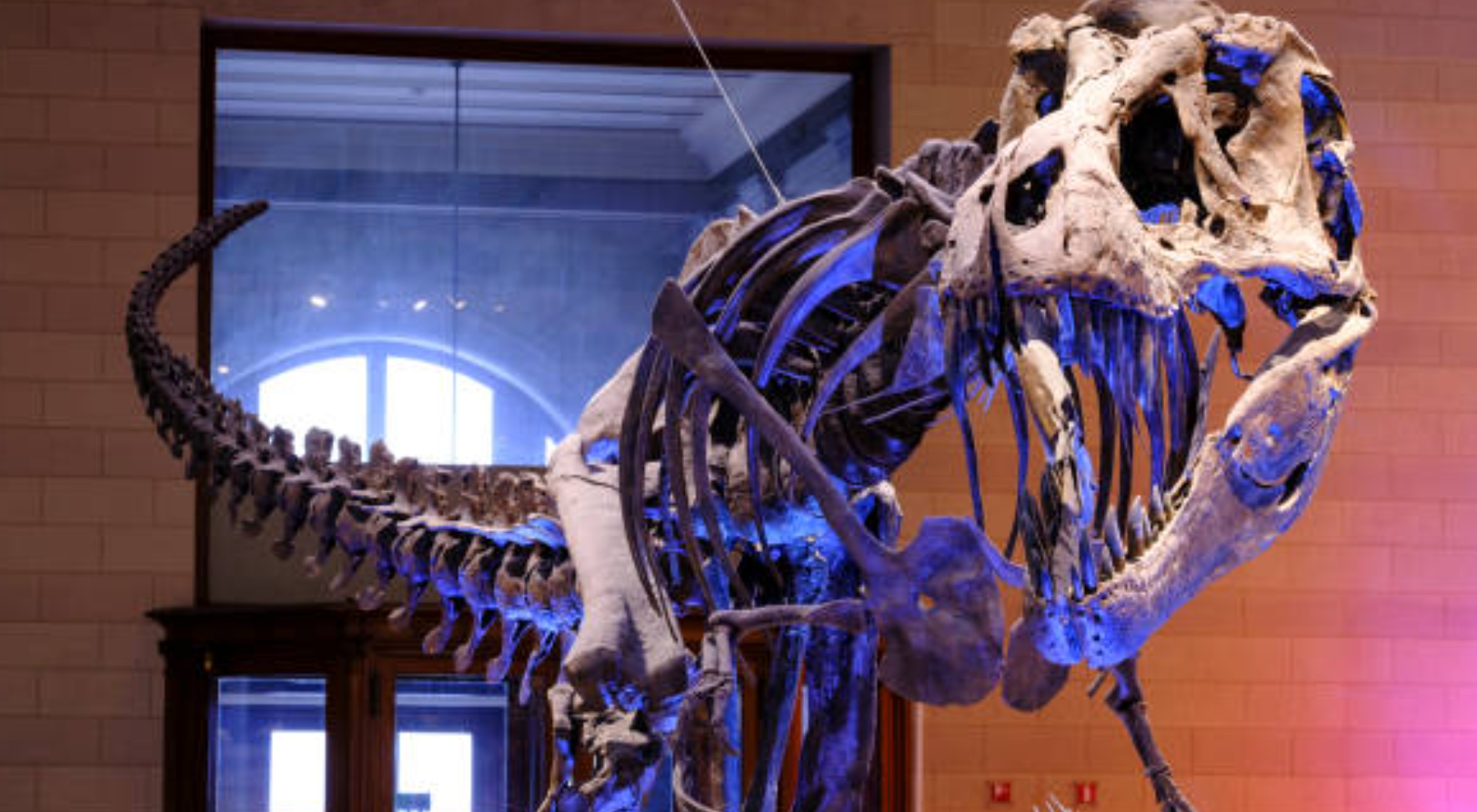
The Tyrannosaurus rex skeleton is one of the most complete dinosaur fossils ever found. Its discovery has greatly enhanced scientists’ understanding of theropod dinosaurs and their behavior.