
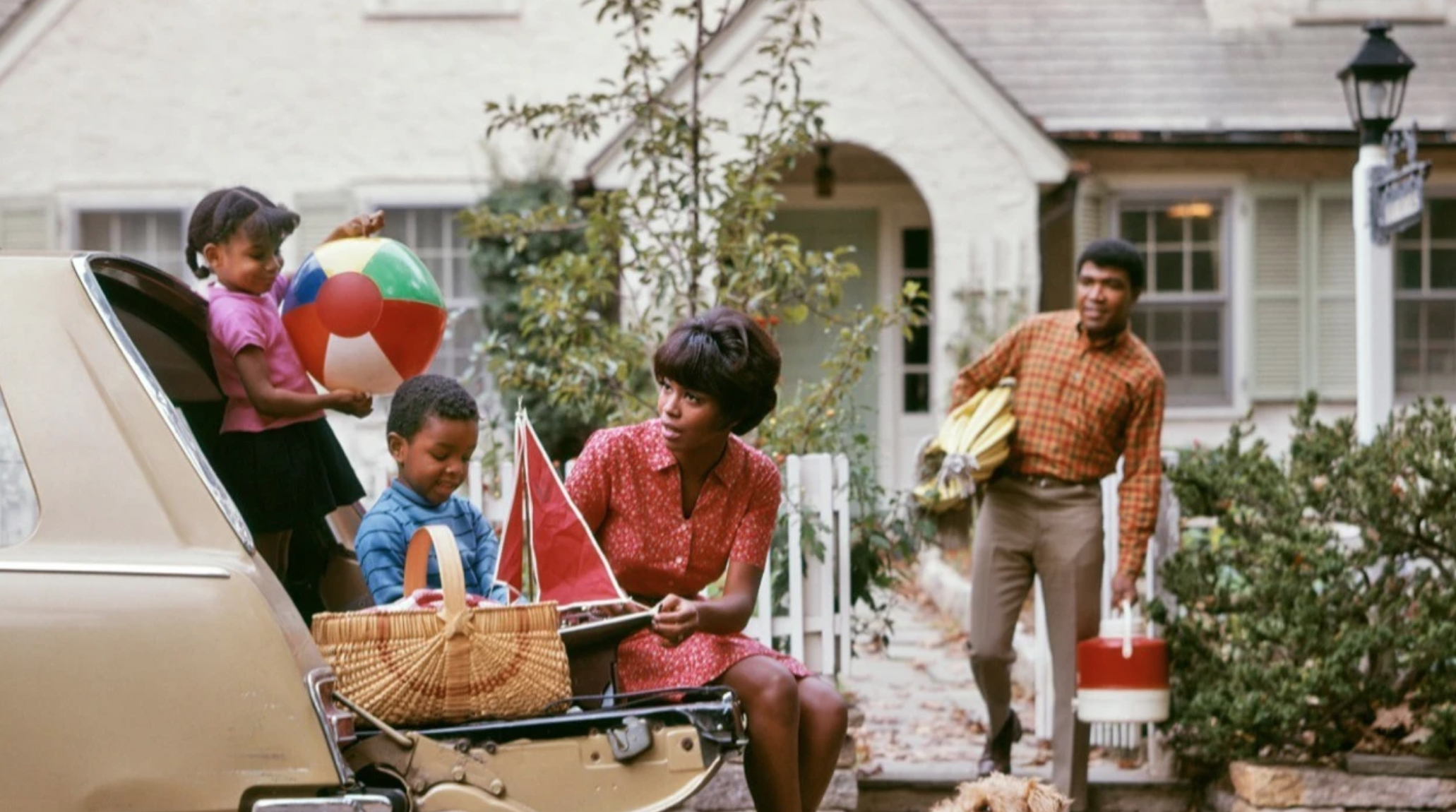
The 1970s were an era of surprising affordability. Many Americans could live comfortably with low housing costs, cheap gas, and reasonably priced groceries. We’ll explore how economic factors made the 70s a golden age of affordability and how those conditions compare to today’s soaring prices.
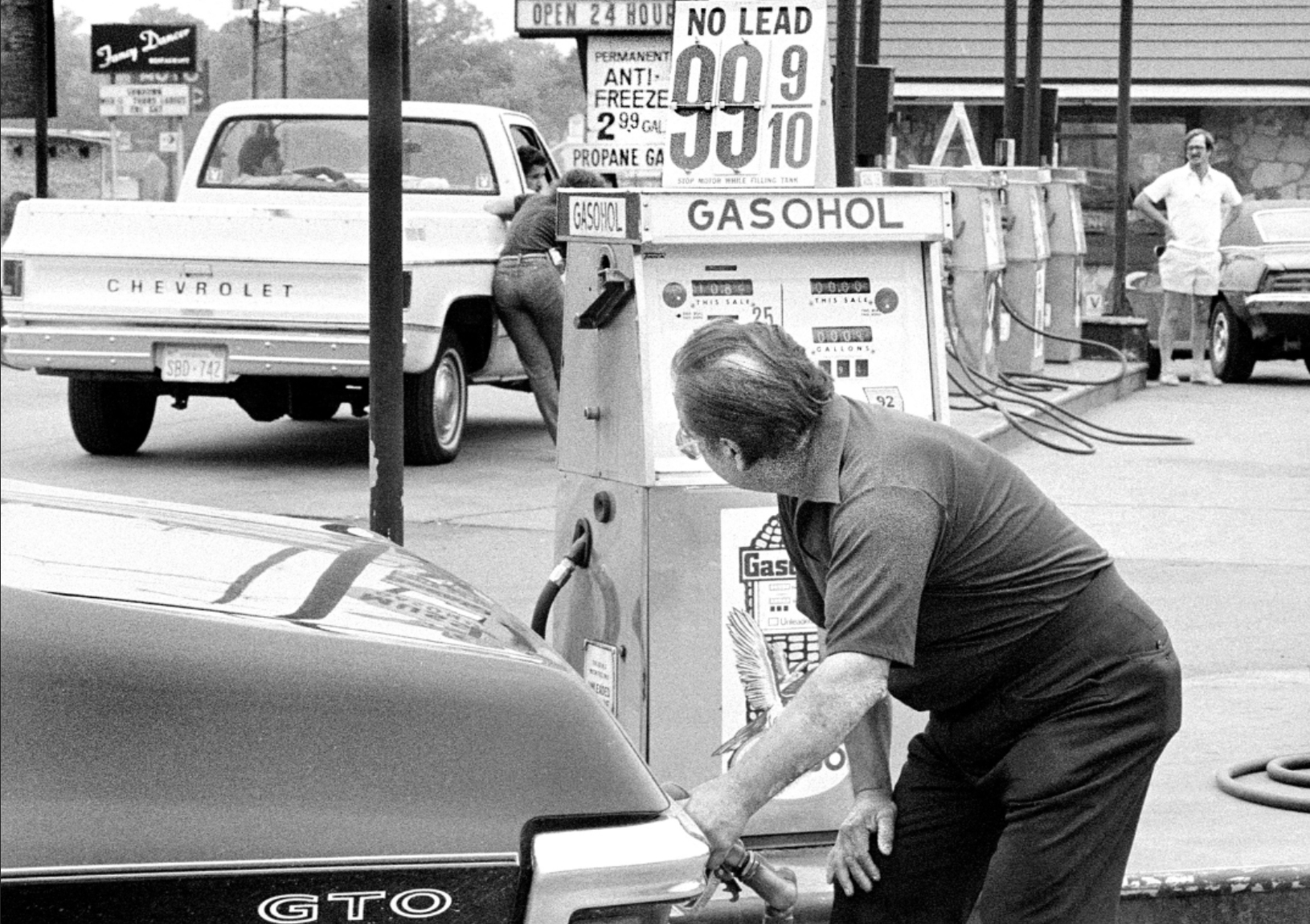
Gas prices in the early 70s were shockingly low. In 1970, a gallon of gas cost just 36 cents. By 1975, it had risen to 57 cents due to the oil crisis, but that’s still far below what drivers pay today. Fast forward to today, and the national average often hovers around $3.50 per gallon (or more, depending on location). Even adjusting for inflation and factoring in that whole oil crisis thing, gas in the 70s was still a bargain. The affordability of gas contributed greatly to the freedom and mobility that many people enjoyed during that time.
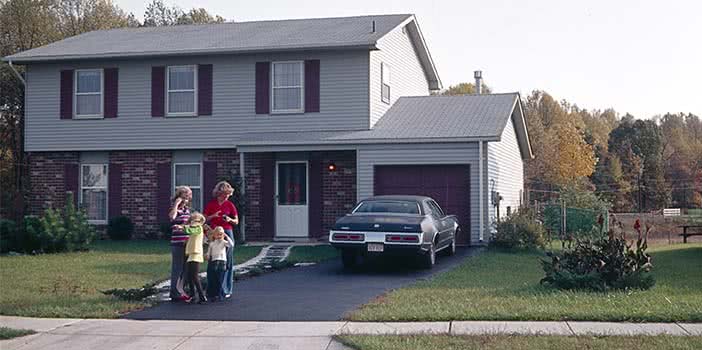
Homeownership was not only possible but within reach for many Americans in the 70s. In 1970, the median home price was just $23,000. Compare that to today, where the median home price in the U.S. has soared to over $400,000! Interest rates in the 70s were slightly higher, averaging around 8-9%. Still, even with these rates, monthly mortgage payments were manageable for most working families. Buying a home back then often meant a bright future of stability and investment—something that today’s young generation finds increasingly difficult to attain.
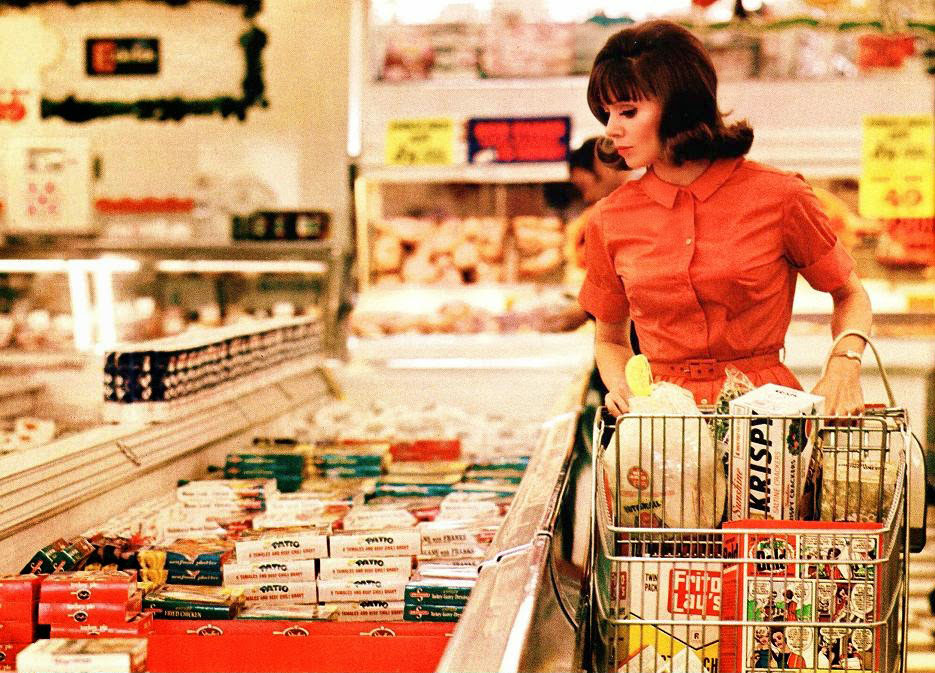
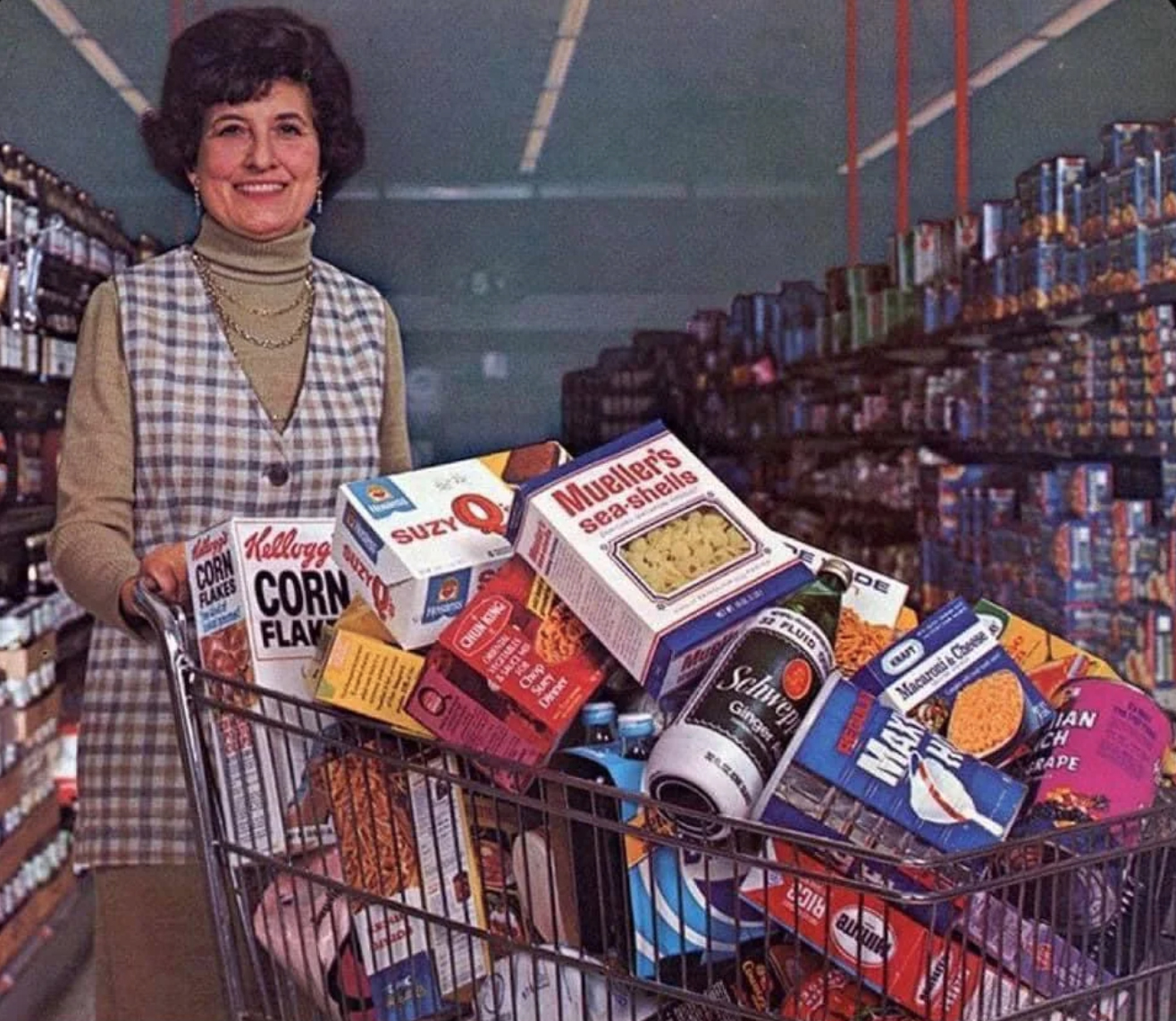
Groceries were another area where families saw major savings. In 1970, a loaf of bread cost just 24 cents, a gallon of milk was about $1.32, and a dozen eggs could be had for 62 cents. Today, those same items cost over four times as much, especially in urban areas. The affordability of food allowed many households to eat well without breaking the bank, unlike today, where food prices are a significant portion of most families’ budgets.
Wages in the 1970s were undoubtedly lower than today, but so was the cost of living. In 1970, the median household income was around $9,000, which is roughly equivalent to $63,000 today when adjusted for inflation. The purchasing power of that income, however, was much higher. People could afford to live in comfortable homes, own cars, and enjoy vacations—all on a single salary in many cases. Today, despite higher incomes, living costs have outpaced wage growth, leaving many to juggle multiple jobs or side hustles to make ends meet.
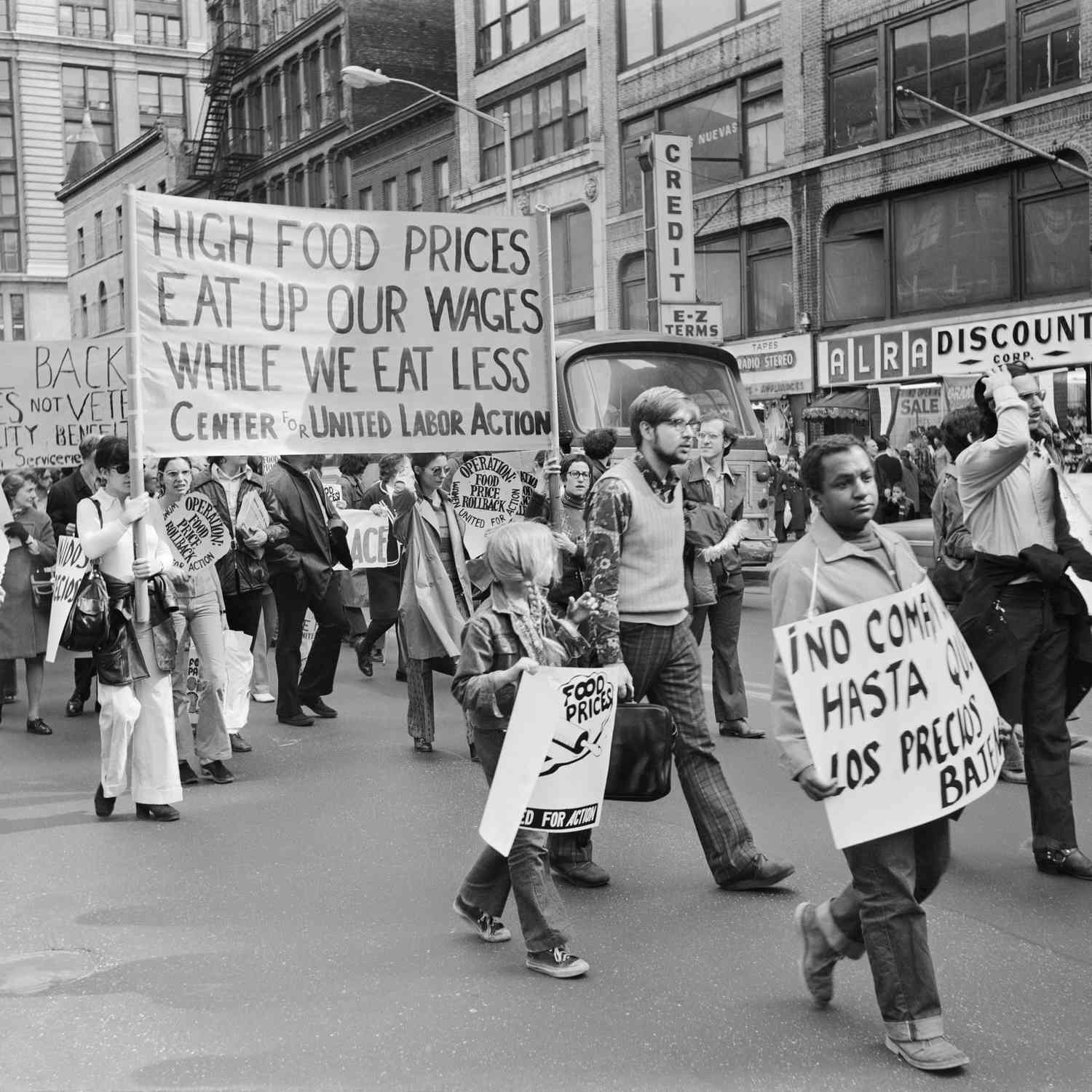
The 70s were not without their economic challenges. Inflation was high, especially during the latter half of the decade. However, even with inflation, everyday costs didn’t feel as overwhelming as they do today. Price increases were more gradual and manageable compared to the rapid rise in costs we’ve seen over the past two decades. Today, Americans face a much more volatile economy with unpredictable price hikes, especially in housing, healthcare, and education.
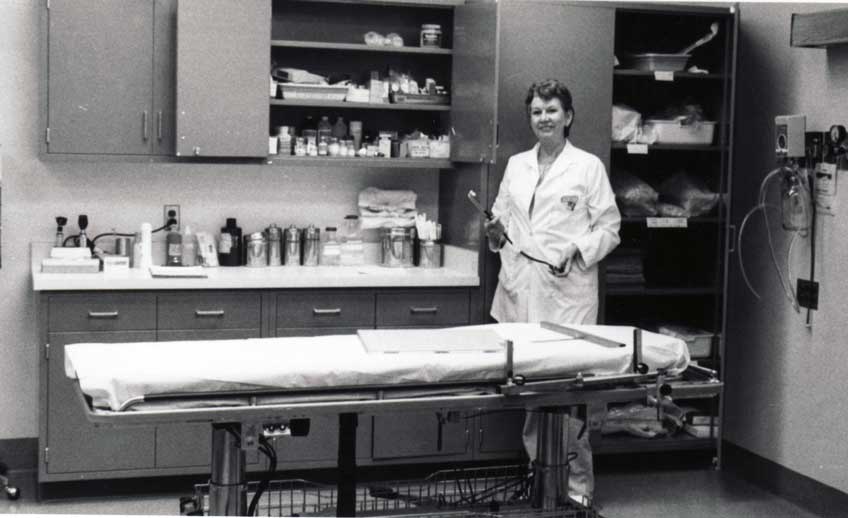
In the 1970s, healthcare was much more affordable, and insurance coverage was more accessible to average Americans. The average cost of a doctor’s visit in 1970 was around $20, which would be about $130 in today’s money. While that’s still a cost, it’s far less than what people often pay today. The average American spent a smaller percentage of their income on healthcare, making it easier to balance other expenses.

Education was another area where costs were far more manageable in the 70s. A four-year degree at a public university in 1970 cost around $1,000 annually. Today, the average cost of a public college education is over $10,000 per year in tuition alone, with private colleges averaging much higher. With student loan debt at an all-time high, many young people today face a much steeper climb to financial stability than their 70s counterparts, who could often afford to pay for college without going into massive debt.
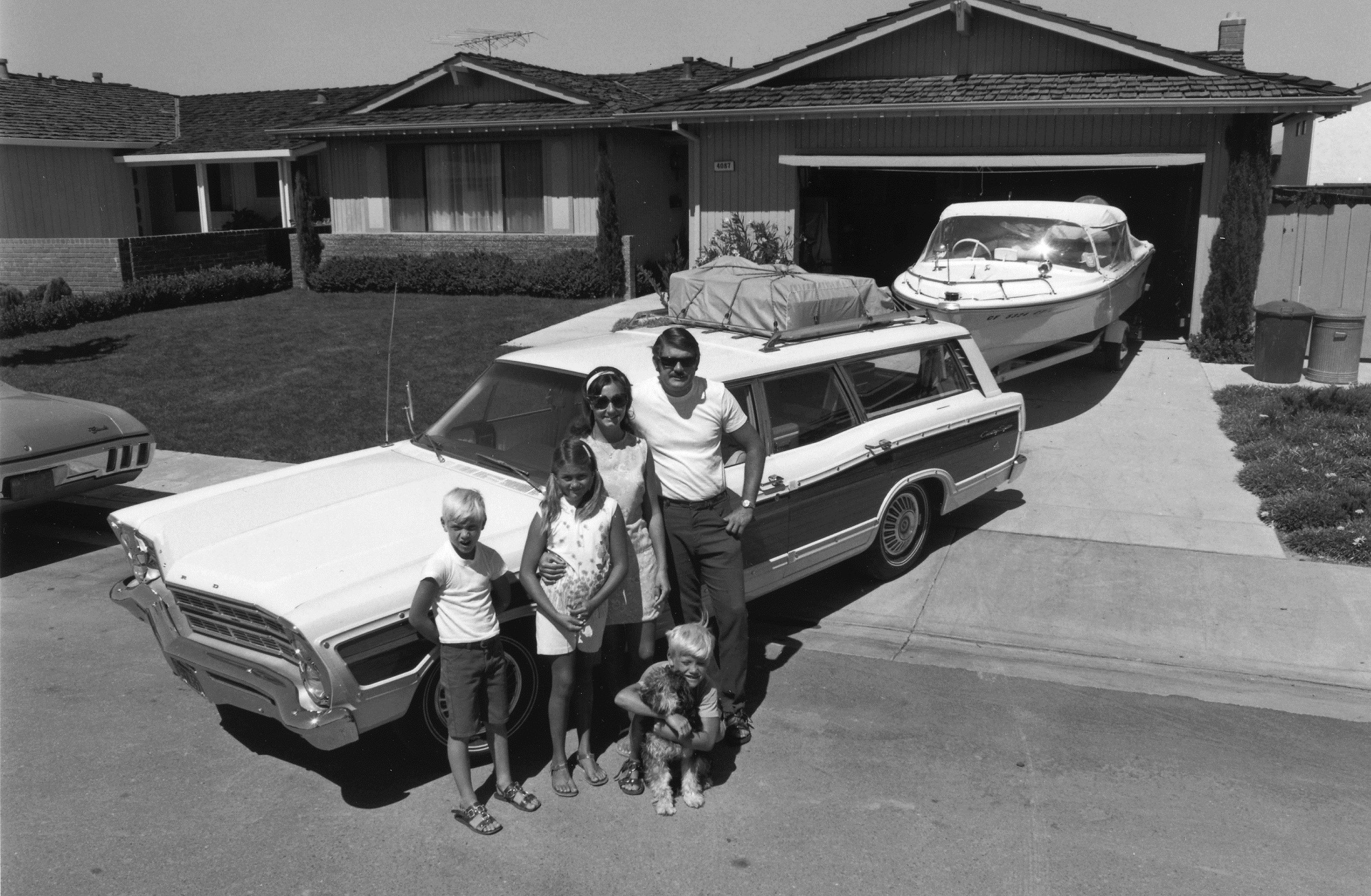
In the 1970s, the American Dream—homeownership, job security, and a comfortable life—was attainable for many. Families could own a home, send their kids to college, and save for retirement relatively easily. A thriving economy and a focus on affordability across key sectors underpinned that sense of stability. Today, that dream feels more elusive for many, as rising costs make it harder to achieve long-term financial goals.
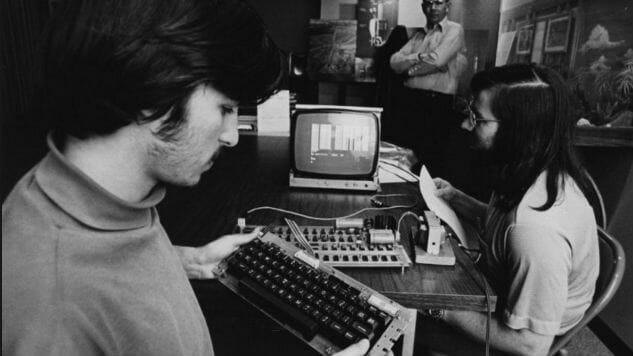
In the 1970s, technology was not as ubiquitous, but it was already beginning to change the way people lived. The average American did not own a personal computer but could afford items like televisions, refrigerators, and washing machines. Today, technological advancements have led to higher costs in many areas, from gadgets to monthly subscription services. While technology has undoubtedly improved the quality of life, it has added a layer of expenses that were not as prevalent in the 70s.
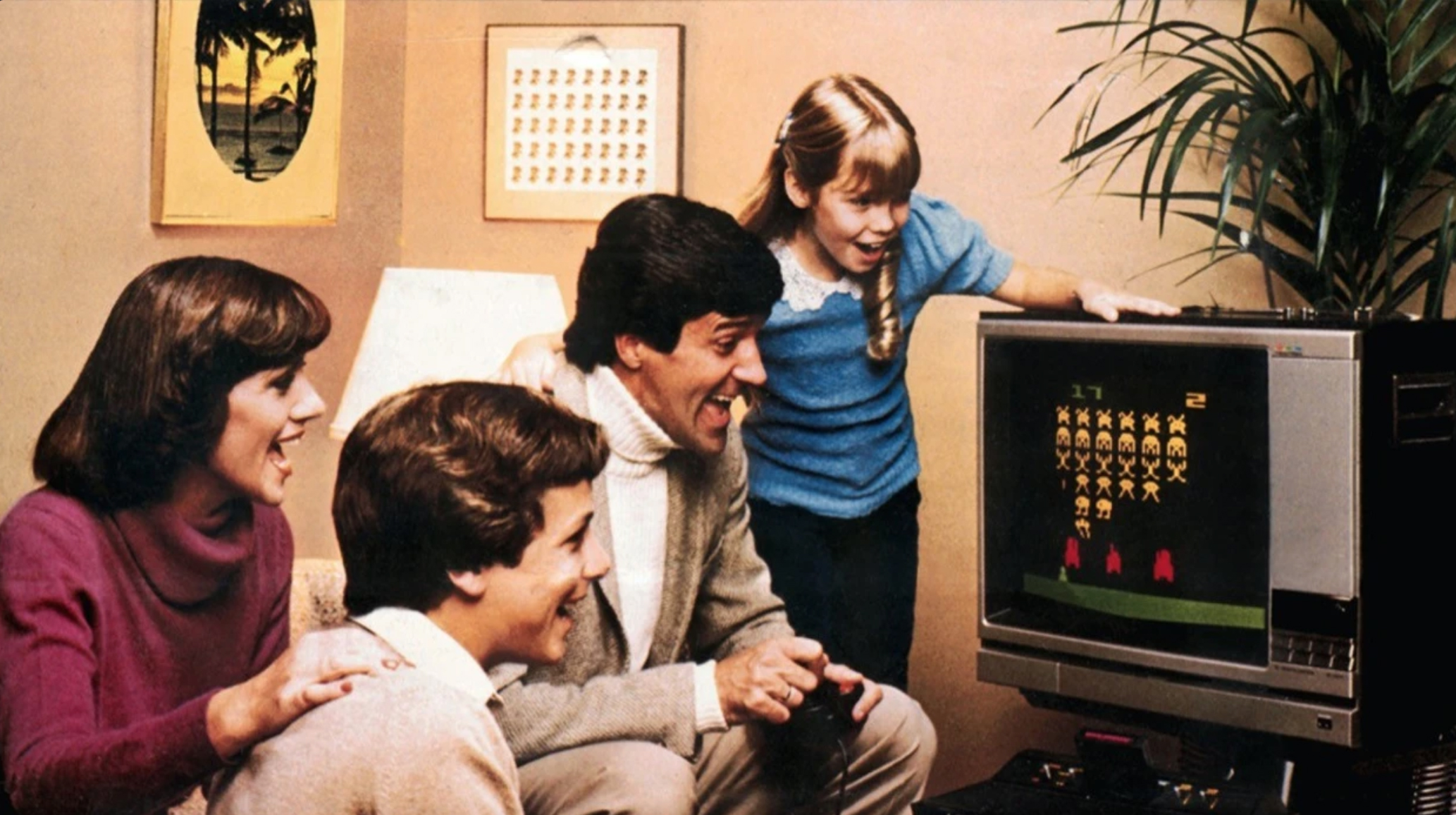
Looking back, the 1970s were a golden age of affordability in America. A strong economy, low prices for housing and gas, and reasonable costs for goods and services made it possible for many Americans to enjoy a comfortable lifestyle. Today, while wages have risen, the cost of living has surged, making it difficult for many to achieve the same level of comfort. The 70s may have been a time of social upheaval and change. However, they also represented a time when the American dream was still within grasp of the average person.