

Riding in Cars Without Seatbelts: Seatbelt laws were not as strictly enforced, and many children rode in cars without seatbelts or proper restraints, which is now illegal and strongly discouraged for safety reasons.
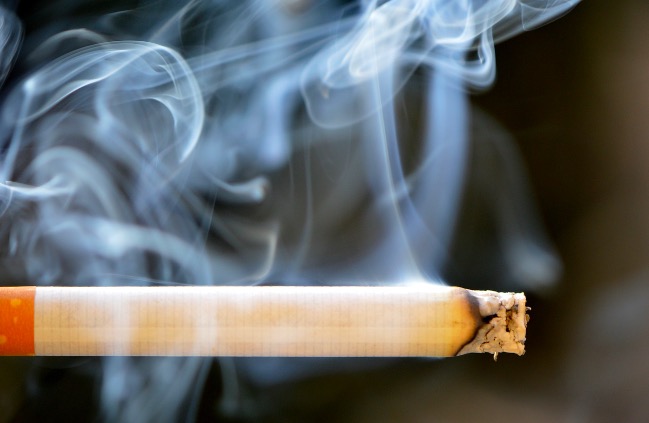
Smoking in Public Places: Smoking was more socially acceptable in the 1970s, and it was not uncommon for children to witness adults smoking in public places like restaurants, airplanes, and even schools. Today, smoking in such places is banned in many jurisdictions.
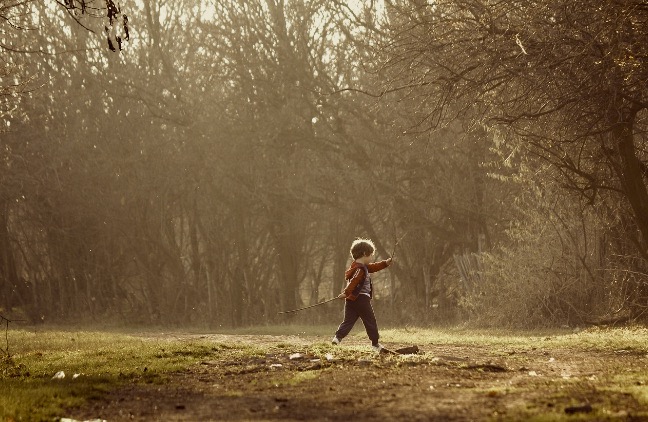
Playing Unsupervised Outdoors: Children in the ’70s often played outdoors without direct adult supervision for extended periods, roaming neighborhoods and parks freely. Concerns about safety and supervision have led to more structured playtime and parental oversight today.

Drinking Tap Water Without Concern: There was less awareness of water quality issues in the ’70s, and children routinely drank tap water without the same concerns about contaminants or pollutants that exist today.

Riding Bicycles Without Helmets: Bicycle helmets were not widely used in the ’70s, and many children rode bicycles without any head protection. Helmet use is now strongly encouraged to prevent head injuries in case of accidents.

Playing with Dangerous Toys: Toys with sharp edges, lead-based paint, or small parts that could be choking hazards were more common in the ’70s. Today, there are stricter safety regulations governing toy manufacturing to protect children from potential hazards.

Using Lawn Darts: Lawn darts, a popular outdoor game in the ’70s, involved throwing weighted darts with metal tips across a lawn. Due to safety concerns and accidents, lawn darts are now banned in many countries.
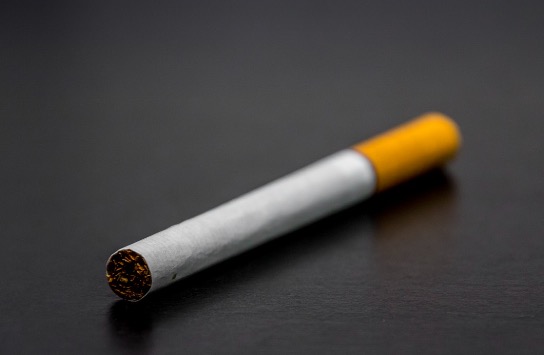
Buying Candy Cigarettes: Candy cigarettes, which resembled real cigarettes, were marketed to children in the ’70s as a novelty candy item. They have since been discontinued or modified due to concerns about promoting smoking to children.

Participating in Competitive Contact Sports Without Protective Gear: Contact sports like football and hockey were played with minimal protective gear compared to today’s standards, increasing the risk of injuries.

Watching Unregulated Television Content: There were fewer regulations on television content in the ’70s, and children often watched shows with mature themes or content that would be considered inappropriate for their age today.

Receiving Physical Discipline in Schools: Corporal punishment, such as paddling or spanking, was more widely accepted in schools in the ’70s as a disciplinary measure. Today, many schools have banned physical discipline.

Taking Home Economics Classes with Gender Stereotyping: Home economics classes in the ’70s often reinforced gender stereotypes, with girls learning cooking and sewing while boys focused on woodworking or automotive skills. Today, such gender-specific divisions are less common.

Playing with Mercury: Mercury was used in thermometers and other household items in the ’70s, and children sometimes played with spilled mercury without awareness of its toxic effects. Today, mercury is recognized as a hazardous substance, and its use is strictly regulated.
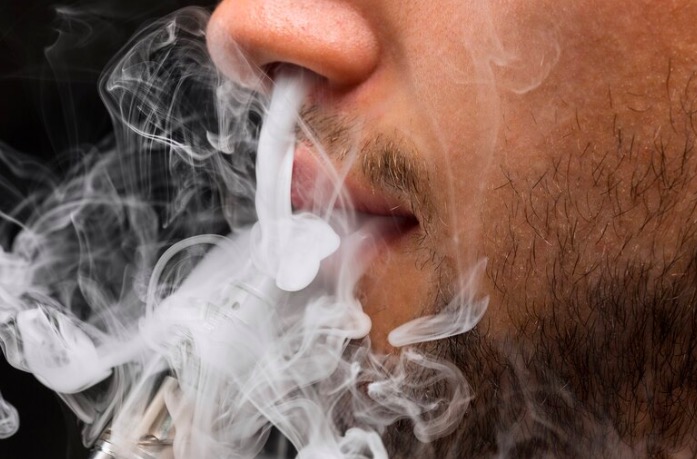
Being Exposed to Secondhand Smoke: Children in the ’70s were often exposed to secondhand smoke at home, in public places, and even in cars. Today, smoking bans in public places and increased awareness of the dangers of secondhand smoke aim to protect children from these risks.

Wearing Heavy Metal Jewelry: Costume jewelry and accessories in the ’70s often contained heavy metals like lead or cadmium, which could pose health risks with prolonged contact. Today, there are stricter regulations on the use of toxic metals in consumer products.
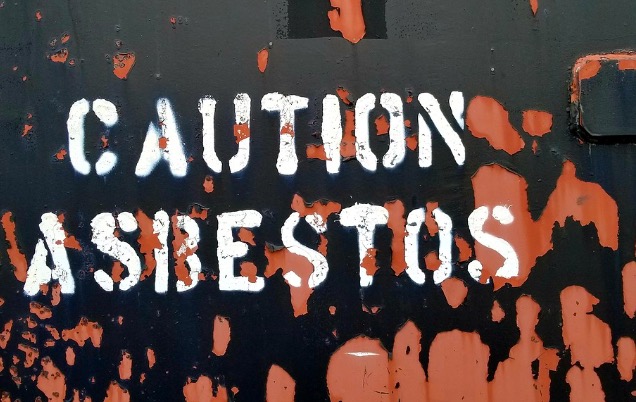
Playing with Asbestos: Asbestos was commonly used in building materials and household products in the ’70s, and children may have been exposed to asbestos fibers while playing in older buildings or homes. Today, asbestos is recognized as a carcinogen, and its use is heavily restricted.

Using Baby Walkers: Baby walkers with wheels were popular in the ’70s but have since fallen out of favor due to safety concerns. They can lead to accidents and injuries, and their sale is restricted or banned in some countries.