

Baby Boomers, born roughly between 1946 and 1964, often challenge what is perceived as “woke culture,” which generally emphasizes social justice, inclusivity, and awareness of social issues. In this slideshow, we explore 10 ways Baby Boomers may challenge or critique woke culture.

Emphasis on Personal Responsibility: Baby Boomers often stress personal responsibility and individual merit over collective identity and systemic explanations for social issues. They may critique aspects of woke culture that they perceive as promoting victimhood or entitlement.

Value Traditional Values: Many Baby Boomers hold traditional values regarding family, work ethic, and social norms. They may challenge aspects of woke culture that they see as undermining or disregarding these traditional values.
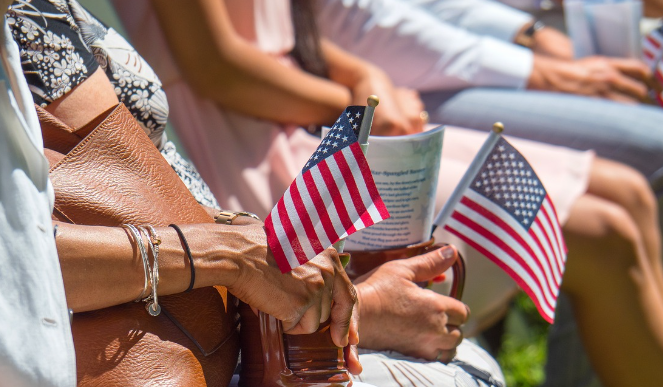
Skepticism of Political Correctness: Baby Boomers may express skepticism towards the emphasis on political correctness in woke culture, viewing it as stifling free speech and healthy debate.

Focus on Hard Work and Achievement: Baby Boomers often value hard work, achievement, and individual success. They may critique woke culture if they perceive it as advocating for equality of outcomes over equality of opportunity.

Critique of Identity Politics: Baby Boomers may challenge the emphasis on identity politics within woke culture, arguing that it can lead to division rather than unity among different groups.
Defense of Free Speech: Many Baby Boomers emphasize the importance of free speech and may critique woke culture for fostering a climate of censorship or self-censorship.

Experience-Based Wisdom: Baby Boomers often draw on their life experiences and historical perspectives to critique aspects of woke culture that they see as lacking context or historical understanding.
Promotion of Individualism: Baby Boomers may promote individualism and personal autonomy, challenging aspects of woke culture that they perceive as advocating for collective or group identities at the expense of individual freedoms.
Support for Traditional Institutions: Many Baby Boomers support traditional institutions such as the family, religion, and patriotism. They may critique woke culture for challenging or undermining these institutions.

Concerns about Overreach: Baby Boomers may express concerns about perceived overreach of woke culture in areas such as education, media, and corporate policies, viewing it as influencing societal norms and values in ways they find problematic.