
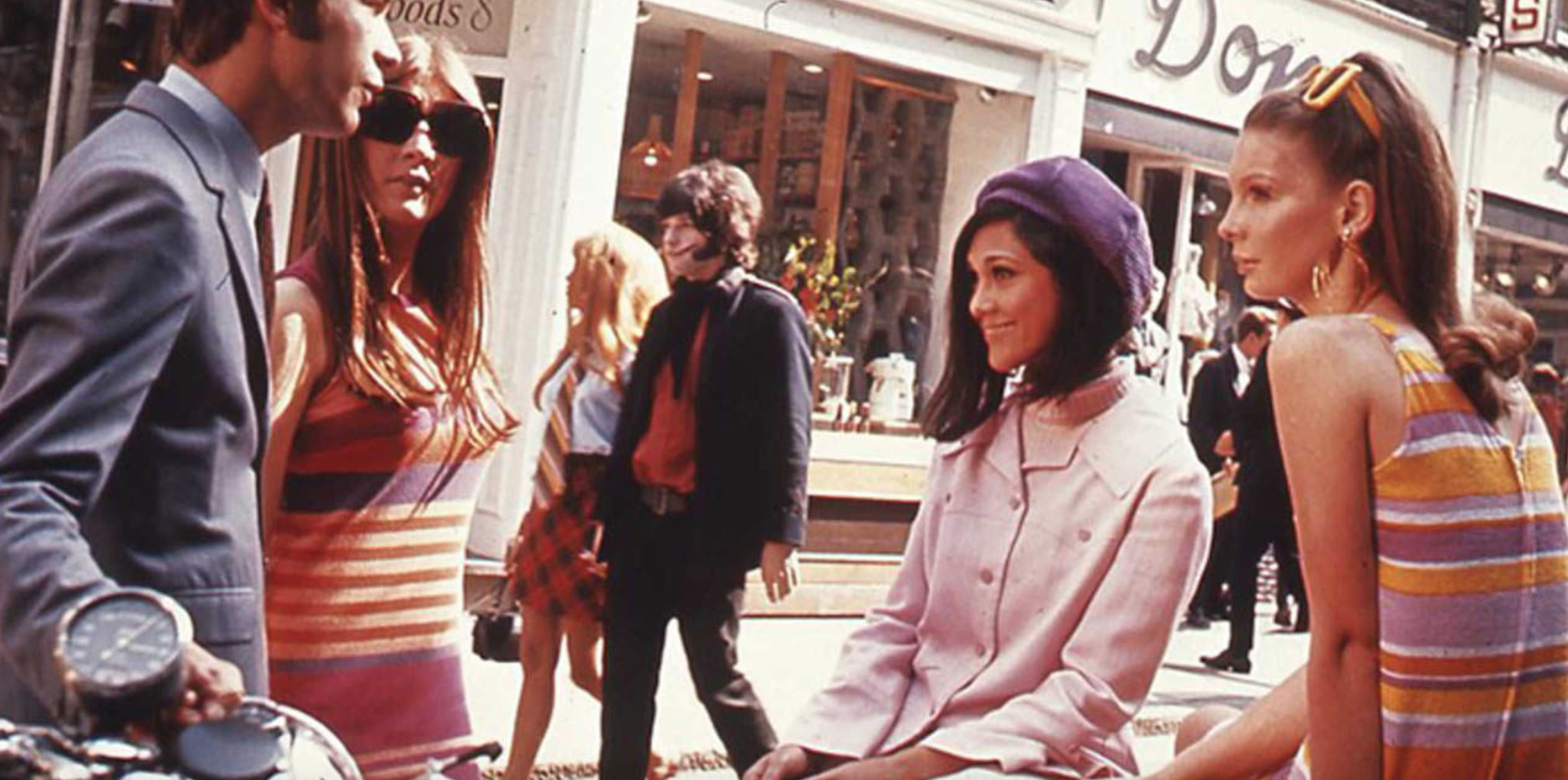
The 1960s were a wild ride when it came to fashion. As youth culture began to dominate, clothing trends became more experimental and outrageous, reflecting the revolutionary spirit of the era. While some of these styles have become timeless classics, others haven’t aged as gracefully. But here’s the thing: as much as we might laugh at the old photos, there’s something endearing about these eccentric looks. Maybe it’s nostalgia, or maybe it’s the pure, unfiltered creativity of the time. Either way, here are the fashion trends from the 1960s that were undeniably terrible.
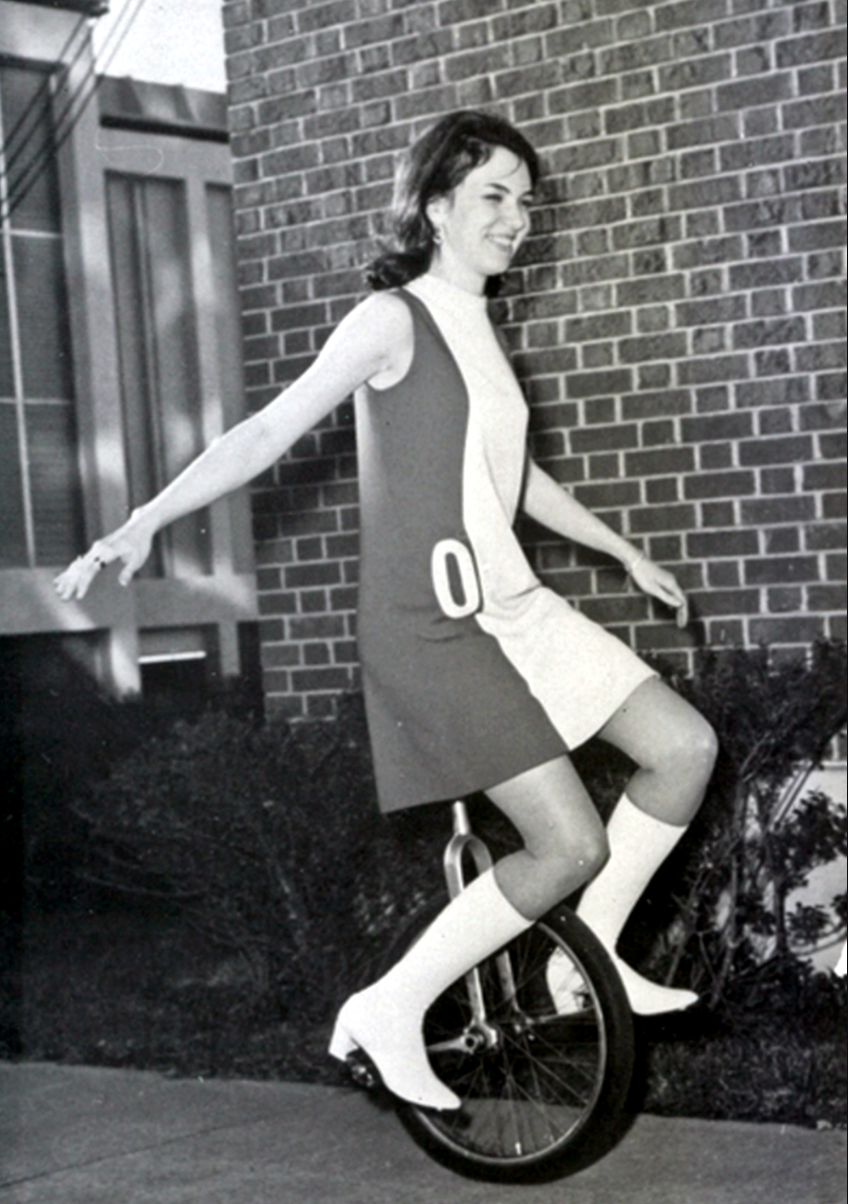
Go-go boots were a staple of 1960s fashion, thanks to their futuristic, sleek look. Usually white and reaching just below the knee, these boots were worn by mod girls who wanted to dance the night away. While they look undeniably dated today (think space-age chic meets retro kitsch), there’s a certain charm in their boldness. The impracticality of white boots aside, they were fun and made a statement. If nothing else, they remind us of a time when fashion was all about making a splash.
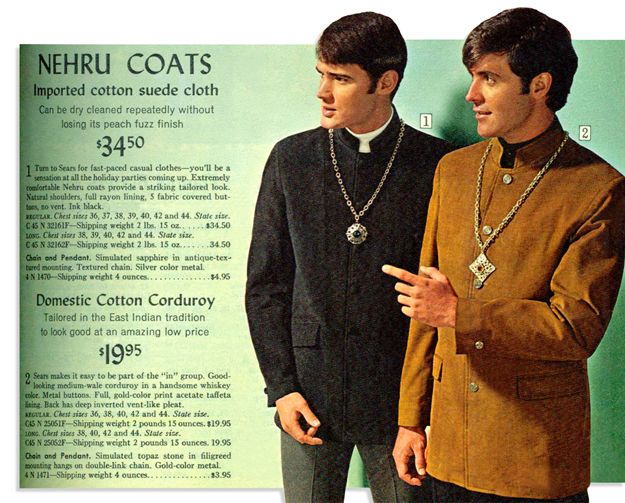
Inspired by the traditional clothing of India’s Prime Minister Jawaharlal Nehru, these collarless jackets were all the rage in the 1960s. Worn by celebrities like The Beatles and even appearing in James Bond films, Nehru jackets had a sleek, international appeal. However, they quickly became a symbol of outdated 60s fashion, falling out of favor as the decade ended. Despite their stiff, awkward fit, there’s something oddly appealing about their minimalist design.
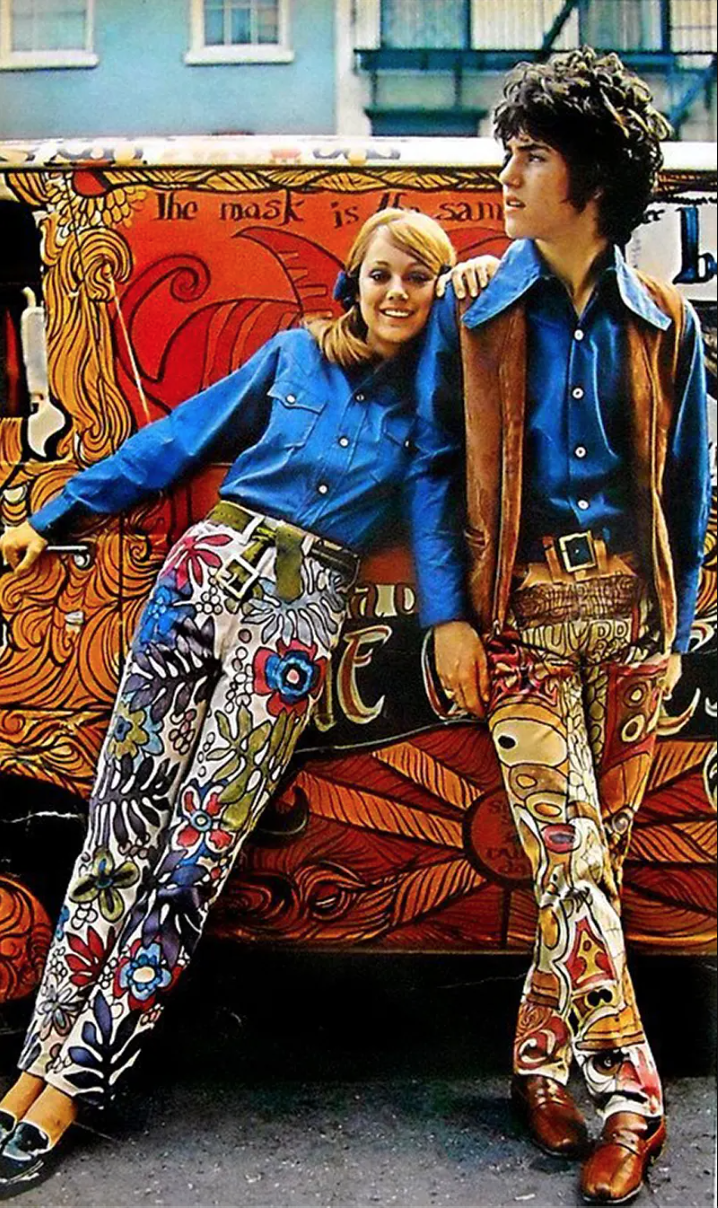
The 60s were all about standing out, and nothing says “I want to be noticed” quite like psychedelic prints. These eye-popping patterns, often featuring swirling shapes and bright colors, were inspired by the counterculture’s fascination with hallucinogens. Today, wearing a shirt that looks like a kaleidoscope threw up on it might get you some odd stares, but back then, it was the height of fashion. While these prints can be a bit overwhelming, we secretly love their carefree, trippy vibe.

Before they made a comeback in the 1970s, bell-bottoms were a defining look of the late 60s. The exaggerated flare from the knee down made these pants stand out—literally. While they’re often mocked today for their unflattering silhouette, there’s a part of us that admires the confidence it took to rock a pair of bell-bottoms. They were playful, fun, and perfect for dancing to the groovy beats of the era. Who wouldn’t want to channel their inner flower child for a day and strut around in these flamboyant pants?
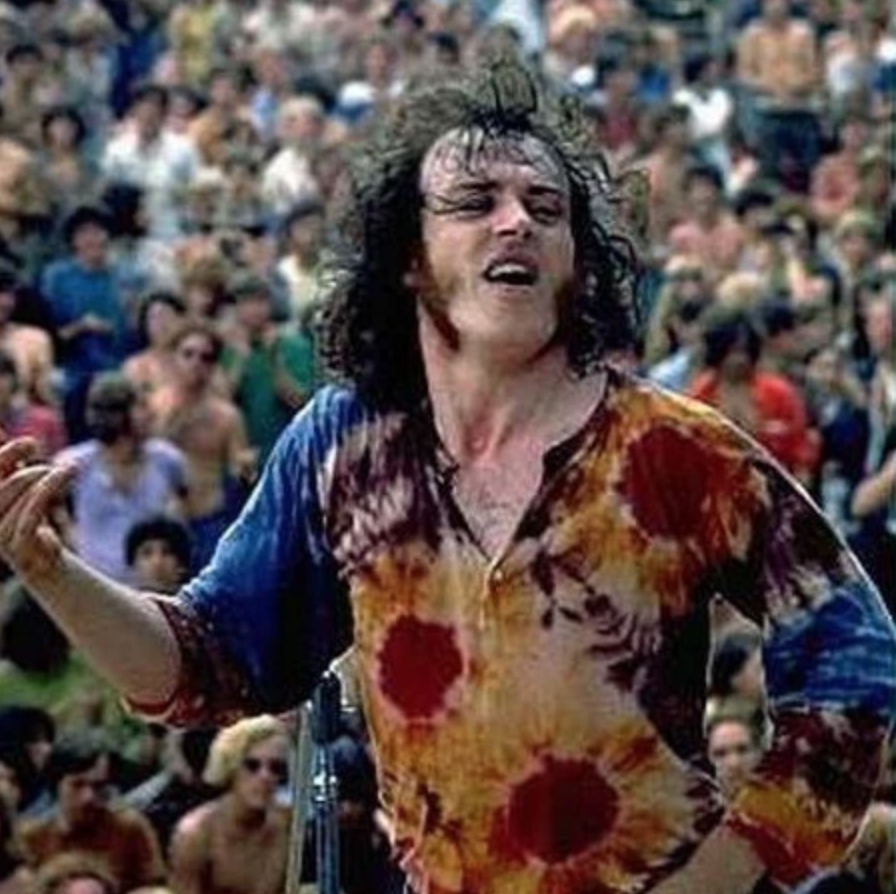
Tie-dye was the ultimate DIY fashion trend of the 1960s. Cheap, colorful, and easy to make, it became a symbol of the counterculture movement. Whether it was t-shirts, dresses, or even socks, if you could dip it in dye, you could make it groovy. While tie-dye still makes occasional comebacks, it’s usually in smaller doses. The full-on, head-to-toe tie-dye look of the 60s has thankfully stayed there. Yet, there’s a certain nostalgia for the simplicity and creativity of this trend—after all, nothing says peace and love like a homemade rainbow shirt.
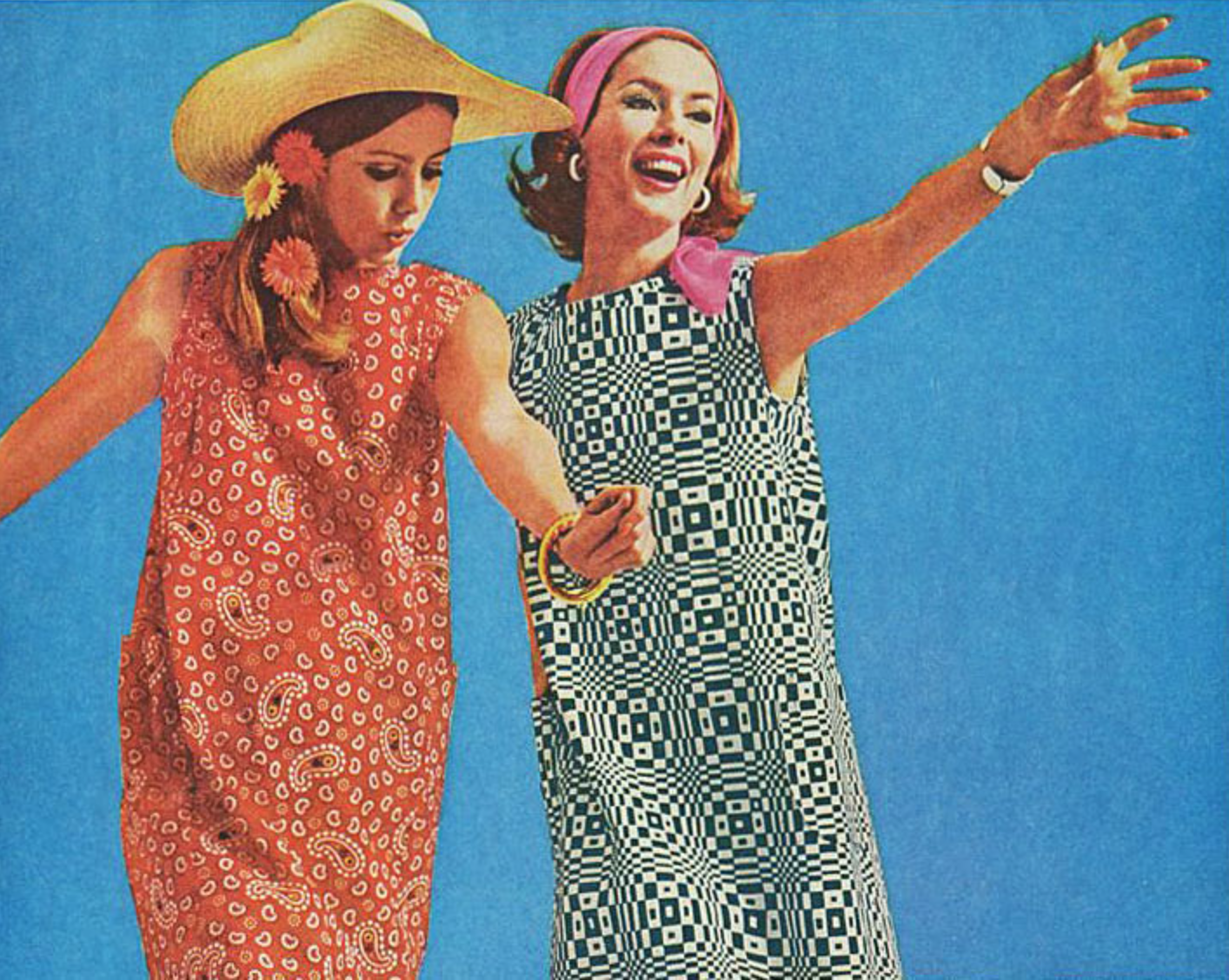
Yes, you read that right—paper dresses were a genuine fashion trend in the 1960s. Made from a disposable material similar to that of paper towels, these dresses were cheap, fun, and designed for one-time use. The appeal was all about novelty, and they often featured wild prints or advertisements. While it’s no surprise that the trend didn’t last (a single rainstorm could spell disaster), there’s something charming about the idea of fashion that doesn’t take itself too seriously. Imagine throwing on a pop art-inspired paper dress for a night out—talk about a conversation starter.
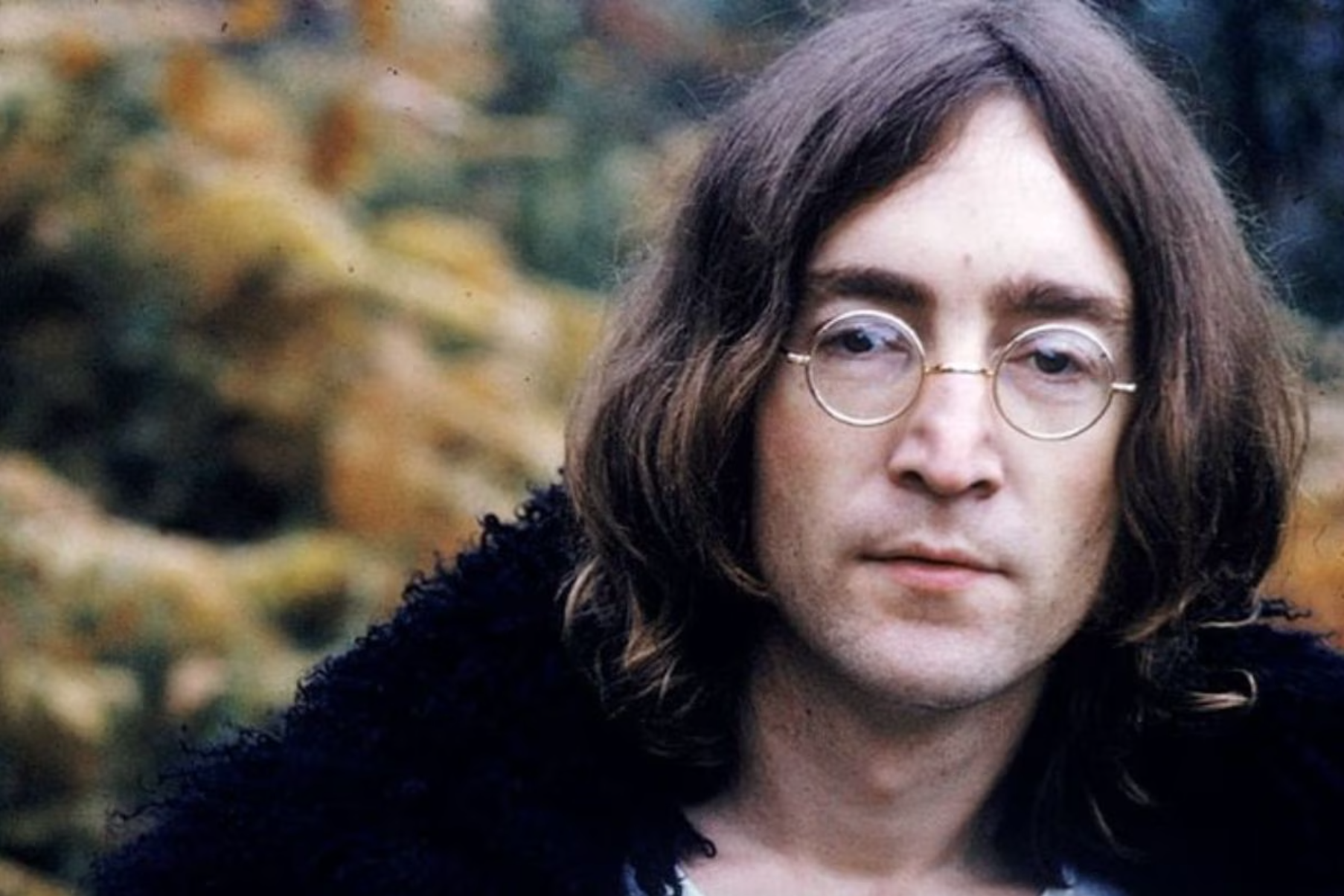
Also known as “John Lennon glasses,” these small, round frames became iconic in the 1960s, especially among the hippie crowd. While the style was intended to be countercultural and anti-establishment, the look hasn’t aged well for everyone. They were tiny, often impractical, and made you squint more than they helped you see. But there’s something undeniably nostalgic about putting on a pair of these specs and channeling your inner flower child. They represent a moment when fashion was about making a statement, and sometimes it’s fun to embrace that spirit.
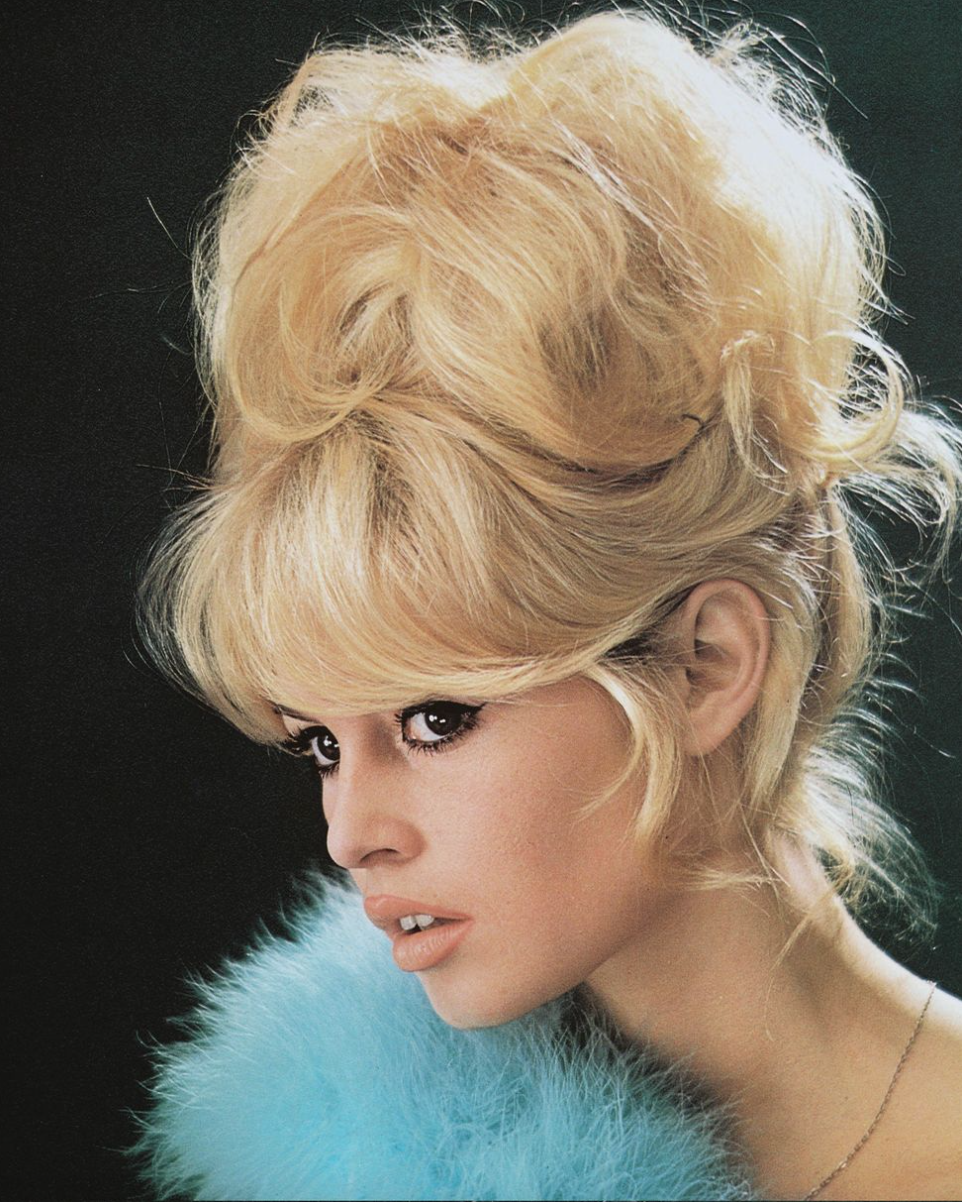
The beehive hairdo was the towering glory of 1960s fashion. Women teased, sprayed, and sculpted their hair into gravity-defying shapes that could easily add a foot to their height. While they were impractical (and likely contributed to the hole in the ozone layer), there’s something fabulous about the sheer audacity of these hairstyles. Today’s minimalist trends feel tame in comparison, and part of us misses the days when bigger was better. The beehive may be out of style, but it still symbolizes an era of glamour and excess that’s fun to look back on.
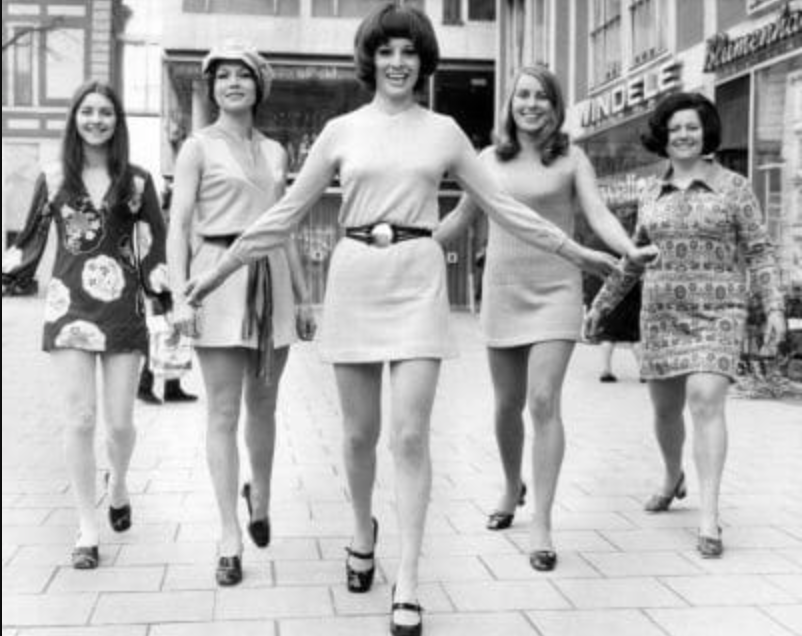
The mini skirt was revolutionary in the 1960s, a bold statement of youth and rebellion. Designed by fashion icon Mary Quant, the mini skirt showed off legs like never before. While it was groundbreaking at the time, it was also controversial, with many deeming it too risqué. Nowadays, mini skirts have evolved, but the extreme hemlines of the 60s are best left in the past. Still, we can’t help but admire the fearless attitude behind this trend. It was a time when fashion was about pushing boundaries, and the mini skirt was at the forefront of that movement.
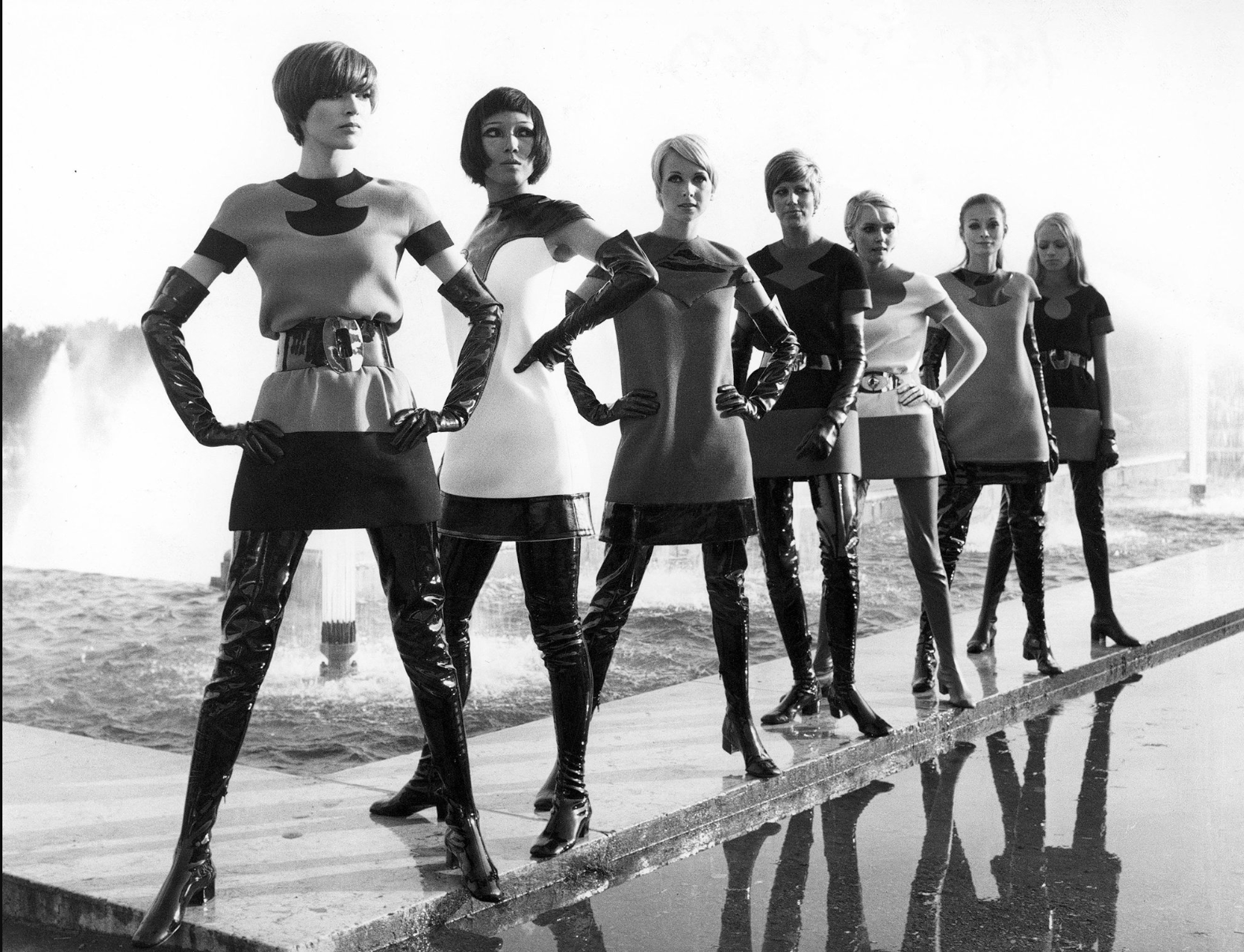
Inspired by the space race and futuristic dreams, space-age fashion was all about metallic fabrics, plastic dresses, and out-of-this-world silhouettes. Designers like André Courrèges created looks that seemed straight out of a sci-fi movie, with go-go boots, visor hats, and geometric shapes. While it was exciting and avant-garde at the time, most of these designs were more suited for a costume party than everyday wear. Despite this, there’s something undeniably fun about the futuristic optimism of 60s space-age fashion. It was a time when people truly believed the future was bright—and shiny.